I woke up at 6:30 AM, reached for my water glass, and immediately felt that weird, pressure-cooker sensation behind my upper lip. It wasn’t a sharp pain, just a relentless, snug squeeze that made me wonder if my new teeth were trying to escape. I spent the next twenty minutes staring into the bathroom mirror, convinced I had made a massive mistake. If you’ve ever felt that morning “clamp,” you know exactly how unsettling it is. It’s that moment where the dream of a perfect smile meets the cold, hard reality of dental biomechanics. When I first got my porcelain shells, I expected them to feel like nothing. Instead, they felt like a tight pair of shoes for my face. It took me a few frantic calls to my dentist to realize that this sensation is actually more common than you’d think. Today, we are going to dive into the physics of your mouth, the reality of gum inflammation, and why your jaw might be sabotaging your investment while you dream.
Stop Fearing the Morning Pressure Cooker Sensation
The truth is, your mouth is a living, breathing ecosystem that doesn’t just stop moving when you hit the pillow. When you wake up and feel that tightness, it is rarely about the veneers themselves changing shape. Porcelain doesn’t shrink. However, your gums and the ligaments holding your teeth in place are incredibly sensitive to changes. Early on, I made the classic mistake of thinking I could skip my protective gear because I was “too tired” to find it. I learned the hard way that why your crown feels tight after you havent worn your nightguard is exactly the same reason your veneers are screaming at you. You are likely clenching. According to the American Dental Association, bruxism can exert hundreds of pounds of pressure on your teeth, causing the surrounding tissues to inflame and feel restricted by the time the sun comes up. Using expert tips for perfect results means acknowledging that your jaw needs a break.
Is this morning discomfort actually worth the hype?
It is easy to spiral into regret when you are staring at a five-figure investment that feels like it’s pinching you. You might even start comparing your choice to other options, wondering about veneers vs crowns and if a different path would have been less snug. But here is the reality: that tightness is often just your body acclimating to a new alignment or a sign that your nightguard needs a quick adjustment. It doesn’t mean the veneers are failing. It means we need to adjust your nighttime habits. Have you ever woken up and felt like your teeth were being squeezed by invisible pliers? I’d love to hear your story in the comments—mostly so I can feel less alone about my 4 AM panic sessions! We are going to look at the three most common culprits for this tightness and how you can wake up feeling refreshed instead of restricted. I also noticed that why your new veneers feel bulky against your lips often goes hand-in-hand with this sensation, creating a perfect storm of oral crowdedness that we can easily solve with a few minor tweaks.
Audit Your Nightguard Before You Sleep
The absolute first thing you need to check is your protective gear. If you are experiencing that morning clamp, your nightguard is either your best friend or your secret enemy. I remember a specific Tuesday three weeks into my veneer journey where I woke up with a dull ache that felt like my front teeth were being pushed into my skull. I realized I hadn’t properly cleaned my guard for two days, and a tiny bit of mineral buildup had altered the way it sat on my molars. This slight deviation caused my jaw to clench harder to compensate. You must learn how to remove the smell from your plastic night guard at home while also checking for any warping. A nightguard that doesn’t seat perfectly will translate into direct pressure on your new porcelain. It is the same principle as why your crown feels tight after you havent worn your nightguard; your teeth are constantly trying to find their natural ‘home,’ and any barrier that isn’t perfectly calibrated will cause tension. 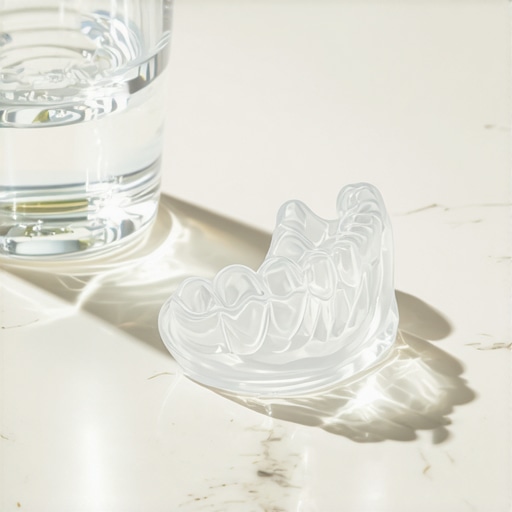
Give Your Gums a Fighting Chance
Your gums are the foundation of your smile, and when you introduce veneers, you are essentially changing the ‘curb appeal’ of your gum line. Early on, my gums looked a bit angry and felt incredibly tight around the edges of the porcelain. This wasn’t a failure of the cosmetic dentistry secrets to boost your confidence I had read about; it was simple inflammation. I started a regimen of warm saltwater rinses three times a day. Think of it like soaking a sore muscle after a workout. You can also look into how to soothe your gums after a deep cleaning session to apply similar principles of tissue recovery to your veneer adjustment period. Reducing the swelling in the soft tissue will immediately make the ‘tight’ sensation of the veneers feel less restrictive.
Identify the Piano Key Mistake Early
Sometimes the tightness isn’t in your head—it’s in the physical space the veneers occupy. If your dentist didn’t account for the exact thickness of your natural enamel removal, you might fall victim to the mistake that makes porcelain veneers look like piano keys. This isn’t just about aesthetics; it’s about bulk. When veneers are too thick, they put constant pressure on the surrounding teeth and the inside of your lips. This is often why your new veneers feel bulky against your lips, leading to a sensation of being ‘overstuffed.’ I had a friend who ignored this, thinking she just had to ‘get used to it,’ only to find out her bite was off by a fraction of a millimeter. A quick ‘occlusal adjustment’—where the dentist polishes down the microscopic high spots—can make that pressure disappear instantly. Unlike how dental implants reshape your oral health in 2025 by replacing the root, veneers are a surface-level change that requires precision in the bite. If you feel like your teeth are hitting unevenly when you chew, that is a mechanical issue, not a ‘settling’ issue. Use family dentistry tips for a lifetime of healthy smiles to keep your checkups frequent during this first month; a ten-minute professional polish can be the difference between a month of pain and a lifetime of comfort.Let’s dig deeper into what your dentist might not mention during the initial consultation. The most common myth is that porcelain is a ‘get out of jail free’ card for oral hygiene. I’ve heard so many people say they got veneers so they never have to worry about cavities again. This is a dangerous lie. While the porcelain itself won’t decay, the natural tooth structure underneath is more vulnerable than ever at the margin—that tiny seam where the veneer meets the tooth. If that seal isn’t perfect, or if you get lazy with your routine, you are inviting disaster. Have you ever fallen into the trap of thinking your new smile was maintenance-free? Let me know in the comments! 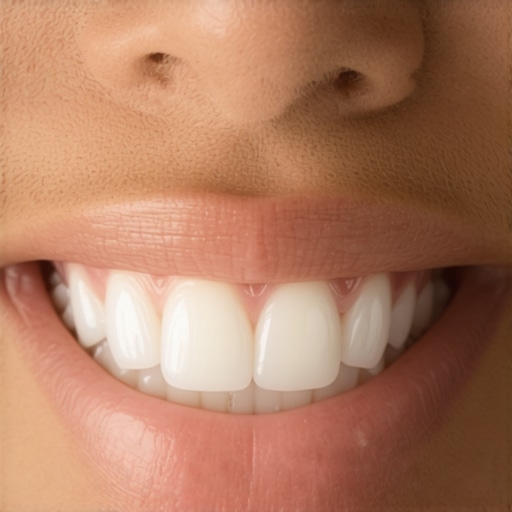
The Biological Width Mistake You Cannot Afford to Make
Professional excellence in the future of dental implants cutting edge techniques in cosmetic dentistry isn’t just about the hardware; it’s about the biology of the host. One of the most sophisticated traps in cosmetic work is ‘encroaching on the biological width.’ This is a fancy way of saying your restoration was placed too deep under the gum line. According to research published in the Journal of Esthetic and Restorative Dentistry, failing to respect this 2-millimeter zone of soft tissue leads to chronic, irreversible inflammation. You might think your gums are just ‘adjusting,’ but if they stay red and puffy for months, your body is literally trying to push the veneer away. It’s the same level of precision required when understanding how a simple sinus lift makes dental implants possible for more people; if the foundation isn’t respected, the structure fails. Many patients also make the mistake of choosing a shade that is unnaturally opaque. They want that Hollywood glow, but they end up with a result that looks like solid blocks of white rather than real teeth. Natural teeth have translucency at the edges where the light passes through; without it, your smile lacks depth.
Why does my dental implant crown feel tighter than the others?
This is a question I get constantly from people who have transitioned from veneers to more permanent solutions like how dental implants reshape your oral health in 2025. Natural teeth have a periodontal ligament—a tiny shock absorber that allows for microscopic movement. Implants, however, are fused directly to the bone through osseointegration. This is the reason your dental implant crown feels tighter than the others. It has zero ‘give’ because it lacks that ligament. If your bite is off by even a hair, that lack of movement makes the pressure feel significantly more intense than it would on a natural tooth. Don’t fall for the ‘DIY’ whitening traps like the truth about using strawberry paste to whiten your teeth to fix a dull restoration; if it feels tight or ‘off,’ it is likely a mechanical issue that requires a professional hand to balance your occlusion. Use family dentistry tips for a lifetime of healthy smiles to ensure you aren’t just looking at the aesthetics, but the long-term functionality of your bite.
Upgrade Your Home Kit to Save Your Investment
I learned early on that a manual toothbrush and some generic string floss simply won’t cut it when you have ten or twenty porcelain units in your mouth. You have to treat your veneers like a luxury vehicle—you don’t take a Ferrari through a $5 automatic car wash. I personally switched to the Philips Sonicare DiamondClean because the high-frequency vibrations are specifically designed to break up biofilm at the margin without the abrasive scrubbing that can lead to recession. If you find that why your gums bleed only when you use a water flosser is a concern, it is usually because you are using too much pressure or your gum tissue is still adapting to the restoration. I use a Waterpik on the ‘low’ setting every single night. This is non-negotiable for me because it flushes out the microscopic debris that hides in the ‘pockets’ created by the veneer-to-tooth transition. In his landmark textbook Biomimetic Restorative Dentistry, Dr. Pascal Magne argues that preserving the integrity of the bond depends heavily on the health of the surrounding periodontium. If you let bacteria sit at those edges, you are essentially dissolving the glue holding your smile together. 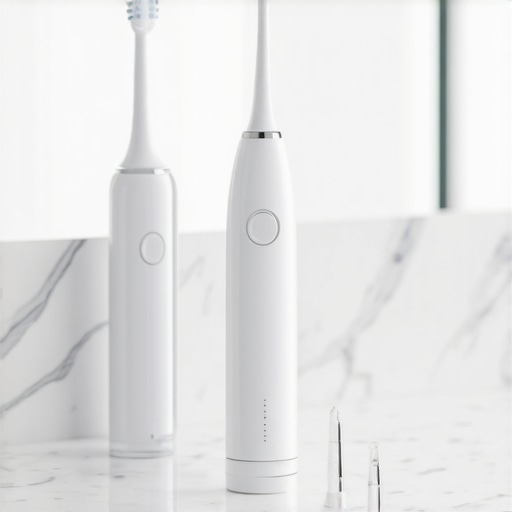
How can I make my cosmetic work last for decades?
The secret to longevity isn’t just about what you do at the sink; it’s about the professional ‘check and balance’ system. You need to ensure your dentist is using an iTero or similar digital scanner to perform ‘Occlusal Mapping’ once a year. This software detects if your bite has shifted by even a few microns, which could cause a veneer to crack. I also highly recommend learning how to clean your clear aligners so they stay clear if you use a retainer to keep your teeth from shifting. If you have an implant, you must know how to safely clean a dental implant without scratching the post, as even microscopic scratches on the titanium can harbor enough bacteria to cause peri-implantitis. For those of us who enjoy a glass of Malbec, knowing the secret to getting red wine stains off your veneers is a game changer: it’s all about immediate neutralization with water rather than waiting until the morning to brush.
The Next Decade of Digital Smiles
Looking ahead, I predict that ‘Smart Nightguards’ will become the industry standard. We are already seeing prototypes that can track clenching intensity via Bluetooth and send reports to your dentist. This level of data will help us prevent the ‘morning clamp’ before it even starts. We are also seeing dental implants 2025 innovations that redefine comfort and durability through 3D-printed scaffolds that mimic natural bone density more closely than ever. This means the ‘tightness’ people feel might soon be a thing of the past as the materials become more biocompatible. My advice? Go buy a specialized interproximal brush tonight—it is a tiny, five-dollar tool that can save a two-thousand-dollar restoration by reaching the spots your floss misses. Don’t wait for your next cleaning to realize you’ve been neglecting the most vulnerable parts of your new smile.
The Hardest Lesson I Learned About My Five-Figure Smile
The most surprising thing no one tells you about cosmetic dentistry is that the work does not end when the cement cures. I spent months thinking my veneers were a set-it-and-forget-it solution, but the reality is far more dynamic. Your mouth is constantly shifting, and that morning tightness is often your body’s way of asking for a minor adjustment. I have learned that a tight feeling isn’t always a sign of failure; often, it is a prompt to check your stress levels or visit your dentist for a quick bite calibration. If I could go back, I would have prioritized family dentistry tips for a lifetime of healthy smiles much earlier in the process rather than waiting for discomfort to kick in. The peace of mind that comes from knowing your bite is balanced is worth more than the aesthetic itself.
My Daily Arsenal for Porcelain Longevity
To keep my investment looking and feeling like day one, I have narrowed my routine down to a few essential tools. First, a high-quality electric toothbrush is non-negotiable to prevent recession at the margins. Second, I cannot recommend a water flosser enough, especially if you find why your gums bleed only when you use a water flosser is a recurring concern—it usually means you are finally reaching the debris that standard floss misses. #IMAGE_PLACE_HOLDER_E# I also trust the landmark principles found in modern biomimetic dentistry, which emphasize preserving as much natural tooth structure as possible to maintain flexibility. Finally, using a specialized kit ensures that your veneers transformation unlocking your best smile yet stays healthy for decades.
The Future of Your Best Smile Yet
Stepping into the world of high-end dental work can be intimidating, but the result is a life-changing boost in self-esteem. As we look toward dental implants 2025 innovations that redefine comfort and durability, it is clear that the gap between artificial restorations and natural teeth is closing every day. Don’t let a little morning tightness scare you away from your dream. With the right maintenance and a proactive approach to your oral health, your cosmetic dentistry journey will be one of the best investments you ever make for your confidence. Have you ever woken up with that unsettling squeezed sensation in your teeth or wondered if your nightguard was actually doing its job? Let me know your experience in the comments below!