I’ll never forget the morning I leaned into my bathroom mirror and noticed a sliver of yellow tooth root peeking out from beneath my top canine. My heart sank. I’m the guy who carries a travel toothbrush in his bag and knows all the family dentistry tips for a lifetime of healthy smiles by heart. It felt like a total betrayal by my own body. I was brushing twice a day, flossing religiously, and yet, my gums were retreating like they were scared of my teeth. It was a visceral realization: you can do ‘everything right’ and still end up with a smile that looks aged or unhealthy. Today, I’m going to pull back the curtain on why this happens and show you how to stop the slide before you need major cosmetic dentistry intervention. We’re going to solve the mystery of the ‘long tooth’ and get your oral health back on track without the panic.
Stop Scrubbing Your Way to a Receding Hairline for Your Teeth
I spent years thinking that if I didn’t feel a little tingle or see a lot of foam, I wasn’t getting my teeth clean. One of my biggest blunders was using a medium-bristled brush because I thought ‘soft’ was for wimps. The truth is, why your gums are receding even though you use a soft toothbrush often comes down to technique rather than the tool itself. But even with a gentle hand, other factors like genetics or even the way your jaw is aligned can play a massive role. According to the American Academy of Periodontology, while plaque is a primary cause of gum issues, physical trauma from over-aggressive brushing is a leading ‘silent’ cause of recession in hygiene-conscious adults. It’s a frustrating paradox where being too clean actually causes damage. Have you ever noticed your teeth looking a bit more ‘stretched out’ lately?
Is professional gum treatment actually worth the trouble?
A lot of people I talk to worry that once the gums start moving, the only solution is an expensive, painful surgery. They wonder if they should just live with it. But ignoring it is like ignoring a leak in your roof—it only gets more expensive. Knowing how to tell if your gums are healthy based on their color is your first line of defense. If you catch it early, you might just need a simple tweak to your routine rather than a full-blown procedure. The reality is that why your gums look receding even though you don’t have gum disease usually points to a mechanical or structural issue that we can definitely manage together.Imagine you’re trying to clean a delicate silk rug. If you go at it with a stiff scrub brush and heavy pressure, you’ll tear the fibers until they’re gone. Your gums are that silk. I used to grip my toothbrush like a hammer, thinking force equaled cleanliness. One morning, my dentist pointed out that my ‘cleaning’ was actually ‘carving.’ I had to relearn the basic mechanics of family dentistry tips for a lifetime of healthy smiles. The trick is to hold the brush with just your fingertips, not your whole fist. This naturally limits the force you can apply. I once tried a ‘natural’ charcoal paste and a stiff brush thinking I’d get a Hollywood white; instead, I got a week of throbbing pain because why your teeth feel sensitive when you switch to a natural toothpaste often comes down to abrasive ingredients meeting over-aggressive hands.
Hold Your Brush Like a Violin Bow
To save your gums, you need to change your grip. If you wrap your whole hand around the handle, you’re using your bicep and shoulder muscles to brush, which is way too much power for soft tissue.
The Fingertip Grip That Saves Your Enamel
Try holding the brush between your thumb and the first two fingers. This ‘feather-light’ approach ensures you’re only removing plaque, not your gum line. I remember the first week I did this; it felt like I wasn’t doing anything. But at my next check-up, the bleeding had stopped entirely. If you’ve already caused some wear, you might be looking at veneers vs crowns choosing the best option for your smile to cover that exposed, sensitive dentin. 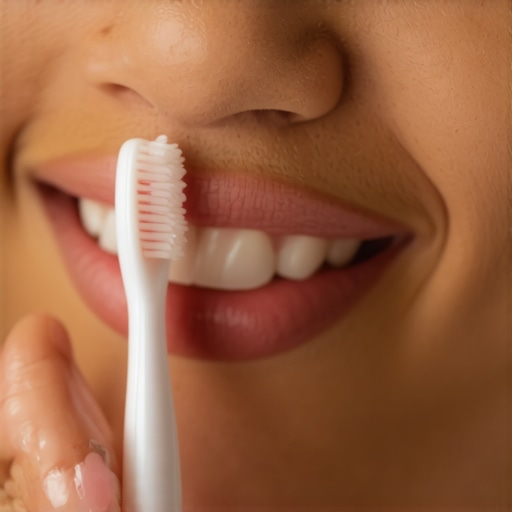
Check the Mirror for These Red Flags
You have to be your own first responder. Healthy gums should look like a firm, pale pink ‘collar’ around your tooth. If they look like they’re sliding down, or if you see a notch near the gum line, you’re looking at recession. Knowing how to tell if your gums are healthy based on their color is vital. If they are bright red or purple, it’s inflammation; if they are pulling back but look healthy pink, it’s likely mechanical trauma from brushing or grinding.
Stop Misalignment From Pushing Your Gums Up
Sometimes the issue isn’t how you brush, but how your teeth hit each other. If one tooth is tilted, it takes more ‘bite force’ than its neighbors. This stress travels down to the bone and causes the gum to retreat in protest. This is why how to tell if your orthodontic treatment is working is about more than just a straight smile—it’s about equalizing that pressure. In severe cases where a tooth is lost due to these structural failures, how dental implants reshape your oral health in 2025 shows us that we can now restore the foundation without affecting the surrounding healthy teeth.
Avoid the Piano Key Look
If you decide to fix the aesthetics of recession with porcelain, be careful. I’ve seen people rush into poorly planned work only to realize the mistake that makes porcelain veneers look like piano keys is usually failing to address the gum height first. You want a natural arch, not a flat line. Always ask your dentist how they plan to manage the ‘gingival margin’ before they start the prep work.There’s a massive misconception that once you upgrade your smile with restorative work, you’re essentially ‘done.’ I’ve seen people invest heavily in the future of dental implants cutting-edge techniques in cosmetic dentistry and then treat them as if they are indestructible. It’s a classic ‘oops’ factor. An implant isn’t a titanium superhero; it’s a medical device integrated into your living tissue. If you don’t stay on top of your family dentistry tips for a lifetime of healthy smiles, you risk a specific kind of infection called peri-implantitis. Research from the American Academy of Implant Dentistry suggests that without proper maintenance, the failure rate of implants increases because bacteria can still attack the bone support, even if they can’t rot the metal. It’s not just about the hardware; it’s about the environment you keep it in.
Your Dental Implant Needs More Care Than Your Real Teeth
Most people think they can slack off because titanium can’t get a cavity. But while the tooth itself is immune to sugar, the ‘seal’ between the gum and the implant is actually more fragile than the biological attachment of a natural tooth. I’ve had to explain to many surprised patients that knowing how to tell if your dental implant is healing at the right speed is only the first step. Long-term success requires you to know how to safely clean a dental implant without scratching the post, as microscopic scratches can become breeding grounds for plaque.
Can you actually over-fix a smile with cosmetic dentistry?
In my years of looking at smiles, the answer is a resounding yes. The ‘nuance’ most people miss is that a perfect smile isn’t perfectly symmetrical. Real beauty in veneers transformation unlocking your best smile yet comes from character—the slight variations in tooth length and the way the edges reflect light. If you opt for a ‘bleach white’ look without any gradient or translucency, you fall into the mistake that makes porcelain veneers look like piano keys. We call this the ‘monolith’ look, and it’s the quickest way to tell everyone you’ve had work done rather than looking naturally radiant. 
The Opaque Trap in Porcelain Selection
When you’re choosing your shade for transform your smile with veneers expert tips for perfect results, the ‘oops’ factor usually happens when you ignore the natural color of your underlying teeth. If a dentist uses a highly opaque material to mask a dark tooth, the result often looks like a piece of flat plastic next to your glowing natural ones. The trick is to balance masking power with translucency to achieve cosmetic dentistry results that look like you were just born with great genes. Have you ever fallen into this trap of choosing the whitest shade on the map only to regret the lack of ‘life’ in the tooth? Let me know in the comments.Once you’ve successfully navigated the ‘opaque trap’ and achieved that perfect balance of light and color, you’ve reached the most dangerous phase: complacency. I’ve seen too many people spend thousands on a veneers transformation unlocking your best smile yet only to treat their new teeth like a set-and-forget appliance. Your mouth is a living, breathing ecosystem, and if you don’t adjust your tools, that investment will fade faster than a cheap suit.
Stop Treating Your Dental Work Like a Set-and-Forget Appliance
The biggest mistake I see is people returning to the same manual toothbrushing habits that caused their issues in the first place. When you have high-end restorations, the margin where the porcelain meets your natural tooth—the gingival margin—is your ‘zone of defense.’ According to the International Team for Implantology (ITI), maintaining the integrity of the biological width around an implant or veneer is the single most important factor for long-term success. If you let plaque sit there for even 48 hours, you’re inviting chronic inflammation.
Get a Pressure Sensor Before You Scrub Away Your Investment
I personally made the switch to a sonic toothbrush with a built-in pressure sensor, and it was a game changer. I used to think I was being thorough, but the little red light on the handle kept telling me I was being a bully to my gums. If you have implants, you need to know how to safely clean a dental implant without scratching the post, because even microscopic abrasions can harbor bacteria that lead to bone loss. I also recommend a water flosser set to a medium-low PSI. High pressure can actually detach the delicate gum seal around an implant, which is exactly what we want to avoid. 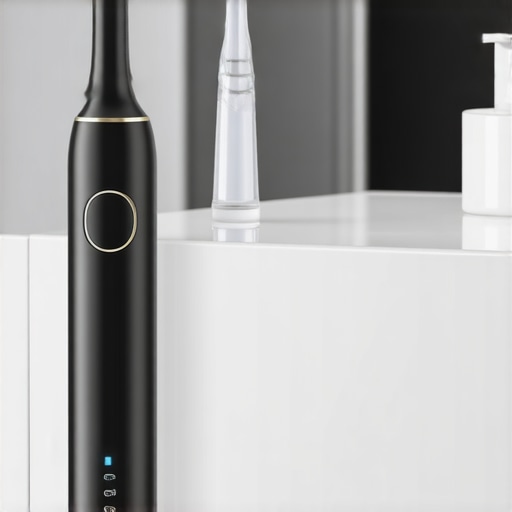
How can I make my smile makeover last a lifetime?
Keeping things in peak condition is about more than just brushing; it’s about checking the ‘fit’ of your bite regularly. Teeth shift naturally over time, and if a veneer or implant starts taking a fraction more force than its neighbor, it will eventually chip or loosen. This is why I’m so obsessed with family dentistry tips for a lifetime of healthy smiles that emphasize nightly wear of a custom-fit retainer or night guard. Looking toward the next five years, I predict we’ll see more AI-integrated toothbrushes that sync with your phone to map precisely where your ‘biofilm’ is accumulating in real-time. We are moving away from ‘guessing’ and toward data-driven cleaning. For now, the best thing you can do is go to the store and buy a pack of interdental brushes. Don’t guess the size—ask your hygienist to measure the gaps between your teeth so you get the ‘snug fit’ that actually clears the debris without poking your gums. Staying on top of the future of dental implants cutting-edge techniques in cosmetic dentistry means being proactive today. If you feel even a tiny ‘click’ when you bite down, don’t wait; it’s your body’s early warning system.
The Mistakes That Cost Me My Peace of Mind
After years of navigating the world of high-end restorations, I’ve realized that the most durable smiles aren’t the ones that were most expensive, but the ones that were treated with the most respect. One major lightbulb moment for me was realizing that why your smile looks asymmetrical after dental work often has nothing to do with the quality of the porcelain and everything to do with uneven gum recession that was ignored beforehand. I learned the hard way that ‘white’ is not a single color; it’s a level of translucency that needs to match your existing anatomy to look real. Most importantly, I discovered the ‘Set-and-Forget’ myth is the quickest way to lose a dental implant. Even the most advanced dental implants require more diligent hygiene than natural teeth because they lack the biological ligament that helps natural teeth fight off deep-seated bacteria.
Tools That Actually Protect Your Investment
I don’t believe in filling your bathroom cabinet with every gadget on the shelf, but three specific tools changed the game for my patients. First, a sonic toothbrush with a real-time pressure sensor is non-negotiable; it is the only way to ensure you are not accidentally scrubbing away your gingival margin. Second, I trust interdental brushes that are specifically sized by a hygienist—guessing the size is like guessing your shoe size and wondering why you have blisters. Finally, if you wear a night guard to protect your new look, you must know the best way to clean your retainers so they dont smell, or you are just soaking your veneers in a bacterial bath every night.
Your Smile Is a Living Story
You do not have to settle for a smile that feels like it is slipping away or looking ‘long’ before its time. Whether you are just starting with basic family dentistry tips for a lifetime of healthy smiles or you are ready for a complete veneers transformation unlocking your best smile yet, the power is in your technique and your consistency. Take that first step today by simply lightening your grip on the brush and being a gentler guardian of your gums. Your future self will thank you for the extra decade of confidence that comes with a healthy, stable gum line. Modern cosmetic dentistry is an incredible tool, but your daily habits are the true foundation of your beauty. Have you ever noticed your gums receding and wondered if it was just ‘getting older’ or if you were brushing too hard? Let me know in the comments below!