I’ll never forget the first time I hosted a big family brunch and served my signature spinach and ricotta tart. I was feeling pretty proud of myself until, midway through a conversation about family dentistry tips for a lifetime of healthy smiles, I felt it. That unmistakable, chalky, ‘fuzzy’ sensation spreading across my teeth. It felt like I’d just chewed on a piece of velvet. I was terrified my guests were seeing green stuck in my smile, but even worse, I was convinced I was somehow stripping the enamel right off my teeth. I actually went home and scrubbed so hard I made my gums bleed—a classic rookie mistake that I now know is one of the worst things you can do. Today, I’m going to show you exactly why this happens and, more importantly, how you can enjoy your greens without feeling like your mouth is wearing a sweater.
The Science Behind the Sandpaper Smile
That weird grit isn’t just a figment of your imagination, and it’s certainly not because you forgot to brush this morning. It’s actually a chemical reaction happening right on the surface of your pearly whites. Spinach is packed with oxalic acid, and when you chew it, that acid meets the calcium in your saliva. This creates tiny, insoluble crystals called calcium oxalate. Think of them as microscopic grains of sand that stick to your teeth. It’s a completely different sensation than the plaque buildup people often ask about when they wonder why your teeth feel fuzzy only hours after cleaning them. This isn’t bacteria; it’s chemistry.
Is this fuzzy feeling actually destroying my enamel?
It’s the number one fear I hear from my friends who are obsessed with their cosmetic dentistry secrets to boost your confidence. We spend so much time and money on our smiles that the idea of an acid ‘eating’ our teeth is terrifying. The good news? It’s mostly harmless. However, the Journal of Agricultural and Food Chemistry notes that while these calcium oxalate crystals are what cause the grit, they don’t necessarily lead to immediate decay. My big mistake early on was thinking I needed to brush immediately to get the acid off. In reality, because the acid temporarily softens the enamel, brushing right away can actually cause more wear. Have you ever felt that panicked urge to brush the second you finish a salad? If so, you aren’t alone!
How I Learned to Stop Fearing the Green
Before I found the right hacks, I seriously considered cutting spinach out of my diet entirely. I even joked with my dentist that I might need veneers vs crowns: which is right for your smile just to have a surface that wouldn’t catch the ‘fuzz.’ But you don’t need a total smile overhaul to fix a temporary problem. The secret lies in how you prep your food and what you pair it with. When we talk about the safest way to whiten teeth with sensitive enamel, we often focus on products, but for spinach teeth, the ‘product’ is actually in your fridge. By adding a splash of lemon or a bit of cheese, you can actually neutralize the reaction before it even starts.
Pair Your Greens with a Little Dairy
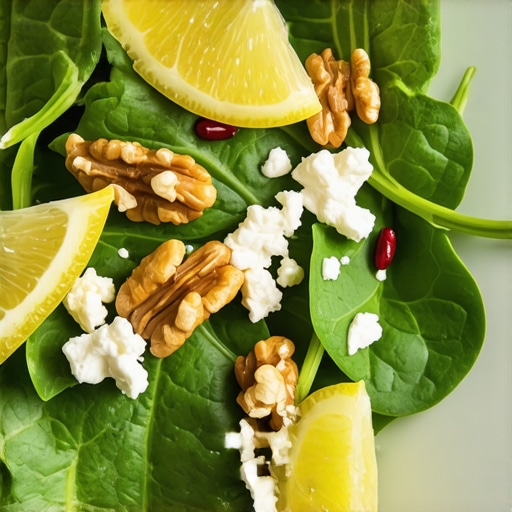
The most effective way to stop the “fuzz” is to provide the oxalic acid with an alternative source of calcium. When you eat spinach alone, the acid leaches calcium from your saliva and teeth to form those gritty crystals. By adding a source of dairy—like a splash of heavy cream, a bit of Greek yogurt, or a handful of feta cheese—you create a chemical bypass. I learned this the hard way at a dinner party where I served a raw spinach salad without any fatty or calcium-rich toppings. Halfway through the first course, my teeth felt like they were coated in velvet. Now, I always include a dairy element in my greens. It is a much safer approach than trying to fix the sensation later with abrasive methods, which is why I often warn friends about the truth about charcoal toothpaste and your tooth enamel; you do not want to scrub away your protection while your teeth are vulnerable.
Steam Your Spinach to Reduce the Grit
If you prefer your greens cooked, stop sautéing them raw in a dry pan. Instead, give them a quick steam or a thirty-second blanch in boiling water. This process helps break down the plant cells and leaches out a significant portion of the oxalic acid into the water, which you then discard. I once tried to make a “healthy” green smoothie with a massive amount of raw spinach and no liquid base other than water. It was a texture disaster—my mouth felt like I had been chewing on a wool sweater for an hour. Now, I steam the spinach first, let it cool, and then blend it. It keeps the surface of my teeth smooth and prevents that lingering sensitivity that feels remarkably like how to manage tooth sensitivity after your first professional cleaning.
Avoid Brushing for at Least Thirty Minutes
Your first instinct when your teeth feel gritty is to reach for the toothbrush and scrub that sensation away. Do not do it. The acid in the spinach temporarily softens your enamel. If you brush while the enamel is in this weakened state, you are essentially sanding down your own teeth. I made this mistake for years, thinking I was being proactive about my hygiene. In reality, I was contributing to the kind of enamel wear that leads people to ask about veneers vs crowns: choosing the best option for your smile later in life. Instead of brushing, wait at least thirty to sixty minutes for your saliva to re-mineralize the enamel and return your mouth to a neutral pH balance.
Use a Water Flosser for Stubborn Grit
Sometimes, those tiny crystals get lodged in the tight spaces between your teeth or along the gumline, making the “fuzzy” feeling linger even after the rest of your mouth feels normal. When a simple rinse does not work, I turn to my water flosser. It provides enough concentrated pressure to flush out the oxalic debris without the risk of scratching the surface of your teeth with abrasive bristles. This is a game-changer for anyone worried about their long-term oral health or those who have had restorative work and need to know how to safely clean a dental implant without scratching the post. It is effective, gentle, and does not require the waiting period that traditional brushing does.
Add Citrus to Break Down Crystals
There is a common misconception that adding lemon juice to spinach makes the grit worse because of the extra acid. Actually, the opposite is true. While lemon is acidic, the citric acid helps break down the calcium oxalate crystals that have already formed. I started squeezing a bit of fresh lemon over my sautéed spinach after seeing a chef do it, and I was shocked to find that the gritty sensation was almost entirely gone. It is a simple culinary trick that protects your smile and enhances the iron absorption in the greens, helping you how to maintain your white smile after a coffee habit by preventing long-term staining and residue buildup. By focusing on these proactive kitchen habits, you can keep the spinach on your plate and the sandpaper feeling out of your mouth.
Understanding the science of spinach teeth is just the beginning of being a savvy patient. When we look at the broader world of family dentistry tips for a lifetime of healthy smiles, I often see people falling for the ‘perfection trap.’ Everyone assumes that the goal of a veneers transformation unlocking your best smile yet is to get the whitest teeth possible. However, in my experience, the brightest white is often the biggest mistake. If you go too bright, you lose the natural depth of the tooth, leading to the reason your porcelain veneers look opaque and fake. Nature isn’t solid white; it is a complex map of translucency and light.
Why do my high-end veneers look ‘flat’ in some photos?
This ‘flatness’ is a common frustration for patients who invested heavily in their smile but ignored the nuance of light refraction. Natural enamel is translucent, meaning light travels through it and reflects off the dentin underneath. When you select a shade that is too opaque to mask stains, you lose that ‘vital’ glow. According to a study in the Journal of Esthetic and Restorative Dentistry, the most successful cosmetic outcomes are those that mimic the polychromatic nature of natural teeth rather than aiming for a monolithic block of color. This is frequently the reason your veneers look different in sunlight versus indoors; natural light exposes the lack of internal depth. 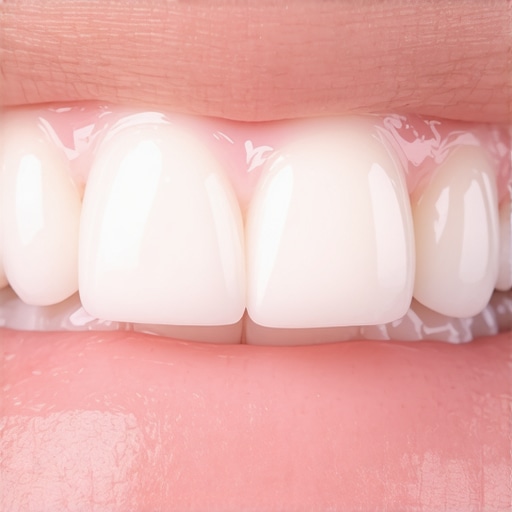
Stop Thinking Implants Are Indestructible
Another major ‘oops’ factor involves how dental implants reshape your oral health in 2025. Many patients believe that because an implant is made of titanium and porcelain, they no longer need to worry about gum disease. This is a dangerous misconception. While the implant itself cannot decay, the bone and tissue supporting it are actually more susceptible to inflammation than they were with natural teeth. This is why understanding the red flags that your dental implant is being rejected is vital. If you neglect specialized hygiene, you can develop peri-implantitis, which moves much faster than traditional gum disease because there is no periodontal ligament to act as a barrier.
Avoid the Over-Whitening Spiral
We all want to know how to maintain your white smile after a coffee habit, but there is a hidden danger in over-bleaching. Over-whitening can lead to ‘demineralization,’ where the teeth actually start to look translucent or even grey at the edges. I’ve seen patients try to fix this by whitening even more, which only worsens the structural integrity of the enamel. Instead of more chemicals, look into the safest way to whiten teeth with sensitive enamel, which focuses on re-mineralization alongside gentle brightening. Have you ever fallen into the trap of thinking ‘more is better’ with your dental care? Let me know in the comments! Whether it is scrubbing away ‘spinach grit’ too hard or over-whitening, the most ‘advanced’ move you can make is often the most gentle one. If you have questions about your specific path, don’t hesitate to contact us to discuss a plan that prioritizes health over just ‘the look.’It is one thing to walk out of the clinic with a brand-new look, but it is another thing entirely to keep that look pristine for fifteen years. I’ve realized that the ‘set it and forget it’ mentality is the quickest way to end up back in the chair for a redo. When I look at family dentistry tips for a lifetime of healthy smiles, the most consistent advice is about the tools you use at home. I stopped using manual brushes years ago. Now, I swear by the Oral-B iO series because of its visual pressure sensor. If you push too hard—something we all do when we’re stressed or trying to scrub away that spinach grit—the ring turns red. It’s a literal stoplight for your enamel health. This prevents the micro-abrasions that can eventually lead to the reason your porcelain veneers look opaque and fake over time due to surface scratches. 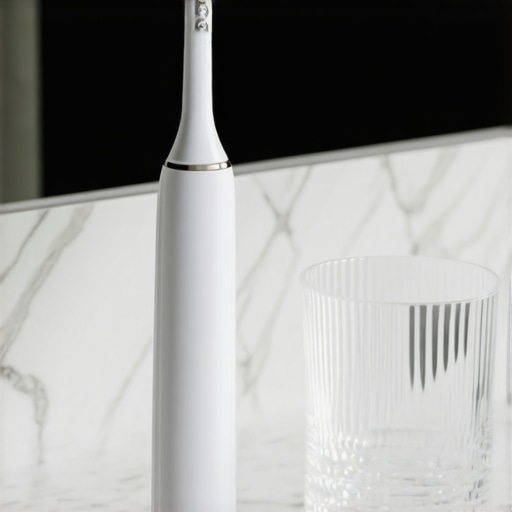
The Gear I Trust to Protect My Investment
I am also a firm believer in the power of a high-quality water flosser. While traditional floss is great, a water flosser allows you to reach the tiny crevices around a crown or the base of a post without the risk of snagging. I personally use the Waterpik Aquarius because it has a specific ‘orthodontic’ tip that is perfect for those who need to know how to safely clean a dental implant without scratching the post. Using high-pressure water instead of physical friction is the secret to maintaining the ‘pink health’ of your gums. If you have invested in transform your smile with veneers expert tips for perfect results, keeping the gum line tight and non-inflamed is what keeps those veneers looking natural rather than like ‘clip-ons.’
Don’t Let a Grinding Habit Crack Your Porcelain
If you’ve spent any amount of money on cosmetic dentistry secrets to boost your confidence, you absolutely must wear a custom-fitted night guard. Porcelain is incredibly strong, but it’s brittle under the sheer force of nocturnal grinding. I’ve seen beautiful work shattered because someone thought they could skip the guard. This is especially true when comparing the truth about the durability of composite vs porcelain veneers; neither material is designed to withstand the literal tons of pressure your jaw muscles can exert during a stressful night of sleep. I recommend getting a dual-laminate guard—hard on the outside to take the wear, but soft on the inside for comfort.
How do I keep my smile’s integrity over the next decade?
Longevity is about consistency and the right chemicals. Dr. Gordon Christensen of the Clinicians Report, a leading independent dental research organization, often emphasizes that the longevity of restorative work is 50% clinical skill and 50% patient home care. This means using pH-neutral mouthwashes and avoiding highly abrasive toothpastes. If you use a charcoal-based paste on your expensive porcelain, you are essentially using liquid sandpaper. Stick to a fluoride or hydroxyapatite-based paste that focuses on re-mineralization. This is the same logic we use for the safest way to whiten teeth with sensitive enamel: you want to strengthen the foundation, not just polish the surface.
What the Next Decade of Dentistry Looks Like
Looking ahead, I predict we are moving toward a world of bio-integrated sensors and AI-driven home care. Within five years, we’ll likely have smart-crowns and smart-implants that can alert your phone via Bluetooth if they detect early signs of acidity or bacterial shifts that lead to decay. We are also seeing incredible leaps in dental implants 2025 innovations that redefine comfort and durability, including 3D-printed scaffolds that encourage your own bone to grow faster. The ‘tech’ side of your smile is only going to get more sophisticated. My challenge for you this week: ditch the manual scrubbing and try a water flosser for seven days straight—you will be shocked at how much cleaner your ‘fuzz-prone’ spots feel.
Lessons from a Decade of Dental Trials
Through years of trial and error, I’ve found that the most expensive procedures can be undone by the simplest mistakes. For instance, using too much force while brushing is the mistake that makes porcelain veneers look like piano keys because it strips away the natural-looking glaze and light-reflecting properties. I also learned that vigilance is non-negotiable; ignoring a slight tingle or localized warmth can lead to missing the red flags that your dental implant is being rejected. Ultimately, the best results aren’t just about what happens in the dental chair, but how you treat your teeth every single morning.
My Recommended Resources for Smile Longevity
To maintain a veneers transformation unlocking your best smile yet, you need a toolkit that prioritizes safety over intensity. I highly recommend investing in an electric toothbrush with a built-in pressure sensor to prevent micro-abrasions that dull your smile. I also swear by the benefit of using a water flosser with your braces, crowns, or implants to keep the gumline pristine without physical irritation. Finally, understanding the truth about the durability of composite vs porcelain veneers will help you realize why a custom night guard is your best friend against accidental chips and nocturnal wear.
#IMAGE_PLACEHOLDER_E#
Confidence That Lasts a Lifetime
You deserve a smile that you don’t have to overthink or hide. By blending professional expertise with smart home habits, you can protect your investment and maintain the foundation of family dentistry tips for a lifetime of healthy smiles. If you have any specific questions about your path to a brighter look, please don’t hesitate to contact us. What’s the one food that always makes your teeth feel weird or fuzzy? Let me know in the comments below!