I remember standing in front of my bathroom mirror, a small bowl of white paste in hand, feeling like a complete genius. I had seen the ‘all-natural’ influencers rave about it, and the logic seemed sound: scrub away the stains with something tough. I dipped my brush in, scrubbed with gusto, and waited for the Hollywood transformation. Instead? I ended up with a dull, throbbing ache and gums that felt like they had been through a sandstorm. It is the classic DIY trap where we want that bright glow without the professional price of cosmetic dentistry, but we forget that our teeth are living tissue, not stained kitchen grout. Today, I am peeling back the curtain on why that $1 box in your pantry might be the biggest enemy of your enamel.
That Time I Almost Scratched My Smile Away
It is incredibly tempting to grab the Arm & Hammer when you are desperate to maintain your white smile after a coffee habit. I have been there, believe me. I thought I was being frugal and ‘clean.’ But here is the cold, hard truth I learned after a very awkward dental visit: baking soda is an abrasive. While it is fantastic for scrubbing a burnt lasagna pan, your tooth enamel is a finite resource. Once you scratch it away, it does not grow back. You are left with teeth that feel extra sensitive and, ironically, a yellower appearance because the underlying dentin starts to show through the thinned-out surface.
Is kitchen-cabinet whitening actually worth the hype?
Honestly? No. Not when you consider the long-term structural damage. I see people all the time searching for the safest way to whiten teeth with sensitive enamel, only to reach for the grit of baking soda. According to research published by the American Dental Association (ADA), while baking soda can technically remove surface stains, using it ‘straight’ or in high concentrations without a pH-balanced formula can lead to significant enamel erosion and gum recession. Have you ever tried one of these DIY hacks only to regret it when your first sip of iced tea felt like a lightning bolt to the jaw? If you have, you are definitely not alone in that mistake.
Why Your Enamel is Not as Tough as You Think
We often treat our teeth like they are made of indestructible porcelain—well, unless you actually have veneers—but even then, maintenance is key. My biggest mistake early on was thinking that more friction automatically equals more white. I was essentially taking sandpaper to my smile. If you are struggling with deep discoloration, it is much safer to choose between professional whitening and custom trays than to risk permanent thinning of your tooth structure. We need to stop looking at whitening as a cleaning chore and start looking at it as a health procedure. I want to walk you through exactly why this ‘natural’ remedy is actually a red flag and what you should be doing instead to keep those pearly whites healthy for a lifetime of healthy smiles.
Stop the Scrubbing and Start Protecting Your Enamel
Think of your enamel like the clear coat on a luxury car. If you use a steel wool pad to get a bird dropping off, you’ll get the stain out, but you’ll also ruin the paint forever. That is exactly what happens when you use high-abrasion substances like baking soda or charcoal. Instead of chemical whitening—which safely lifts stains from inside the tooth—you are performing mechanical whitening, which physically grinds down the surface. 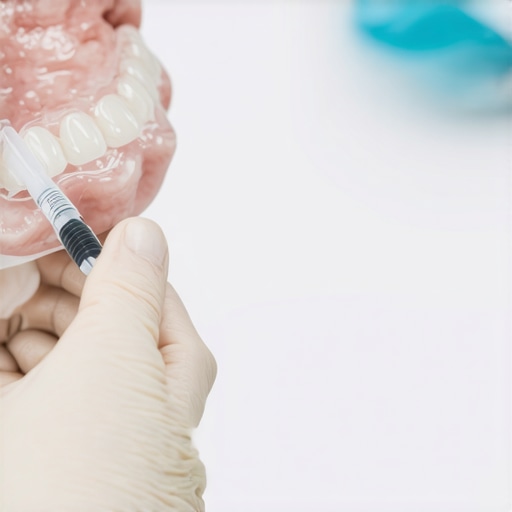
Ditch the DIY Grit for pH-Balanced Solutions
I remember one night before a big wedding, I got desperate and left a set of cheap strips on for twice the recommended time. I woke up with ‘zingers’—those sharp, electric shocks in my teeth—that lasted for three days. It was a wake-up call that even ‘safe’ store-bought products can be misused. If you have naturally thin enamel, you need to find the safest way to whiten teeth with sensitive enamel. This usually involves products with a lower concentration of peroxide and added desensitizers like potassium nitrate. When I switched from the ‘grit’ method to a professional-grade gel, the difference was night and day. No more throbbing, just a steady, healthy brightness.
Why Custom Trays Beat One-Size-Fits-All Options
The real secret to a Hollywood smile isn’t the strength of the bleach; it’s the fit of the tray. When you use a generic ‘boil and bite’ tray or a strip, the whitening agent often leaks onto your gums. This causes that localized peeling and irritation we all dread. If you are trying to choose between professional whitening and custom trays, remember that custom trays are molded to your specific bite. This keeps the gel on the teeth and away from the delicate soft tissue. It’s the difference between painting with a fine-tip brush versus a massive roller; precision prevents the mess.
How to Fix Enamel Damage If You Went Too Far
What if you’ve already spent years over-brushing or using abrasive hacks? If the enamel is significantly thinned, no amount of whitening gel will help because there’s nothing left to brighten. In these cases, we look toward restorative options. A veneers transformation can literally replace that missing surface with durable, stain-resistant porcelain. I’ve seen people transition from being afraid to smile because of gray, thinned-out teeth to having total confidence. When considering this path, it’s vital to learn the truth about the durability of composite vs porcelain veneers so you can make a choice that lasts for decades, not just a few years.
Smart Daily Hacks for Long-Term Brightness
If you aren’t ready for a full procedure, focus on prevention. You can actually keep your teeth white while drinking black coffee daily simply by rinsing with water immediately after your cup. It’s about managing the ‘contact time’ of the pigment. I personally started using a straw for my morning cold brew and noticed that my touch-up appointments became much less frequent. Also, pay attention to how your body reacts; why your teeth feel sensitive after using whitening strips is often a sign that your barrier is compromised. Listen to that signal and back off before you cause permanent wear.
Let’s dig a bit deeper into what happens when the damage is already done, or when you decide to skip the DIY grit and move toward more permanent solutions. Most people think that once they opt for cosmetic dentistry, the hard work is over. They view a dental implant or a set of veneers as ‘set it and forget it’ hardware. But that is exactly where the biggest mistakes happen. If you treat a $50,000 smile restoration like it’s invincible, you’re in for an expensive wake-up call.
Why Your Dental Implant is More Than Just a Metal Screw
Common wisdom says that dental implants are the ultimate fix for missing teeth because they can’t get cavities. While that is technically true—titanium doesn’t decay—it creates a dangerous sense of security. In my experience, the ‘oops’ factor here is ignoring the soft tissue. You can’t get a cavity, but you can get peri-implantitis, a form of gum disease that targets the bone holding your implant in place. This is often why your dental implant feels loose but looks fine on the surface. If the foundation crumbles, the hardware goes with it.
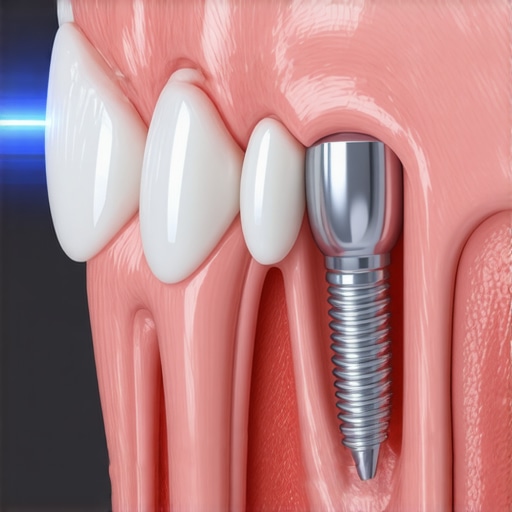
What happens if your implant feels loose but looks perfect on an X-ray?
This is a sophisticated nuance that trips up even diligent patients. Sometimes the issue isn’t the bone, but the ‘abutment’—the tiny screw connecting the post to the crown. If you notice why your dental implant feels like it is vibrating slightly, it’s usually a sign of a mechanical loosening rather than a biological failure. According to a meta-analysis published in the Journal of Oral Rehabilitation, the longevity of these restorations depends heavily on the ‘biotype’ of your gums; thin tissue is much more prone to recession and implant exposure than thicker tissue. This is why the reason your dental implant surgery requires a bone graft is often about more than just height; it’s about creating a robust environment for long-term stability.
Don’t Let Your Veneers Turn Into Chiclets
When it comes to veneers, the biggest myth is that ‘whiter and flatter’ is better. This is how people end up with what we call ‘piano key’ smiles. If your provider doesn’t account for the natural translucency of your original teeth, the result looks opaque and fake. Furthermore, patients often complain about why your veneers feel bulkier than your natural teeth. This usually happens when a ‘no-prep’ approach is used on teeth that aren’t positioned correctly, essentially stacking porcelain on top of an already crowded smile. True veneers transformation requires a delicate balance of removing just enough enamel to ensure the porcelain sits flush with the gum line.
The Advanced Trap in Family Dentistry
We often focus so much on our own cosmetic goals that we overlook the structural foundation of the next generation. A common contrarian view I hold is that a child’s first dental visit isn’t about looking for cavities—it’s about airway and jaw development. The mistake most parents make with their child’s first tooth is waiting until age three or four to see a professional. By then, habits like mouth breathing or thumb sucking may have already begun to narrow the palate, which leads to the very crowding issues that require expensive braces or family dentistry interventions later in life. Have you ever fallen into the trap of thinking baby teeth ‘don’t count’ because they just fall out anyway? Let me know in the comments. We need to stop viewing dental health as a series of isolated repairs and start seeing it as a lifelong architectural project. Ready to stop guessing? Contact us today to build a plan that actually lasts.
I’ve spent years trying every gadget on the market, from vibrating brushes that sync to your phone to light-up whitening wands. If you want to keep that investment—whether it is a single crown or a full veneers transformation—you need to stop treating your bathroom like a spa and start treating it like a lab. My absolute non-negotiable tool is a high-quality water flosser. I use it every night because standard floss simply cannot reach the nooks and crannies around an implant’s abutment or the margins of a veneer. Research in the International Journal of Implant Dentistry highlights that mechanical plaque removal is the single most important factor in preventing implant loss. Specifically, using a water flosser with a specialized plaque-seeker tip can remove significantly more biofilm than manual brushing alone. This is the primary way to avoid those red flags that your dental implant is being rejected.
Upgrade Your Tech to Protect Your Smile
We are entering an era where the future of dental implants involves bio-interactive materials that actually encourage bone growth. But until those are standard, you need to rely on precision diagnostics. One thing I always insist on for my own maintenance is a 3D scan. I much prefer when the reason your Culpeper dentist uses CBCT scans is to check the three-dimensional health of the bone around my restorations. It catches small shifts that a regular 2D X-ray would completely miss. If you are serious about family dentistry and long-term health, you have to look beyond the surface. 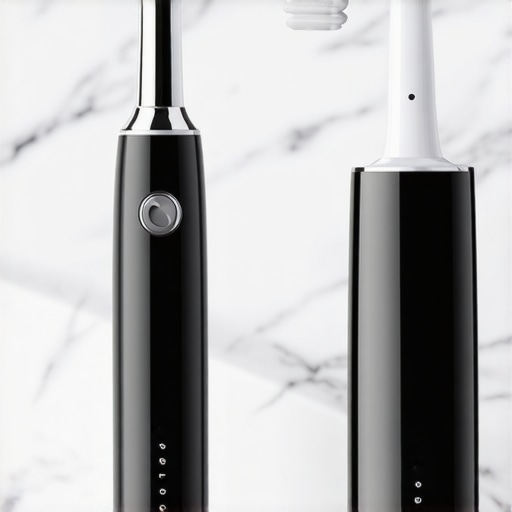
How do I maintain my dental investment over the next decade?
Consistency is the only real ‘secret.’ You need to pair your high-tech tools with low-tech habits. For example, I recommend the ‘double-clean’ method: use an electric toothbrush to break up the surface film, followed by an interdental brush for the gaps. This prevents the buildup that leads to why your gums look dark red around a specific dental crown. Furthermore, always use a non-abrasive paste. Most ‘whitening’ toothpastes are too gritty for porcelain. Instead, look for a gel-based formula that protects the glaze of your perfect veneers. My prediction for the next five years? We will see ‘smart’ implants that can alert your phone if they detect early signs of bacterial inflammation. Until then, you are the early warning system.
I want you to try one advanced tip tonight: after you brush, use a pH-neutralizing mouthwash instead of an alcohol-based one. Alcohol dries out the mouth, and a dry mouth is a breeding ground for the bacteria that cause your dental bridge to fail. If you want a plan that is tailored to your specific hardware, contact us to schedule a deep-dive maintenance session. You’ve done the hard part by getting the work done; now let’s make sure it stays perfect.
What My Dentist Finally Admitted About My Smile Long-Term
For years, I viewed a trip to the dentist like taking a car to the mechanic: fix the dent and forget about it. The hardest lesson I learned is that dental work is living art. Whether you choose veneers vs crowns or go for a full restoration, the longevity depends on the ecosystem of your mouth. I realized that a veneers transformation isn’t a suit of armor; it’s a commitment to better hygiene. If I had known that the health of my gums would eventually dictate the success of my expensive porcelain, I would have swapped my hard toothbrush for a soft one a decade ago.
The Gear That Actually Saved My Enamel
I stopped guessing about my oral health when I built what I call my ‘Smile Lab.’ Here are the tools I actually trust: First, the benefit of using a water flosser cannot be overstated for anyone with implants or braces; it clears the biofilm that manual strings miss. Second, I only use gel-based, non-abrasive pastes to maintain perfect veneers without scratching the glaze. Finally, I always ask for advanced imaging because the reason your Culpeper dentist uses CBCT scans is to catch bone issues long before they become painful emergencies. These aren’t just gadgets; they are the insurance policy for your face.
Your Path to a Permanent Confidence Boost
It is easy to feel overwhelmed by the options, but remember that the best time to start was yesterday, and the second best time is right now. You deserve to feel the joy of a smile that doesn’t just look good, but feels structurally sound. By applying these cosmetic dentistry secrets to boost your confidence, you are investing in the version of yourself that smiles without hesitation. Don’t wait for a toothache to become the catalyst for change. Reach out and contact us to begin your journey toward a healthy, lasting transformation. #IMAGE_PLACEHOLDER_E#
Have you ever tried a DIY dental hack that backfired or left you with ‘zingers’? Let me know in the comments below!