I’ll never forget the first morning I woke up after my veneer placement. I was ready to greet the world with a dazzling, glass-smooth grin. Instead, as I ran my tongue across my front teeth, I felt something… off. It wasn’t the slick, polished surface I’d been promised. It felt like I’d been chewing on fine-grit sandpaper or maybe hadn’t rinsed out my morning coffee grounds well enough. It was unsettling, frustrating, and, honestly, a bit scary. I spent the next hour in front of the bathroom mirror, convinced I’d somehow ruined a significant investment in less than twenty-four hours. [image_placeholder]
The Real Reason Your New Smile Doesn’t Feel Smooth
Most of us expect perfection the moment we leave the dental chair. But here is a neighborly secret: that gritty texture is rarely a sign of a failed procedure. When I first encountered this, I made a classic rookie move. I grabbed the harshest, most abrasive whitening paste I could find and went to town. I thought I could just buff the grit away myself. Let me tell you, that was a mistake—that is the truth about charcoal toothpaste and your tooth enamel; it is too abrasive for porcelain and can actually dull the very finish you are trying to save. The reality is often much simpler. Sometimes it is just a tiny bit of residual bonding cement that did not get fully polished off during the final cleanup phase. Getting expert tips for perfect results means knowing that your mouth is incredibly sensitive to even the smallest microscopic changes. Your tongue is like a high-powered magnifying glass for your teeth.
Is this weird texture actually worth worrying about?
I know the anxiety well. You have spent time and money to pick the right shade for your new porcelain veneers, and now they feel dirty even after brushing. According to the American Academy of Cosmetic Dentistry (AACD), porcelain is a non-porous material that should feel even smoother than your natural enamel once the final polish is set. If it does not, we need to look at the why. Today, I am going to walk you through exactly why this happens and how we can get back to that buttery-smooth feeling you were promised. Have you ever run your tongue over a new dental crown or veneer and felt a rough patch that drove you absolutely crazy? We are going to solve this mystery together. Whether it is lingering cement or a localized area of veneers causing sensitivity to cold drinks because of a rough margin, there is always a way to smooth things over.I learned the hard way that you cannot DIY the finish on a dental restoration. One evening, I was so frustrated by a tiny gritty patch near my gumline that I actually tried to use a sterilized sewing needle to flick it off. I thought it was just a piece of hardened food. Instead, I ended up with bleeding gums and the terrifying realization that porcelain isn’t something you mess with at home. That rough spot didn’t budge, and I felt like a fool sitting in the chair the next morning. My dentist explained that I was likely feeling a microscopic ledge of bonding agent, not a flaw in the tooth itself. If your teeth feel rough, you need a systematic approach to identify the cause before you accidentally damage your investment. Whether you are comparing the truth about the durability of composite vs porcelain veneers or just want your mouth to feel normal again, the solution starts with observation, not aggression.
Spot the difference between cement and porcelain chips
Run your tongue over the area very slowly. Does the grit feel like a raised bump or a valley? If it is a raised bump, it is almost certainly residual bonding cement. You might feel this same odd sensation if you have ever wondered why your teeth feel sticky even after you brush them; it is a textural anomaly that simply does not belong on a clean surface. If it feels like a sharp edge or a dip, you might be looking at a minor chip or a margin issue. Knowing what to do when you have a sharp edge on a broken tooth is helpful here: do not panic, but do not try to smooth it out with a nail file. Your tongue is exaggerating the size of the problem by about ten times.
Trust the professional polishing sequence
When you return to the office, your dentist will use a specific sequence of polishing disks. Think of it like detailing a luxury car. They do not just hit it with one buffer; they start with a slightly coarser rubber point and move toward a high-shine diamond paste. I once watched this process while discussing how to fix a smile that feels too narrow or small, and the transformation from matte to glass-like takes only minutes. This is one of the best cosmetic dentistry secrets to boost your confidence—the smoother the surface, the more naturally the light reflects off your smile. 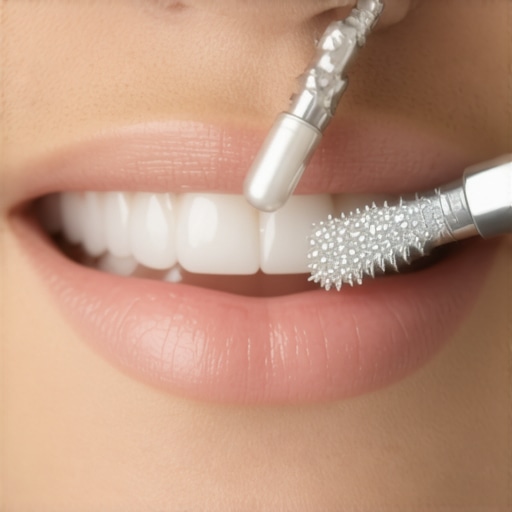
Use the right tools at home
While you wait for your follow-up appointment, stop the urge to scrub. Heavy-handed brushing won’t remove hardened cement, but it will cause gum recession. Mastering the best way to brush when you have sensitive gums is crucial when you have new dental work. If you suspect the grit is just surface debris, a gentle water flosser is your best ally. Following family dentistry tips for a lifetime of healthy smiles means accepting that porcelain requires specialized care. Sometimes that gritty feeling is simply because the veneers are slightly thicker than your original teeth, which is common when learning why your veneers feel bulkier than your natural teeth. Give your mouth at least 48 hours to recalibrate before assuming something is wrong.
While that 48-hour recalibration period is essential, let’s dig deeper into the nuances that most people—and even some general practitioners—miss. There is a common belief in cosmetic circles that porcelain is essentially bulletproof once it is bonded. Everyone says porcelain is the gold standard because it is stain-resistant and incredibly hard, but in my experience, its hardness is actually its greatest liability if your bite isn’t perfectly calibrated. If your veneers feel rough specifically when you grind your teeth at night, you aren’t feeling a flaw in the porcelain; you are feeling the results of ‘micro-flexing.’ Even though we talk about a veneers transformation unlocking your best smile yet, we rarely discuss how that porcelain interacts with your natural jaw mechanics.
Why porcelain isn’t always the hero of the story
Here is the contrarian truth: sometimes porcelain is too hard for its own good. If you have a heavy bite, that gritty sensation might actually be the porcelain wearing down your opposing natural teeth. A study published in the Journal of Prosthetic Dentistry highlights that while porcelain is durable, its abrasive potential on natural enamel is significant if the surface isn’t polished to a sub-micron level. This is why choosing between the truth about the durability of composite vs porcelain veneers isn’t just about longevity; it is about how the material treats your remaining natural teeth. If your dentist didn’t mention an occlusal guard (night guard) during your consultation, that is a massive ‘oops’ factor. The biggest trap you can fall into is assuming your new smile doesn’t need protection just because it’s ‘artificial.’
Can a slight misalignment ruin your new investment?
The short answer is yes. If the grit you feel is located on the biting edge, it might be due to ‘interference.’ This happens when the new shape of your teeth slightly alters how your jaw closes. You might even start noticing the connection between frequent headaches and grinding your teeth because your muscles are overcompensating for a microscopic high spot on the veneer. When looking at veneers vs crowns choosing the best option for your smile, structural integrity must come before aesthetics. If the veneer is too thin in a high-pressure area, that grit you feel could be the very beginning of a stress fracture. This is where the future of dental implants and cutting-edge techniques in digital bite mapping becomes so vital—it removes the guesswork from the polishing phase. Have you ever fallen into this trap where you prioritized the look of your teeth over how they actually fit together? Let me know in the comments. We need to stop viewing cosmetic dentistry as a ‘set and forget’ procedure and start seeing it as a living part of our biology.
I learned quickly that maintaining that ‘just-installed’ feeling requires a different philosophy than natural teeth. You can’t treat porcelain like an old fence that needs scrubbing. I personally switched to a high-end water flosser because traditional floss was catching on a tiny margin, and the high-pressure stream actually clears out the biofilm without tugging on the edges. When you’re following family dentistry tips for a lifetime of healthy smiles, you realize that the gaps between your veneers are the most vulnerable spots. If you’re using a night guard to protect against that micro-flexing I mentioned earlier, you absolutely must know how to clean your night guard without damaging the material. I use a simple soak with a distilled vinegar solution once a week—it’s a trick I picked up from a niche prosthodontics forum, and it keeps the appliance from developing that weird smell or calcified buildup.
Stop treating your veneers like your natural enamel
The biggest mistake I made was assuming my regular toothpaste was fine. Most ‘whitening’ pastes use silica or calcium carbonate as abrasives, which is great for natural teeth but can create microscopic scratches on porcelain over time. I personally recommend using a specialized non-abrasive paste like Supersmile. Dr. Irwin Smigel, often cited as the ‘Father of Aesthetic Dentistry,’ formulated this specifically to dissolve the protein pellicle on restorations without scratching the surface. This is the safest way to whiten teeth with sensitive enamel and porcelain alike. Using the right chemistry prevents the ‘dull’ look that older veneers often get after five or six years. I have seen cases where the wrong paste turned a high-gloss finish into a matte texture in less than 24 months, necessitating a full re-polishing appointment that could have been avoided.
How do I keep my porcelain investment looking new for a decade?
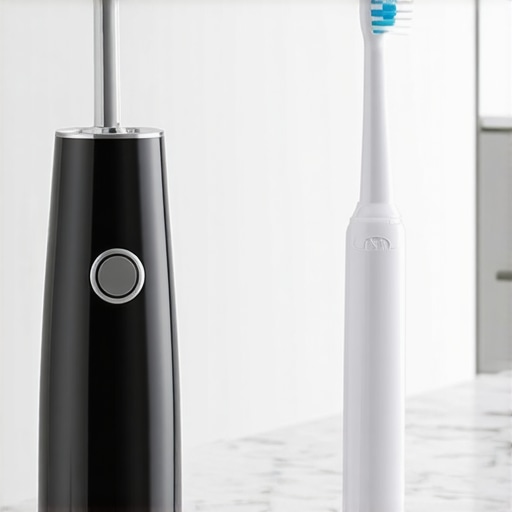
The secret isn’t in how hard you brush, but in the specific tools you choose. I strictly use an ultra-soft toothbrush—specifically one with CUREN® filaments—because nylon bristles can be surprisingly aggressive over thousands of brushing cycles. For my morning caffeine fix, I’ve had to learn how to maintain your white smile after a coffee habit by rinsing with water immediately after every cup. While porcelain itself won’t stain, the bonding cement at the edges is porous and can develop a dark ‘halo’ if you aren’t careful. Looking ahead, I predict we will see AI-integrated ‘smart’ guards that track bite pressure in real-time and alert your phone if you’re grinding hard enough to risk a chip. We are already seeing dental implants 2025 innovations that redefine comfort and durability, and that same predictive technology is trickling down to cosmetic maintenance to ensure longevity.
The high-tech toolkit for a glass-smooth finish
If you really want to protect your investment, ditch the alcohol-based mouthwash today. Alcohol can actually weaken the composite bonding agent over years of exposure, leading to those rough edges we all want to avoid. I’ve seen data suggesting that high-alcohol content can soften the resin matrix used in many dental adhesives. If you haven’t yet, try the pH-neutral rinse test tonight; notice how much more hydrated your gums feel around the porcelain margins without the stinging sensation of traditional rinses. It is a small change that significantly extends the lifespan of your dental work. We are also seeing dentists use digital bite mapping during regular cleanings to ensure your occlusion remains stable. This is a massive leap forward from the old carbon-paper ‘tap tap’ method. Remember, the goal is to keep that surface feeling like glass, not sandpaper. By choosing tools that respect the material, you ensure your veneers transformation unlocking your best smile yet lasts for twenty years instead of five. Start by swapping your abrasive toothpaste for a professional-grade alternative this week—your smile deserves the upgrade.
Lessons from the Guy Who Almost Sanded His Own Smile
I used to think my tongue was lying to me, but I have since learned that your mouth is the ultimate quality control sensor. That ‘sandpaper’ sensation isn’t usually a defect in the porcelain itself; it is almost always a tiny speck of residual bonding agent that escaped the initial polishing wheel. The hardest lesson I learned? Never, ever try to ‘buff’ it out yourself with a fingernail or a home tool. One slip can turn a five-minute professional adjustment into a permanent scratch on your investment. Another lightbulb moment was realizing that your brain needs a few days to stop hyper-focusing on the new texture. When you have been used to one surface for decades, even the most perfect porcelain feels ‘foreign’ at first. Give it a week before you decide it is truly uncomfortable. [image_placeholder]
My Personal Toolkit for Maintaining Porcelain Perfection
Maintaining that glass-smooth feel requires a shift in how you shop for dental supplies. I personally trust a water flosser over traditional string because it cleans the margins without tugging, which is one of the many family dentistry tips for a lifetime of healthy smiles I now live by. I also made the switch to pH-neutral mouthwashes. Why? Because alcohol-based rinses can subtly degrade the resin bond over years of use, leading to those very rough edges we want to avoid. Finally, invest in the softest toothbrush you can find—think of it as a microfiber cloth for your smile rather than a scrub brush to protect that high-gloss finish.
Take the Leap Toward a Polished Future
Your journey to a better smile shouldn’t be derailed by a few days of textural adjustment. Once your dentist completes that final high-speed polish, you will truly experience the veneers transformation unlocking your best smile yet. Don’t let a little residual cement steal the joy of your new look. Armed with these cosmetic dentistry secrets to boost your confidence, you can navigate the healing process with ease. If that gritty feeling persists, don’t hesitate to contact us for a quick smoothing session. Your comfort is just as important as your aesthetic. Have you ever felt a tiny ridge or rough spot on a new dental restoration that drove you absolutely crazy? Let me know how you handled it in the comments below!