I’ll never forget looking at my reflection in a restaurant bathroom about three years ago. I’d just finished a double-shot americano—black, of course—and when I flashed a quick ‘check-your-teeth’ grin in the mirror, I stopped cold. My teeth didn’t just look a little yellow; they looked tired. They looked like they’d been soaking in a vat of mahogany wood stain. As someone who practically considers coffee a food group, the realization hit me hard: my favorite ritual was slowly erasing my confidence. I felt like I had to choose between my morning sanity and a bright smile.
Your Morning Brew Doesn’t Have to Ruin Your Smile
I’ve spent the last few years obsessively figuring out how to balance my deep love for a dark roast with the desire to keep my smile from looking like a piece of vintage stationery. I made every mistake in the book early on. I actually thought I could just scrub harder, which—spoiler alert—only made things worse. I even fell for the trend of using abrasive DIY hacks that did more harm than good. If you’ve ever wondered about the truth about charcoal toothpaste and your tooth enamel, let me tell you from experience: it’s a recipe for sensitivity, not just whiteness. Today, I’m going to share the exact routine I use to keep my teeth pearly while still enjoying my daily black coffee. We aren’t going to talk about quitting caffeine—because let’s be real, that’s not happening—but we are going to talk about smart habits and cosmetic dentistry secrets to boost your confidence without giving up your mug.
Is my caffeine addiction actually worth the yellow tint?
This is the question I asked myself every time I saw a new stain. You might be feeling that same skepticism. Is it even possible to fight the chemical reality of tannins? According to a study published in the Journal of Conservative Dentistry, coffee is one of the most common extrinsic staining agents due to its high acidity and chromogen content. But here is the good news: you don’t need to choose. By changing how you drink and how you treat your mouth immediately after, you can negate most of that damage. I used to think my only options were professional bleaching or living with the yellow. I didn’t realize that how to maintain your white smile after a coffee habit is really about the small, daily wins. Have you ever felt like you had to hide your smile in photos after a particularly ‘caffeinated’ week? Tell me I’m not the only one who has done the tight-lipped smirk to hide the stains! In the next section, I’ll dive into the specific ‘rinse and roll’ method I swear by, and why your choice of water might be more important than your choice of toothpaste.
Flush the Tannins with the Rinse and Roll Method
The ‘rinse and roll’ isn’t some complex dental surgery; it’s basically acting as your own personal janitor. Every time you take a sip of that dark, delicious roast, follow it up with a swig of water. I call it the ‘buffer effect.’ Think of your tooth enamel like a high-end marble countertop. If you spill red wine on marble and leave it, it stains. If you wipe it immediately with water, you’re golden. By swishing water around your mouth, you physically displace the chromogens—the color-producing compounds in coffee—before they can find a permanent home in the microscopic pores of your teeth. I remember one Tuesday morning when I was back-to-back on Zoom calls; I was chugging my cold brew and completely forgot my water bottle. By noon, my teeth didn’t just feel ‘fuzzy,’ they looked visibly dimmer in the webcam light. I started frantically rinsing in the kitchen sink like a madman once the calls ended. It taught me a vital lesson: the longer that acidity sits, the deeper it sinks. If you’re already dealing with sensitivity from past coffee habits, you should look into the safest way to whiten teeth with sensitive enamel to reset the clock without the ‘zing’ of pain. 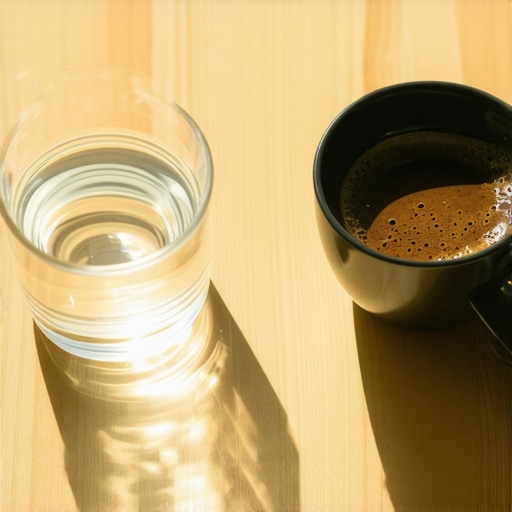
Wait Sixty Minutes Before You Touch Your Toothbrush
This is the mistake that almost cost me my enamel and sent me looking for emergency family dentistry tips for a lifetime of healthy smiles. After a cup of coffee, your mouth is an acidic battlefield. The acid softens your enamel temporarily, making it vulnerable. If you go in with a toothbrush right away, you aren’t just cleaning; you are literally scrubbing away your protective layer. It’s like trying to clean a mud-caked car with a dry, gravelly sponge—you’re going to leave permanent scratches. I used to brush immediately to ‘get the stains off,’ but my dentist pointed out that I was making my teeth more porous and prone to even deeper staining. Now, I wait at least an hour for my pH levels to stabilize. If you want to know how to maintain your white smile after a coffee habit, the number one rule is: let your saliva do its natural job of neutralizing the acid first.
Stop Treating Your Teeth Like Porous Sponges
If you find that your teeth are still darkening despite these habits, it might be because the structure of your teeth is naturally more absorbent. For some of us, our enamel is like a sponge rather than a shield. This is where professional intervention comes in. Sometimes, no amount of ‘rinsing and rolling’ can fix internal discoloration or thinning enamel. If you’re at the point where you’re considering a more permanent solution, understanding veneers vs crowns choosing the best option for your smile is crucial. Veneers act like a permanent, stain-resistant porcelain shield over the front of the tooth, which is a total game-changer for coffee lovers.
How to Tell if Surface Cleaning Just Isn’t Enough
I’ve seen friends try to ‘power through’ with heavy-duty whitening strips, only to end up with teeth that look translucent and ‘fake’ rather than naturally bright. It’s about balance. If your smile feels physically small or the stains are making your teeth look recessed, you might actually be looking for how to fix a smile that feels too narrow or small, which often involves a combination of cosmetic techniques. I treat my teeth like a classic car—daily maintenance keeps it shiny, but occasionally, you need a professional detailer to get those deep-set marks out and ensure your oral health stays intact for the long haul.
Don’t Fall for the Bulletproof Veneer Myth
Many people think that once they get porcelain shells, they can treat their mouth like a high-stain playground without consequences. I used to believe that because porcelain itself is non-porous, I was finally safe to drink my triple-shot espressos without a care in the world. But here is the advanced nuance: while the porcelain won’t stain, the resin cement used to bond it to your tooth is still vulnerable. If you aren’t careful, you’ll end up with a dark ‘halo’ around the edges of your expensive work. Before you dive in, you need to understand the truth about the durability of composite vs porcelain veneers. Composite can stain almost as fast as natural enamel, whereas porcelain stays bright but can reveal the staining of the underlying tooth or the adhesive if your hygiene slips. Have you ever noticed a tiny dark line at the gumline of a crown or veneer? That’s the ‘trap’ I’m talking about. 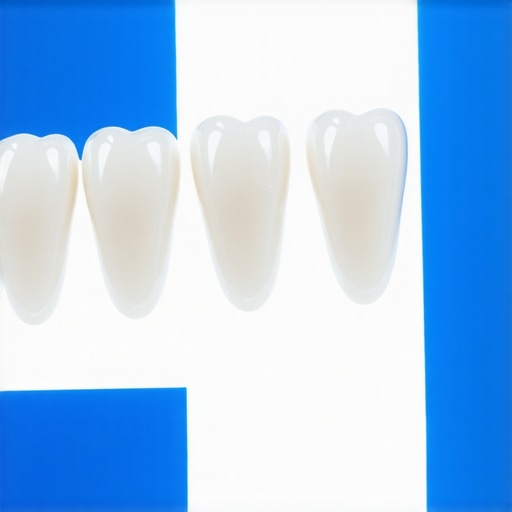
Why do my veneers look like glowing plastic under restaurant lights?
This is a question that separates the beginners from the experts. It’s called metamerism. Natural teeth have a complex way of reflecting and absorbing light, but if your cosmetic work is too opaque, it will look like ‘refrigerator white’ the moment you step out of the dental office. A study in the Journal of Esthetic and Restorative Dentistry found that metamerism is a leading cause of patient dissatisfaction because the teeth that looked great in the chair look ‘flat’ or ‘grey’ in a candlelit restaurant. This is why the reason your veneers look different in sunlight is so critical to discuss with your dentist during the trial phase. If you’re currently struggling with deep discoloration that seems to shine through everything, you might need to look into how to whiten your teeth if you have deep internal stains before even considering a surface-level fix like veneers.
Avoid the Refrigerator-White Trap
The biggest ‘oops’ factor I see is patients choosing the whitest shade on the guide, often called ‘BL1.’ In the world of cosmetic dentistry secrets to boost your confidence, the goal is actually natural vitality, not blinding brightness. When you go too white, the teeth lose their translucency at the edges, which is a dead giveaway for fake dental work. I’ve seen it happen—someone spends thousands only to realize they’ve fallen for the mistake that makes your teeth look too white and fake. To avoid this, you must learn how to pick the right shade for your new porcelain veneers by matching the whites of your eyes, not the white of your bathroom tile.
Is it normal for my dental work to feel sensitive to the weather?
Even the most advanced implants can have quirks. If you have a metal post in your jaw, you might notice that why your dental implant area is sensitive to cold weather is actually a common biological response to thermal conduction through the titanium. It doesn’t mean the implant is failing; it just means you’re more ‘wired’ into the environment than you used to be. Whether you are managing natural teeth or a full set of implants, the goal of family dentistry tips for a lifetime of healthy smiles is to treat the mouth as a living, breathing system. Have you ever fallen into the trap of thinking a procedure was ‘one and done’ only to realize it requires even more care? Let me know in the comments—I’d love to hear your experiences with the ‘perfect smile’ journey!Once you’ve made the leap into high-end dental work, the game changes from ‘reparation’ to ‘preservation.’ I had to overhaul my entire bathroom counter. I’m not just talking about a fancy toothpaste; I’m talking about specific mechanical tools that protect the investment. My absolute non-negotiable is the water flosser. While some think it’s a gimmick, it’s the only way I’ve found to effectively clear out the microscopic ‘trap’ where my veneers meet my natural gum line. If you ignore this area, you’ll eventually start wondering why your dental implant is showing a tiny dark line, which is usually a sign of tissue recession or bacterial buildup. I also swapped my standard manual brush for a sonic one with a pressure sensor. It sounds high-tech, but the real benefit is that it stops me from ‘power scrubbing’ and wearing down the glaze on my porcelain. You can find more transform your smile with veneers expert tips for perfect results if you want to get into the nitty-gritty of daily care.
How do I maintain the brilliance of my smile over time?
The secret is actually in your nocturnal habits. I never realized how much my stress-grinding was chipping away at my confidence—literally. A custom-fit night guard is your best friend here. If you’re currently deciding between veneers vs crowns choosing the best option for your smile, remember that both require protection from the sheer force of your jaw. I also recommend a professional ‘prophy’ polish every six months. Standard cleanings use a pumice paste that’s too abrasive for cosmetic work; I always ask my hygienist to use a specialty non-acidic polishing paste that maintains that ‘wet’ look without scratching the surface.
Why the Next Decade of Dentistry Changes Everything
Looking ahead, we are entering a phase where AI and 3D printing are making procedures almost unrecognizable from a decade ago. I’m particularly excited about the future of dental implants cutting edge techniques in cosmetic dentistry, specifically the use of Digital Smile Design (DSD) software which allows us to see the final result before a single tooth is even touched. We are moving toward a world where your replacement teeth are more durable and biocompatible than ever. Even now, dental implants 2025 innovations that redefine comfort and durability are making the recovery process much faster for anyone dealing with missing teeth from past coffee-related decay. 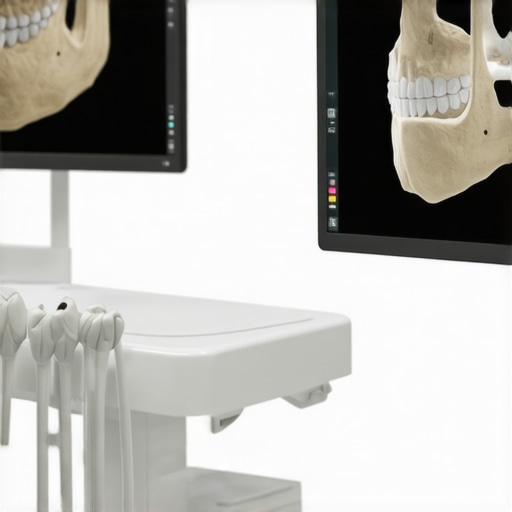 I really want you to take one step today: swap your string floss for a high-quality water flosser for a week and see how much less ‘fuzzy’ your dental work feels. Your gums—and your future self—will thank you.I’ll never forget looking at my reflection in a restaurant bathroom about three years ago. I’d just finished a double-shot americano—black, of course—and when I flashed a quick ‘check-your-teeth’ grin in the mirror, I stopped cold. My teeth didn’t just look a little yellow; they looked tired. They looked like they’d been soaking in a vat of mahogany wood stain. As someone who practically considers coffee a food group, the realization hit me hard: my favorite ritual was slowly erasing my confidence. I felt like I had to choose between my morning sanity and a bright smile.
Your Morning Brew Doesn’t Have to Ruin Your Smile
I’ve spent the last few years obsessively figuring out how to balance my deep love for a dark roast with the desire to keep my smile from looking like a piece of vintage stationery. I made every mistake in the book early on. I actually thought I could just scrub harder, which—spoiler alert—only made things worse. I even fell for the trend of using abrasive DIY hacks that did more harm than good. If you’ve ever wondered about the truth about charcoal toothpaste and your tooth enamel, let me tell you from experience: it’s a recipe for sensitivity, not just whiteness. Today, I’m going to share the exact routine I use to keep my teeth pearly while still enjoying my daily black coffee. We aren’t going to talk about quitting caffeine—because let’s be real, that’s not happening—but we are going to talk about smart habits and cosmetic dentistry secrets to boost your confidence without giving up your mug.
Is my caffeine addiction actually worth the yellow tint?
This is the question I asked myself every time I saw a new stain. You might be feeling that same skepticism. Is it even possible to fight the chemical reality of tannins? According to a study published in the Journal of Conservative Dentistry, coffee is one of the most common extrinsic staining agents due to its high acidity and chromogen content. But here is the good news: you don’t need to choose. By changing how you drink and how you treat your mouth immediately after, you can negate most of that damage. I used to think my only options were professional bleaching or living with the yellow. I didn’t realize that how to maintain your white smile after a coffee habit is really about the small, daily wins. Have you ever felt like you had to hide your smile in photos after a particularly ‘caffeinated’ week? Tell me I’m not the only one who has done the tight-lipped smirk to hide the stains! In the next section, I’ll dive into the specific ‘rinse and roll’ method I swear by, and why your choice of water might be more important than your choice of toothpaste.
Flush the Tannins with the Rinse and Roll Method
The ‘rinse and roll’ isn’t some complex dental surgery; it’s basically acting as your own personal janitor. Every time you take a sip of that dark, delicious roast, follow it up with a swig of water. I call it the ‘buffer effect.’ Think of your tooth enamel like a high-end marble countertop. If you spill red wine on marble and leave it, it stains. If you wipe it immediately with water, you’re golden. By swishing water around your mouth, you physically displace the chromogens—the color-producing compounds in coffee—before they can find a permanent home in the microscopic pores of your teeth. I remember one Tuesday morning when I was back-to-back on Zoom calls; I was chugging my cold brew and completely forgot my water bottle. By noon, my teeth didn’t just feel ‘fuzzy,’ they looked visibly dimmer in the webcam light. I started frantically rinsing in the kitchen sink like a madman once the calls ended. It taught me a vital lesson: the longer that acidity sits, the deeper it sinks. If you’re already dealing with sensitivity from past coffee habits, you should look into the safest way to whiten teeth with sensitive enamel to reset the clock without the ‘zing’ of pain.
Wait Sixty Minutes Before You Touch Your Toothbrush
This is the mistake that almost cost me my enamel and sent me looking for emergency family dentistry tips for a lifetime of healthy smiles. After a cup of coffee, your mouth is an acidic battlefield. The acid softens your enamel temporarily, making it vulnerable. If you go in with a toothbrush right away, you aren’t just cleaning; you are literally scrubbing away your protective layer. It’s like trying to clean a mud-caked car with a dry, gravelly sponge—you’re going to leave permanent scratches. I used to brush immediately to ‘get the stains off,’ but my dentist pointed out that I was making my teeth more porous and prone to even deeper staining. Now, I wait at least an hour for my pH levels to stabilize. If you want to know how to maintain your white smile after a coffee habit, the number one rule is: let your saliva do its natural job of neutralizing the acid first.
Stop Treating Your Teeth Like Porous Sponges
If you find that your teeth are still darkening despite these habits, it might be because the structure of your teeth is naturally more absorbent. For some of us, our enamel is like a sponge rather than a shield. This is where professional intervention comes in. Sometimes, no amount of ‘rinsing and rolling’ can fix internal discoloration or thinning enamel. If you’re at the point where you’re considering a more permanent solution, understanding veneers vs crowns choosing the best option for your smile is crucial. Veneers act like a permanent, stain-resistant porcelain shield over the front of the tooth, which is a total game-changer for coffee lovers.
How to Tell if Surface Cleaning Just Isn’t Enough
I’ve seen friends try to ‘power through’ with heavy-duty whitening strips, only to end up with teeth that look translucent and ‘fake’ rather than naturally bright. It’s about balance. If your smile feels physically small or the stains are making your teeth look recessed, you might actually be looking for how to fix a smile that feels too narrow or small, which often involves a combination of cosmetic techniques. I treat my teeth like a classic car—daily maintenance keeps it shiny, but occasionally, you need a professional detailer to get those deep-set marks out and ensure your oral health stays intact for the long haul.
Don’t Fall for the Bulletproof Veneer Myth
Many people think that once they get porcelain shells, they can treat their mouth like a high-stain playground without consequences. I used to believe that because porcelain itself is non-porous, I was finally safe to drink my triple-shot espressos without a care in the world. But here is the advanced nuance: while the porcelain won’t stain, the resin cement used to bond it to your tooth is still vulnerable. If you aren’t careful, you’ll end up with a dark ‘halo’ around the edges of your expensive work. Before you dive in, you need to understand the truth about the durability of composite vs porcelain veneers. Composite can stain almost as fast as natural enamel, whereas porcelain stays bright but can reveal the staining of the underlying tooth or the adhesive if your hygiene slips. Have you ever noticed a tiny dark line at the gumline of a crown or veneer? That’s the ‘trap’ I’m talking about.
Why do my veneers look like glowing plastic under restaurant lights?
This is a question that separates the beginners from the experts. It’s called metamerism. Natural teeth have a complex way of reflecting and absorbing light, but if your cosmetic work is too opaque, it will look like ‘refrigerator white’ the moment you step out of the dental office. A study in the Journal of Esthetic and Restorative Dentistry found that metamerism is a leading cause of patient dissatisfaction because the teeth that looked great in the chair look ‘flat’ or ‘grey’ in a candlelit restaurant. This is why the reason your veneers look different in sunlight is so critical to discuss with your dentist during the trial phase. If you’re currently struggling with deep discoloration that seems to shine through everything, you might need to look into how to whiten your teeth if you have deep internal stains before even considering a surface-level fix like veneers.
Avoid the Refrigerator-White Trap
The biggest ‘oops’ factor I see is patients choosing the whitest shade on the guide, often called ‘BL1.’ In the world of cosmetic dentistry secrets to boost your confidence, the goal is actually natural vitality, not blinding brightness. When you go too white, the teeth lose their translucency at the edges, which is a dead giveaway for fake dental work. I’ve seen it happen—someone spends thousands only to realize they’ve fallen for the mistake that makes your teeth look too white and fake. To avoid this, you must learn how to pick the right shade for your new porcelain veneers by matching the whites of your eyes, not the white of your bathroom tile.
Is it normal for my dental work to feel sensitive to the weather?
Even the most advanced implants can have quirks. If you have a metal post in your jaw, you might notice that why your dental implant area is sensitive to cold weather is actually a common biological response to thermal conduction through the titanium. It doesn’t mean the implant is failing; it just means you’re more ‘wired’ into the environment than you used to be. Whether you are managing natural teeth or a full set of implants, the goal of family dentistry tips for a lifetime of healthy smiles is to treat the mouth as a living, breathing system. Have you ever fallen into the trap of thinking a procedure was ‘one and done’ only to realize it requires even more care? Let me know in the comments—I’d love to hear your experiences with the ‘perfect smile’ journey!Once you’ve made the leap into high-end dental work, the game changes from ‘reparation’ to ‘preservation.’ I had to overhaul my entire bathroom counter. I’m not just talking about a fancy toothpaste; I’m talking about specific mechanical tools that protect the investment. My absolute non-negotiable is the water flosser. While some think it’s a gimmick, it’s the only way I’ve found to effectively clear out the microscopic ‘trap’ where my veneers meet my natural gum line. If you ignore this area, you’ll eventually start wondering why your dental implant is showing a tiny dark line, which is usually a sign of tissue recession or bacterial buildup. I also swapped my standard manual brush for a sonic one with a pressure sensor. It sounds high-tech, but the real benefit is that it stops me from ‘power scrubbing’ and wearing down the glaze on my porcelain. You can find more transform your smile with veneers expert tips for perfect results if you want to get into the nitty-gritty of daily care.
How do I maintain the brilliance of my smile over time?
The secret is actually in your nocturnal habits. I never realized how much my stress-grinding was chipping away at my confidence—literally. A custom-fit night guard is your best friend here. If you’re currently deciding between veneers vs crowns choosing the best option for your smile, remember that both require protection from the sheer force of your jaw. I also recommend a professional ‘prophy’ polish every six months. Standard cleanings use a pumice paste that’s too abrasive for cosmetic work; I always ask my hygienist to use a specialty non-acidic polishing paste that maintains that ‘wet’ look without scratching the surface.
Why the Next Decade of Dentistry Changes Everything
Looking ahead, we are entering a phase where AI and 3D printing are making procedures almost unrecognizable from a decade ago. I’m particularly excited about the future of dental implants cutting edge techniques in cosmetic dentistry, specifically the use of Digital Smile Design (DSD) software which allows us to see the final result before a single tooth is even touched. We are moving toward a world where your replacement teeth are more durable and biocompatible than ever. Even now, dental implants 2025 innovations that redefine comfort and durability are making the recovery process much faster for anyone dealing with missing teeth from past coffee-related decay. I really want you to take one step today: swap your string floss for a high-quality water flosser for a week and see how much less ‘fuzzy’ your dental work feels. Your gums—and your future self—will thank you.
Secrets the Shaded Guides Won’t Tell You
After years of obsessive maintenance, the biggest ‘lightbulb moment’ I had was realizing that your smile’s longevity isn’t about scrubbing harder, but managing your mouth’s chemistry. First, remember that perfection often looks fake; if you go whiter than the whites of your eyes, you lose the natural vitality that makes a smile attractive. Second, the gumline is the most common place where stain ‘halos’ form on dental work, so focusing your cleaning there is non-negotiable. Finally, I learned that a veneers transformation unlocking your best smile yet is a long-term commitment to care, not a shield that makes you invincible to stains.
My Daily Toolkit for a Stain-Free Life
To keep my smile bright while maintaining my caffeine habit, I rely on a few specific tools that I trust implicitly. I use a Sonic Toothbrush with a Pressure Sensor to ensure I never wear down my enamel or porcelain glaze. My High-Pressure Water Flosser is the only tool that truly clears out the tannins trapped between tight teeth. If you are still deciding between veneers vs crowns which is right for your smile, investing in these tools now will help preserve whatever choice you make. Lastly, I always wear a Custom-Fit Night Guard to prevent grinding from chipping my investment.
Take the First Step Toward Your Best Smile Yet
Maintaining a radiant smile while enjoying your morning brew is entirely possible with the right habits. Don’t let the fear of staining keep you from the confidence you deserve. By applying these cosmetic dentistry secrets to boost your confidence, you can enjoy your life and your look simultaneously. If you’re ready for a personalized plan, don’t hesitate to reach out to a professional today. What’s the one coffee habit you’re most afraid to give up for a whiter smile? Let me know in the comments below!