I remember standing in my bathroom, squinting into a magnifying mirror and wondering why one specific part of my mouth looked like a crime scene. While the rest of my gums were a healthy pink, the tissue surrounding my upper-right molar crown was a stubborn, dark red. It didn’t even hurt—it just looked angry. I made the classic mistake of thinking I just needed to scrub harder, but that only made it worse. Today, I’m going to share exactly why this happens and what we can do to fix it once and for all. If you’ve been wondering why your gums are sore after getting a new dental crown or why the color just won’t fade, you aren’t alone.
That Deep Red Band is a Signal You Should Not Ignore
When I first saw that discoloration, I felt a wave of regret. Was it my hygiene? Was the tooth rotting underneath? I’d spent so much time looking into cosmetic dentistry secrets to boost your confidence, yet here I was, afraid to even smile widely. It turns out, that dark red hue is usually a reaction to the biological width—the natural space your body needs between the crown and the bone. If a crown sits too deep, the gums become chronically inflamed. A study by the American Academy of Periodontology confirms that persistent localized redness around a restoration is often a sign of encroachment on this delicate space. This isn’t just about looks; it’s about your body literally fighting against a foreign object that’s pushed too far into its territory.
Is this dark red color a sign that my tooth is dying?
It is the fear we all have when we see a change like this. I spent weeks worrying about it until I finally learned how to tell if your dental crown is loose or just sensitive. Most of the time, the tooth itself is fine, but the gum tissue is essentially having an allergic or inflammatory reaction to the crown’s material or its fit. I once spent a fortune on a crown that was porcelain-fused-to-metal, only to realize later that the metal margin was the culprit behind that tattooed red look. Have you noticed the redness getting darker after you eat or brush? Let me know in the comments, because identifying the trigger is half the battle. If we don’t address it now, we might be looking at the reason your gums are receding around one specific tooth later on. Let’s dive into what actually causes this and the steps you can take with your dentist to get that healthy pink glow back.
Evaluate the Fit and Give Your Gums Space to Breathe
Think of your gum tissue like a high-end turtleneck sweater. If the collar is knit just a fraction of a millimeter too tight, your neck gets red and irritated. In dental terms, this is the biological width violation. If your crown is encroaging on the bone, no amount of flossing will fix the redness. I learned this the hard way when I spent three months using every antiseptic rinse on the market, only to find out my crown was essentially choking my jawbone. Your first move is to have a professional check the margins. This is often where the reason your culpeper dentist uses cbct scans instead of regular x-rays becomes clear; a 3D view can show exactly where the crown edge sits in relation to your bone.
Swap Out Your Scrubber for a Targeted Technique
When my gums were that angry red, my instinct was to clean the infection away with a stiff toothbrush. That is the dental equivalent of trying to heal a sunburn by scrubbing it with a loofah. You need to pivot to a soft-touch approach immediately. Use a specialized technique where you angle the bristles at 45 degrees toward the gum line, but apply almost zero pressure. I started using a water flosser on the lowest setting, and the relief was instant. If you are struggling with this, looking into the benefit of using a water flosser with your braces or crowns can be a total game-changer for reducing localized inflammation. Combine this with the best way to brush when you have sensitive gums to ensure you are not traumatizing the tissue further while it tries to heal.
Identify if the Metal Margin is the Culprit
Some older crowns use a metal base with porcelain baked on top. Over time, as the gum reacts or recedes slightly, that metal edge becomes a source of chronic irritation or even a tattooed effect on the tissue. I once had a patient who thought they had a massive infection, but it was actually a mild nickel allergy to the base of their crown. If your gum looks dark red or even slightly purple, ask your dentist about all-ceramic or zirconia options. This is a common crossroad where you have to decide between veneers vs crowns choosing the best option for your smile. Modern materials like zirconia are biocompatible, meaning your body does not view them as a threat.
Consider Crown Lengthening for a Permanent Reset
If the fit is the issue, the core of the solution is often a minor surgical adjustment called crown lengthening. Don’t let the name intimidate you. It is essentially a gum lift where a tiny amount of tissue is reshaped to give the crown the clearance it needs. When I finally bit the bullet and had this done on my upper molar, the transformation was wild. Within two weeks, that deep, angry crimson turned into a calm, pale pink. It solved the problem because it addressed the root cause—physical space—rather than just the symptoms. It is a far more effective long-term strategy than trying how to stop your gums from receding without painful surgery later down the line once the damage is permanent.Moving beyond the physical fit of a crown, we need to discuss the materials and aesthetics that define modern family dentistry tips for a lifetime of healthy smiles. One of the biggest misconceptions I see in the clinic is the idea that perfect means perfectly white and perfectly straight. We have been conditioned by social media to want teeth that look like identical white blocks. But here is the contrarian truth: real beauty lies in the subtle imperfections and natural variations. If your restorations do not have slight translucency at the edges or micro-textures on the surface, they will never look natural. This is often the reason your veneers look different in sunlight compared to the clinical light of a dentist’s chair. Natural enamel is semi-translucent; it is not an opaque block of solid color. When you push for the absolute whitest shade on the chart, you are actually committing the mistake that makes your teeth look too white and fake. Have you ever fallen into this trap of thinking whiter is always better? Let me know in the comments.
Why do my new teeth look flat even though they are very white?
This sophisticated concern usually boils down to what experts call incisal characterization. According to research published in the Journal of Esthetic and Restorative Dentistry, the most successful aesthetic restorations are those that mimic the natural optical properties and internal structures of a real tooth. If the porcelain material is too opaque, it reflects light like a flat wall rather than allowing it to penetrate and scatter. This is a critical factor when you are weighing veneers vs crowns which is right for your smile.
Watch Out for the No-Prep Bulkiness Trap
Another nuance that even savvy patients often miss is the trade-off with no-prep veneers. Many people are terrified of losing their natural enamel, so they demand a solution that requires zero drilling. While this sounds ideal in theory, adding a layer of porcelain on top of an existing tooth without any reduction often explains why your veneers feel bulkier than your natural teeth. This extra thickness does not just look artificial; it creates a tiny shelf at the gum line that acts as a magnet for plaque. If you are weighing the truth about the durability of composite vs porcelain veneers, remember that a micro-preparation usually leads to a much more hygienic and naturally contoured result. When we look at transform your smile with veneers expert tips for perfect results, the goal is always a seamless transition where the tooth meets the gum. If you want to see how these advanced materials can work for your specific needs, you can always contact us to discuss a personalized plan.
The Toolkit That Keeps My Porcelain Intact
Once you have made the leap into high-end cosmetic work, the game changes from acquisition to preservation. I have found that the standard ‘brush twice a day’ advice is dangerously insufficient for someone with a full set of veneers or a complex dental implant. Personally, I swear by a dual-action approach: a high-quality sonic toothbrush equipped with a pressure sensor and a dedicated water flosser. The pressure sensor is non-negotiable because even a slight over-scrubbing can lead to the very issues we discussed earlier, such as the reason your gums are receding around one specific tooth. I use the water flosser on a medium setting to clear the ‘micro-junctions’ where the porcelain meets the natural tooth, as this is the primary site for potential failure. If you are managing restorations, understanding the benefit of using a water flosser with your braces or crowns is the best way to ensure no plaque accumulates in those hard-to-reach margins.
Protect Your Smile While You Sleep or Pay the Price Later
If you’ve invested in veneers transformation unlocking your best smile yet, your biggest enemy isn’t coffee or wine—it’s your own jaw. Bruxing, or nocturnal grinding, is the leading cause of porcelain fractures. I never go to sleep without a custom-fitted occlusal guard. Do not settle for the ‘boil and bite’ versions from the drugstore; they lack the precision needed to distribute force evenly across your bite. Dr. Pascal Magne, a renowned expert in biomimetic dentistry, highlights in his technical literature that the goal of any restoration is to mimic the natural flexibility of a tooth. However, porcelain is inherently brittle under shear force. A custom guard acts as a shock absorber. You also need to know how to clean your night guard without damaging the material, because a bacteria-laden guard is just a recipe for gum inflammation. 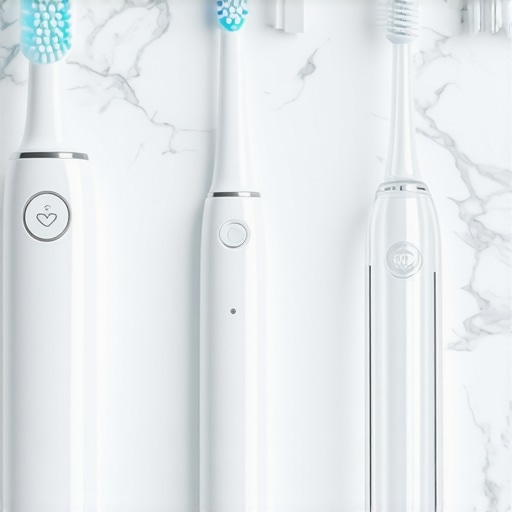
How do I make my cosmetic work last twenty years instead of ten?
Longevity is a result of mechanical respect and chemical balance. Beyond the physical tools, I pay close attention to the pH of my mouth. Acidic environments soften the cement used in veneers vs crowns choosing the best option for your smile. I avoid sipping on lemon water or soda throughout the day, and I always rinse with plain water after eating anything acidic. Looking toward the future, I predict we will see the rise of ‘Smart Restorations.’ We are already seeing dental implants 2025 innovations that redefine comfort and durability, and soon, we may have sensors embedded in crowns that alert us via smartphone when a bond is weakening. For now, the best strategy is staying consistent with family dentistry tips for a lifetime of healthy smiles. My advanced tip for you today: switch to a high-fluoride, low-abrasive toothpaste—specifically one with a low RDA (Relative Dentin Abrasivity) score—to keep your porcelain polished without scratching the surface. If you’re unsure which products are safe for your specific work, don’t hesitate to contact us for a professional recommendation.
The Realities I Only Discovered After Three Crown Procedures
After years of trial and error with my own smile, I have realized that the most expensive crown in the world won’t look good if the ‘pink frame’ around it is angry and red. One of my biggest lightbulb moments was realizing that the gum line is just as important as the tooth itself. If you focus solely on the porcelain and ignore the biological width, you will never achieve that seamless look. Another lesson is that you must be your own advocate when it comes to aesthetics; it is vital to know how to pick the right shade for your new porcelain veneers before the final cement is applied. Finally, remember that your mouth is a dynamic, living system. What fits perfectly today might need a tweak in a decade as your bone structure naturally shifts. Staying ahead of these changes is what separates a ten-year smile from a forty-year smile.
The Three Non-Negotiables for Your Bathroom Counter
To keep your investment looking pristine, you need more than just a standard toothbrush. Here are the tools I personally trust and recommend to anyone with high-end dental work:
- The Low-Abrasive Paste: I look for toothpastes with a low RDA score to ensure I am not micro-scratching the porcelain surface, which can lead to staining over time.
- The Water Flosser: This is my go-to for cleaning the delicate margins where the crown meets the gum, especially if you have previously worried about why your gums are sore after getting a new dental crown.
- The Custom Night Guard: This is the ultimate insurance policy. It protects your porcelain from the immense pressure of nighttime grinding, which is the number one cause of crown failure.
Your Path to a Confident, Healthy Smile Starts Now
Taking care of your smile is a journey, not a one-time event. Whether you are looking into the future of dental implants cutting edge techniques in cosmetic dentistry or simply trying to get your current gums back to a healthy pink, the most important step is consistency. Don’t be afraid to ask your dentist the tough questions about fit and materials. You deserve a smile that not only looks incredible in photos but feels comfortable every single day. We are entering an era where technology like how dental implants reshape your oral health in 2025 will make these processes even more precise, so stay curious and stay proactive. If you ever feel like something isn’t quite right with your restoration, trust your gut and seek a professional opinion. Have you ever noticed a persistent red line around a crown that just wouldn’t go away no matter how much you brushed? Let me know in the comments below.