I remember the exact moment I realized my smile wasn’t as invincible as I thought. I was standing in my kitchen, a crisp Honeycrisp apple in hand. One big bite in, and I felt a sensation that wasn’t quite pain, but a terrifying lack of support—like my front teeth were suddenly made of balsa wood. I actually stopped chewing and ran to the bathroom mirror to make sure my teeth were still there. It’s a visceral kind of fear. I’ve always tried to follow family dentistry tips for a lifetime of healthy smiles, but I made a huge mistake early on: I assumed that if nothing bled, nothing was wrong. I ignored that ‘weak’ feeling for months, only to find out I was dealing with underlying structural issues. Today, we’re going to peel back the layers on why your teeth feel like they might snap under pressure and how we can get that bite-force back.
That terrifying moment when the apple wins
It’s not just in your head. When your front teeth feel weak, your body is sending you a high-priority flare. For me, the culprit was a mix of thinning enamel and a habit I didn’t even know I had: nocturnal grinding. You might find a similar link if you’ve noticed the connection between frequent headaches and grinding your teeth. Sometimes, that ‘weakness’ is actually a microscopic fracture. According to the American Association of Endodontists, cracked tooth syndrome is a leading cause of biting sensitivity because the pressure of chewing opens the crack, and the release of that pressure causes a sharp, ‘weak’ sensation. It’s why you might feel why your tooth hurts only when you release a bite rather than when you first clamp down. We aren’t just talking about a little sensitivity here; we’re talking about the integrity of your smile. [image_placeholder]
Is this just a sign that I am getting old
You might be tempted to think this is just a natural part of aging, but that’s a dangerous trap. I’ve seen people lose perfectly good teeth because they thought ‘weakness’ was just something you deal with after forty. Whether it’s a need for a structural reinforcement or exploring cosmetic dentistry secrets to boost your confidence, there is always a way to fix the foundation. Have you ever felt that sudden, sinking feeling that your teeth just aren’t ‘holding’ like they used to? Let me know, because you definitely aren’t alone in this.
Identify the crack before the break
I’ll never forget the Tuesday I decided to ‘test’ my weak front tooth with a baby carrot. I thought if I could crunch through it, I was just being paranoid. Instead, I heard a sound like a dry twig snapping. It didn’t fall out, but that ‘click’ was my cue to learn how to handle a cracked tooth until you reach the dentist. The first real step in fixing that weak feeling is a physical audit. You need to identify if the sensation happens when you bite down or when you let go. If it’s the release, you’re likely looking at a structural crack that’s acting like a tiny hinge. Don’t wait for it to split. Use a tongue depressor or the blunt end of a clean spoon at home to gently apply pressure to individual cusps. If one specific spot sends a jolt, you’ve found your culprit.
Choose the right shield for your smile
Once you know the tooth isn’t physically split in half, you have to look at reinforcement. Think of your enamel like the shingles on a roof. Once they wear thin, the structure underneath is vulnerable. This is where you have to decide between different types of ‘armor.’ I spent weeks debating veneers vs crowns choosing the best option for your smile. A crown is like a helmet that covers the whole tooth, providing maximum support, while veneers are more like a protective shield for the front. However, you have to be careful with the choice because porcelain veneers sometimes cause sensitivity to cold drinks if the prep work isn’t perfect. You also need to weigh the truth about the durability of composite vs porcelain veneers to ensure your fix actually lasts through the next apple season.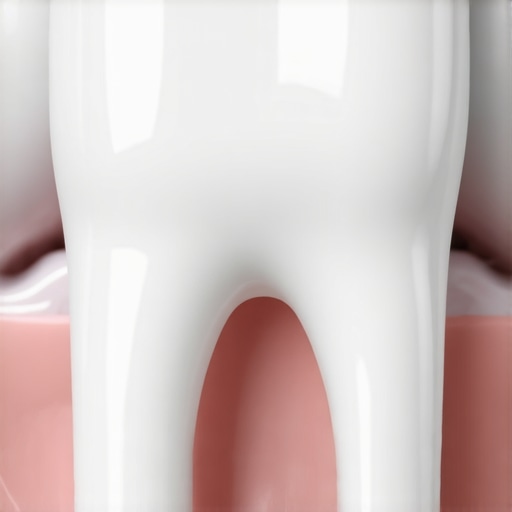
Stop the nightly grind to save your roots
If your teeth feel weak but look fine, you’re likely a ‘clencher.’ I used to wake up with a dull throb in my jaw, which I eventually realized was linked to the connection between frequent headaches and grinding your teeth. Think of it like running a car engine in the red for eight hours every night. Eventually, the mounting bolts—the ligaments holding your teeth—get fatigued and feel loose. Getting a custom guard isn’t just about saving your enamel; it’s about giving those ligaments a rest so they can ‘tighten’ back up. You can check for this at home by looking for ‘scalloped’ edges on your tongue or white lines on the inside of your cheeks; both are classic signs your jaw is under siege while you sleep.
Replace the foundation when repairs aren’t enough
Sometimes, the ‘balsa wood’ feeling is because the root itself is failing or the tooth is past the point of a simple filling. When I finally had to face the music about my failing molar, I realized that how dental implants reshape your oral health in 2025 is completely different than it was ten years ago. If the foundation is rotted, you don’t keep patching the drywall. You pull the old post and put in a titanium one. It feels more ‘real’ than a natural tooth once it heals because it’s literally fused to your jawbone. This isn’t just about looks; it’s about regaining the ability to chew without calculating the ‘risk’ of every bite.
The trap of the blindingly white smile
Most people walk into a dental office with one goal: they want teeth as white as a piece of printer paper. But here is the contrarian truth that high-end cosmetic dentists know but rarely explain: if your teeth are monochromatic and perfectly opaque, they will look like plastic dentures. Real teeth have a gradient of translucency and slight color variations from the gum line to the tip. Falling for the mistake that makes your teeth look too white and fake is the fastest way to regret your investment. A study published in the Journal of Prosthetic Dentistry highlights that the perceived ‘naturalness’ of a restoration is actually determined by light reflection and internal translucency rather than just the ‘Value’ (brightness) of the porcelain. If you don’t account for how light passes through the edge of the tooth, it will look ‘dead’ in photos. This is why it is so critical to learn how to pick the right shade for your new porcelain veneers before the lab starts their work. 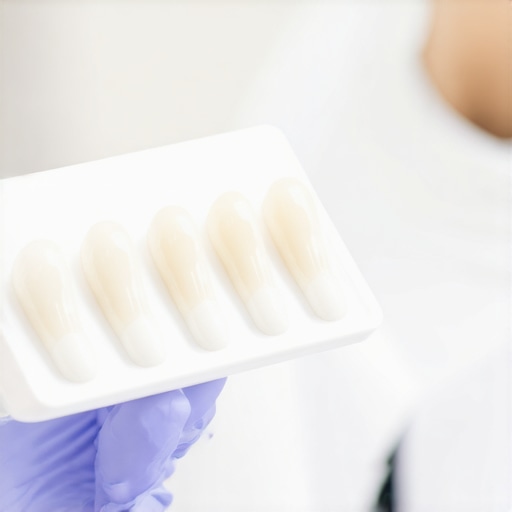
Why your new veneers might feel like they don’t fit
The biggest ‘oops’ factor I see isn’t actually the color; it’s the thickness. There is a common misconception that you can just ‘snap’ veneers over your existing teeth without any preparation. However, if a dentist doesn’t carefully remove a microscopic layer of enamel first, the final result will be ‘over-contoured.’ This is why your veneers feel bulkier than your natural teeth and can even lead to speech impediments or chronic gum inflammation because the porcelain is ‘crowding’ your lip. It’s about more than just cosmetic dentistry secrets to boost your confidence; it’s about the structural bio-mechanics of your mouth. When the veneer is too thick, it catches food at the gum line, leading to the very decay you were trying to avoid. Have you ever felt like your dental work was ‘taking up too much room’ in your mouth? Let me know in the comments, because that is usually a sign of a technical error, not just ‘getting used to it.’
Why does my dental implant feel like it is vibrating?
This is a sophisticated nuance that most patients aren’t prepared for. Because a dental implant is fused directly to the bone (osseointegration) and lacks the periodontal ligament—the ‘shock absorber’—of a natural tooth, it conducts sound and vibration differently. You might notice why your dental implant feels like its vibrating when you talk or when you hum. It isn’t ‘loose’; it’s actually too solid. It’s a sign of a successful fusion, but it can be jarring if your practitioner hasn’t warned you. As we look at the future of dental implants cutting edge techniques in cosmetic dentistry, we are seeing new materials designed to mimic that natural ‘give,’ but for now, understanding this acoustic difference is key to peace of mind. Whether you are navigating veneers vs crowns which is right for your smile or getting your first implant, remember: the best dentistry is the kind that nobody—not even your own tongue—can detect.Maintaining a high-end smile isn’t just about brushing twice a day; it’s about the precision of your tools and the consistency of your habits. I’ve become a bit of a fanatic about my water flosser. Most people use it on the highest setting, but that’s a mistake for cosmetic work. I keep mine on a middle setting to ensure I’m flushing out debris without aggravating the margins of my restorations. This is the real secret to flossing when your teeth are tightly crowded or when you have delicate work like veneers. I also swear by a sonic toothbrush with a built-in pressure sensor. If you push too hard, you’re not just cleaning; you’re sanding down your gum line, which is often the reason your gums are receding around one specific tooth. 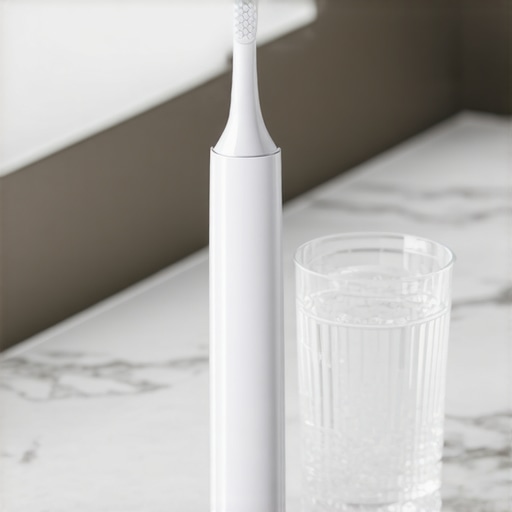
How do I keep my dental work looking new for a decade?
The key is what I call ‘preventative polishing.’ When you go for a professional cleaning, ensure your hygienist isn’t using a heavy-handed abrasive grit on your porcelain. You need a specialized polishing paste, often alumina-based, to maintain that mirror finish. According to a study in the Journal of Esthetic and Restorative Dentistry, the surface roughness of porcelain significantly increases the likelihood of plaque accumulation and staining if the original glaze is compromised by improper cleaning. This is why you must know how to maintain your white smile after a coffee habit without resorting to abrasive DIY hacks that can scratch the surface. I also recommend a strict monthly deep-clean for your protective gear; learning how to clean your night guard without damaging the material is just as important as the guard itself. I am seeing a massive shift toward ‘Dental Monitoring’ apps that use smartphone cameras to track health. In the next few years, I predict we’ll all be using our phones to take high-res weekly scans that AI compares against our baseline to detect microscopic shifts or chips before they become painful emergencies. This tech will build on the precision we see now, like the reason your culpeper dentist uses cbct scans instead of regular x-rays, making family dentistry tips for a lifetime of healthy smiles more data-driven than ever before. Don’t let your investment sit idle. My best tip for you tonight is to take a high-resolution photo of your smile with your flash on. It’s your baseline. If you notice a change in translucency or a tiny ‘matte’ spot in a month, that’s your cue to contact us before a small fix becomes a full replacement.
The Realities of Modern Dental Resilience
I’ve realized that a healthy smile is less about luck and more about proactive observation. One of the biggest lightbulb moments was understanding that ‘weakness’ is often a silent plea for structural help, not just a nuisance. I also learned that you shouldn’t be afraid to ask for specifics; seeing how dental implants reshape your oral health in 2025 gave me the confidence to choose a permanent solution over a temporary patch. Finally, I discovered that the best results come from a partnership with your provider—don’t just be a patient, be an informed advocate for your own health.
The Non-Negotiables for Your Daily Routine
If you want your dental investment to outlast your car, you need a specific arsenal. First, I recommend a high-quality sonic toothbrush with a pressure sensor to prevent gum recession. Second, I swear by using an alkaline mouth rinse to neutralize acids that wear down your enamel. Third, always review expert tips for perfect results when considering any cosmetic upgrades to ensure you are choosing quality over a quick fix. These tools, combined with regular professional checkups, are what keep a smile looking vibrant for decades. #IMAGE_PLACEHOLDER_E#
Your Path to a Fearless Smile
Don’t let the fear of a ‘weak’ tooth keep you from enjoying life’s simple pleasures, whether it’s a crisp apple or a confident laugh. Technology has evolved so much that there is a solution for every level of damage, and the peace of mind that comes with a restored bite is priceless. It’s time to lean into the support of modern family dentistry tips for a lifetime of healthy smiles and reclaim the strength your smile deserves. Have you ever felt that terrifying moment of a ‘weak’ tooth, and what did you do to fix it? Let me know in the comments below!