I’ve been there, sweating through my shirt while my son, Leo, performed an Olympic-level floor routine in the middle of a dental lobby. It was visceral. The sharp, sterile smell of the office and the high-pitched whine of a drill from down the hall turned my sweet boy into a human octopus. Limbs were flailing, and he was clinging to the doorframe like his life depended on it. I felt like a total failure. I had read the picture books and bought the sparkle toothpaste, but none of it prepared me for the sheer terror in his eyes. It wasn’t just a tantrum; it was a bone-deep fear that made me want to just turn around and drive home. Every other parent in that room seemed to have a perfectly behaved child, while I was the one wrestling a toddler into a chair. Today, I’m pulling back the curtain on how I moved past that nightmare and found a routine that actually works. I want to show you how to turn that dental chair from a ‘seat of doom’ into just another part of your routine using the same family dentistry tips for a lifetime of healthy smiles that finally gave us some peace.
Stop the Waiting Room Meltdown Before it Starts
One of the biggest mistakes I made early on was being way too secretive about the whole thing. I thought if I didn’t mention the dentist until we were pulling into the parking lot, I’d magically skip the hours of anticipation anxiety. I was dead wrong. All I did was break his trust. Trust is the only currency you have as a parent, and I was bankrupting us before we even saw a lab coat. According to the American Academy of Pediatric Dentistry, nearly 20% of school-age children experience significant dental fear. It is a real, physiological response, not just ‘bad behavior.’ If you are currently struggling just to get a brush past their lips at home, you might need to look at how to get your toddler to stop biting the toothbrush before you even think about a professional cleaning. We had to learn the hard way that 4 ways to manage dental anxiety without using heavy sedation often start with the tiny habits you build in your own bathroom weeks before the appointment. [image_placeholder_1]
Is it actually possible to have a tear-free visit?
I used to be the biggest skeptic about this. I truly believed my child was just ‘wired differently’ and would always be the one the hygienists whispered about in the breakroom. But here’s the thing: kids are like little sponges for our own stress. If you’re gripping the armrest and staring with wide eyes, they’re going to assume there is a predator in the room. I had to learn to mask my own dental trauma to help him feel safe. Have you ever had to carry a screaming toddler out of a waiting room while feeling like every other parent was judging your life choices? It’s a lonely, exhausting feeling, but I promise you aren’t alone. Even knowing things like how to handle a knocked-out baby tooth without panicking helps you project that ‘cool, calm, and collected’ aura your child needs to see. We are going to break down the ‘Why’ behind their fear and the ‘How’ of fixing it forever.
Turn Your Bathroom into a Practice Lab
To move from the parking lot panic to a sitting-still success, you need a blueprint that treats the dentist like a fun field trip rather than a chore. Here is exactly how we flipped the script. We started with the ‘Tell-Show-Do’ method right in our own bathroom. I didn’t just tell Leo to brush; I showed him exactly what the hygienist would do using a small flashlight and the back of a spoon. It’s like training for a sport—you wouldn’t expect a kid to hit a home run without ever holding a bat. One evening, I sat on the cold tile floor and let Leo ‘examine’ my teeth. He poked around, laughed at my ‘giant’ molars, and eventually got comfortable with the idea of someone looking inside his mouth. This simple roleplay is how we learned how to tell if your toddler has a cavity or a stained groove without a single tear being shed. 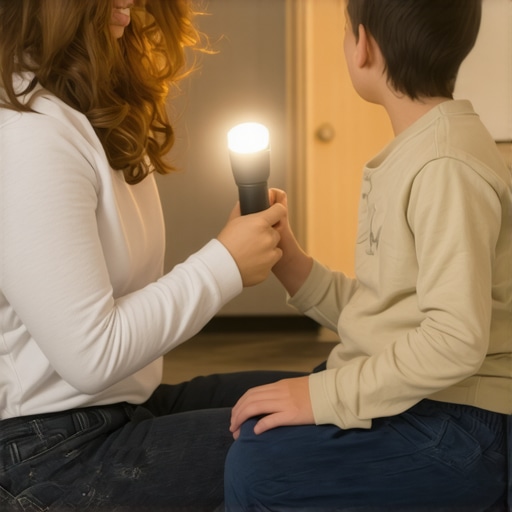
Switch Up the Sensory Experience
For many kids, the ‘scary’ part of the dentist isn’t the pain—it’s the sensory overload. The smell of fluoride and the zing of mint can be overwhelming. If your child has a sensitive gag reflex or just hates the taste of traditional dental products, you might need to investigate why your child refuses to use mint toothpaste and what to use instead. We switched to a flavorless paste for home practice, which removed one layer of the ‘fear onion’ we were peeling back. We also brought noise-canceling headphones to the last visit. Having him listen to his favorite upbeat soundtrack while the ultrasonic cleaner hummed away made him feel like he was in a bubble of safety rather than a clinical chair.
Track the Developmental Milestones Together
You can turn dental health into a point of pride by involving them in the ‘science’ of their own mouth. When Leo realized he was getting older, we started talking about the future of his smile. Knowing the best age to start looking at orthodontic options for your children gave us a roadmap. Instead of the dentist being a person who ‘fixes’ things, they became a coach helping him grow his ‘grown-up’ teeth. We even had a fascinating conversation with our dentist about the reason your child has two rows of teeth at once, which Leo thought made him look like a shark. Embracing the weirdness of losing teeth helps take the ‘medical’ weight off the visit.
Watch for Stress Signals at Night
Sometimes the anxiety doesn’t show up in a scream; it shows up in their sleep. If you notice your little one is restless, it’s worth asking why your child is still grinding their teeth at age six. For Leo, the grinding was a physical manifestation of his daytime worries. Once we started using these ‘how-to’ steps and normalized the dental office as a place of learning, the grinding actually started to subside. We focused on heavy praise after every ‘win,’ no matter how small. Even if he only let the dentist count three teeth, we celebrated it like he’d won a gold medal. This positive reinforcement builds a ‘memory bank’ of success that they can draw from when the next six-month checkup rolls around.Let’s dig deeper into what happens when the ‘practice lab’ phase is over and you’re looking at long-term restorative choices for yourself. Most people assume that once you transition into adult restorative care, like getting veneers, the goal is to get the whitest teeth possible. That is actually the biggest mistake you can make. If your teeth are too white, they lose their natural translucency and end up looking like artificial blocks. This is often why your porcelain veneers look opaque and not natural. Real teeth have layers, character, and depth. When you’re looking for cosmetic dentistry secrets to boost your confidence, the secret isn’t blinding perfection—it’s believability.
Stop Chasing the Hollywood White Trap
I’ve seen so many patients fall into the trap of wanting a ‘Level 0’ white, only to realize their teeth look fluorescent in a dim restaurant. This is because natural light interacts with porcelain differently than it does with natural enamel. A common ‘oops’ factor is forgetting to check your shade samples in varied lighting conditions before the final bonding. You might find that your veneers look different in sunlight versus indoor lighting, which can be a jarring surprise if you only looked at the tiny plastic tab in the sterile dentist’s office. 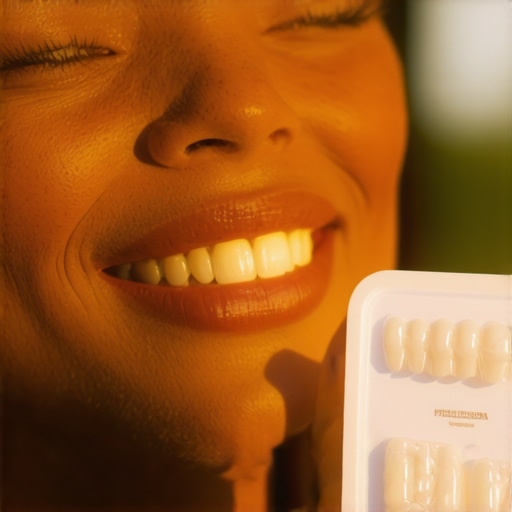
Why do your new restorations feel foreign when you speak?
If you’ve ever had restorative work and felt like you were suddenly struggling with your speech, you aren’t alone. It’s often because the ‘incisal edge’ (the biting edge) was lengthened just a millimeter too much, disrupting your tongue’s natural path. This is a nuance many overlook: your brain has a ‘map’ of your mouth that has been the same for decades. When we change that map, even slightly, it affects your phonetics. This is specifically why your veneers feel thick and bulky when you try to say the letter s.
The Hidden Reason Your Implant Might Not Last a Lifetime
There is a common myth that dental implants are ‘indestructible’ because they are made of medical-grade titanium. While the metal won’t decay like a tooth, the bone and gum tissue surrounding it are still susceptible to infection. According to a landmark study in the Journal of Clinical Periodontology, peri-implantitis affects nearly 20% of patients if they don’t maintain a strict hygiene protocol and professional monitoring. You cannot treat an implant like a ‘set it and forget it’ device. Understanding the truth about the lifespan of a dental implant means realizing that your body’s biological health—specifically your bone density—dictates the success. This is where advanced tech comes in. You should ask what your Culpeper dentist sees on a CBCT scan that a standard X-ray misses, because seeing the 3D volume of your bone is the only way to avoid the ‘trap’ of placing an implant in a failing foundation. Have you ever fallen into this trap or felt like a dental procedure didn’t quite match your expectations? Let me know in the comments.I’ve realized that the ‘high-maintenance’ label for cosmetic work is actually a bit of a myth; it’s more about being ‘precision-focused.’ If you’ve invested in your look, you can’t use a cheap manual toothbrush and hope for the best. I personally swear by the Philips Sonicare ProtectiveClean 6100 because it features a 62g pressure sensor that pulses if you press too hard. This is vital because aggressive brushing is among the 6 habits that cause your porcelain veneers to pop off unexpectedly. You spent time and money on that porcelain; don’t scrub it away like you’re cleaning a tile grout line.
How do I keep my dental work looking brand new for decades?
The secret isn’t just brushing; it’s the tools you use in the ‘dark zones’ between teeth where standard brushes can’t reach. For my friends with implants, I always suggest the Waterpik with the ‘Plaque Seeker’ tip. It has three thin tufts of bristles specifically designed to sweep around the titanium post without scratching the surface. According to the International Journal of Oral & Maxillofacial Implants, mechanical stress from an improper bite and plaque buildup are the primary drivers of restoration failure. If you aren’t using these specialized tools, you are leaving your health to chance. These are part of the 3 secrets to making your porcelain veneers last twenty years that most people ignore until a chip happens. 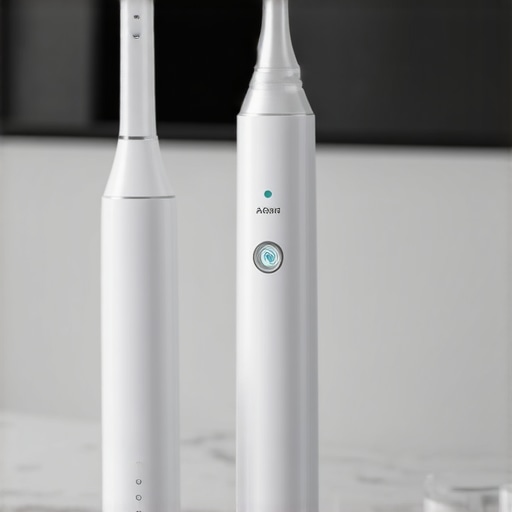
Smart teeth and the future of restorative care
Looking ahead, we’re seeing a massive shift in how we track dental results through biological monitoring. In 2025, expect to see the rise of ‘smart’ restorations. We are entering an era of dental implants 2025 innovations that redefine comfort and durability where embedded sensors might actually alert your smartphone if your gum tissue shows early signs of inflammation. It sounds like science fiction, but how dental implants reshape your oral health in 2025 is already becoming the new standard for longevity. If you’re currently dealing with a minor issue, such as learning how to fix a chipped veneer without replacing the whole unit, take it as a wake-up call to tighten your home care routine. My challenge to you: switch to a high-quality electric toothbrush with a pressure sensor this week and see how much less ‘raw’ your gums feel. It is the simplest way to protect your cosmetic dentistry secrets to boost your confidence for the long haul.
The Real Psychology Behind a Lifetime of Dental Success
After years of navigating both pediatric meltdowns and the nuances of restorative care, I’ve realized that the most significant part of the journey happens outside the clinic walls. I used to think a perfect smile was just about the technical skill of the doctor, but I learned that cosmetic dentistry secrets to boost your confidence are actually rooted in how we view ourselves daily. When we shift from ‘fixing’ problems to ‘nurturing’ health, the anxiety starts to melt away. For parents, remember that your attitude is the blueprint your child follows. If you treat family dentistry tips for a lifetime of healthy smiles as a source of empowerment rather than a chore, you’re giving them a gift that lasts long after they leave the house. I’ve seen firsthand how a little bit of preparation can turn a ‘doom chair’ into a place of pride and growth.
My Non-Negotiable Kit for Protecting Your Investment
If you have invested in your smile, whether through whitening or restorations, you cannot leave the results to chance with subpar tools. I swear by a specific routine that keeps my own dental work in top shape. First, use a brush with a pressure sensor; it is the most practical way to learn how to pick a toothbrush that wont destroy your enamel. Second, never underestimate the power of specialized cleaning tips for the ‘dark zones’ between your teeth. This is one of the 3 secrets to making your porcelain veneers last twenty years that most people overlook until they see their results fading. [IMAGE_PLACEHOLDER_FINAL] Finally, stay curious about the future. Staying informed on how dental implants reshape your oral health in 2025 ensures you are never surprised by new tech—you’re ready for it.
Take the First Step Toward Your Best Smile
The transition from dental fear to dental confidence doesn’t happen overnight, but it starts with a single decision to prioritize your well-being. Whether you’re trying to stop a toddler’s tantrum or considering a total smile makeover, the resources are there to support you. You don’t have to do this alone or in the dark. If you are ready to reclaim the joy in your reflection and move past the anxiety of the past, you can always contact us to start a conversation that focuses on your comfort first. You deserve a smile that reflects the best version of yourself, built on a foundation of trust and modern care. Have you ever felt like your dental anxiety was the only thing holding you back from the smile you really wanted? Let me know in the comments below.