I remember one Tuesday evening, slumped on the sofa after a particularly brutal board meeting, when I realized I could not even finish my soup without a dull, radiating ache in my molars. I did not have a cavity. I had not chipped anything. Yet, my mouth felt like it had been through ten rounds in a boxing ring. It is that weird, phantom soreness that creeps in right when your brain is already fried. If you have ever felt like your smile is physically heavy or your gums are pulsing after a long shift, you are not imagining things—and you definitely are not alone. Today, I want to walk you through exactly why your body chooses your mouth as its favorite stress-venting spot and how you can find some actual relief before you end up needing a cosmetic dentistry intervention. Have you ever woken up after a major deadline and felt like your teeth did not quite fit together right? Send me a message or leave a comment, because I would love to know if your jaw is as sensitive to spreadsheets as mine is.
Your Brain Is Stressed But Your Jaw Is Paying the Bill
Stress does not just live in your thoughts; it is a physical weight that often settles right in the temporomandibular joint. When we are under the gun, our bodies go into a primitive fight-or-flight mode. For many of us, that means clenching our teeth together with hundreds of pounds of pressure without even realizing it. I made the mistake early on of assuming this pain meant I had a massive infection. I rushed to the clinic, convinced I needed a root canal, only to find out I was just biting down like a vice every time I checked my email. This habit, known as bruxism, can lead to serious wear, making you wonder if you should look into veneers vs crowns just to restore what you have ground away. Even something as simple as the reason your jaw feels tight after a long phone call can be traced back to this subconscious muscle tension. According to the American Psychological Association, chronic stress is linked to persistent muscle tension throughout the body, and the jaw is one of the most common areas for this tension to manifest. This is not just a mental hurdle; it is a physical strain that can actually cause your veneers to feel tight in the morning or make your gums feel tender.
Is this phantom pain just a sign of getting older?
It is easy to dismiss a sore mouth as a side effect of aging or perhaps just a one-off fluke. However, the reality is that stress-induced soreness can happen at any age, and if left unchecked, it can lead to long-term issues like cracked enamel or receding gums. You might even find why your gums look receding even though you dont have gum disease is actually due to the trauma of constant clenching. We are going to look at how to break this cycle today.
Check Your Bite Gap to Save Your Enamel
To stop the cycle of jaw pain, you must master the principle of lips together, teeth apart. Think of your teeth like the tires on a car; they are designed for contact when you are driving, but they should not be grinding against the pavement while you are parked. When you are sitting at your desk or scrolling through your phone, your molars should never actually touch. I found that placing a small red sticker on the corner of my laptop served as a physical jaw check reminder. Every time I saw that red dot, I realized I was bracing for impact, and I would immediately let my tongue rest gently against the roof of my mouth. This simple shift reduces the constant load on your joints.
Protect Your Enamel with a Physical Barrier
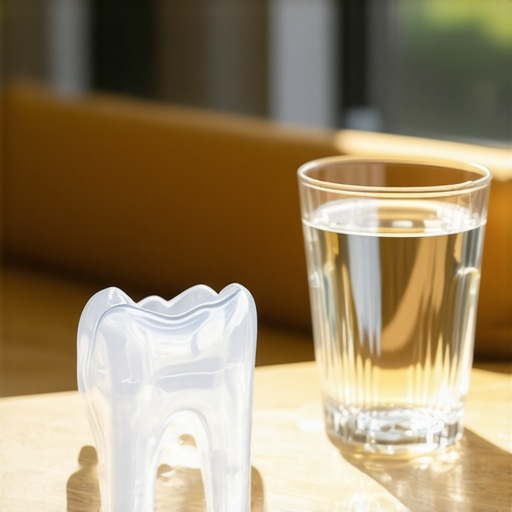
If the subconscious habit of clenching is too strong to break with willpower alone, you need a physical buffer. A custom night guard acts like a high-quality phone case—it absorbs the shock so the expensive hardware of your teeth does not shatter. I learned this the hard way when I moved across the country three years ago. In the chaos of packing, I misplaced my custom guard. Within four days, the throbbing returned so fiercely that I was convinced I needed a root canal. It turns out I was just trying to chew through my stress during my sleep. If you are already using one and notice it is getting a bit funky, learning how to remove the smell from your plastic night guard at home is a game-changer for your morning routine. Using a guard prevents the micro-fractures that eventually lead to costly repairs.
Use Modern Restoration to Erase Years of Stress Damage
For those who have already spent years grinding, the damage might be more than just muscle deep. If you have worn your teeth down to nubs, you are looking at more than just a sore jaw; you are looking at a functional collapse of your bite. This is where cosmetic dentistry secrets to boost your confidence come into play. It is not just about vanity; it is about restoring the vertical height of your teeth so your jaw can rest in a neutral position. You might find yourself debating veneers vs crowns: choosing the best option for your smile to build back the structure that stress took away. In extreme cases where a tooth has fractured beyond repair, understanding how dental implants reshape your oral health in 2025 becomes a priority. An implant acts like a titanium anchor, providing a permanent solution that will not shift under pressure. Integrating these restorative steps into your broader family dentistry tips for a lifetime of healthy smiles ensures you are not just treating the symptoms, but fixing the foundation. If you notice your veneers feel tight when you wake up in the morning, it is a clear sign that your jaw is still working overtime while you sleep.
Modern dentistry has made incredible leaps, but there is a common myth that once you have a porcelain restoration, you are invincible to decay or irritation. In reality, the margin where the restoration meets your natural tooth is the new frontline of your oral health. Let us dig deeper into the nuances that separate a celebrity smile from a healthy, functional one. One of the most prevalent traps in the industry is the piano key effect. Many patients walk in demanding the whitest shade on the guide, but pure white does not exist in nature. Without subtle translucency and varying thicknesses, the mistake that makes porcelain veneers look like piano keys becomes a neon sign for artificial work. To truly transform your smile with veneers, your dentist must consider the underlying hue of your dentin and how the ceramic interacts with your unique lip line.
Why does my dental implant feel different when it rains?
I often hear from patients who claim they can feel a storm coming in their jaw. While it sounds like folklore, there is a biological basis for it. Barometric pressure drops can cause slight expansions in the tissues and even the small pockets of air in your sinuses. Because a titanium post is fused directly to the bone, it does not have the natural ligament cushioning that a real tooth does. This means you are more likely to notice why your dental implant feels different when it rains compared to your other teeth. According to the International Journal of Implant Dentistry, success hinges on the density of the bone-to-implant contact, and any shift in internal pressure or blood flow can manifest as a dull, heavy sensation.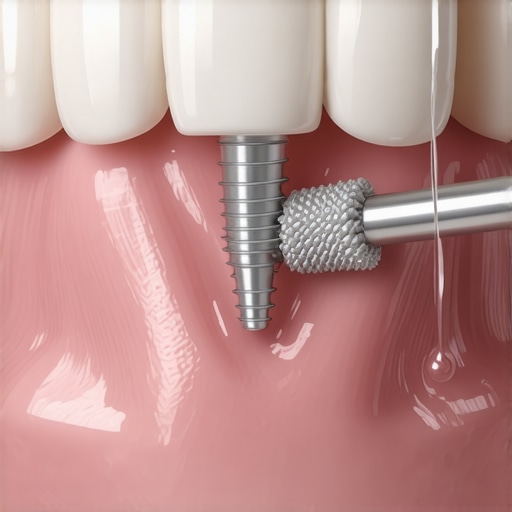
Stop Chasing the Hollywood White That Looks Fake
Another advanced mistake is focusing entirely on the teeth while ignoring the pink aesthetics. Even the most expensive cosmetic dentistry secrets to boost your confidence will fail visually if your gum line is uneven or inflamed. You might be surprised to learn why your gums look receding even if you have good hygiene. Often, it is a result of the restoration impinging on the biological width—the specific amount of soft tissue that must remain untouched to prevent bone loss. This is why family dentistry tips for a lifetime of healthy smiles always emphasize the foundation over the facade. Furthermore, as we look toward the future of dental implants, maintenance becomes the deciding factor. You must master how to safely clean a dental implant without scratching the post to avoid peri-implantitis, a silent condition that can lead to total implant failure. Have you ever fallen into this trap of prioritizing the look of your teeth over the health of your gums? Let me know in the comments.Once you have successfully navigated the major hurdles of restoration, the game shifts from repair to preservation. I have found that the biggest mistake people make is treating their new veneers or implants like they are indestructible. They are medical-grade masterpieces, sure, but they require a specific maintenance protocol to stay looking like they did on day one. I personally stopped using manual toothbrushes years ago. I switched to a sonic brush with a built-in pressure sensor because, like many of us, I tend to scrub too hard when I am stressed. That aggressive scrubbing is exactly how you end up with gum recession that exposes the edges of your work. If you are caring for a new post, you must master how to safely clean a dental implant without scratching the post, because even microscopic scratches can harbor bacteria that lead to failure.
Stop Scrubbing and Let the Vibrations Do the Work
The real secret to longevity is high-frequency vibration rather than manual friction. I recommend a water flosser with a specialized ‘orthodontic’ or ‘implant’ tip. These tips are designed to flush out the debris from those tiny gaps where a normal brush cannot reach, especially around the base of an implant crown. According to a study published in the Clinical Oral Implants Research journal, regular sub-gingival irrigation is one of the most effective ways to prevent peri-implantitis, a condition that can compromise the bone supporting your implant. This fits perfectly into the broader family dentistry tips for a lifetime of healthy smiles that I live by. By using these tools, you are not just cleaning; you are performing preventative maintenance that can save you thousands of dollars in future repairs.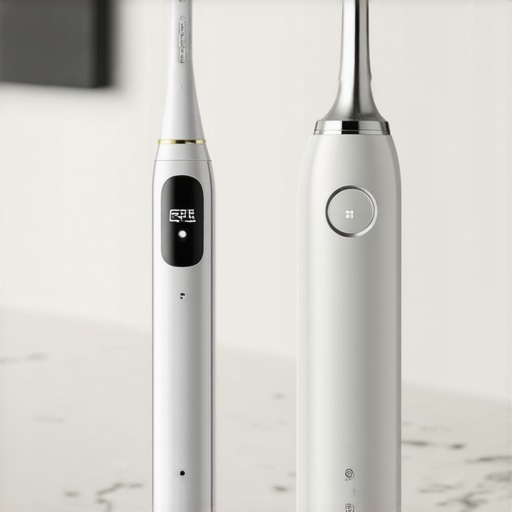
How do I maintain my dental work over the long haul?
Maintaining your smile over time requires a mix of the right hardware and a strict schedule. Beyond the daily brushing and flossing, you need a professional check-up every six months to ensure the structural integrity of your restorations. During these visits, your dentist can spot ‘micro-leaks’ in the bonding of your veneers before they turn into full-blown cavities. I also suggest using a non-abrasive, high-fluoride toothpaste. Most ‘whitening’ toothpastes on the market are actually quite abrasive and can dull the finish of your porcelain over several years. If you want to keep that shine, look for a paste with a low RDA (Relative Dentin Abrasivity) value.
The Rise of AI-Monitored Home Care
Looking ahead, I predict we are going to see a massive shift toward AI-integrated oral care. We are already seeing the beginning of this with dental implants 2025 innovations, where smart brushes can track your coverage in real-time and send the data directly to your dental office. This allows for a ‘proactive’ rather than ‘reactive’ approach to health. Imagine getting a notification on your phone that says your back molar area needs more attention before any inflammation even starts. If you are ready to take the next step in your dental journey or need a professional assessment of your current restorations, I highly encourage you to contact us today. Do not wait for a ‘throb’ or a ‘click’ to tell you something is wrong—start using a pressure-sensitive sonic brush tonight and feel the difference it makes in your gum health.
The Myths About Permanent Restorations That Almost Cost Me My Bite
I used to believe that once you invested in high-end work, the maintenance phase was basically over. I was wrong. The biggest lightbulb moment for me was realizing that your gums are the actual foundation; without them, even the most expensive porcelain has nowhere to sit. Another hard lesson? You can’t out-brush a bad clenching habit. If you are noticing why your gums look receding even though you dont have gum disease, it’s often your body shouting for a break. Lastly, I learned that dental work isn’t just about looks—it’s about mechanical function. If your bite is off, your whole head will feel the strain, regardless of how white your teeth are.
Must-Have Tools to Protect Your Dental Investment
To keep my smile intact through the most stressful quarters, I rely on a few non-negotiables. First, a pressure-sensitive sonic toothbrush is essential to prevent the aggressive scrubbing that damages delicate tissue and wears down enamel. Second, I swear by a water flosser; it’s the only way to effectively reach those areas where how dental implants reshape your oral health depends on deep irrigation. Finally, I always keep a backup custom night guard. If you’ve ever wondered about the mistake that makes porcelain veneers look like piano keys, it often starts with poor structural care that forces over-compensating repairs. #IMAGE_PLACEHOLDER_E#
Your Future Smile Starts With One Small Adjustment
Reclaiming your comfort isn’t just about a one-time fix; it’s about a commitment to consistent family dentistry practices that evolve with you as you age. Whether you are dealing with a high-pressure career or just the natural wear of time, taking that first step toward professional assessment is the most empowering thing you can do for your long-term health. If you’re ready to stop the ache and start smiling again, do not hesitate to contact us for a personalized consultation that addresses your unique needs. Have you ever noticed your jaw feeling particularly tight after a long day of spreadsheets or meetings? Let me know in the comments below!