I remember staring at my son Leo’s mouth three years ago, feeling that familiar, sharp pinch of parental anxiety. Every other first-grader in his class seemed to have a gaping, adorable hole where a front tooth used to be, yet Leo’s smile remained stubbornly, perfectly “full.” It felt like a ticking clock in my head. I was convinced his permanent teeth were trapped in some kind of biological gridlock, destined to never see the light of day. It’s that gut-sinking feeling when you realize your child isn’t hitting those milestones on the “official” pediatric chart. I spent far too many late nights scouring dental forums, wondering if I’d failed some basic part of family dentistry 101. The pressure is real—between the tooth fairy jokes from relatives and the silent comparisons at playgroups, you start to feel like your kid’s jaw is just… broken. But after a few frantic calls to our dentist and a lot of deep breathing, I realized that the “schedule” we all obsess over is more of a suggestion than a rule. Today, I want to walk you through why those teeth might be hanging on for dear life and help you figure out when it’s actually time to seek a pro’s help.
Your Child’s Teeth Aren’t Following a Timer
We often treat dental development like a factory assembly line where every bolt is tightened at a specific minute, but human biology is much more of a “vibe.” Sometimes, the permanent tooth just hasn’t moved into the right position to start the process of resorbing—or “melting”—the root of the baby tooth. Without that pressure from below, the baby tooth stays anchored like a little white boulder. I actually made the classic mistake of trying to “help” a tooth along that wasn’t even close to being ready. I thought a little extra pressure during brushing would do the trick, or maybe encouraging him to bite into tough snacks, but all I did was make him worry that his front teeth were weak. You might even see some redness where the tooth is trying to erupt, which only adds to the parental panic. We need to look at why these delays happen—whether it’s lack of space, the direction of growth, or just plain old genetics—and set some realistic expectations.
Will these baby teeth ever actually fall out on their own?
I know exactly what’s going through your mind because it went through mine too. You’re worried about “shark teeth”—that unsettling double row where the permanent ones grow in right behind the baby ones—or perhaps you’re terrified that your kid is headed for a future of complicated dental implants before they even hit puberty. It’s a valid fear, but often a premature one. According to the American Association of Orthodontists, while the average age for losing that first tooth is six, the window of “normal” is actually massive, often spanning from age four to eight. They actually recommend an initial orthodontic check-up by age seven precisely because that’s when these patterns start to emerge. Sometimes, it’s just a matter of checking if the tooth gap is normal or determining if your child needs a space maintainer to guide things along. Have you found yourself obsessively checking your child’s gums every morning, practically begging for a wiggle that just isn’t there? You aren’t alone. While we spend so much time looking at cosmetic dentistry secrets as adults, the real foundation for a confident smile is laid during these messy, unpredictable childhood years. If those baby teeth are still locked in tight, it might be that the roots are just exceptionally resilient, or perhaps the permanent successors are taking the scenic route through the jawbone.I used to think that once a tooth started wiggling, it was a race to the finish line. With Leo, I learned it’s more like a slow-motion marathon. I spent weeks encouraging him to use his tongue to push on that front tooth, thinking I was helping. Instead, I just made his gums tender and his anxiety worse. The first real step is to assess the movement without force. If a tooth is barely budging, the root is still mostly intact. Think of it like a tent stake driven deep into the ground; you can’t just kick it over. You need to let the permanent tooth do the work of melting that stake from the inside out. I recall one specific Tuesday when Leo’s gum looked particularly angry. I was certain he had an infection, but our dentist explained that as the permanent tooth moves, it releases enzymes to break down the baby tooth’s root. This biological demolition crew causes localized redness. If you notice why your gums are swollen around a loose baby tooth, it is usually just this natural inflammatory response, not a sign of poor hygiene.
Watch Out for the Infamous Shark Tooth Effect
About six months into our waiting game, Leo opened his mouth to brush, and I nearly dropped my own toothbrush. A jagged white edge was poking through the gums behind his perfectly straight baby tooth. This is what dentists call ectopic eruption, but parents call it shark teeth. It happens when the permanent tooth takes a detour and doesn’t push directly on the baby tooth’s root. Don’t panic. In most cases, the tongue eventually pushes the new tooth forward into the right spot once the baby tooth finally exits. However, if the baby tooth does not have even a slight wobble while the new one is halfway in, it’s time to call the office. You might also notice that your child’s permanent teeth look yellow compared to baby teeth. This is totally normal; permanent enamel is naturally more dense and less milky than the temporary stuff. 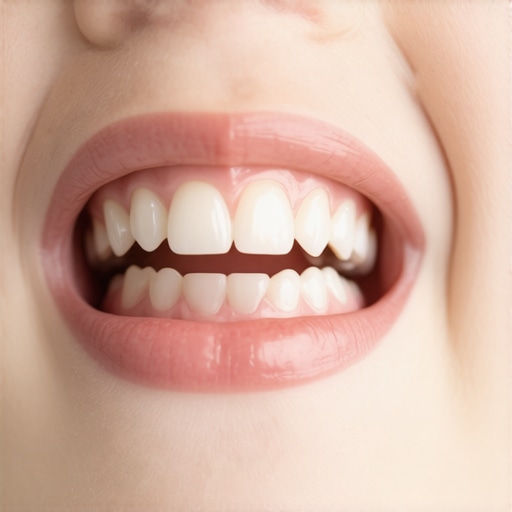
When to Swap the Tooth Fairy for an Orthodontist
If your child hits age seven or eight and hasn’t lost a single tooth, or if they lost one but the gap has been empty for over six months, you need a professional set of eyes. This is where family dentistry transitions into specialized care. I remember the stress of trying to figure out how to get your child to sit still during a dental x-ray, but that image is the only way to see what is happening under the surface. Sometimes a permanent tooth is simply missing, or it is angled so poorly it will never emerge without help. We found out Leo’s jaw was a bit crowded, and we had to discuss how to tell if your child needs a space maintainer early to ensure his future smile had room to breathe.
Stop the Guesswork with a Manual Check
Don’t just look—feel. Wash your hands and gently palpate the gums above the baby tooth. Do you feel a hard bump? That is likely the permanent tooth waiting in the wings. If the area feels soft or if you are trying to determine if your child has a cavity or just deep grooves, a quick visit can save you months of what-if anxiety. While we often focus on things like cosmetic dentistry secrets for our own smiles, for kids, it is all about the foundation. If that baby tooth is acting like a squatter that won’t leave, a simple assisted extraction might be the best move to prevent long-term alignment issues.Let’s dig deeper into the world of adult dental work, because often the anxiety we feel for our kids stems from our own experiences with family dentistry. One common myth I hear is that cosmetic procedures are purely about vanity. In my experience, and as many pros will tell you, things like veneers or crowns are frequently functional necessities. If your bite is misaligned, you aren’t just looking at a crooked smile; you are looking at uneven wear that leads to cracked teeth and jaw pain. However, there is a major ‘oops’ factor many people fall into: the quest for the ‘perfect’ white smile often leads to the mistake that makes porcelain veneers look like piano keys. We see it all the time—teeth that are too long, too opaque, and so white they practically glow in the dark. Real teeth have translucency. If you don’t account for how light hits the material, you end up with the reason your porcelain veneers look opaque and fake. Have you ever fallen into this trap of choosing the whitest shade on the chart? Let me know in the comments.
Stop Treating Cosmetic Dentistry Like a Luxury Handbag
Most people view cosmetic dentistry secrets as a one-and-done purchase. The reality is that these are medical prosthetics. When you are how to pick the right shade for your new porcelain veneers, you have to consider your skin tone and even the whites of your eyes. A sophisticated mistake is ignoring the ’emergence profile’—how the tooth looks as it comes out of the gum. If this isn’t handled with expertise, you’ll find why your new veneers feel bulky against your lips. 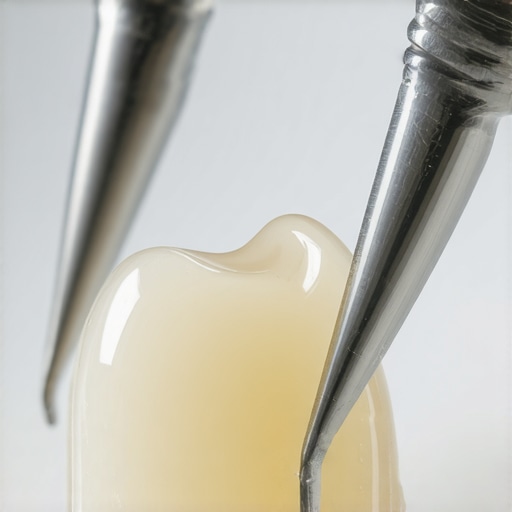
Is an implant actually superior to keeping your natural tooth?
This is the ultimate advanced debate. While dental implants 2025 innovations make them incredibly tempting, many experts, including those published in the Journal of Endodontics, suggest that a natural tooth should be saved whenever possible. An implant lacks the periodontal ligament—the ‘shock absorber’—that natural teeth have. If you rush into an extraction, you might later face issues like the red flags that your dental implant is being rejected or notice why your dental implant is showing a tiny dark line at the gumline years later. We often think newer is always better, but in the future of dental implants, the goal is often to mimic the natural biology we were born with as closely as possible. If you’re currently weighing the options between veneers vs crowns or considering an implant, remember that the best dentistry is the kind that no one notices you’ve had.Once you have committed to a path—whether it is getting your child through the ‘shark tooth’ phase or finally investing in your own transformation—the real work begins. I used to think a dental visit every six months was the finish line, but it is actually just the pit stop. If you want to avoid the heartache of seeing why your dental implant is showing a tiny dark line years down the road, you have to treat your mouth like a high-maintenance ecosystem. For my own veneers, I became obsessed with the ‘no-abrasion’ rule. Most people do not realize that standard whitening toothpastes are basically sandpaper for porcelain. I strictly use non-abrasive gels now because preserving that factory-finish glaze is the only way to prevent your smile from looking dull over time.
Stop using your teeth as multipurpose tools
We have all done it—tearing open a bag of chips or biting a loose thread with our front teeth. When you have cosmetic work like veneers or crowns, this is the fastest way to a ‘Friday night emergency.’ The mechanical stress on the bonding interface is real. If you are worried about longevity, you need to understand the truth about the durability of composite vs porcelain veneers. Porcelain is tough, but it is brittle under shear force. I personally keep a pair of scissors in every room of the house just to remove the temptation to use my ‘expensive’ teeth for anything other than chewing food. Even with kids, teaching them that front teeth feel weak when misused can prevent a lifetime of structural issues.
How can I make my dental work last a lifetime?
Maintenance is not just about brushing; it is about the tech you use at home. I am a massive advocate for the water flosser. While some old-school purists swear by string, I found the benefit of using a water flosser with your braces or implants is unmatched for flushing out the bacteria that hide in the ‘sulcus’—the tiny pocket where the tooth meets the gum. According to the International Journal of Oral & Maxillofacial Implants, peri-implantitis is primarily driven by plaque accumulation that regular brushing often misses. I specifically use the specialized ‘orthodontic’ tip on my Waterpik even though I don’t have braces anymore; it is perfect for learning how to safely clean a dental implant without scratching the post. 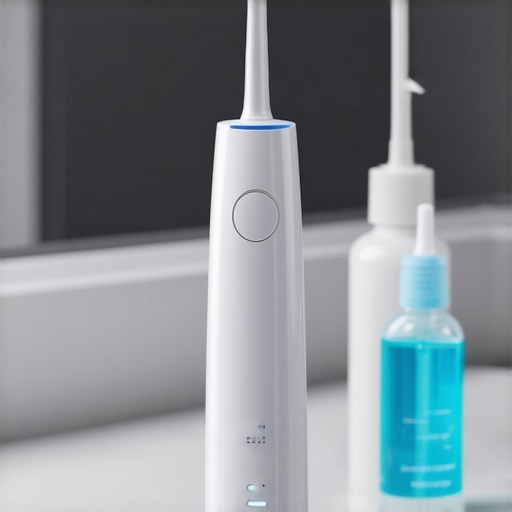
The future of smile preservation is digital
Looking ahead, I suspect we are moving away from reactive dentistry toward a ‘digital twin’ model. Soon, we will have 3D scans of our mouths stored in the cloud, allowing dentists to 3D-print a perfect replacement for a chipped tooth in minutes. We are already seeing this with dental implants 2025 innovations that use bio-compatible scaffolds to speed up bone healing. For now, the best thing you can do for your family is simple prevention, like ensuring your child needs a dental sealant for their molars to lock out decay before it starts. If you have been struggling with staining, stop guessing and learn how to keep your teeth white while drinking black coffee daily by using a straw—it is a game changer. My advanced tip for today: try switching to a high-quality water flosser tonight and see if you can feel the difference in your gum health by next week.
Looking back on Leo’s journey, I realize that much of my stress came from a lack of perspective. We treat dental milestones like rigid exams, but they are actually a fluid, living process. If you are standing where I was, staring at a stubborn baby tooth that won’t budge, take a breath. You are doing a great job just by paying attention.
Hard Truths I Discovered in the Dentist’s Chair
Through my own experience and countless conversations with experts, I’ve had a few ‘lightbulb’ moments that changed how I view my family’s oral health. First, I learned that the ‘official’ dental timeline is more like a gentle suggestion. If your child’s teeth aren’t following the chart, it doesn’t mean you’ve failed; it just means their body is working on its own rhythm. Second, I realized that while the future of dental implants is incredibly bright with cutting-edge technology, nothing beats the resilience of a natural tooth. Third, the biggest secret to adult confidence is choosing a shade and shape that looks real, not fluorescent. If you’ve been curious about cosmetic dentistry secrets, remember that subtlety is the ultimate mark of quality. Lastly, I learned that dental work is an investment in your well-being, but its longevity depends entirely on your daily habits at home.
My Daily Toolkit for Resilient Teeth
To keep our smiles on track, I’ve curated a few essential habits and tools that I trust implicitly. I am a massive advocate for the water flosser; understanding the benefit of using a water flosser with your braces or implants is a game-changer for long-term gum health. I also recommend following the American Association of Orthodontists’ guidelines for that first check-up by age seven—it saved us years of potential corrections with Leo. For my fellow caffeine lovers, I suggest learning how to keep your teeth white while drinking black coffee daily by using a straw to protect your enamel from direct contact. Finally, always keep the contact information for a trusted provider handy for those unexpected ‘Friday night’ emergencies.
Your Next Chapter in Smile Confidence
Building a solid foundation through consistent family dentistry isn’t just about avoiding the drill; it’s about giving your family the freedom to laugh, eat, and speak without hesitation. Whether you are currently navigating the ‘shark tooth’ phase with your first-grader or you are considering a smile transformation of your own, remember that you are in control of the narrative. Every small habit you start today—from better flossing to scheduled check-ups—is a gift to your future self. Have you ever felt that surge of parental panic when your child’s permanent teeth started coming in behind their baby teeth? Let me know your ‘shark tooth’ story in the comments below!