I’ll never forget the sound of my son’s heels kicking the dental chair like a rhythmic war drum. It was supposed to be a routine visit. He’d done fine with the bubbly toothpaste and the ‘Mr. Thirsty’ suction tool, but the moment that heavy lead apron came out, everything changed. He looked at the X-ray sensor like it was a piece of alien technology designed for torture. I was that parent—the one apologizing profusely to the hygienist while trying to bribe a six-year-old with the promise of extra Minecraft time. It was exhausting. If you’ve ever felt the burning stare of a busy dental assistant while your child does their best impression of a wiggly noodle, I see you. We’ve all been there, and I’m here to tell you it gets better. Today, I’m breaking down the exact strategy I use to turn those high-stress X-ray moments into a breeze, ensuring your little one gets the care they need without the meltdown. Have you ever had to physically hold your breath while hoping your child doesn’t move at the last millisecond? Let me know in the comments.
Winning the Pre-X-ray Mental Game
My biggest mistake early on was the ‘surprise’ approach. I figured if I didn’t mention the X-rays, my son wouldn’t worry about them. Wrong. Total rookie move. In the world of family dentistry, predictability is your best friend. Kids thrive on knowing the ‘what’ and the ‘why.’ When I started explaining the ‘camera that takes pictures of your tooth bones’ days before the appointment, the fear started to evaporate. It is about demystifying the equipment before they ever step into the office. According to the American Academy of Pediatric Dentistry (AAPD), dental X-rays are crucial because they can detect cavities between teeth that even the sharpest eyes can’t see, which is vital since most parents miss the early signs of decay. If we don’t catch these early, we’re looking at much bigger problems down the road. Prep work is the difference between a quick click of the camera and a thirty-minute struggle.
Are these X-rays truly worth the radiation worry?
It’s the question every parent whispers. I get it. We worry about everything from screen time to BPA, so adding ‘radiation’ to the list feels heavy. However, modern digital X-rays use incredibly low doses—often less than what your child naturally absorbs from a short airplane flight or even just a day spent outside in the sun. The risk of an undiagnosed abscess or a hidden infection is far more dangerous than the split-second exposure of a digital sensor. If your little one is particularly stubborn, you might even find yourself wondering what to do when your toddler refuses to open their mouth at all. The key isn’t force; it’s a mix of distraction, empowerment, and a few neighborly tricks I’ve picked up over the years that I am about to share with you.
Stop the Squirm with a Home Rehearsal
The first thing I did after that disastrous ‘drumming’ visit was turn our kitchen into a pretend clinic. We didn’t just talk about the dentist; we played ‘dentist.’ I had my son sit in a reclining chair and used a large, flat cracker to mimic the X-ray sensor. This sounds silly, but it works. We practiced biting down gently on the cracker without breaking it. This mimics the sensation of the digital sensor, which is often the part that triggers a gag reflex or panic. In family dentistry, the goal is to make the foreign objects feel familiar. If your child struggles with the physical sensation, knowing what to do when your toddler refuses to open their mouth at home helps build that muscle memory for the real deal. During one session, my son actually bit the cracker in half and laughed—the tension broke, and the sensor didn’t seem like an ‘alien’ anymore.
Turn the Lead Apron into a Super Suit
The heavy lead apron is usually the second hurdle. Kids feel restricted or weighed down, which triggers a fight-or-flight response. I started calling it the ‘Iron Man Shield’ or ‘Super Hero Armor.’ I explained that the armor protects his body so only the ‘magic camera’ can see his ‘tooth bones.’ By reframing the equipment as a tool of empowerment rather than a restraint, you bypass the fear. This is a common strategy in preventing cavities in toddlers who hate brushing—making the tools part of a game rather than a chore.
Teach the Three-Second Statue Technique
Timing is everything. An X-ray takes less than three seconds, but to a squirmy child, it feels like an eternity. I started a game called ‘The Statue Challenge.’ We used a stopwatch, and he had to stay perfectly still for exactly three seconds. If he succeeded, he got a small sticker. We did this five times a day leading up to the appointment. When we finally got back to the office, I told him, ‘This is just the Statue Challenge, remember?’ He nailed it. This focus is vital because if they move, the image blurs, and you might miss important details, like how to tell if your child has a cavity or just deep grooves. A clear image means fewer retakes and less time in the chair.
Bribe with Experiences Instead of Candy
While I mentioned Minecraft time earlier, I’ve found that ‘special time’ with a parent works even better than digital rewards. We made a deal: if he could be a ‘brave statue’ for the X-rays, we would go to the park immediately after. The anticipation of a positive physical experience overrides the immediate discomfort of the sensor. It creates a ‘light at the end of the tunnel’ that keeps them motivated through the weirdness of the dental office environment. I once promised a trip to the local fire station museum, and he sat so still the hygienist thought he’d fallen asleep!
Just as I learned to prep my son for his X-rays, we have to prep ourselves for the reality of adult restorations. While prep and home rehearsals are great for the kids, we adults often fall into the trap of thinking our own major dental work—like veneers or implants—is bulletproof once it’s in. But here is the contrarian truth: the most expensive tooth in your mouth is the one you stop thinking about. People often assume that once they have invested in transforming their smile with veneers, the biological rules of the mouth no longer apply. In reality, your gums are the ultimate gatekeepers. I’ve seen parents spend thousands on a perfect smile only to ignore the subtle shifts that happen as they age, assuming porcelain protects them from everything.
Avoid the Piano Key Disaster
The biggest ‘oops’ I see in cosmetic dentistry is the ‘Piano Key’ effect. We want white, but we forget that natural teeth have a certain level of translucency. If you go too opaque, your smile looks like a row of chiclets. This is often the mistake that makes porcelain veneers look like piano keys. You have to account for how light travels through the material to achieve a lifelike result. Have you ever noticed someone’s teeth looking ‘too’ perfect in a way that feels unnatural? That is usually a failure of shade-matching and thickness. When you are looking at how to pick the right shade for your new porcelain veneers, you must consider the lighting of your everyday life, not just the bright office lamps.
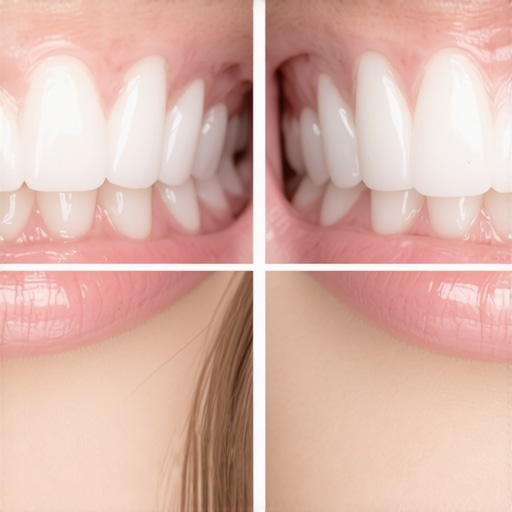
Can your gums actually reject a perfectly placed implant?
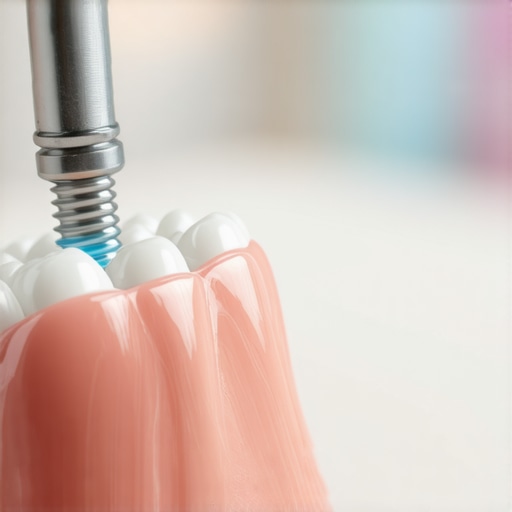
It is a terrifying thought. You go through the surgery, the healing, and the crowning, only to feel a weird sensation months later. While true ‘rejection’ like an organ transplant is rare because titanium is biocompatible, ‘peri-implantitis’ is the real villain. According to a study in the Journal of Oral Implantology, even the most structurally sound implant can fail if the surrounding tissue is not maintained with the same rigor as a natural tooth. This is why you might find that your dental implant feels loose but looks fine on a surface-level inspection. It is the hidden environment beneath the gumline that dictates the ‘forever’ part of the promise. Advanced care means looking past the porcelain to the health of the bone and soft tissue.
Why Permanent Does Not Mean Maintenance Free
The trap most people fall into is equating ‘no pain’ with ‘no problem.’ By the time a dental implant or a veneer starts hurting, you are usually looking at a rescue mission rather than routine maintenance. Have you ever fallen into this trap of waiting until it hurts? Let me know in the comments. We need to shift our mindset from ‘fixing a problem’ to ‘stewarding an investment.’ Whether it is family dentistry tips for a lifetime or a high-end cosmetic overhaul, the nuance is always in the details we cannot see. Regular checks are not just for cavities; they are for ensuring the structural integrity of your dental investments stays intact.
Step Up Your Flossing Game
When I first got my own restorative work done, I thought I could stick to the same old string floss. I was wrong. If you are navigating the world of veneers vs. crowns, you quickly realize that the junction where the porcelain meets your gum is a high-traffic zone for plaque. Standard floss often shreds against the microscopic edges of a crown or veneer, leaving behind fibers that irritate the tissue. This is why I personally transitioned to a high-powered water flosser. It is a total game-changer for anyone in the maintenance phase of cosmetic dentistry. The pulsing action doesn’t just knock loose food; it massages the gingiva, increasing blood flow which is essential for keeping those gums tight against your new investment.
Keep Your Titanium Posts Scratch-Free
If you have moved forward with dental implants in 2025, you need to be surgical about your tool selection. One of the most dangerous things you can do is use a metal-core interdental brush. According to technical documentation from the International Team for Implantology (ITI), using metal-on-metal tools—even soft ones—can create micro-abrasions on the titanium abutment. These tiny scratches are essentially ‘luxury apartments’ for bacteria. This is a primary reason the red flags that your dental implant is being rejected often start with simple hygiene mistakes. I only use plastic-coated interdental brushes or rubber picks to ensure I am learning how to safely clean a dental implant without scratching the post. It feels like a small detail, but it is the difference between an implant that lasts ten years and one that lasts forty.
How do I maintain my smile’s luster over time?
Maintenance isn’t just about health; it’s about the ‘wow’ factor. If you’ve invested in unlocking your best smile yet, you have to be careful with abrasives. Many whitening toothpastes are actually too gritty for porcelain. I’ve had readers ask why their porcelain veneers feel gritty to their tongue, and often, it’s because they are using high-RDA (Relative Dentin Abrasivity) charcoal or whitening pastes that are literally sanding down the polish. To keep things bright, focus on how to maintain your white smile after a coffee habit by using non-abrasive gels and rinsing with water immediately after your morning brew. The goal is to keep the surface smooth so stains can’t find a foothold.
The Future of Bio-Active Maintenance
Looking ahead, I predict we are moving toward ‘smart’ maintenance. We are already seeing the rise of 2025 innovations in dental implants that include sensors designed to detect early-stage inflammation before you even feel a throb. Furthermore, bio-active glass in toothpastes is becoming more common, helping to remineralize the natural tooth structure around your veneers. The trend is moving away from just ‘fixing’ and toward ‘integrating’ technology with our biology. I highly recommend trying a water flosser tonight if you haven’t already—it’s the single best way to clear out the debris that manual brushing misses. Your gums will thank you within forty-eight hours.
Hard Truths About ‘Permanent’ Dental Work
After years of navigating both my kids’ appointments and my own restorations, I have realized that the word ‘permanent’ is often a bit of a marketing myth. If you want your investment to last, you must treat it like a luxury car, not a set-it-and-forget-it appliance. One major lightbulb moment for me was realizing that the health of the bone supporting an implant is far more critical than the porcelain crown sitting on top. If you ever notice that your dental implant is showing a tiny dark line, it is not just an aesthetic issue; it is a signal to check your hygiene habits immediately.
Another lesson learned? The transition from pediatric care to adult maintenance is a relay race. What we teach our kids today—like being brave for those X-rays—builds the foundation for how they will handle cosmetic dentistry secrets later in life. We are not just fixing teeth; we are building a lifelong relationship with oral health that can survive the decades.
Tools That Actually Protect Your Investment
I do not recommend products lightly, but a few specific things have made a massive difference in my household. First, the Waterpik Aquarius has been a literal lifesaver for my gums. If you are debating veneers vs. crowns, you will need a water flosser regardless of which path you choose to keep those margins clean. Second, I always check the ITI (International Team for Implantology) patient guides. They provide unbiased, evidence-based info on cutting-edge techniques in cosmetic dentistry that helps me ask better questions at the clinic.
#IMAGE_PLACEHOLDER_E#
Build a Smile That Lasts a Lifetime
Whether you are rehearsing ‘statues’ with your toddler or researching dental implants in 2025, remember that you are in control of the narrative. Dentistry does not have to be a series of emergencies and high-stress moments. By staying proactive and using the right tools, you can maintain a high-value smile for yourself and your family. Family dentistry is a team sport, and you are the captain. Do not be afraid to take that first step toward a more confident, healthier version of yourself. Have you ever felt like your dental routine was just a chore rather than an investment? Let me know in the comments below.