I was standing in the bathroom last Tuesday, staring into the mirror with a mouthful of foam, when I saw it. My front teeth—once long and vibrant—looked like they’d been sanded down. It wasn’t just my imagination. They were shorter. Stubby, even. I’d spent so much time reading up on family dentistry tips for a lifetime of healthy smiles for my kids that I’d completely missed the slow erosion of my own smile. It was a visceral ‘aha’ moment, and not the good kind. If you’ve felt that same sink in your stomach while looking at old photos, you aren’t alone. Today, I’m going to show you exactly why this happens and how we can fix it together. [placeholder_image_1]
Why My Smile Started Shrinking in the Mirror
I made a classic mistake early on: I assumed that because I brushed three times a day, my teeth were invincible. I ignored the morning headaches and the fact that my jaw felt stiff after a long dental appointment. I was actually grinding my enamel into dust every single night. It turns out the reason your teeth look shorter as you get older is often a combination of mechanical wear and chemical erosion that sneaks up on you.
Is My Smile Getting Shorter Actually Worth Worrying About?
You might be thinking, ‘Is it really that big of a deal if my teeth lose a millimeter or two?’ The truth is, it’s not just about aesthetics. When your teeth shorten, your bite collapses, which can lead to chronic pain and even make your face look prematurely aged. According to the American College of Prosthodontists, excessive tooth wear can result in a significant loss of vertical dimension in the lower third of the face, literally changing your facial structure. This is where cosmetic dentistry secrets to boost your confidence become more than just vanity; they are about restorative health.
Don’t Let Grinding Eat Away Your Confidence
I want to ask you: have you noticed your teeth looking a bit more ‘even’ or flat across the bottom lately? It’s a subtle change until it isn’t. We’re going to dive into the best ways to reclaim that length, whether you are choosing between veneers and crowns for your smile or looking at preventative night guards. It’s time to stop the ‘shrinking’ and start the restoration.
Stop the Daily Sandpaper Effect on Your Enamel
Think of your enamel like the tread on a tire. Once it is gone, you are essentially driving on your rims, and that is when the pain starts. When I first noticed my teeth shortening, my first instinct was a DIY fix. I bought a cheap, ‘one-size-fits-all’ night guard from a pharmacy. It was a disaster—bulky, awkward, and it actually made my jaw ache more. I woke up one morning with my jaw feeling so locked I could barely chew my breakfast. That is when I realized that saving your smile requires professional precision.
Get a Professional Night Guard That Actually Fits
The most effective way to stop the ‘shrinking’ immediately is a custom-made occlusal guard. Unlike the store-bought versions, a dentist-fitted guard is slim and designed to align your bite perfectly. This prevents your upper and lower teeth from engaging in a nightly battle. If you already have dental work, skipping the guard is a risky move; you might eventually wonder why your crown feels tight after you haven’t worn your nightguard for a few days. The guard keeps everything in place and absorbs the force that would otherwise pulverize your enamel.
Pick the Restoration That Fits Your Lifestyle
Once you have stopped the active damage, you have to address the length you have already lost. You cannot grow enamel back, but you can replace it with materials that look and feel identical to the real thing. 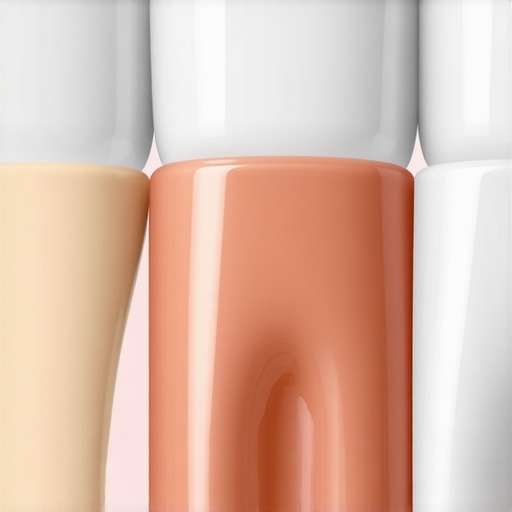
Why You Might Need Crowns Over Veneers
When the wear is mostly on the front surface and the edges are just starting to thin, you can often transform your smile with veneers. These are thin porcelain shells that act like a new facade for your teeth. However, if you have ground your teeth down significantly, a veneer might not have enough surface area to bond to. In those cases, choosing between veneers and crowns for your smile becomes a matter of durability. A crown covers the entire tooth like a protective helmet, providing the structural support needed to handle heavy chewing forces without snapping.
Replace What You Can No Longer Save
In some cases, the ‘shrinking’ isn’t just about wear; it’s about losing teeth entirely. When a tooth is lost or worn beyond the point of a crown, the surrounding teeth start to shift to fill the gap, which further collapses your bite and makes your remaining teeth look even shorter.
Dental Implants in 2025 Are More Comfortable Than Ever
We are currently seeing incredible shifts in how we handle tooth replacement. Understanding how dental implants reshape your oral health in 2025 is key for anyone dealing with long-term wear. These aren’t just ‘fake teeth’; they bond with your jawbone to prevent the facial sagging that comes with tooth loss. Even if you have been told in the past that you aren’t a candidate due to bone loss, how a simple sinus lift makes dental implants possible has opened the door for thousands of people to reclaim a full, functional bite. Exploring the future of dental implants shows that we now have digital mapping tools that make the placement faster and the recovery significantly easier than it was even five years ago.
But here is the thing that no one tells you about these high-tech solutions: technology can only go as far as the artistry behind it. Many people assume that if they pay for the most expensive option, they will automatically get a natural result. I see people fall into this trap constantly. They want the whitest shade on the chart, thinking ‘brighter is better,’ but in reality, natural teeth have gradients, translucency, and subtle imperfections that reflect light. When you ignore these nuances, you end up with the mistake that makes porcelain veneers look like piano keys—a flat, opaque wall of white that screams ‘artificial.’
Stop Chasing the Hollywood White Myth
In my experience, the biggest ‘oops’ factor isn’t the procedure itself; it’s the lack of harmony with your natural features. If you are over forty and opt for the same tooth shape as a twenty-year-old, the result looks disjointed. True expertise in family dentistry tips for a lifetime of healthy smiles involves matching the restoration to your facial symmetry. I’ve seen patients insist on a specific look from a celebrity photo, only to realize later that why your new veneers feel bulky against your lips is because they were sized for a different jaw structure entirely. 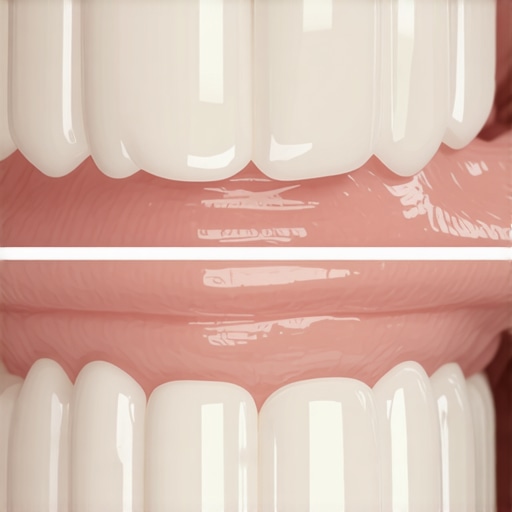
Why Do My New Teeth Feel Weird Even If They Look Great?
This is a sophisticated question that gets to the heart of dental proprioception. Your brain is incredibly sensitive to changes in your mouth—even a hair’s breadth of difference in tooth height can feel like a mountain. According to a study published in the Journal of Oral Rehabilitation, the success of restorative work depends more on ‘occlusal harmony’—how your teeth meet—than the material used. If your bite is even slightly off, you might find yourself wondering why your smile looks asymmetrical after dental work or why you’re suddenly experiencing jaw fatigue. It’s not just about the porcelain; it’s about the physics of how your jaw moves.
Don’t Ignore the Foundation Under the Porcelain
Another common myth is that once you get a crown or a veneer, the tooth is ‘shielded’ from all future problems. This couldn’t be further from the truth. The margin where the restoration meets your natural gum line is a high-traffic area for bacteria. I have seen beautiful veneers transformation cases fail within years because the patient stopped focusing on gum health. If the tissue isn’t healthy, you may start to notice why your gums look receding even though you dont have gum disease, which eventually exposes the edge of the restoration and ruins the aesthetic.
The same logic applies to the latest dental implants 2025 innovations. While the titanium post can’t decay, the bone and gums around it can still suffer from infection if neglected. Whether you are looking into the future of dental implants or just getting a simple filling, the ‘set it and forget it’ mentality is a trap. Have you ever fallen into this trap or felt like your dental work didn’t quite ‘fit’ your face? Let me know in the comments. If you’re ready to fix a past mistake or start fresh, feel free to contact us today.
Maintaining a high-end smile isn’t about doing more; it’s about doing better with the right gear. When you invest in a veneers transformation, you aren’t just buying porcelain; you’re buying a lifestyle that requires a specific toolkit. I personally don’t use manual toothbrushes anymore. Why? Because the human hand is inconsistent. I switched to a high-end electric brush with a built-in pressure sensor because it’s the only way to ensure I’m not accidentally scrubbing my gum line into oblivion. If you press too hard, the light turns red, and the motor slows down—this is the kind of fail-safe technology you need when you have delicate margins around your dental work.
Stop using whatever toothbrush is on sale
The biggest mistake I see is patients spending thousands on their teeth and then using a five-dollar brush that is too abrasive. If you are dealing with porcelain, you need non-abrasive pastes. Many whitening toothpastes use silica to ‘scrub’ stains, which is fine for natural enamel but can microscopically scratch your restorations over time. Instead, look for gels that focus on chemical stain removal or high-fluoride content. For those with titanium under the hood, learning how to safely clean a dental implant without scratching the post is the difference between a lifetime of success and a costly failure. Metal-on-metal is a nightmare in the mouth, so I always recommend plastic-coated interdental brushes or a high-powered water flosser to flush out the ‘sulcus’—that tiny pocket where the implant meets the gum.
How do I keep these results for the next twenty years?
Consistency is the boring truth, but tools make it easier. I’ve found that the trick to flossing around a bulky dental bridge or implant is using an air-flosser or a dedicated bridge-and-proxy brush. If it’s too hard to do, you won’t do it. That’s why I recommend a 360-degree approach: a night guard for protection, an electric brush for precision, and a water flosser for deep cleaning. And don’t forget the maintenance of the tools themselves; knowing how to remove the smell from your plastic night guard at home using a simple soak of distilled vinegar and water will keep your routine from becoming a chore you dread. 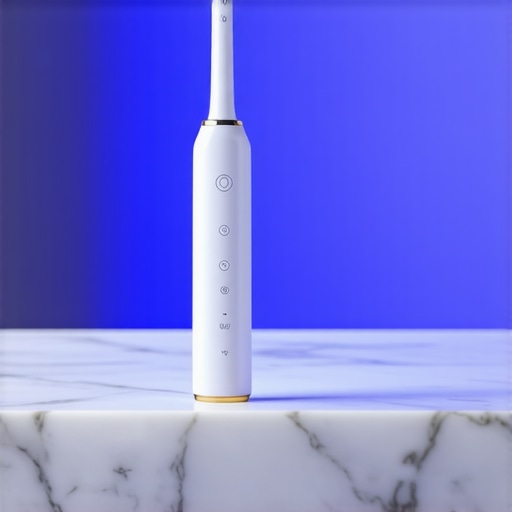
The tech that makes your dentist a magician
We are moving into an era of ‘Biomimetic Dentistry,’ a term popularized by experts like Dr. Pascal Magne. The goal is to move away from the ‘drilling and filling’ of the past and toward preserving every possible millimeter of natural tooth structure. I utilize intraoral scanners that create 3D digital maps of your mouth with micron-level accuracy. This means we no longer need those goopy, gag-inducing trays, and we can track tooth wear over several years to catch problems before you even feel them. This data-driven approach is fundamental to how dental implants reshape your oral health in 2025, allowing for computer-guided surgery that is faster and less invasive.
Why your next crown might be printed in minutes
I predict that by 2030, the traditional dental lab will be largely internal to the clinic. We are already seeing the rise of 3D-printed ceramics and AI-driven smile design. The future of dental implants and veneers will involve ‘bio-copying’—where we take a digital scan of your natural teeth before any work is done and store it in the cloud. If you ever chip a tooth, we can literally ‘print’ an exact replica of your original tooth in a matter of minutes. My advice? Try switching to a high-quality electric brush with a pressure sensor this week and see if it changes the way your gums feel. If you want to see how this tech can change your life, contact us to start your digital smile mapping today.
The Most Expensive Lesson I Learned About Restoring My Smile
I used to think that a crown was a permanent shield. I learned the hard way that a restoration is only as good as the foundation. One lightbulb moment for me was realizing that cosmetic dentistry is actually a partnership between the doctor’s skill and my own daily discipline. If you aren’t protecting your investment, you’re essentially throwing money into a grinder. Another key insight? Less is often more. The best veneers transformation results are the ones that no one notices as ‘dental work.’ They just look like you have great genetics. Lastly, remember that your bite is a delicate ecosystem; if you ignore family dentistry tips for a lifetime of healthy smiles, even the most expensive porcelain won’t stay pretty for long.
#IMAGE_PLACEHOLDER_E#
My Favorite Gear for Keeping Porcelain Perfect
To keep your smile from shrinking again, you need a proactive toolkit. Here is what I personally swear by. First, a pressure-sensing electric toothbrush is non-negotiable for anyone who has had restorative work. It prevents you from scrubbing away the gum line. Second, I recommend water flossers; especially if you have opted for how dental implants reshape your oral health in 2025, a water flosser reaches places traditional string can’t touch. Finally, the custom night guard is the absolute best insurance policy for your enamel. Don’t skip it.
Take the First Step Toward Your New Smile
Don’t wait until your teeth are significantly worn down to take action. Whether you are looking at the future of dental implants or just a simple repair, the technology available today is incredible. Reclaiming your smile isn’t just about looking better—it’s about feeling whole again. You can use these cosmetic dentistry secrets to boost your confidence to start your journey today. Have you noticed your teeth getting shorter, or have you struggled with a night guard that didn’t fit? Let me know in the comments below!