I was looking at a photo of myself from my brother’s wedding back in 2012, and something felt… off. It wasn’t the hair—though that’s a different story—it was my smile. My teeth seemed so much more prominent back then. Today? They look like they’ve been filed down. If you’ve looked in the mirror lately and wondered where half your teeth went, you aren’t crazy. You’re just experiencing what I call the ‘Great Dental Shrinkage.’ It’s a slow-motion transformation that happens while you’re busy living your life, and honestly, it’s one of the most frustrating parts of getting older.
The Moment I Realized My Smile Was Disappearing
I’ll be honest: I made a massive mistake early on. I noticed those tiny chips on the edges of my front teeth and just… ignored them. I figured I was just eating too many crunchy snacks. But those chips were actually the first signs of attrition. I even ignored the real cause of those tiny vertical lines in your teeth until my dentist pointed out that my enamel was essentially sandpapering itself away. By the time I took it seriously, my teeth were noticeably shorter, and my confidence was taking a hit. I didn’t want to smile in photos anymore because my ‘short’ teeth made me look older than I felt. Today, we are going to solve this mystery. I’m going to show you exactly why this happens and, more importantly, how modern dentistry can give you back those missing millimeters. Have you noticed your teeth looking shorter in photos lately, or am I the only one who spent an hour zooming in on a 2015 selfie? Let’s get into the nitty-gritty of why your bite might be betraying you.
Is it actually worth the hype to fix it?
You might be thinking, ‘It’s just a few millimeters, does it really matter?’ I used to think that too. But it’s not just about vanity. Shorter teeth can change your entire face shape, making your chin look closer to your nose and causing ‘jowls.’ It’s a structural issue. Plus, cosmetic dentistry secrets to boost your confidence aren’t just for Hollywood stars anymore; they are for anyone who wants their outside to match how they feel on the inside. [image_placeholder]
Your Teeth Aren’t Actually Shrinking Into Your Gums
Here is a surprising fact: Your teeth aren’t retreating into your jawbone like a turtle into its shell. They are being worn down from the top. According to the Journal of Oral Rehabilitation, pathological tooth wear affects nearly everyone as they age, with some people losing over a millimeter of tooth height every decade purely through mechanical friction. If you’ve noticed your jaw feels stiff in the morning, you might want to look into the connection between frequent headaches and grinding your teeth. I spent years waking up with a dull ache, never realizing I was grinding my smile into oblivion while I slept. It’s a common hurdle in family dentistry, and catching it early is the difference between a simple night guard and a full set of expertly placed veneers. The good news? You aren’t stuck with a ‘short’ smile forever. We’re about to walk through the environmental, lifestyle, and biological reasons this happens, and then we’ll look at the specific steps you can take to reverse the clock.
Stop the Grind Before You Lose More Millimeters
You can’t build a house on a sinking foundation, and you certainly can’t fix short teeth while you’re still actively grinding them down. The first actionable step isn’t cosmetic; it’s purely protective. I remember my first attempt at this—I bought a cheap ‘boil and bite’ guard from the local pharmacy after a particularly stressful month at work. It was so thick I couldn’t close my lips, and I woke up with a jaw that felt like it had been in a boxing match. I actually made my jaw pain worse because the bulkiness forced my muscles to stay active all night. The real solution was a custom-fitted guard from my dentist. Today, they usually skip the goopy putty and use a digital scanner to map your bite. It’s thin, it’s clear, and it creates a literal barrier between your upper and lower teeth. If you skip this, any expensive work you do later will just chip off under the pressure of your own jaw.
Restore the Length with Custom Porcelain
Once the grinding is under control, we look at adding back what was lost. This is where expertly placed veneers come in. Think of a veneer like a custom-made, high-tech shell that sits over the front of your tooth. It doesn’t just change the color; it restores the vertical height that time stole from you. But you have to be careful about the ‘piano key’ effect. I’ve seen people go too long or too white, and it looks like they have a row of uniform plastic blocks in their mouth. Avoiding the mistake that makes porcelain veneers look like piano keys is all about mimicking the natural translucency and varied edges of real enamel.
Pick the Right Material for Your New Smile
You basically have two choices here: composite or porcelain. Composite is cheaper and can be done in one visit, but it’s like using a soft wood for a floor—it’s going to stain and wear down over time. Porcelain is the gold standard for a reason. When you look at the truth about the durability of composite vs porcelain veneers, porcelain wins every time for longevity and the way it reflects light. 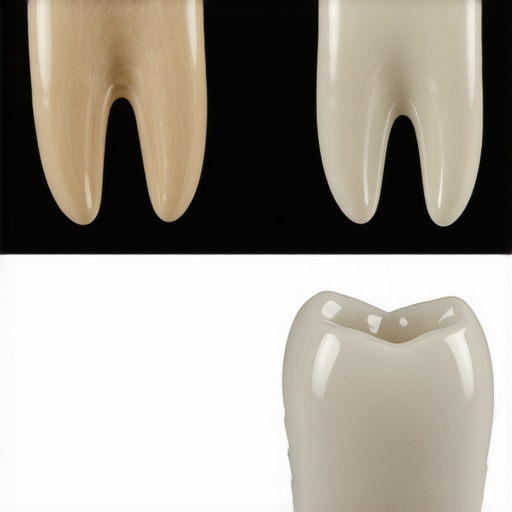
How to Tell if You Need a Full Crown Instead
If your teeth are worn down so far that there isn’t much enamel left to bond a veneer to, you might need to level up. This is a common fork in the road in cosmetic dentistry. You’ll need to weigh veneers vs crowns: choosing the best option for your smile. A crown covers the entire tooth, providing a structural helmet that protects what’s left of your natural tooth while restoring that youthful length. It’s a 360-degree solution that handles the heavy lifting of chewing much better than a thin shell if the tooth is already compromised by significant attrition.
Replace Missing Teeth to Save the Rest
If you’re missing back teeth, your front teeth are doing double duty. They aren’t designed for heavy chewing; they are for biting and aesthetics. When your molars aren’t there to take the brunt of the force, your front teeth will wear down twice as fast. This is where dental implants 2025 innovations really shine. By replacing those back teeth, you distribute the ‘bite force’ evenly. It’s like adding extra pillars to a bridge that’s starting to sag—it protects the remaining structure from collapsing and preserves your remaining natural tooth height.
Get the Color Right the First Time
Shorter teeth often look yellower because the thick white enamel has worn away, revealing the yellowish dentin underneath. When you restore the length, don’t just pick the whitest shade on the dentist’s chart. Learning how to pick the right shade for your new porcelain veneers is crucial. You want a shade that looks bright and healthy in the sun but doesn’t look artificial or glow under the harsh fluorescent lights of an office.
Let’s dig deeper. Most people treat a trip to the dentist like a car repair—you swap out a part and forget about it. But your mouth is a living, breathing ecosystem. One of the biggest misconceptions I see in family dentistry is the ‘indestructible’ myth. People get the latest dental implants 2025 innovations and assume they can stop flossing because ‘titanium doesn’t rot.’ This is the ultimate trap. While the implant itself won’t get a cavity, the gums around it are still susceptible to bacteria. If you don’t maintain it, you risk peri-implantitis, which is basically the body rejecting the ‘anchor’ because the foundation got messy.
Don’t Treat Your Implants Like Indestructible Robots
It’s a harsh truth: you can’t just set it and forget it. I’ve seen patients spend thousands on a full restoration only to see it fail because they neglected basic hygiene. It’s not just about keeping the metal clean; it’s about how those implants interact with your jaw. High-tech solutions for how dental implants reshape your oral health in 2025 focus on bone density, but your daily habits are what keep that bone healthy.
Why ‘Pretty’ Isn’t Enough for a Lasting Result
Here is my contrarian take: there is no such thing as ‘purely cosmetic’ dentistry. If a dentist focuses only on how the veneers look and ignores how your jaw actually moves, those beautiful new teeth are going to pop off like press-on nails. A study published in the Journal of Prosthodontic Research emphasizes that the success of vertical restorations depends entirely on the clinician’s ability to balance the ‘occlusal load’—the fancy term for how your teeth hit each other. If the load is off, your muscles will fight the new porcelain until something breaks. This is why you must avoid the mistake that makes porcelain veneers look like piano keys; it’s as much about the shape and function as it is about the color. 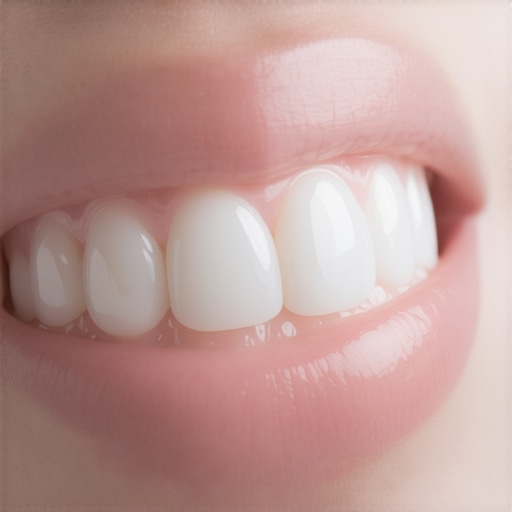
Does changing your tooth length mess with your speech?
It’s a question I get from the most detail-oriented readers. The short answer? Yes, temporarily. Your tongue uses the back of your front teeth to create certain sounds, specifically ‘S’ and ‘V’ sounds. If you add three millimeters of length without considering your ‘incisal edge’ position, you might end up with a slight lisp for a week. A truly skilled pro using cosmetic dentistry secrets to boost your confidence will use ‘provisional’ teeth (temporaries) to test your speech before the final porcelain is ever fired. Finally, remember that lighting is everything. You might love your look in the office mirror, but understanding the reason your veneers look different in sunlight will save you from picking a shade that looks like a neon sign the moment you step outside. Have you ever fallen into the trap of thinking a dental fix was a permanent ‘pass’ on maintenance? Let me know in the comments.I’ll let you in on a secret: the real work begins the moment you leave the dentist’s chair with your new look. Think of a veneers transformation unlocking your best smile yet like buying a high-performance sports car. You wouldn’t skip the oil changes or run it through a cheap, scratchy car wash, right? Your teeth are no different. After I had my own work done, I realized that my old habits—like mindlessly chewing on a pen or using my teeth as a pair of scissors—had to die immediately. If you want these results to last twenty years instead of five, you need a strategy that goes beyond just ‘brushing harder.’
The tools I actually keep in my bathroom cabinet
I’ve tried every gadget on the market, but only a few have earned a permanent spot. First, toss out any ‘firm’ bristled toothbrushes; they are the enemy of porcelain and delicate gum tissue. I switched to a sonic toothbrush with a pressure sensor because I didn’t realize I was scrubbing my gums away. Learning the best way to brush when you have sensitive gums changed everything for me. It’s about the vibration, not the elbow grease. Then there is the water flosser. If you have implants, this isn’t optional. I use mine on a medium setting to flush out the ‘sulcus’—that tiny pocket where the implant meets the gum. It’s much more effective than string for reaching those awkward angles, and the benefit of using a water flosser is that it won’t snag on the edges of your new hardware.
How do I keep my dental investment from failing prematurely?
Consistency is your only insurance policy. The International Journal of Oral & Maxillofacial Implants (JOMI) has published extensive data showing that ‘mechanical plaque control’—essentially, how well you clean the physical surfaces—is the primary predictor of long-term implant success. I make it a point to learn how to safely clean a dental implant without scratching the post, because even a microscopic scratch can become a breeding ground for bacteria. I also avoid anything abrasive. That means no ‘whitening’ toothpastes with high RDA (Relative Dentin Abrasivity) scores. These pastes often use silica or baking soda, and the danger of using baking soda to whiten your teeth at home is that it can dull the polish on your veneers over time, making them look matte and lifeless instead of like natural enamel. 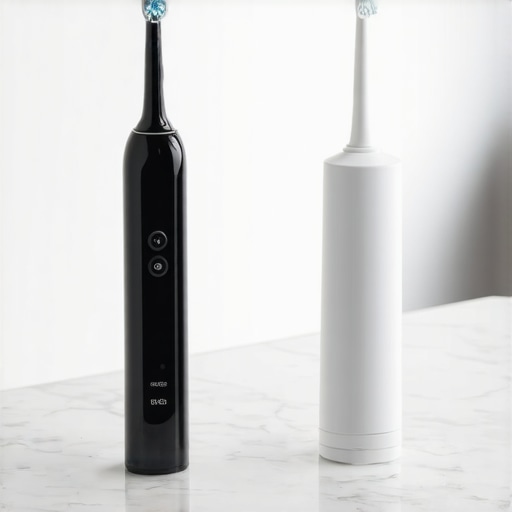
Where the tech is heading in the next five years
I’m personally very excited about the shift toward 3D-printed biocompatible materials. We are moving away from ‘one size fits all’ and toward restorations that are digitally mapped to your specific jaw movements. I predict that within the next decade, we will see the future of dental implants cutting edge techniques in cosmetic dentistry incorporating smart sensors that can actually alert your phone if it detects a shift in your bite or early signs of inflammation. We are entering an era of ‘proactive’ dentistry where we catch the problem before you ever feel the ache. For now, the best thing you can do is stay ahead of the curve with professional cleanings that use ‘AirFlow’ technology—a pressurized stream of water and fine powder that cleans better than any metal scraper ever could. Try this today: Next time you’re at the drugstore, look for a ‘monotuft’ brush. It looks like a tiny little paintbrush. Use it specifically to clean the junction where your veneer meets your gum line. It’s a game-changer for preventing that ‘dark line’ everyone is afraid of.
The Truth About Why Some Restorations Last Decades While Others Fail
Reflecting on my own journey through tooth wear, I realized that modern dentistry is a partnership, not a transaction. The hardest lesson I learned was that restoring your teeth is only 50% of the battle; the other 50% is changing the environment that caused the wear in the first place. If you invest in a veneers transformation unlocking your best smile yet but don’t address the midnight grinding, you’re essentially putting a high-performance car on a gravel road. I also learned that ‘perfectly straight’ and ‘stark white’ can sometimes look like a mask. The best results happen when you embrace tiny, natural imperfections—the slightly translucent edges and organic shade variations—that make a smile look real rather than manufactured.
My Toolkit for Keeping Porcelain and Implants Pristine
I trust these specific tools because they emphasize longevity without being abrasive. First, I never skip using a pressure-sensitive sonic brush; it’s honestly the best way to brush when you have sensitive gums or new porcelain work. Second, a water flosser is non-negotiable for anyone with restorative work. You might find that the benefit of using a water flosser extends far beyond braces; it flushes the margins of crowns and veneers where a regular brush simply can’t reach. Lastly, keep a close eye on any structural changes. Knowing how to tell if your dental crown is loose or just sensitive can save you from a weekend emergency and keep your dental foundation solid for years to come.
[image_placeholder]
It Is Time to Stop Hiding Your Smile
You don’t have to accept a ‘shrunken’ smile as an inevitable part of aging. Whether you’re looking at the future of dental implants cutting edge techniques in cosmetic dentistry or simple protective measures like custom night guards, the technology exists to give you back the confidence you had in those old photos. Don’t wait until you’re dealing with pain or structural collapse to take action. Your smile is the first thing the world sees—make sure it reflects the person you are today, not just the mechanical wear of the past. Have you noticed your teeth looking a bit shorter or thinner lately, and what is the one thing holding you back from fixing it? Let me know in the comments below.