I was halfway through a perfectly grilled ribeye when I felt it—that tiny, heart-stopping shift in the back of my mouth. It wasn’t a crunch of bone; it was the distinct, sickening wiggle of my dental bridge. For a split second, I was paralyzed, convinced I was about to swallow three teeth’s worth of dental work. I spent the rest of the night chewing like a nervous squirrel on the other side of my mouth, wondering if my dentist had just used cheap glue or if I was losing my mind. If you have ever felt that terrifying little clunk while trying to enjoy a dinner out, you are not alone. Most people assume the bridge is just broken, but the reality is usually much more subtle—and fixable. Today, we are going to dive into why that movement happens only when you are eating and how you can save your smile before the bridge actually pops out.
The Sneaky Culprit Behind That Mid-Meal Wiggle
I’ll be the first to admit a major mistake I made: I ignored the clicking for months. I told myself it was just my imagination or maybe just some food getting trapped under the pontic. By the time I finally sat in the dentist’s chair, the underlying cement had completely washed out. The hidden reason your bridge feels loose specifically during meals is often due to ‘micromovement’ caused by hydraulic pressure. When you bite down, food and saliva are forced into tiny, invisible gaps where the cement has started to degrade. This creates a piston-like effect that lifts the bridge just enough for you to feel it. According to the American Dental Association, while bridges are incredibly durable, they rely entirely on the seal of the abutment teeth; once that seal is compromised by moisture or decay, the structural integrity during heavy chewing is the first thing to go. If you are already at the stage where it feels unstable, you need to know how to store it safely just in case it fully detaches while you are away from home.
Is a loose bridge actually worth the panic?
It is easy to get skeptical and think your dentist is just looking for an excuse to sell you a new restoration. You might wonder if you can just live with a little wiggle. I tried that, and trust me, the anxiety of every meal is not worth it. Plus, a loose bridge is a breeding ground for bacteria that can destroy the healthy teeth holding it up. Have you ever experienced that weird sensation where your tooth only moves when you release a bite? That is a major red flag. I want to hear your stories—have you ever had a bridge fail at the absolute worst moment, like a first date or a wedding? Let me know in the comments. We are going to look at whether you are dealing with true looseness or just localized sensitivity, because knowing the difference can save you a lot of money.
Stop poking it and start testing
The moment you feel that wiggle, your instinct is to prod it with your tongue or, worse, your finger. I did exactly that back in 2019, thinking I could just ‘push’ the bridge back into place like a loose floorboard. Instead, I accidentally pushed a piece of crust into the gap, making the instability even worse. If you are feeling movement, you need to conduct a ‘dry run’ diagnostic. Use a mirror and a clean finger to gently apply pressure to each side of the bridge. If you see tiny bubbles of saliva appearing near the gum line, that is the ‘piston effect’—a clear sign that the cement seal is broken. This seal breach is often why your tooth hurts only when you release a bite, as the vacuum created by the movement pulls on the sensitive nerves of the abutment tooth.
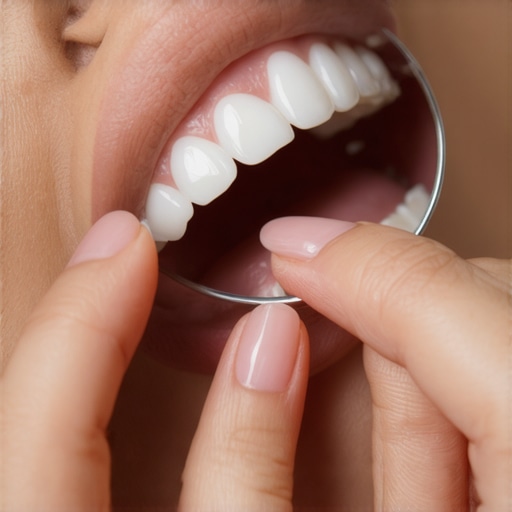
Identify the source of the wiggle
Think of your dental bridge like a suspension bridge over water; if the concrete pillars (your natural teeth) are crumbling, the whole deck is going down. Sometimes the bridge feels loose not because of the cement, but because the underlying tooth has developed a cavity. You can check for this by paying attention to why your jaw clicks more when you are chewing on one side. If the click happens simultaneously with the wiggle, the alignment of your bite might be hammering the bridge loose. In the world of cosmetic dentistry secrets to boost your confidence, we often see that a bridge that was perfectly fine for years suddenly fails because of a change in your grinding habits or a subtle shift in the adjacent teeth.
Don’t reach for the DIY repair kits
I once met a guy who tried to re-cement his own crown with industrial superglue. Not only did he ruin the porcelain, but he also caused a chemical burn on his gums that took weeks to heal. If your bridge is wiggling, the repair is purely professional. Avoid the danger of using a safety pin to remove food from your gums or the bridge gap, as this can scratch the metal framework and harbor bacteria. Instead, switch to a soft food diet immediately. Think of it as a ‘limp home’ mode for your mouth. You want to minimize the lateral forces that could snap the abutment teeth off at the gum line.
The upgrade you might eventually need
If the bridge is too far gone, or the supporting teeth are decayed beyond repair, you will likely be looking at a permanent upgrade. Many people moving on from traditional bridges are now looking at dental implants 2025 innovations that redefine comfort and durability. Unlike a bridge, which relies on its neighbors, an implant is like a solo artist—it stands on its own. If you are torn between re-doing the bridge or moving to implants, it is worth checking how to tell if your dental crown is loose or just sensitive to see if the support teeth are still viable candidates for a new restoration. In my case, I had to wait two weeks for an appointment, and during that time, I learned that keeping the area meticulously clean with a water flosser was the only thing that kept the inflammation down.
Let’s pull back the curtain on a common dental myth: the idea that once a bridge or veneer is cemented, that tooth is ‘shielded’ from future trouble. In reality, the opposite is often true. I’ve seen many patients treat their new restorations like armor, neglecting the tiny margins where the porcelain meets the natural gum line. This is the ultimate ‘oops’ factor. If you stop aggressive cleaning because you are afraid of moving the bridge, you are actually inviting the very bacteria that will dissolve the remaining tooth structure. Furthermore, using abrasive DIY hacks like baking soda to whiten your teeth at home can strip the microscopic glaze off your bridge, making it porous and prone to staining. Have you ever fallen into this trap of being ‘too gentle’ with your dental work? Let me know in the comments.
Can a bridge fail even if the supporting teeth are perfectly healthy?
Surprisingly, yes. You might have the strongest teeth in the world, but if your ‘occlusion’—the way your top and bottom teeth meet—is off by even a millimeter, the constant hammering of your jaw can shear the cement bond. This mechanical stress is often linked to frequent headaches and grinding your teeth, which many people don’t realize is a direct threat to their cosmetic work. A study published in the International Journal of Prosthodontics highlights that structural failure is frequently a result of ‘fatigue loading,’ essentially wearing down the bond through repetitive micro-trauma rather than a one-time accident. 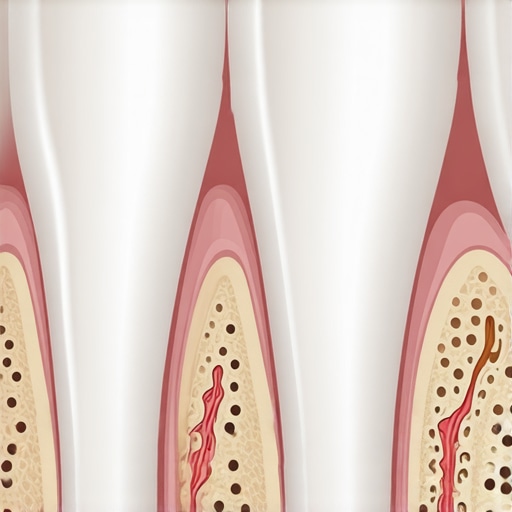
Why your bite matters more than the material
Another nuance most people miss is the difference between a loose fit and a design flaw. If you’ve transitioned from a bridge to veneers and feel like something is wrong, it might not be the bond. For instance, understanding why your new veneers feel bulky against your lips is crucial; sometimes the laboratory over-contours the porcelain to hide dark stains, which changes your speech and bite. When we talk about the truth about the durability of composite vs porcelain veneers, the real secret isn’t just the material—it’s the prep work. If the dentist doesn’t account for your specific jaw movement, no amount of high-tech porcelain will stay put. In the world of family dentistry tips for a lifetime of healthy smiles, we focus on the foundation. Whether you are dealing with a wiggle or wondering why your dental implant feels heavy in your jaw bone, remember that your mouth is a dynamic environment, not a static one. Proactive monitoring is the only way to ensure your ‘permanent’ smile actually lasts a lifetime.
Stop guessing and start measuring your cleaning success
I’ve learned the hard way that you can’t just brush and hope for the best when you have thousands of dollars of porcelain in your mouth. When you transition from natural teeth to a bridge or set of veneers, your cleaning routine needs to shift from general maintenance to surgical precision. I personally swear by a two-pronged approach: the mechanical action of interdental brushes combined with the flushing power of a high-end water flosser. A study published in the Cochrane Database of Systematic Reviews highlights that interdental brushes are significantly more effective at removing plaque than traditional floss in spaces large enough to accommodate them—which is exactly what you find under a dental bridge or around the margins of veneers that unlock your best smile.
How do I maintain my dental bridge and veneers over time?
Maintenance isn’t just about what you do in the morning; it’s about the specific tools you choose. I recommend using the TePe range of interdental brushes because they offer color-coded sizes that allow you to match the brush to the specific gap. For instance, you might need a red brush for your lower teeth but a yellow one to get under that bridge pontic. If you are dealing with hardware, the benefit of using a water flosser cannot be overstated. It reaches the blind spots where the cement meets the gum line, preventing the exact type of washout I experienced. Following family dentistry tips for a lifetime of healthy smiles is about more than just brushing; it’s about the consistency of these techniques, especially if you have opted for dental implants 2025 innovations. You must learn how to safely clean a dental implant without scratching the post, which can otherwise harbor harmful biofilm.
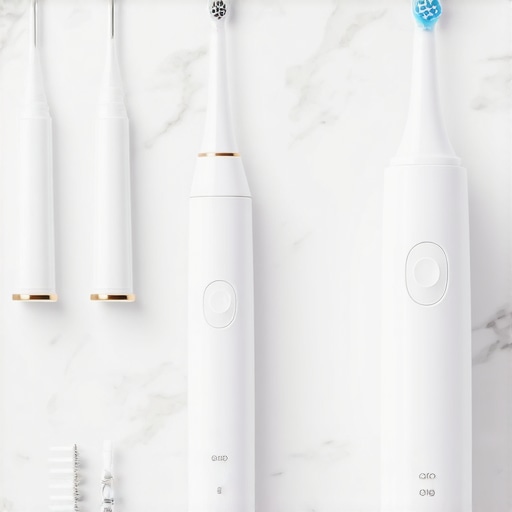
The specific toolkit I use for a gap-free smile
Beyond the brushes, I use a high-definition dental mirror with a built-in LED. It sounds like overkill until you actually see the plaque hiding on the lingual side of your bridge. This level of self-inspection is what separates a restoration that lasts five years from one that lasts twenty. If you’re comparing veneers vs crowns, remember that both require impeccable hygiene at the margin to prevent secondary decay. I also use a pH-neutral mouthwash to avoid eroding the bonding agents. Many whitening mouthwashes are surprisingly acidic, which can be a disaster for your long-term cosmetic dentistry success.
The high-tech future of home oral care
Looking ahead, I predict we are less than five years away from smart-implants that can alert your phone if they detect a change in the chemical composition of your saliva—essentially a check engine light for your mouth. We are already seeing the future of dental implants and cutting-edge techniques moving toward bio-active surfaces that fight infection. Even now, how dental implants reshape your oral health in 2025 is largely about the integration of digital mapping to ensure the perfect fit, reducing the chances of mechanical failure. My advanced tip for you today: buy a pack of plaque disclosing tablets. Use one tonight after your regular cleaning. It will show you exactly where you are missing, and I bet it is right under that bridge. Give it a try and see what you find!
I was halfway through a perfectly grilled ribeye when I felt it—that tiny, heart-stopping shift in the back of my mouth. It wasn’t a crunch of bone; it was the distinct, sickening wiggle of my dental bridge. For a split second, I was paralyzed, convinced I was about to swallow three teeth’s worth of dental work. I spent the rest of the night chewing like a nervous squirrel on the other side of my mouth, wondering if my dentist had just used cheap glue or if I was losing my mind. If you have ever felt that terrifying little clunk while trying to enjoy a dinner out, you are not alone. Most people assume the bridge is just broken, but the reality is usually much more subtle—and fixable. Today, we are going to dive into why that movement happens only when you are eating and how you can save your smile before the bridge actually pops out.
The Sneaky Culprit Behind That Mid-Meal Wiggle
I’ll be the first to admit a major mistake I made: I ignored the clicking for months. I told myself it was just my imagination or maybe just some food getting trapped under the pontic. By the time I finally sat in the dentist’s chair, the underlying cement had completely washed out. The hidden reason your bridge feels loose specifically during meals is often due to ‘micromovement’ caused by hydraulic pressure. When you bite down, food and saliva are forced into tiny, invisible gaps where the cement has started to degrade. This creates a piston-like effect that lifts the bridge just enough for you to feel it. According to the American Dental Association, while bridges are incredibly durable, they rely entirely on the seal of the abutment teeth; once that seal is compromised by moisture or decay, the structural integrity during heavy chewing is the first thing to go. If you are already at the stage where it feels unstable, you need to know how to store it safely just in case it fully detaches while you are away from home.
Is a loose bridge actually worth the panic?
It is easy to get skeptical and think your dentist is just looking for an excuse to sell you a new restoration. You might wonder if you can just live with a little wiggle. I tried that, and trust me, the anxiety of every meal is not worth it. Plus, a loose bridge is a breeding ground for bacteria that can destroy the healthy teeth holding it up. Have you ever experienced that weird sensation where your tooth only moves when you release a bite? That is a major red flag. I want to hear your stories—have you ever had a bridge fail at the absolute worst moment, like a first date or a wedding? Let me know in the comments. We are going to look at whether you are dealing with true looseness or just localized sensitivity, because knowing the difference can save you a lot of money.
Stop poking it and start testing
The moment you feel that wiggle, your instinct is to prod it with your tongue or, worse, your finger. I did exactly that back in 2019, thinking I could just ‘push’ the bridge back into place like a loose floorboard. Instead, I accidentally pushed a piece of crust into the gap, making the instability even worse. If you are feeling movement, you need to conduct a ‘dry run’ diagnostic. Use a mirror and a clean finger to gently apply pressure to each side of the bridge. If you see tiny bubbles of saliva appearing near the gum line, that is the ‘piston effect’—a clear sign that the cement seal is broken. This seal breach is often why your tooth hurts only when you release a bite, as the vacuum created by the movement pulls on the sensitive nerves of the abutment tooth.
Identify the source of the wiggle
Think of your dental bridge like a suspension bridge over water; if the concrete pillars (your natural teeth) are crumbling, the whole deck is going down. Sometimes the bridge feels loose not because of the cement, but because the underlying tooth has developed a cavity. You can check for this by paying attention to why your jaw clicks more when you are chewing on one side. If the click happens simultaneously with the wiggle, the alignment of your bite might be hammering the bridge loose. In the world of cosmetic dentistry secrets to boost your confidence, we often see that a bridge that was perfectly fine for years suddenly fails because of a change in your grinding habits or a subtle shift in the adjacent teeth.
Don’t reach for the DIY repair kits
I once met a guy who tried to re-cement his own crown with industrial superglue. Not only did he ruin the porcelain, but he also caused a chemical burn on his gums that took weeks to heal. If your bridge is wiggling, the repair is purely professional. Avoid the danger of using a safety pin to remove food from your gums or the bridge gap, as this can scratch the metal framework and harbor bacteria. Instead, switch to a soft food diet immediately. Think of it as a ‘limp home’ mode for your mouth. You want to minimize the lateral forces that could snap the abutment teeth off at the gum line.
The upgrade you might eventually need
If the bridge is too far gone, or the supporting teeth are decayed beyond repair, you will likely be looking at a permanent upgrade. Many people moving on from traditional bridges are now looking at dental implants 2025 innovations that redefine comfort and durability. Unlike a bridge, which relies on its neighbors, an implant is like a solo artist—it stands on its own. If you are torn between re-doing the bridge or moving to implants, it is worth checking how to tell if your dental crown is loose or just sensitive to see if the support teeth are still viable candidates for a new restoration. In my case, I had to wait two weeks for an appointment, and during that time, I learned that keeping the area meticulously clean with a water flosser was the only thing that kept the inflammation down.
Let’s pull back the curtain on a common dental myth: the idea that once a bridge or veneer is cemented, that tooth is ‘shielded’ from future trouble. In reality, the opposite is often true. I’ve seen many patients treat their new restorations like armor, neglecting the tiny margins where the porcelain meets the natural gum line. This is the ultimate ‘oops’ factor. If you stop aggressive cleaning because you are afraid of moving the bridge, you are actually inviting the very bacteria that will dissolve the remaining tooth structure. Furthermore, using abrasive DIY hacks like baking soda to whiten your teeth at home can strip the microscopic glaze off your bridge, making it porous and prone to staining. Have you ever fallen into this trap of being ‘too gentle’ with your dental work? Let me know in the comments.
Can a bridge fail even if the supporting teeth are perfectly healthy?
Surprisingly, yes. You might have the strongest teeth in the world, but if your ‘occlusion’—the way your top and bottom teeth meet—is off by even a millimeter, the constant hammering of your jaw can shear the cement bond. This mechanical stress is often linked to frequent headaches and grinding your teeth, which many people don’t realize is a direct threat to their cosmetic work. A study published in the International Journal of Prosthodontics highlights that structural failure is frequently a result of ‘fatigue loading,’ essentially wearing down the bond through repetitive micro-trauma rather than a one-time accident.
Why your bite matters more than the material
Another nuance most people miss is the difference between a loose fit and a design flaw. If you’ve transitioned from a bridge to veneers and feel like something is wrong, it might not be the bond. For instance, understanding why your new veneers feel bulky against your lips is crucial; sometimes the laboratory over-contours the porcelain to hide dark stains, which changes your speech and bite. When we talk about the truth about the durability of composite vs porcelain veneers, the real secret isn’t just the material—it’s the prep work. If the dentist doesn’t account for your specific jaw movement, no amount of high-tech porcelain will stay put. In the world of family dentistry tips for a lifetime of healthy smiles, we focus on the foundation. Whether you are dealing with a wiggle or wondering why your dental implant feels heavy in your jaw bone, remember that your mouth is a dynamic environment, not a static one. Proactive monitoring is the only way to ensure your ‘permanent’ smile actually lasts a lifetime.
Stop guessing and start measuring your cleaning success
I’ve learned the hard way that you can’t just brush and hope for the best when you have thousands of dollars of porcelain in your mouth. When you transition from natural teeth to a bridge or set of veneers, your cleaning routine needs to shift from general maintenance to surgical precision. I personally swear by a two-pronged approach: the mechanical action of interdental brushes combined with the flushing power of a high-end water flosser. A study published in the Cochrane Database of Systematic Reviews highlights that interdental brushes are significantly more effective at removing plaque than traditional floss in spaces large enough to accommodate them—which is exactly what you find under a dental bridge or around the margins of veneers that unlock your best smile.
How do I maintain my dental bridge and veneers over time?
Maintenance isn’t just about what you do in the morning; it’s about the specific tools you choose. I recommend using the TePe range of interdental brushes because they offer color-coded sizes that allow you to match the brush to the specific gap. For instance, you might need a red brush for your lower teeth but a yellow one to get under that bridge pontic. If you are dealing with hardware, the benefit of using a water flosser cannot be overstated. It reaches the blind spots where the cement meets the gum line, preventing the exact type of washout I experienced. Following family dentistry tips for a lifetime of healthy smiles is about more than just brushing; it’s about the consistency of these techniques, especially if you have opted for dental implants 2025 innovations. You must learn how to safely clean a dental implant without scratching the post, which can otherwise harbor harmful biofilm.
The specific toolkit I use for a gap-free smile
Beyond the brushes, I use a high-definition dental mirror with a built-in LED. It sounds like overkill until you actually see the plaque hiding on the lingual side of your bridge. This level of self-inspection is what separates a restoration that lasts five years from one that lasts twenty. If you’re comparing veneers vs crowns, remember that both require impeccable hygiene at the margin to prevent secondary decay. I also use a pH-neutral mouthwash to avoid eroding the bonding agents. Many whitening mouthwashes are surprisingly acidic, which can be a disaster for your long-term cosmetic dentistry success.
The high-tech future of home oral care
Looking ahead, I predict we are less than five years away from smart-implants that can alert your phone if they detect a change in the chemical composition of your saliva—essentially a check engine light for your mouth. We are already seeing the future of dental implants and cutting-edge techniques moving toward bio-active surfaces that fight infection. Even now, how dental implants reshape your oral health in 2025 is largely about the integration of digital mapping to ensure the perfect fit, reducing the chances of mechanical failure. My advanced tip for you today: buy a pack of plaque disclosing tablets. Use one tonight after your regular cleaning. It will show you exactly where you are missing, and I bet it is right under that bridge. Give it a try and see what you find!
The Most Expensive Mistakes I Made With My Restorations
If I could go back to the day I first felt that wiggle, I would change three things immediately. First, I would stop treating my bridge like it was indestructible; it’s a precision medical device, not a piece of armor. Second, I’d stop the “wait and see” approach. In the world of cosmetic dentistry secrets to boost your confidence, silence is rarely golden—it’s usually the sound of cement washing away. Finally, I realized that choosing between veneers vs crowns or a bridge depends entirely on the health of the anchor teeth, which I neglected by being too gentle during cleaning.
The Daily Gear That Keeps My Smile Intact
Maintaining high-end dental work requires more than a standard toothbrush. I trust a three-part toolkit to keep everything stable. I use a high-powered water flosser every night to reach under the pontic, a habit that is essential for family dentistry tips for a lifetime of healthy smiles. I also keep a set of interdental brushes in my bag for post-meal cleaning. Lastly, I recommend a lighted intraoral mirror; being able to actually see the margins of your expert tips for perfect smile results allows you to catch trouble before it becomes a wiggle.
Don’t Wait for the Bridge to Fully Fail
If you are feeling that distinct shift while you eat, your mouth is trying to tell you something. You don’t have to live with the anxiety of a mid-meal disaster. Whether you need a simple re-cementing or you decide to explore dental implants 2025 innovations that redefine comfort and durability, taking action now is the best way to protect your investment. Your confidence is worth the effort of a quick check-up. Have you ever felt that heart-stopping wiggle while eating something totally normal? Let me know your experience in the comments!