The toothbrush was currently lying in the hallway, dripping blue gel onto the carpet, while my three-year-old staged a full-scale protest behind the toilet. I was exhausted, kneeling on the cold bathroom tile, and feeling like a total failure. If I couldn’t even get thirty seconds of brushing done, how was I supposed to protect those tiny teeth? I’ve been there—the screaming, the clamped-shut jaws, and that sinking feeling that a massive dentist bill is just around the corner. It’s visceral. It’s frustrating. And quite frankly, it’s enough to make any parent want to just give up and hope for the best. But I learned the hard way that ‘hoping’ doesn’t stop plaque, and forcing the issue only makes the next night even harder. [image_placeholder_1]
Stop Fighting the Toothbrush and Start Winning the War on Decay
Believe me, I made the classic blunder early on. I thought I could just power through the resistance with sheer parental will. I fell right into the mistake most parents make with their child’s first tooth, which is turning oral hygiene into a chore rather than a habit. When we make it a battle of wills, the child wins every time because they’ll eventually associate the dentist with fear. According to the American Academy of Pediatric Dentistry, tooth decay is actually the most common chronic childhood disease—five times more common than asthma—so the stakes are higher than just a fussy bedtime routine. Today, we are going to solve this. I’m going to show you how to sneak in protection, utilize family dentistry tips for a lifetime of healthy smiles, and ultimately keep those cavities at bay without the nightly wrestling match. Have you ever felt like you were just one more ‘no’ away from throwing the toothbrush out the window? You aren’t alone in this.
Does skipping one night really lead to a mouth full of cavities?
It’s the question we all ask ourselves when we’re too tired to fight. You might think baby teeth don’t matter because they fall out, but that’s a dangerous myth. If decay sets in early, it can affect the permanent teeth waiting underneath and lead to a toddlers first dental emergency that neither of you is prepared for. We need to look at long-term solutions, like asking your dentist why your child needs a dental sealant for their molars as they grow. But for right now, in the toddler trenches, we need tactical moves that work when the ‘standard’ advice fails. Let’s dive into the unconventional strategies that actually saved my sanity and my kid’s smile.
Turn the Toothbrush Into a Rescue Mission
I used to stand there like a drill sergeant, pointing at the clock and demanding compliance. It never worked. One night, out of pure desperation, I told my son that his molars were actually ‘dino caves’ full of trapped ‘sugar bugs’ that only his blue toothbrush submarine could save. Suddenly, the jaw clamped shut became a wide-open cavern. We weren’t brushing anymore; we were on a high-stakes rescue mission. To make this work, you have to lean into the narrative. If your child is struggling with discomfort, you might need to adjust your technique. Learning the best way to brush when you have sensitive gums can help you stay gentle while being thorough. I realized that my own frustration was making him tense, which is the real reason your child is afraid of the dental chair—they feed off our energy. If we treat it like a game, they treat it like a game. 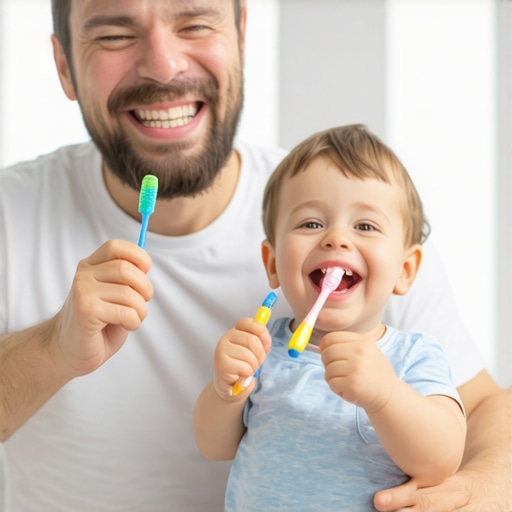
How to Spot a Problem Before the Pain Starts
You can’t just wait for them to complain of a toothache because, by then, the decay is likely deep. I started doing ‘flashlight checks’ every Sunday night. We’d make a fort out of blankets, and I’d use a small LED light to peek at his back teeth. I learned how to tell if your child has a cavity or just deep grooves, which saved us from several unnecessary panic attacks. If you see shadows between the teeth, it’s time to call the pro. Knowing how to tell if you have a hidden cavity between teeth is a skill every parent should develop because those tiny gaps are magnets for leftover juice and crackers.
Partner With Your Dentist for Long-Term Wins
Sometimes, despite our best efforts at home, biology is just working against us. Some kids have deeper pits in their molars that no toothbrush can reach. This is where clinical intervention becomes your best friend. Don’t be afraid to ask why your child needs a dental sealant for their molars; it’s like putting a microscopic raincoat over the tooth to keep the acid out. I also kept a small kit ready for those inevitable ‘uh-oh’ moments. Knowing how to handle your childs first dental emergency safely—like a chipped tooth from a fall at the park—reduced my anxiety tenfold. If they are still in the younger phase, remember how to soothe your childs gums during the teething stage to keep them from associating oral care with pain. By combining these family dentistry tips for a lifetime of healthy smiles with a bit of creative storytelling, you move from being the bathroom warden to the hero of the dental health story.
While rescue missions and flashlight checks work for toddlers, the game changes as we look at the bigger picture of our family’s oral health. One of the most dangerous myths I see people buy into is that cosmetic fixes are a ‘shortcut’ to a healthy mouth. In my years of obsessing over this, I’ve realized that cosmetic dentistry secrets to boost your confidence aren’t just about the surface; they are deeply tied to the structural integrity of your jaw. Many people assume that once they get a veneer or an implant, that tooth is ‘invincible.’ That is a massive trap. In reality, the truth about the durability of composite vs porcelain veneers is that they still require a foundation of healthy gum tissue to survive.
Why do my expensive new teeth look gray in a restaurant booth?
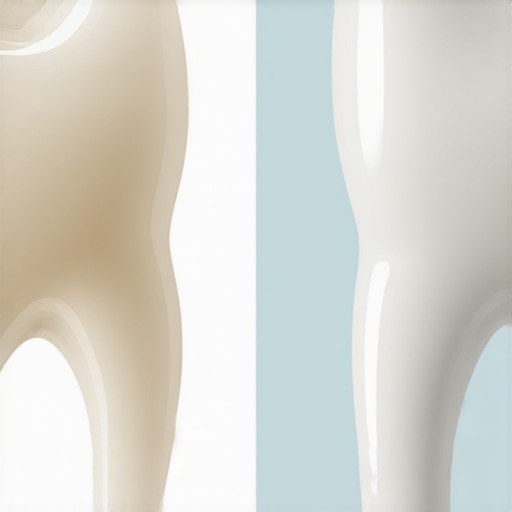
This is a sophisticated nuance most people miss: metamerism. It’s the way a material looks different under various lighting. I’ve seen patients spend thousands only to realize the reason your veneers look different in sunlight versus indoors is due to the translucency of the porcelain choice. If you don’t know how to pick the right shade for your new porcelain veneers with a professional who understands light refraction, you might end up with a smile that looks ‘opaque’ or fake. According to a study by the American Academy of Cosmetic Dentistry, the most successful restorations are those that mimic the multi-layered natural enamel, rather than just choosing the whitest possible slab. Have you ever fallen into the trap of thinking ‘whiter is always better’? Let me know in the comments.
Another area where ‘common sense’ often fails us is with dental implants. The common belief is that since the post is titanium, you can’t get an infection. This is a dangerous ‘oops’ factor. While the metal doesn’t decay, the surrounding bone and gums are susceptible to peri-implantitis. This is why how dental implants reshape your oral health in 2025 is as much about the technology of the bone graft as it is about the crown itself. If you aren’t careful, you might ignore the red flags that your dental implant is being rejected, such as a slight tingle or warmth at the site. Even lifestyle choices play a role; for instance, the impact of smoking on your dental implant success rate is so severe that it can lead to a failure rate up to 20% higher than for non-smokers.
We have to stop thinking of family dentistry tips for a lifetime of healthy smiles as just ‘brushing twice a day.’ It’s about understanding the synergy between our habits and the materials in our mouths. Whether you are deciding on veneers vs crowns which is right for your smile or managing your child’s first x-ray, the goal is long-term stability, not just a quick aesthetic win. Don’t be the person who waits for the pain to start before investigating the nuance; by then, the expensive work has already begun.
Moving past the technical nuances of porcelain and titanium, we have to talk about the ‘day-to-day’ reality of keeping that smile intact. I used to think that once the dentist finished the job, my part was over. I was wrong. Maintenance is where the real work happens, and it’s what separates a five-year restoration from a thirty-year one. For me, the game-changer wasn’t a more expensive toothbrush; it was a water flosser. If you have any restorative work, the benefit of using a water flosser with your braces or implants cannot be overstated—it reaches the microscopic crevices where traditional floss just shreds and fails. I personally use a high-pressure model every night because it flushes out the bacteria that cause that ‘warm’ feeling around healing sites. If you’ve ever wondered why your dental implant site feels warm during healing, it’s often your body reacting to minor debris.
How do I maintain my dental work over time?
Consistency is the only ‘secret weapon’ that exists. Beyond the water flosser, I’m a huge advocate for custom night guards. Most of us clench our teeth at night without realizing it, which is often the connection between frequent headaches and grinding your teeth. If you are wearing a guard, you must know how to clean your night guard without damaging the material to prevent bacterial colonies from forming. It’s not just about the teeth; it’s about protecting the investment of the crown or veneer from the immense pressure of a midnight jaw-clench. 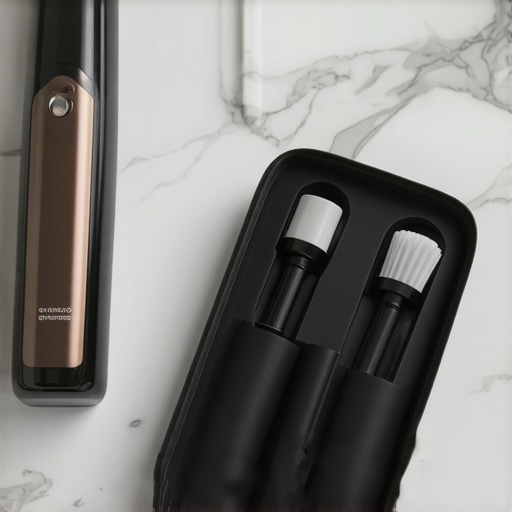 I also look at specialized tools for those with aligners. If you find the reason your jaw aches every time you wear your aligners is due to improper seating, ‘chewies’ or seating devices are non-negotiable. As the late Dr. Carl Misch, a pioneer in implantology, noted in his technical documentation on ‘Bone Density and Implant Success,’ the long-term stability of any dental work relies on the health of the surrounding tissue, which is directly influenced by how we manage daily biomechanical stress. Looking ahead, I predict that by 2026, we will see smart-sensors embedded in night guards that track clenching patterns in real-time, sending data straight to your phone. This isn’t sci-fi; dental implants 2025 innovations that redefine comfort and durability are already laying the groundwork for bio-integrated tech. I strongly encourage you to try the ‘nightly water-floss flush’ for one week—you will notice a massive difference in how your gums feel. Whether you are balancing family dentistry tips for a lifetime of healthy smiles for your kids or managing your own veneers transformation unlocking your best smile yet, the tools you use tonight dictate the results you see in a decade.
The hard-won lessons from my years in the dental chair
After navigating everything from toddler tantrums to complex restorative work, I’ve realized that the ‘secret’ to a perfect smile isn’t a secret at all—it’s a mindset shift. Here are the lightbulb moments that changed everything for me:
- Aesthetics follow health. You can’t build a beautiful house on a swamp. If you want expert tips for perfect results with veneers, start by making your gum health the absolute priority.
- Your mouth is a sensitive ecosystem. A single neglected cavity or a poorly managed cut on your tongue or cheek can throw off the balance of your entire oral microbiome, leading to systemic issues.
- Innovation is your best ally. Keeping up with cutting-edge techniques in cosmetic dentistry means you don’t have to settle for the invasive or painful procedures of twenty years ago.
[image_placeholder_E]
My non-negotiable toolkit for a lifetime of health
If you are serious about protecting your dental investment, there are three resources I swear by. First, always check the American Dental Association (ADA) database for product efficacy; it’s the only way to bypass the marketing hype and find what actually works. Second, I recommend keeping a ‘Dental First Aid’ kit with saline, gauze, and temporary filling material—it’s a lifesaver for unexpected weekend mishaps. Finally, never underestimate the power of a digital intraoral camera during your checkups; seeing your own teeth in high-definition 4K changes how you value your daily flossing routine and helps you spot issues before they become emergencies.
Start building your legacy of healthy smiles today
Oral health isn’t just about avoiding pain; it’s about the confidence to laugh without covering your mouth and the peace of mind knowing your children aren’t afraid of the dental chair. By applying these family dentistry tips for a lifetime of healthy smiles, you are doing more than just cleaning teeth—you are preserving your family’s future quality of life. If you have specific questions about your unique dental journey or are ready to take the next step in your care, please reach out to our team for expert guidance. Your future self will thank you for the work you do tonight. Have you ever had a dental ‘lightbulb moment’ where a simple change in habit made a huge difference in your comfort? Let me know in the comments below!