I was sitting in a tiny bistro in the heart of Rome, about to take a bite of the most incredible bruschetta, when it happened. Click. That sickening, metallic snap that every braces-wearer fears. My bracket didn’t just come loose; it was dancing along the wire like a bead on a necklace. I froze. I’d spent months researching the best age to start looking at orthodontic options for your children and perfecting my own routine, but I never planned for a mid-holiday hardware failure. I felt like a failure. Worse, I felt like my entire progress was about to slide backward. But here’s the good news: I survived that dinner, and you will survive your trip too. Today, I’m walking you through the exact steps to stabilize your smile so you can get back to the sightseeing.
Your Vacation Isn’t Over Just Because a Bracket Is Loose
It is so easy to spiral into emergency mode when something feels wrong in your mouth. I remember my first major orthodontic blunder—I once tried to use a tiny dab of superglue to reattach a bracket before a wedding. I thought I was being clever and saving my treatment. Instead, I ended up with a crusty, chemical mess on my molar that required a professional scraping session later. Please, for the love of your enamel, never do that. It’s a mess to clean up and can actually damage the tooth surface. Instead of DIY repairs, we focus on comfort and stability. Whether you are dealing with a bracket that is sliding or you need to know how to handle a loose wire on your braces at home, the goal is simply to prevent irritation. Did you know that roughly 10% of orthodontic patients will experience a loose bracket or wire at some point during their treatment according to data from the American Association of Orthodontists? It is a common hiccup rather than a true medical emergency. Have you ever had a piece of your dental work fail at the absolute worst possible moment?
Can You Really Manage This Without a Professional?
Many people worry that if they don’t see a doctor immediately, their teeth will start moving back to their original crooked positions overnight. I used to think the same thing. The reality is that your archwire is still doing the heavy lifting. As long as the wire is intact, a single loose bracket is usually just an annoyance rather than a catastrophe. You don’t need to find a random clinic in a foreign country and hope they understand your treatment plan. By using a little orthodontic wax and some common sense, you can keep things steady until you’re back in your own neighborhood. We aren’t just protecting your teeth; we’re protecting your vacation memories from being overshadowed by a sharp piece of metal. You might even find that you need to manage gum pain after getting your braces tightened or adjusted if the loose piece causes a sore, but it is all manageable. It’s about shifting from panic to triage mode.
Stop the Poke and Secure the Metal
First, take a deep breath and step away from the mirror for a second. I spent ten minutes in that Roman bistro bathroom looking at my reflection like I was performing surgery, only to realize that a loose bracket is basically just a sliding bead. If it isn’t causing pain, you can often just leave it alone. However, if it’s spinning or irritating your cheek, you need a plan. Think of your braces like a suspension bridge; one loose cable doesn’t mean the whole thing is falling into the river, but it does mean you shouldn’t put extra stress on the remaining structure. This is exactly why you shouldn’t use your teeth as tools to open plastic bags or crunch on hard ice—your hardware is already at a disadvantage, and you don’t want to pop a second one.
Identify Exactly What Is Moving
Before you start poking around with your fingers, get a clear view of the situation. Use your phone’s flashlight and a bathroom mirror. Is the bracket still attached to the wire? If it’s just sliding back and forth, that’s actually the best-case scenario. When I was in Rome, I used a clean pair of tweezers—which I carefully sterilized with a little boiling water from the café—to gently slide the bracket back to the center of the tooth. It felt like a tiny victory in a very stressful situation. If the bracket has come off the wire entirely, save it in a small container or a piece of tissue. Don’t throw it away! Even if you have invested in cosmetic dentistry secrets to boost your confidence, keeping your original orthodontic hardware is the smartest move for your wallet.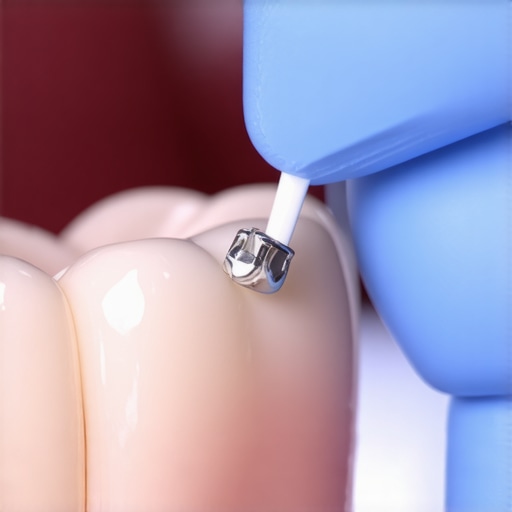
Apply Wax Like a Professional
Orthodontic wax is your best friend when things go sideways. If you didn’t pack any, find a local pharmacy and ask for “cera ortodontica.” I once forgot mine on a camping trip and tried to use sugar-free gum as a substitute—it was a disaster. It stuck to the wire and didn’t provide any cushion at all. To do it right, pinch off a pea-sized amount of wax, roll it into a ball to warm it up, and make sure to dry the bracket area with a cotton swab or a clean tissue first. If the metal is wet, the wax will just slide right off. Press the wax firmly over the bracket and the wire until it feels like a smooth “bumper.” This prevents your cheek from becoming a raw, painful mess by the time you reach your next destination. This type of proactive care is one of those family dentistry tips for a lifetime of healthy smiles that keeps minor issues from becoming major setbacks.
Manage the Irritation Until You Get Home
If the loose bracket has already caused a small sore on your cheek, you need to treat the tissue, not just the metal. A warm salt water rinse is the gold standard for oral healing. When I finally got back to my hotel after that dinner, I mixed about half a teaspoon of salt into a glass of warm water and swished for thirty seconds. It stung for a moment, but by the next morning, the inflammation had gone down significantly. It’s similar to how you would manage tooth pain when you have a sinus infection—you’re treating the symptom to keep yourself comfortable while the body does its work. Stay away from acidic foods like lemons, vinegar, or tomatoes for a few days, as they will turn those small scratches into a burning mess that ruins your appetite for local cuisine.
Choose Your Meals Wisely to Avoid More Damage
When your hardware is compromised, your menu needs to change immediately. This isn’t the time to test out a chewy baguette or a tough steak. I switched my Roman dinner from bruschetta to a soft carbonara the moment I felt that snap. Soft foods like pasta, mashed potatoes, or yogurt act as a safety net. You’re trying to prevent the archwire from bending or another bracket from failing under the pressure of a hard chew. This is a common strategy used in cutting-edge techniques in cosmetic dentistry and orthodontics alike: protect the work while it’s vulnerable. If you’re traveling with kids, make sure they understand that a “braces-friendly” diet is mandatory until you get back to the clinic, otherwise, you’ll be spending your vacation searching for dental offices instead of landmarks.Now that you know how to handle the immediate panic of a loose bracket, let’s talk about the nuances most people miss when they transition from basic braces to high-end restorative work. I’ve seen so many people—and I’ll admit, even I used to think this—who believe that once you get veneers or an implant, you’re essentially ‘done’ with dental maintenance. That is a dangerous trap. For example, a common mistake is chasing the brightest white possible, which often leads to why your porcelain veneers look opaque and not natural. Real teeth have a certain ‘life’ to them; they are translucent at the edges. When I was looking into my own cosmetic options, I learned that the secret isn’t just the material, but the prep work and how the light interacts with the porcelain. 
Don’t Chase the ‘Piano Key’ Look
Most people believe that the thicker and whiter the porcelain, the better the smile. In reality, the most sophisticated work is often the thinnest. If your dentist over-preps or uses a low-quality lab, you might find why your veneers feel thick and bulky when you try to say the letter s. True expertise in cosmetic dentistry involves mimicry, not just replacement. You want your dental work to disappear into your face. I always tell my friends that if someone compliments your ‘veneers’ specifically, the dentist probably failed. They should be complimenting your ‘smile.’ A study published in the Journal of Dentistry highlights that while porcelain is stain-resistant, the resin cement used to bond it is not, making your hygiene routine just as critical as before. This is one of the 3 secrets to making your porcelain veneers last twenty years: it is about the health of the foundation, not just the beauty of the shell.
How Do You Know if Your Implant is Actually Failing?
Advanced patients often ask me if an implant can get a cavity. The answer is no, but it can get something much worse: peri-implantitis. This is the ‘hidden nuance’ of modern implants. Because the implant lacks the periodontal ligament of a natural tooth, it doesn’t have the same sensory feedback or blood supply to fight off infection. If you feel a slight wiggle, you need to understand the truth about why your dental implant feels loose before bone loss becomes irreversible. You also have to be sure about how to tell if your veneers were bonded correctly to the enamel or if your implant is integrating, because the ‘wait and see’ approach is the biggest ‘oops’ factor in the industry. Have you ever fallen into the trap of thinking your dental work was invincible? Let me know in the comments. We are playing the long game here, and that means being more vigilant, not less, once your smile is ‘perfect.’ Check out the truth about the lifespan of a dental implant to see how your habits directly impact your investment.
Stop Treating Your High-End Dental Work Like a Regular Tooth
I spent a significant amount of time and money on my smile, and for the first six months, I was terrified to even eat a crusty sandwich. But eventually, you get comfortable—and that is when the danger starts. You stop being hyper-vigilant. If you have gone through a complete veneers transformation, you have to realize that while the porcelain is tough, the biological tooth structure underneath is still vulnerable to decay. One tool I swear by is the Waterpik Aquarius. I do not just use it because it is a popular brand; I use it because research, such as the reports from Dr. Gordon Christensen’s Clinicians Report, suggests that water flossing is up to 50% more effective than string floss for reducing gingival inflammation around the complex geometry of an implant. Standard floss often gets caught on the abutment or shreds against the porcelain edges, leaving behind fibers that actually attract more bacteria. 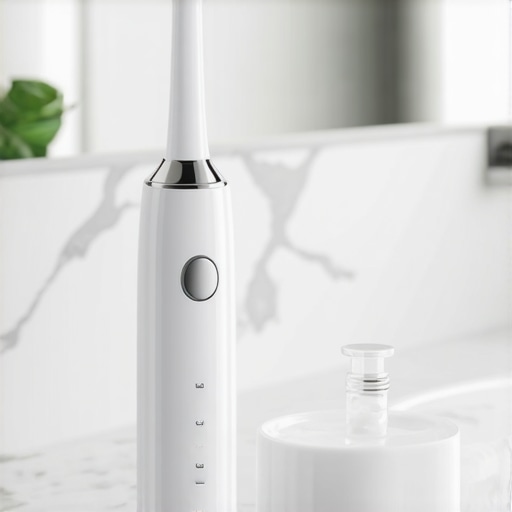
How do I maintain my cosmetic results over time?
The biggest secret to longevity isn’t just what you do at the sink; it is what you do while you sleep. If you have followed expert tips for perfect results, you know that bruxism, or nighttime grinding, is the silent killer of veneers and crowns. I wear a custom-fitted night guard every single night without exception. If you skip it, you are gambling with habits that cause your porcelain veneers to pop off or crack under the immense pressure of your jaw muscles. Also, you must audit your toothpaste immediately. If your current tube contains high-abrasive silica or “whitening” beads, you are essentially sandpapering the delicate glaze of your restorations. Switch to a low-abrasive gel to avoid the situation where your porcelain veneer feels rough to your tongue because the protective polish has been stripped away.
The Smart Bathroom is Just Around the Corner
I predict that by 2030, we will not be guessing about the health of our gums or the stability of our hardware. We are rapidly moving toward innovations that redefine comfort, including smart toothbrushes with built-in biochemical sensors. These tools will likely detect early signs of peri-implantitis by analyzing pH changes in your saliva before you ever feel a physical wiggle or see redness. For now, the best maintenance tool is still your own eyes and a high-quality magnifying mirror. If you see even a hairline space, do not wait for the next appointment. Learn how to fix the gap that appeared between your gums and your bridge before it becomes a permanent trap for harmful bacteria. I challenge you to swap your manual brush for a high-frequency sonic brush for just 30 days. It is the single most effective maintenance upgrade you can make for a lifetime of healthy smiles. Don’t let your investment fade because of a five-dollar toothbrush.
What Nobody Tells You About Maintaining a Million-Dollar Smile
After years of navigating everything from loose brackets in Rome to the nuances of high-end restorations, I’ve realized that the most expensive dental work is only as good as your daily dedication. One major lightbulb moment for me was realizing that preventative care isn’t just about hygiene; it’s about physics. If you are constantly putting stress on your hardware, even the most advanced cutting-edge techniques in cosmetic dentistry won’t save you from a repair bill. I also learned that cosmetic dentistry secrets to boost your confidence aren’t just about the procedure day, but about how you treat those teeth when nobody is looking—like never using them as a substitute for a pair of scissors. If you want your results to last, you have to stop treating your mouth like a toolbox and start treating it like a fine instrument.
The Gear That Keeps My Smile From Falling Apart
I never leave home without a very specific “emergency kit,” and you shouldn’t either. First, a high-quality water flosser is non-negotiable for anyone with bridges or implants; it reaches the spots that traditional string simply can’t touch. I also swear by a custom-fitted night guard. If you think skipping it for a few days is fine, consider the risk of skipping your night guard for just one week—the micro-fractures and tension are often invisible until it’s too late. These aren’t just gadgets; they are the 3 secrets to making your porcelain veneers last twenty years or longer. Investing in a low-abrasive toothpaste is another small change that prevents your restorations from looking dull over time. When you use the right tools, you aren’t just cleaning; you’re preserving.
Your Smile is an Investment That Deserves Protection
It is easy to feel overwhelmed by the rules of orthodontic and cosmetic maintenance, but remember that every small effort today pays dividends for decades. We are living in an incredible era of dental science where innovations that redefine comfort are becoming the standard, making it easier than ever to maintain a healthy mouth. Whether you are helping your kids through their first set of braces or you are enjoying your own veneers transformation, the goal is always the same: a functional, beautiful smile that doesn’t hold you back from living your life. Take these family dentistry tips for a lifetime of healthy smiles to heart and don’t let a minor hardware hiccup steal your joy. Your smile is your signature—keep it bold and keep it healthy. Have you ever had a dental scare while traveling or a “lesson learned” moment with your braces? Let me know your story in the comments below!