I still remember the morning, about three years after my braces were removed, when I tried to slide my clear retainer onto my teeth and felt a sharp, stubborn pressure. My heart sank. I’d been ‘taking a break’ from wearing it—a classic mistake I see so many people make. I honestly thought my teeth were locked in place forever, but biology had other plans. If you’ve just finished your orthodontic journey, or if you’re noticing a tiny gap creeping back in, I want you to know that the hard work isn’t over just because the brackets are gone. Today, I’m sharing exactly how to keep that investment in your smile secure, so you don’t end up needing cosmetic dentistry to fix a preventable relapse. [image_placeholder_1]
Your New Smile Won’t Stay Perfect on Its Own
The biggest ‘aha’ moment for me was realizing that teeth have a physical memory. The ligaments holding them in place are like tiny, persistent rubber bands that desperately want to snap back to their original, crooked positions. When I was younger, I actually threw my retainer away in a fast-food napkin—twice. It was a costly, embarrassing mistake that led to my front teeth shifting just enough to be noticeable in photos. It’s why stopping your teeth from shifting is a lifelong commitment, not a month-long one. According to the American Association of Orthodontists, teeth continue to move throughout your life due to natural aging and muscle pressure, making retention the only way to guarantee a straight smile.
Is a Lifetime of Wearing Retainers Actually Necessary?
I get this question from my neighbors and friends all the time: ‘Do I really have to wear this thing forever?’ The honest, slightly annoying answer is yes. But it’s not as bad as it sounds! Once you master the best way to clean your retainers so they don’t smell, they just become part of your nightly routine, like charging your phone or brushing your hair. We’re going to dive into the different types of retention and how to manage them without losing your mind. Have you already noticed a little bit of movement in your teeth since your treatment ended? Drop a comment below; you aren’t alone in this. If you have a fixed wire, you’ll also want to learn how to clean under a permanent retainer without breaking it to keep your gums healthy while protecting your alignment. Getting this right now prevents the need for more complex veneers later down the road.
Choose the Right Tool to Lock Your Smile in Place
Think of your retainer as a permanent seatbelt for your teeth. Just like you wouldn’t drive without one, you shouldn’t let your teeth drift without support. There are generally three options: the clear plastic Essix, the traditional metal Hawley, and the fixed permanent wire. Each serves a specific purpose, but they all share the same goal of preventing relapse. If you choose a removable option, you must be disciplined. I once left my Essix retainer in a hot car during a summer road trip. By the time I got back, the plastic had slightly warped from the heat. When I tried to force it on later that night, I felt a sharp, localized pain that lasted for hours because the fit was compromised. It taught me that keeping the retainer in its case and in a cool environment is just as important as wearing it in the first place. For those who want a set-it-and-forget-it approach, a fixed wire is great, but it requires mastering the secret to flossing when you have a permanent wire retainer to avoid plaque buildup. 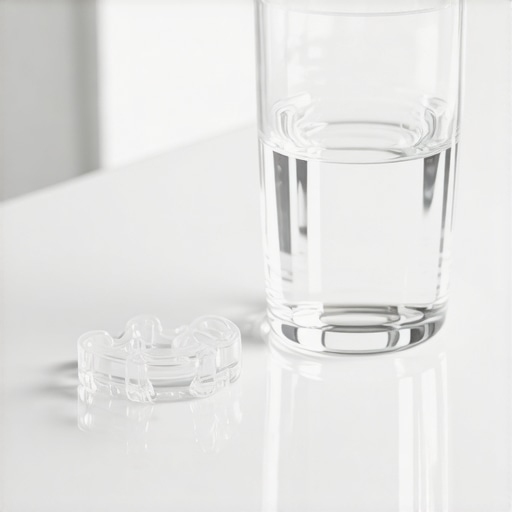
Clean Your Retainers Without Ruining the Fit
Bacteria is the enemy of both your teeth and your hardware. If you don’t stay on top of hygiene, your retainer will eventually become a breeding ground for calcium deposits and odors. You shouldn’t just rinse it with water and call it a day. Over time, I noticed my own retainer developing a cloudy, white film that no amount of scrubbing could remove. This happened because I was using regular toothpaste, which is actually too abrasive for clear retainers and creates tiny scratches where bacteria hide. Instead, use a gentle, non-abrasive soak. Understanding the best way to clean your retainers so they don’t smell ensures the material stays strong and clear for years. If you have a wire glued to the back of your teeth, you need to be even more diligent. You must learn how to clean under a permanent retainer without breaking it, using threaders or interdental brushes to navigate the small spaces. This is a core part of general family dentistry tips for a lifetime of healthy smiles.
Handle Sudden Movement Before It Becomes Permanent
Teeth can shift for reasons beyond just forgetting your retainer. For example, the arrival of third molars can create significant crowding issues. It is absolutely crucial to know how to stop your teeth from shifting after your wisdom teeth arrive, as that late-stage pressure can ruin years of orthodontic work in a matter of months. If your retainer suddenly feels tight, don’t ignore it—that is your early warning system. Wear it for a few extra hours a day until the tightness subsides. Learning how to tell if your orthodontic treatment is working even during this maintenance phase helps you catch minor drifts before they require a full round of braces again. I remember feeling a slight gap opening between my incisors and immediately increasing my wear time from just nights to including a few hours each afternoon. Within a week, the gap closed. Being proactive is significantly cheaper and less painful than ignoring the problem and eventually needing dental implants or heavy corrective work later in life.
Many of my friends assume that once they get expertly placed veneers or a sturdy implant, they can slack off on their oral hygiene. This is a massive mistake. A common contrarian truth I’ve learned is that ‘fake’ teeth actually require more precise care than natural ones because the interface between the restoration and your gums is a prime target for bacteria. According to a study in the International Journal of Oral & Maxillofacial Implants, titanium posts don’t decay, but the bone around them can still be lost to inflammation if hygiene isn’t perfect. This means the red flags that your dental implant is being rejected often start with simple plaque buildup that you might have ignored.
Why Does Your Dental Implant Feel Different When It Rains?
It sounds like an old wives’ tale, but many people report a strange sensation in their jaw when the weather shifts. Understanding why your dental implant feels different when it rains often comes down to pressure changes in your sinuses or minor nerve sensitivities that weren’t there before. It’s a nuance that basic brochures never mention, but it’s a reality for many living with modern restorations. The ‘Oops’ factor in cosmetic dentistry usually happens during the design phase. I’ve seen so many people rush into treatment only to realize they’ve made the mistake that makes porcelain veneers look like piano keys—too white, too flat, and too opaque. If you don’t account for how light passes through the material, you’ll find the reason your veneers look different in sunlight versus indoors is that they lack the natural translucency of real enamel.  When you choose a restoration that is too thick, you might also struggle with the reason your veneers feel thicker than your natural teeth, which can affect your speech and comfort. Another common trap is ignoring a slight movement in your hardware. If you feel a wiggle, don’t wait; knowing why your dental implant crown feels like it is wiggling is the difference between a simple screw tightening and a full replacement. You should also be incredibly mindful of the surgical site during the first few months. For instance, being able to recognize how to tell if your dental bone graft is healing as expected is vital for anyone undergoing the implant process. If you miss the signs of poor integration, the entire foundation of your smile could fail. Even if you have a perfect smile now, don’t ignore the foundations of family dentistry tips for a lifetime of healthy smiles. You might still wonder why your gums are receding even though you use a soft toothbrush, which can eventually expose the edges of your cosmetic work and ruin the aesthetic. Have you ever fallen into this trap of thinking ‘fake’ teeth didn’t need real care? Let me know in the comments below.I didn’t realize that my standard plastic toothbrush was actually doing more harm than good until my dentist pointed out the microscopic scratches on my new crowns. When you’ve invested in expertly placed veneers or implants, you need a toolkit that is as advanced as the work itself. I personally swear by the Philips Sonicare ProtectiveClean 6100—not just because it’s a popular brand, but because the pressure sensor is a lifesaver for someone like me who tends to brush too hard. This prevents the very issue of why your gums are receding even though you use a soft toothbrush. I also integrated a high-end water flosser into my routine. At first, I was worried about why your gums bleed only when you use a water flosser, but I learned that with a low-pressure setting and the right technique, it’s the most effective way to reach the areas around titanium posts without any damage.
How do I maintain my dental work over a decade?
The long-term secret isn’t just about what you do at home, but also staying vigilant about mechanical issues. For example, if you have a restoration, you must learn how to safely clean a dental implant without scratching the post. A scratched post is a magnet for biofilm. I also keep a set of interdental brushes in my travel kit specifically for my bridge. This is vital for preventing the hidden reason your dental bridge feels loose during meals. According to technical documentation from Nobel Biocare, one of the world’s leading implant manufacturers, using metal-core brushes can actually cause galvanic corrosion on certain implant surfaces, which is why I only use plastic-coated interproximal tools. Looking ahead, I predict that by 2030, we’ll see “smart crowns” equipped with microscopic pH sensors that alert your smartphone if the environment around your dental implants becomes too acidic, signaling the early stages of infection. This type of proactive monitoring is the natural evolution of cutting-edge techniques in cosmetic dentistry. 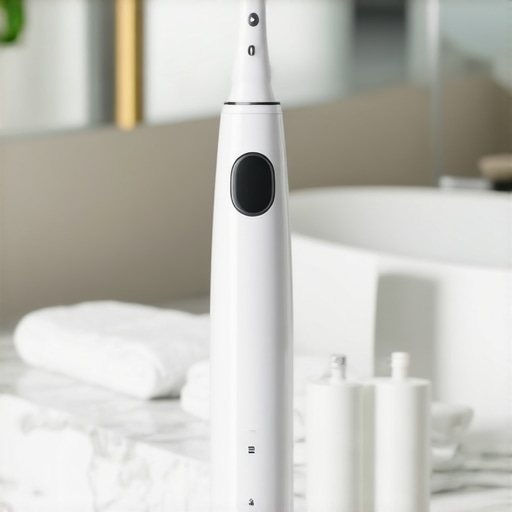 Maintaining that “just out of the chair” look requires specialized care for different materials. If you have porcelain, you might notice why your porcelain veneers feel gritty to your tongue if you use a paste that’s too abrasive. I’ve switched to a low-RDA (Relative Dentin Abrasivity) toothpaste to keep the surface smooth. If you are ever in a pinch and notice a slight movement, knowing why your dental implant crown feels like it is wiggling can help you stay calm until you get to the office. This proactive approach is the cornerstone of family dentistry tips for a lifetime of healthy smiles. One advanced tip I recommend: start using a night guard even if you don’t think you grind your teeth. The sheer force of nocturnal clenching is the primary reason for veneers vs crowns failing prematurely. Try a custom-molded guard for one week and see how much more relaxed your jaw feels in the morning.
The Hardest Lesson I Learned About Keeping My Teeth in Line
Looking back, I wish I’d realized that a perfect smile isn’t a destination; it’s a living thing that needs constant care. Here are the personal lightbulb moments that saved me from a second round of treatment:
- The Snugness Signal: I stopped viewing a tight retainer as a chore and started seeing it as an early warning system. If it feels tight, my teeth are trying to move, and I immediately wear it for a few extra hours to reset the alignment.
- The Muscle Factor: I learned that my tongue posture actually pushes against my teeth all day. Awareness of where my tongue rests helps prevent that slow, outward drift that no one warns you about in the chair.
- The Financial Reality: Most insurance plans won’t pay for braces twice. Protecting my alignment is essentially saving myself thousands of dollars in future corrective work.
- The Odor Battle: Simply rinsing with water is never enough; the reason your orthodontic retainer smells bad despite daily rinsing is usually deep-seated biofilm that requires a proper effervescent soak.
[image_placeholder_e]
What I Pack in My Ultimate Smile Preservation Kit
I no longer leave my oral health to chance, especially while traveling. After years of trial and error, these are the curated tools I trust to keep my family dentistry tips for a lifetime of healthy smiles actionable:
- Ultrasonic Cleaner: This was a total game-changer for me. It uses high-frequency sound waves to blast away plaque from clear retainers and night guards without using abrasive brushes that scratch the plastic.
- Plastic-Coated Interdental Brushes: Since learning that metal can scratch titanium, I only use these to reach the tight spots around my hardware. It’s the only way I feel safe about how to safely clean a dental implant without scratching the post.
- Custom-Molded Night Guard: Even if you don’t think you grind, the sheer pressure of sleep-clenching can cause issues like why your jaw clicks more when you are chewing on one side. A guard protects your natural teeth and a veneers transformation with equal efficiency.
Let Your New Confidence Shine Through
Your smile is often the first thing people notice, but the confidence it provides is entirely for you. Whether you are navigating the early days of how dental implants reshape your oral health in 2025 or you’ve been wearing a retainer for a decade, stay the course. The discipline you show today is what ensures you never have to hide your laugh again. You’ve done the hard part of the transformation—now you just have to keep it beautiful. Have you ever noticed your teeth shifting after taking a long break from your retainer? Let me know your experience in the comments below!