I remember the day my braces finally came off. I was beaming, running my tongue over my smooth, straight teeth for the first time in years. Then, the orthodontist glued that thin, rigid wire to the back of my lower teeth. “It’s for your own good,” they said. Three days later, I was staring into the bathroom mirror, wrestling with a piece of kale and feeling like I’d just inherited a lifelong chore I never signed up for. It’s frustrating, isn’t it? You spend all that time and money on a perfect smile, only to find that basic maintenance feels like performing surgery on yourself.
That Tiny Wire Is Actually Your Smile’s Best Friend
Let’s be honest: permanent retainers are food magnets. I’ve been there. In fact, early on, I made the huge mistake of neglecting those teeth entirely for a few weeks because I was terrified of accidentally cleaning under a permanent retainer the wrong way and snapping it off. But here is the reality I had to face—if you don’t clean it, the plaque builds up faster than you can say “gingivitis.” I noticed why my gums were bleeding even though I brushed twice a day, and it was all because of that tiny, hidden gap. Today, I’m going to show you that flossing doesn’t have to be a twenty-minute ordeal. We are going to simplify the process so you can protect your investment and keep your family dentistry habits on point without the stress.
Does flossing with a wire really make a difference?
You might be wondering if it’s actually worth the extra ten minutes. Can’t we just use a strong mouthwash and call it a day? The short answer is no. According to the American Association of Orthodontists, teeth have a sort of “memory” and will naturally try to drift back to their original, crooked positions without constant support. That wire is the only thing standing between you and a return to the orthodontist’s chair. However, it also creates a shelf where bacteria love to throw a party. If you’ve ever felt like throwing your floss across the room in frustration, you aren’t alone. Have you ever been tempted to just give up on flossing those bottom teeth altogether? Stick with me, because I’ve found the tools that actually work for a real person’s schedule.I’ll never forget the time I tried to force a thick strand of waxed floss under my wire right before a big first date. I ended up with a shredded mess caught in the metal and gums so inflamed they looked like I’d eaten a handful of bees. It was a total disaster. I realized then that if you treat your retainer with brute force, you’ll eventually need cosmetic dentistry secrets just to fix the damage you’ve done to your soft tissues. You have to be surgical about it, much like how a dentist approaches dental implants in 2025 with precision and care.
Master the art of the floss threader
Think of a floss threader as the needle and the dental floss as your thread. You aren’t just rubbing the wire; you are navigating a complex architectural structure in your mouth. You want to slide the stiff plastic loop through the gap between your teeth, just above the gum line, and gently pull the floss through. This is the only reliable way to reach the “danger zone” where the wire meets the enamel. It’s very similar to the precision required for maintaining veneers transformations—it’s all about the details at the margin, not just the surface polish.
Thread the needle before you lose your patience
Once the floss is through, don’t just pull it back and forth horizontally. You need to move in a vertical “C” shape around the base of each tooth. If you skip this, you’ll soon notice why your teeth feel fuzzy only hours after cleaning them because the bacterial film is still hiding behind the metal posts. 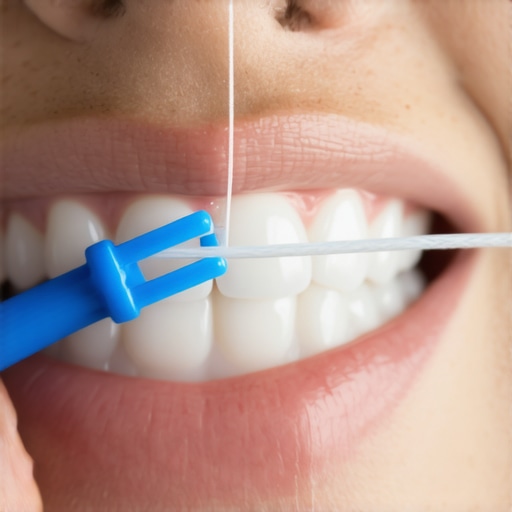 I found that using a magnifying mirror with a bright light is the only way to ensure I’m not missing the tiny corners where the adhesive meets the tooth.
Blast away the debris with a water flosser
If threading every single night feels like a daunting chore, you need to look into the benefit of using a water flosser with your braces or retainers. It’s like a high-end power washer for your mouth. While the latest innovations in dental implants focus on structural durability, your focus with a retainer is on constant irrigation. Aim the tip at a 90-degree angle to the wire and let the pulsing water pressure knock loose the food particles that a manual brush simply cannot reach.
Scrub the small spaces with interdental brushes
Sometimes the water flosser misses those sticky protein deposits from bread or pasta. That’s where interdental brushes come in handy. These look like tiny, miniature pipe cleaners. I use them to “sweep” under the wire specifically between the bonding material spots. It’s much less intimidating than it looks, and it ensures that your family dentistry checkups remain quick and painless—which is the ultimate goal for anyone with permanent hardware. This level of maintenance is what keeps a smile looking vibrant for decades rather than just a few years post-orthodontics.I often hear people say that a permanent retainer is the easy way out because you don’t have to remember to wear a tray at night. But here is the contrarian truth: a permanent retainer is actually a high-maintenance commitment that requires more daily effort than a removable one. Everyone says it’s a set-it-and-forget-it solution, but in my experience, that mindset is exactly what leads to long-term issues. If you treat it like it’s invisible, you are essentially inviting tartar to set up permanent residence in your mouth.
Why permanent doesn’t mean maintenance-free
The biggest mistake I see is the assumption that the wire is indestructible and self-cleaning. It isn’t. In fact, studies published in the Journal of Clinical Periodontology have indicated that fixed retainers can significantly increase the accumulation of plaque and calculus if not monitored with professional-level care. This isn’t just about bad breath; it’s about your actual bone health. If that plaque hardens into tartar, it begins to push the gum tissue away from the tooth. This is a massive “oops” factor for many because they think they are doing the right thing by keeping the wire, but they are actually risking localized gum recession. You might eventually find yourself wondering why your dental implant feels loose but looks fine in other areas of your mouth while the retainer site is struggling.
Is your retainer secretly hiding a bone loss problem?
When you go in for your family dentistry checkups, you have to be your own advocate. Ask your hygienist to specifically check the bone levels around those bonded teeth. If you are too aggressive with your cleaning tools, you might run into another trap. I’ve seen people use such thick floss or such high pressure with water flossers that they actually irritate the attachment point. This is one of the signs your receding gums are caused by your toothbrush or cleaning habits rather than age. Much like how dental implants 2025 innovations focus on the health of the surrounding tissue, your retainer care should focus on the health of the gum, not just the straightness of the tooth. 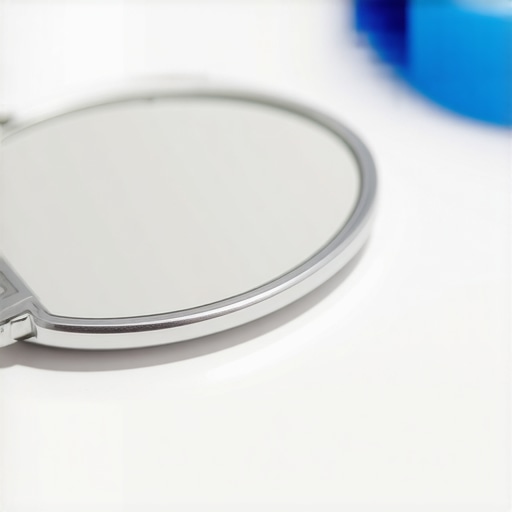
Don’t let your cleaning routine backfire on your gums
If you are considering other upgrades, like how how to fix a smile that feels too narrow or small, you have to realize that the foundation—your gums—must be perfect first. If you have a permanent retainer and you’re looking at cosmetic work, you need to ensure the wire isn’t causing chronic inflammation. Otherwise, you might end up with a result where the reason your veneers look opaque and fake is actually due to the way the gums have responded to the metal hardware underneath. It’s all connected. The nuance here is that keeping your teeth straight is only half the battle; keeping the bone and tissue healthy enough to hold those teeth is the real challenge. Have you ever fallen into the trap of thinking your retainer was self-cleaning? Let me know in the comments.The specific gear that saved my lower teeth from tartar. I didn’t just wake up one day and become a pro at this. It took a lot of trial and error, and honestly, a few stern talks from my hygienist. When you are looking at the long-term results of your family dentistry journey, the tools you use every night are more important than the brand of toothpaste you buy. I’ve personally found that the Oral-B Super Floss is non-negotiable. Most people try to use regular floss and get frustrated when it goes limp, but the stiffened end on Super Floss acts like a needle that you can guide with precision. If you’re dealing with cosmetic dentistry secrets like bonded retainers, you need that rigidity to get past the wire.
How do I maintain this complex dental work over time?
Consistency is your only real defense. Beyond the specialized floss, I swear by TePe interdental brushes. I use the orange or red sizes because they fit perfectly into those tiny embrasures that even a water flosser sometimes misses. Dr. Gordon Christensen, a world-renowned expert from the Clinicians Report, has often emphasized that the survival rate of bonded restorations depends entirely on the patient’s ability to manage the biofilm at the margin. If you leave that film there, the bond weakens, and you’ll find yourself back in the chair for a repair. This isn’t just about a straight smile; it’s about preventing the kind of decay that leads to needing dental implants 2025 innovations later in life. 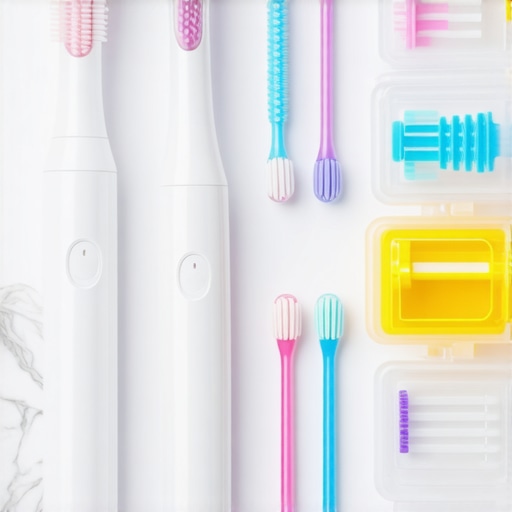 What the next decade looks like for fixed appliances. I predict we are moving toward a future where fixed retainers are coated in bio-active materials. We are already seeing how dental implants reshape your oral health in 2025 through better integration, and I believe retainers will soon feature surfaces that actively repel plaque bacteria through microscopic textures. Until then, we are the manual laborers of our own mouths. If you want to see a real veneers transformation or keep your orthodontic results perfect, you have to treat your nightly routine like a professional cleaning. My challenge to you: go out and buy a pack of interdental brushes tomorrow and try them for just seven days. You will be shocked—and maybe a little grossed out—by what your toothbrush has been leaving behind. Trust me, your future self (and your bank account) will thank you for the extra three minutes of effort.
What Nobody Tells You About Living With That Metal Wire
I’ve learned a few hard lessons since that first day of wrestling with kale. The ‘Tongue Check’ is your most honest critic; if you run your tongue over the back of your lower teeth and it feels slightly furry, the bacteria are already winning. I realized early on that why your teeth feel fuzzy is usually the first sign of plaque settling in for the long haul. Another lightbulb moment was realizing that bleeding isn’t a signal to stop. When I first started cleaning under my wire, I saw red and panicked, but I eventually understood why your gums bleed even though you brush is often just localized inflammation from the very spots you’ve been neglecting. Finally, remember that pressure is your enemy. You aren’t trying to saw through the metal; you’re gently sweeping away debris. If you use too much force, you might end up needing cosmetic dentistry secrets just to repair the damage to your gum line.
The Three Tools I Never Travel Without
Consistency is much easier when you have the right gear. My personal kit is simple but effective: Oral-B Super Floss is the absolute MVP because the stiffened end acts like a needle, making it easy to thread under the wire without a separate plastic tool. I also swear by a Waterpik Cordless for a quick blast after meals when I’m away from home; it’s one of the best family dentistry tips for anyone with hardware. Lastly, a pack of TePe Interdental Brushes (the orange size is usually perfect) allows me to ‘sweep’ the vertical gaps where the wire is bonded to the enamel. #IMAGE_PLACEHOLDER_E#
Protect the Smile You Worked So Hard For
At the end of the day, your permanent retainer is a guardian of your investment. It takes only a few minutes each night to ensure that your teeth stay perfectly aligned and your gums remain healthy. Neglecting this routine today could lead to complex issues tomorrow, potentially requiring dental implants 2025 innovations to replace teeth lost to periodontal disease later in life. Treat your nightly cleaning as a gift to your future self, and you’ll keep that beautiful smile for a lifetime. What is the one food item that always seems to find its way behind your permanent retainer? Let me know your most frustrating ‘retainer trap’ moment in the comments below!