I vividly remember leaning in to whisper something to my wife during our anniversary dinner, only to see her slightly recoil. I hadn’t eaten an onion in days. In fact, I’d been ‘perfect’—I was three days into a strict low-carb reboot and felt like I was finally winning. But there it was: a sharp, metallic tang in my mouth that tasted exactly like I’d been sucking on a roll of pennies. It was embarrassing, confusing, and honestly, a bit scary. I initially panicked and thought a filling had come loose or that I was experiencing why your mouth feels metallic after getting a new crown, even though I hadn’t seen a dentist in months. If you have recently swapped your morning bagel for a protein shake and noticed a funky, tin-like aftertaste, you aren’t losing your mind, and your teeth aren’t falling out. Today, I want to walk you through exactly why this happens and how we can fix it without abandoning your health goals.
Your Body is Actually Just Working Hard
When you drastically cut carbs, your body enters a state called ketosis. Since it can’t find sugar to burn for energy, it starts torching fat instead. This sounds like a dream, right? The catch is that this process creates chemicals called ketones. One specific ketone, acetone, is a real troublemaker because it’s a volatile organic compound. According to a study published in the American Journal of Clinical Nutrition, when your body produces excess acetone, it doesn’t just stay in your blood; it actually gets excreted through your breath and sweat. It is quite literally the smell of fat burning, but that doesn’t make it any less annoying when you’re trying to stay confident in a meeting. I made the classic mistake of thinking I just needed to brush harder. I scrubbed my gums until they were sore, but the smell wouldn’t budge because it wasn’t coming from food particles—it was coming from my lungs. This is a common point of confusion for many of my neighbors who look into family dentistry tips for a lifetime of healthy smiles only to find that traditional cleaning doesn’t touch ‘keto breath.’ It’s a systemic issue, not a hygiene one.
Is this weird taste actually worth the weight loss?
It’s the question we all ask when we’re staring at a piece of grilled chicken and tasting a copper pipe. The good news is that for most people, this is a temporary phase. Your body is an adaptable machine, and once it gets used to its new fuel source, the metallic intensity usually fades. However, if you ignore it, you might find yourself reaching for solutions that don’t work. I wasted a small fortune on clinical-strength rinses, but I eventually learned why your breath smells bad even after using expensive mouthwash when your chemistry is the culprit. You can’t mask a metabolic shift with minty alcohol. While you’re waiting for your body to level out, you might even consider cosmetic dentistry secrets to boost your confidence if you feel like your smile needs a general refresh, but the metal taste requires a different strategy. Have you ever felt that strange, penny-like sensation after changing up your meals? Tell me I’m not the only one who thought they’d accidentally chewed on a gum wrapper!
Flood Your System with More Water Than You Think
When I was at my peak ‘metal mouth’ phase, I decided to treat my body like an engine that needed a coolant flush. I started drinking nearly four liters of water a day, carrying a gallon jug around like a dedicated gym rat. Within 48 hours, that sharp, battery-acid sensation in the back of my throat started to mellow out. It is a simple numbers game: the more you hydrate, the more you dilute the ketones in your blood and the more acetone you excrete through urine rather than through your lungs. Think of it like maintaining a high-end restoration; just as you would learn how to safely clean a dental implant without scratching the post, you have to learn to flush your system without stripping your essential minerals. Dehydration is the primary reason why keto breath smells like vinegar, and upping your intake is the fastest way to dilute the source. 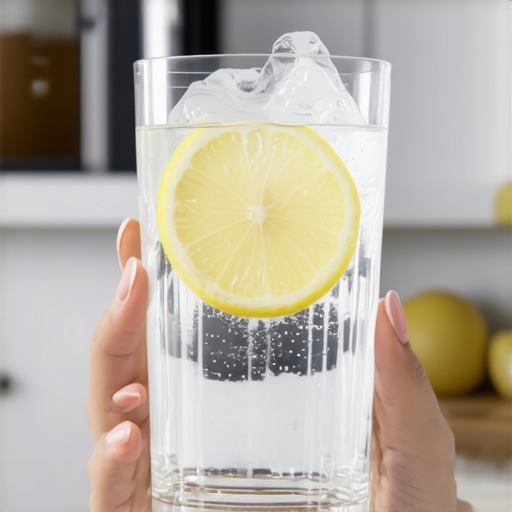
Stop Scrubbing and Start Rinsing Smart
I once made the mistake of brushing my teeth so hard I thought I’d need to look into how to stop your gums from receding without painful surgery. I was desperate to get rid of that copper tang, but aggressive brushing doesn’t fix a metabolic smell. The real secret is moisture management. Most people reach for alcohol-based mouthwashes, but that is a trap. I learned the hard way why your breath smells bad even after using expensive mouthwash: the alcohol dries out your tissues, allowing the metallic scent to concentrate even further. Switch to an alcohol-free, pH-balanced rinse or a simple xylitol-based gum. Xylitol stimulates saliva production, which acts as a natural buffer against the acidic nature of ketones. I remember one Tuesday before a huge client presentation, I was terrified I’d exhale copper fumes. I used a simple saline rinse and kept my mouth moist with xylitol, and for the first time in a week, I didn’t feel self-conscious about my breath.
When Your Smile Needs More Than Just a Water Flush
If you have been chugging water and the taste still won’t budge after a month, it is time to differentiate between a diet side effect and a dental issue. Sometimes, a change in oral acidity can make you notice existing issues more clearly. For instance, if you have old restorations, you might start wondering why your mouth feels metallic after getting a new crown or if a filling has become compromised. Your new diet is a great catalyst for a general health overhaul. If you are already working on your body, you might even find yourself looking into cosmetic dentistry secrets to boost your confidence or researching how to pick the right shade for your new porcelain veneers to match your new healthy lifestyle. While the metallic taste is usually temporary, keeping up with family dentistry tips for a lifetime of healthy smiles ensures that once the weight is gone, your teeth are as strong as your new physique. Just as dental implants 2025 innovations that redefine comfort and durability show us how far technology has come, we now know that simple metabolic shifts don’t have to ruin your social life.While managing the metallic tang of ketosis is a great first step, let’s dig deeper into the actual chemistry of your smile. Most people assume that once they invest in a high-end smile, the work is done. But here is a contrarian truth: your lifestyle—including that keto diet—can actually change how your dental restorations behave in your mouth. Many patients believe that porcelain is a ‘set it and forget it’ solution, yet I’ve seen countless people fall into the trap of thinking their new teeth are invincible. If you’ve noticed that your mouth feels different since changing your eating habits, you might be wondering the reason your veneers feel thicker than your natural teeth. It’s often not the porcelain itself that has changed, but rather how your gum tissue and saliva pH interact with the edges of the restoration.
Does Your Body’s pH Level Affect the Longevity of Your Dental Implants?
This is the advanced question most patients never think to ask. When you are in a state of nutritional ketosis, your systemic pH can slightly shift, and while your body works hard to buffer this, your oral microbiome feels the impact. According to a study published in The Journal of Prosthetic Dentistry, the health of the soft tissue surrounding an implant is heavily dependent on a stable, non-acidic environment. If your mouth remains dry or acidic due to your diet, you might start noticing the red flags that your dental implant is being rejected, which often starts with minor inflammation that people mistake for simple ‘keto flu’ symptoms. It’s a common ‘oops’ factor: assuming a titanium post is indestructible. In reality, the seal between your gum and the implant is delicate. If you find that why your dental implant feels tight when you wake up, it’s a signal that your systemic inflammation levels might be higher than usual, possibly due to a lack of electrolyte balance during your transition into fat-burning.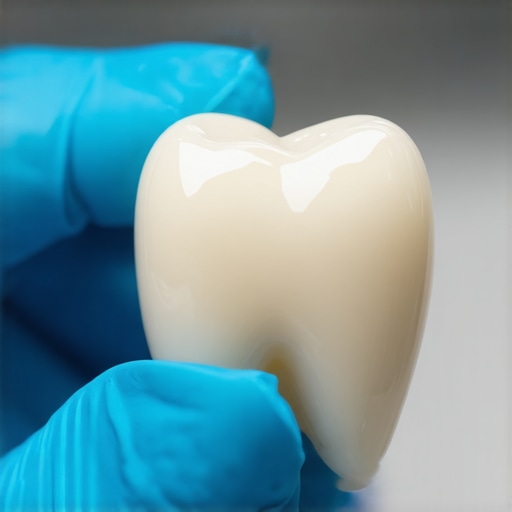
Why Perfect White Teeth Often Look Like a Mistake
The biggest nuance in cosmetic dentistry isn’t just getting the teeth straight; it’s the artistry of translucency. A common mistake I see is patients demanding the ‘BL1’ shade—the whitest of the white. However, the reason your porcelain veneers look opaque and fake is usually because they lack the natural light-filtering properties of real enamel. When you are out in the world, the reason your veneers look different in sunlight versus indoors becomes painfully obvious if they were made too thick or too monochromatic. This is often called the mistake that makes porcelain veneers look like piano keys. To avoid this, you must prioritize ‘incisal translucency’—the way the edges of the teeth let a little bit of light through. It’s the difference between a veneers transformation unlocking your best smile yet and one that you feel the need to hide. Understanding the truth about the durability of composite vs porcelain veneers is also vital; composite may be cheaper, but it’s far more prone to picking up stains from those keto-friendly coffees and teas. Have you ever fallen into this trap where you chose the whitest shade possible only to regret it later? Let me know in the comments. Keeping your smile healthy while you overhaul your body requires a holistic view. Whether you are learning how to pick the right shade for your new porcelain veneers or navigating the complexities of the impact of smoking on your dental implant success rate, remember that your mouth is the gateway to your metabolic health. Don’t let a temporary diet shift cause permanent damage to your dental investments.I’ve spent years refining my oral care routine, and the biggest lesson I’ve learned is that the ‘aftercare’ isn’t just a suggestion—it’s the whole game. When you are balancing a high-performance lifestyle like ketosis with high-end porcelain work, you need a toolkit that matches your ambition. I’ve personally scaled my maintenance routine to include tools that most people overlook, because I realized that a standard brush just wasn’t cutting it for my restorations. I swear by my water flosser set to a ‘low-and-slow’ pressure setting; it is the only way I have found to clear debris from the gum line without causing micro-trauma to the tissue. If you are currently navigating a new routine, understanding the benefit of using a water flosser with your braces or implants is a complete game-changer for long-term stability. I use a model with specialized orthodontic tips because they are designed to glide over surfaces without the risk of scratching. It’s all about knowing how to safely clean a dental implant without scratching the post, which is a detail that can make or break your results over a decade.
How do I keep my veneers and implants healthy for the next ten years?
The secret isn’t just about what you remove from your teeth; it’s about managing the chemical environment of your mouth. I keep a pack of medical-grade oral pH strips in my bathroom cabinet. It might sound like overkill, but when you are in a deep state of fat-burning, knowing your salivary acidity helps you decide if you need a quick alkaline rinse to protect your enamel and porcelain margins. If you ever feel that why your dental implant area is sensitive to cold weather or noticed a sudden shift in gum sensitivity, it is often a sign that your oral pH is out of balance. A highly specific study in the International Journal of Oral & Maxillofacial Implants highlights that the mechanical stability of the implant-abutment interface is heavily influenced by the patient’s consistent home-care routine and the reduction of acidic buildup. 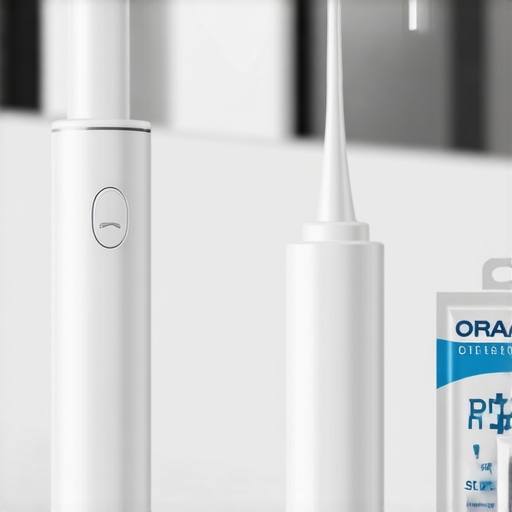 I predict that by 2030, we won’t just be replacing teeth; we’ll be using ‘bio-intelligent’ ceramics that can actually signal to our smartphones when bacteria levels around a restoration are too high. We are already seeing the future of dental implants cutting-edge techniques in cosmetic dentistry moving toward these regenerative materials. For now, we have to rely on the best manual methods available, like learning how to maintain your white smile after a coffee habit. To truly ensure your investment stands the test of time, I recommend looking into transform your smile with veneers expert tips for perfect results to refine your daily habits. My challenge to you this week: pick up a pack of pH strips and see if your diet is secretly making your mouth a playground for acid. It’s the most effective ‘biohack’ for your smile that you can start today.
What I Learned the Hard Way About Ketones and Porcelain
Reflecting on my journey through the ‘metallic mouth’ phase, I realized a few things that aren’t in the standard diet books. First, your breath is a barometer; if it tastes like pennies, your body is literally shifting gears into fat-burning, so don’t panic. Second, over-cleaning is a real danger—I almost ruined my gums with aggressive scrubbing trying to remove a metabolic scent that wasn’t even on the surface. Third, your dental work is more reactive to your mouth’s pH than you think. I spent way too much time worrying why your veneers feel bulkier than your natural teeth when the real issue was just my mouth being bone-dry from ketosis. Lastly, don’t wait if something feels genuinely ‘off.’ A quick visit to a pro is better than a month of anxiety. You should definitely know the difference between veneers vs crowns which is right for your smile before you start blaming your diet for every sensation.
Upgrade Your Routine to Keep Your Mouth Fresh and Healthy
I didn’t get through this with just a standard toothbrush and tap water. Here is the toolkit I personally rely on now to manage my oral health: 1. Precision Water Flosser: It gets into those tight spaces around my restorations without the friction of string, which is vital for long-term care. 2. Salivary pH Strips: These are my secret weapon for checking if my coffee habit is making my mouth too acidic for my enamel. 3. Alcohol-Free Xylitol Rinse: It keeps the moisture levels up without the stinging burn that dries out your tissues. If you’re looking to upgrade your long-term plan, seeing how dental implants reshape your oral health in 2025 can give you a better idea of the high-tech options available to keep your mouth in peak condition. I trust these tools because they focus on the actual chemistry of the mouth rather than just masking a smell.
#IMAGE_PLACEHOLDER_E#
Own Your Transformation Without the Metal Taste
Changing your life is hard work, and your body is going to send you some weird signals along the way. Whether it’s a temporary metallic tang or a new crown sensation, remember that you are in control of your health journey. Don’t let a brief metabolic shift stop you from achieving the cosmetic dentistry results or the fitness goals you’ve set for yourself. If you ever feel stuck or if that taste persists longer than a month, don’t hesitate to contact us to get a professional opinion. You’ve done the hard part by starting; now you just need to maintain the momentum and protect your investment. Have you ever noticed your dental work feeling different after a big change in your diet? Let me know in the comments below!