I’ll never forget the morning I caught a glimpse of myself in the bathroom mirror at a local charity breakfast. I was halfway through my second cup of Earl Grey—the fuel that gets me through the day—when I realized my smile didn’t match the crisp white of my dress shirt. Instead, it looked like a vintage map. That dull, yellowish tint was staring back at me, and I felt that immediate surge of self-consciousness that only a tea lover truly understands. For years, I had been diligently looking into cosmetic dentistry secrets to boost your confidence, yet here I was, sabotaging my results with my morning ritual.
The Morning Ritual That Was Slowly Dimming My Smile
I tried everything at first. I scrubbed harder, I bought every “whitening” paste on the shelf, and I even considered quitting tea altogether (which lasted about three hours). It wasn’t until I sat down with a professional that I realized I was making a massive mistake: I was brushing immediately after my tea. I thought I was cleaning the stains away, but I was actually scrubbing the tannins deeper into my softened enamel. Today, I’m going to share the exact routine I’ve perfected so you can keep your kettle whistling without your teeth looking like a piece of old parchment. We’re going to fix this without you having to sacrifice your sanity or your caffeine.
Is a white smile really possible for a daily tea drinker?
You might be skeptical. I certainly was. You see those Hollywood smiles and think they must live on a diet of distilled water and air. But the truth is, you don’t need to live in a dental office to maintain a bright look. Whether you are curious about how to maintain your white smile after a coffee habit or a tea obsession, the principles are the same. It’s about managing the environment of your mouth, not just the color of your teeth. Have you ever felt like you had to choose between your favorite drink and your confidence?
The Surprising Science of Tea Stains
It turns out that tea is a bit of a double-edged sword. While it’s packed with antioxidants, it’s also loaded with tannins. A study published in the Journal of Agriculture and Food Chemistry suggests that the specific polyphenols in tea can actually adhere more aggressively to dental plaque than those in coffee. This is why you might notice the reason your teeth look grey instead of yellow or white—it’s often a build-up of these organic compounds that have literally hitched a ride on your enamel. I spent months doing it wrong, assuming that more friction equaled more white. If you have sensitive teeth, you might even be looking for the safest way to whiten teeth with sensitive enamel because you’ve over-brushed just like I did. But before we get into the whitening strips or the heavy-duty treatments, let’s talk about the simple, everyday habits that actually keep the stains from sticking in the first place.
Stop Scrubbing Your Enamel Away
The biggest mistake I made—and I’m betting you might be making it too—is rushing to the sink the second the last drop of tea leaves the mug. When you drink hot, acidic tea, your enamel softens temporarily. If you brush immediately, you aren’t just cleaning; you’re effectively using your toothbrush as sandpaper on your teeth. I remember a Tuesday morning when I was rushing to a meeting; I finished my Earl Grey, immediately scrubbed my teeth with a hard-bristled brush, and by noon, my gums were throbbing and my teeth felt raw. I later learned I was stripping away the very protection I needed. Instead, wait at least 30 minutes for your saliva to remineralize the enamel. If you’ve already caused some thinning, you might need to look into the safest way to whiten teeth with sensitive enamel to correct the shade without causing further pain.
The Magic of the Water Chaser
Think of water as a pressure washer for your mouth. Every sip of tea should be followed by a sip of water. This simple cycle prevents the tannins from settling into the micro-cracks of your teeth. It also helps wash away the bio-film that makes you wonder why your teeth feel sticky even after a thorough brushing. By keeping your mouth hydrated, you maintain a neutral pH level, which is a cornerstone of family dentistry tips for a lifetime of healthy smiles. 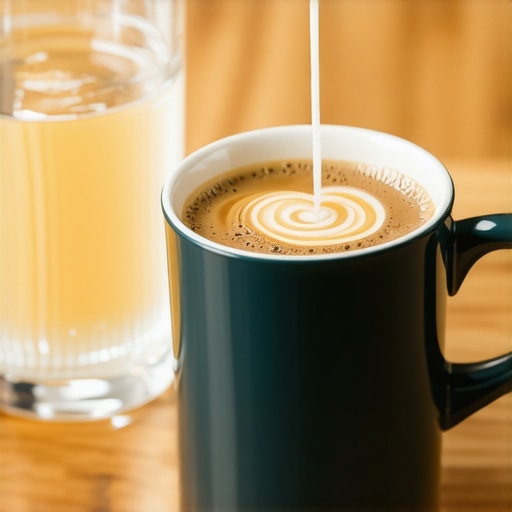
Why Casein is a Tea Lover’s Best Friend
If you enjoy your tea black, you are giving tannins a free pass to stick to your teeth. Adding a splash of milk isn’t just a British tradition; it’s a brilliant dental hack. Milk contains a protein called casein that binds to the polyphenols in tea, dragging them down into your stomach instead of letting them latch onto your smile. It’s like putting a non-stick coating on your favorite pan. When I switched from black tea to tea with a dash of 2% milk, the rate at which I needed professional cleanings dropped significantly.
Drink Through a Straw for Front-Tooth Protection
It sounds ridiculous to drink a hot beverage through a straw, but for the front-facing teeth—the ones that show up in every photo—it is a game changer. If you can’t commit to a straw for hot tea, at least reserve it for your iced tea sessions. This bypasses the aesthetic zone entirely.
Upgrade Your Smile When Habits Aren’t Enough
Sometimes, the years of tea drinking have already left a permanent mark that a straw and a rinse can’t fix. If the stains have moved from the surface into the deeper layers of the tooth, you might be debating the truth about the durability of composite vs porcelain veneers. For many, this is the only way to hit the reset button. When you reach this stage, the focus shifts to how to pick the right shade for your new porcelain veneers so that your smile looks naturally bright, not artificially neon. It’s about restoring the confidence you had before the kettle became your best friend.
While most advice focuses on what you consume, the real expertise lies in understanding the architecture of your enamel. Many people believe that once a stain is there, you just need a stronger abrasive to get it off. However, this is where the most dangerous trap lies. If you are reaching for activated charcoal or heavy-duty baking soda pastes, you are likely doing more harm than good. In fact, the truth about charcoal toothpaste and your tooth enamel is that it creates microscopic scratches on the surface. These scratches act like tiny canyons that trap future tea tannins even more aggressively than smooth enamel would.
Avoid the Abrasive Trap
In my years of consulting with patients, I’ve seen a recurring ‘oops’ factor: the DIY whitening obsession. I once met a patient who used a lemon juice and salt scrub every night for a month. By the time she saw me, her teeth weren’t just yellow; they were translucent and incredibly painful. She had effectively melted her protective barrier. A study published in the Journal of Dentistry highlights that surface roughness is the primary predictor of how fast a tooth will restain. When you over-scrub, you aren’t just cleaning; you’re priming your teeth to look worse by next week. This is often the reason your teeth look grey instead of yellow or white—you’ve lost the bright white enamel and are seeing the darker dentin underneath.
Why do my teeth look darker in certain lighting conditions?
It’s a question I get from patients who have already invested in a veneers transformation or professional whitening. This phenomenon usually comes down to ‘metamerism’ and translucency. Natural teeth are semi-translucent, meaning they reflect and scatter light. If your dental work was done without considering the ‘value’ or brightness level, they can look grey in a dimly lit restaurant but neon in the sun. This is the mistake that makes your teeth look too white and fake. When planning your smile, you have to look at how light passes through the material, not just the shade on a color wheel. This is especially true if you are trying to figure out how to pick the right shade for your new porcelain veneers to match your existing teeth.
The Biofilm Barrier You Are Ignoring
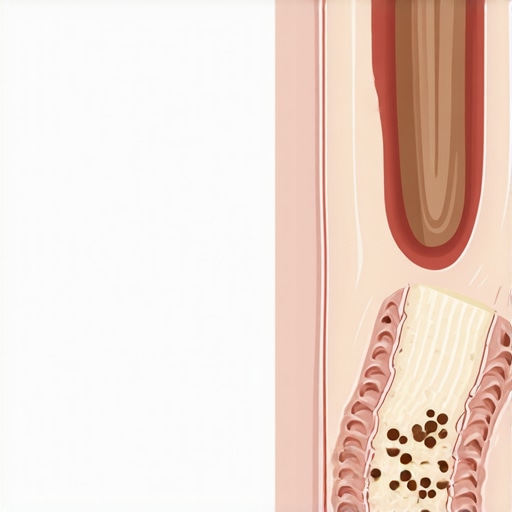
Everyone talks about the enamel, but nobody talks about the pellicle—the thin protein film that forms on your teeth within minutes of brushing. This film is what the tea tannins actually stick to. Instead of trying to bleach the tooth itself, your goal should be managing this biofilm. This is why family dentistry tips for a lifetime of healthy smiles always emphasize frequency over force. A gentle, consistent routine keeps the biofilm from ‘maturing’ into a hardened, stained layer. If you feel like your teeth are constantly attracting stains, it might be that your saliva flow is low, leaving that film to dry and harden. Have you ever fallen into this trap of scrubbing harder instead of smarter? Let me know in the comments!
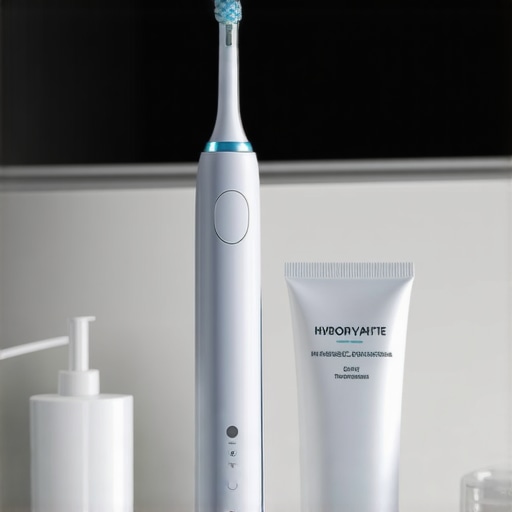
I used to think a standard manual toothbrush was enough until I saw the microscopic plaque I was leaving behind during a routine checkup. Now, I swear by a high-end sonic toothbrush equipped with a pressure sensor. It’s not just about the speed; it’s about the 62,000 brush movements per minute that create microbubbles, reaching deep into the interproximal spaces where bristles alone simply cannot go. This is the best way to brush when you have sensitive gums because the machine handles the kinetic energy, allowing you to focus purely on placement without the temptation to scrub. I also added a professional-grade water flosser to my nighttime routine. Honestly, the benefit of using a water flosser with your braces or even just tight natural teeth is the ability to flush out tea tannins and food debris before they have a chance to harden into permanent tartar.
How do I keep my new dental work looking fresh for a decade?
Maintenance of high-end restorations like porcelain or implants requires a shift in how you view oral hygiene. I personally incorporate a hydroxyapatite-based toothpaste into my rotation. According to research by Dr. Pascal Magne, a world-renowned expert in biomimetic dentistry and the author of Biomimetic Restorative Dentistry, the goal of modern dental care is to mimic the natural biomechanics of the tooth. This philosophy explains why patients are increasingly weighing veneers vs crowns choosing the best option for your smile—it’s about being as conservative as possible to preserve the underlying tooth structure. If you have already made the jump to cosmetic work, you must be vigilant about why porcelain veneers sometimes cause sensitivity to cold drinks and ensure your bite is perfectly aligned to prevent micro-fractures over time.
The High-Tech Future of Your Smile
Looking ahead, the industry is moving toward a highly personalized, biological approach. We are entering an era where dental implants 2025 innovations that redefine comfort and durability will include 3D-printed ceramic scaffolds that actually encourage the patient’s own bone cells to integrate faster and more securely than ever before. This isn’t science fiction; it is the current trajectory of the future of dental implants cutting edge techniques in cosmetic dentistry. We are moving away from the ‘one size fits all’ metal post and toward bio-compatible materials that behave exactly like a natural root. For those focusing on aesthetics, AI-driven color matching is becoming the standard, ensuring that your veneers transformation looks flawless in every possible light spectrum, from the office to the beach.
Try This pH-Neutralizing Hack Tonight
If you want to protect your investment immediately, my most effective advanced tip is to use a pH-neutralizing mouth rinse or even a simple baking soda and water swish (but no scrubbing!) immediately after consuming acidic beverages like tea or coffee. This instantly halts the chemical erosion process and allows your saliva to start the remineralization phase hours earlier than it would naturally. It’s a small, thirty-second habit that can add years to the life of your enamel and your cosmetic restorations. Have you tried switching to a sonic brush yet, or are you still sticking to the manual method?
Hard Lessons from a Decade of Tea Drinking
Looking back at my journey from yellowed enamel to a radiant look, there are a few lightbulb moments that changed everything. First, I realized that consistency beats intensity every single time. You cannot scrub away a year of neglect in one night; you have to manage the biofilm daily. Secondly, I learned that temperature matters—piping hot tea opens up the pores of your enamel, making it a sponge for pigments. If you let it cool just a few degrees, you significantly reduce the staining potential. This is one of those cosmetic dentistry secrets to boost your confidence that nobody tells you until you’re sitting in the chair. Finally, I discovered that my saliva is my best defense. If I’m dehydrated, my teeth stain twice as fast because there’s no natural buffer to wash away the tannins.
The Gear That Rescued My Smile
I don’t leave my dental health to chance anymore. My daily toolkit is specific and science-backed. I trust my sonic toothbrush with a pressure sensor because it prevents me from being my own worst enemy and over-scrubbing. I’ve also integrated a nano-hydroxyapatite toothpaste which actually helps to remineralize those micro-scratches where stains like to hide. If you are struggling with deeper discoloration, you might need to research how to whiten your teeth if you have deep internal stains, as surface brushing only goes so far. Lastly, I keep a water flosser on my counter. It’s the only way to ensure the areas between the teeth stay as bright as the fronts, following those essential family dentistry tips for a lifetime of healthy smiles.
Take Back Your Confident Smile Today
You don’t have to choose between your love for a warm cup of Earl Grey and the ability to smile without hesitation. By adjusting how you drink and when you clean, you can protect your enamel and enjoy the best of both worlds. Whether you are maintaining a natural set of teeth or a recent veneers transformation, these habits are the foundation of longevity. It’s time to stop hiding your teeth and start enjoying your morning ritual with peace of mind. Learning how to maintain your white smile isn’t about perfection; it’s about the smart, small choices you make every day. Have you tried the milk-splash hack yet, or do you still prefer your tea black despite the staining risk? Let me know in the comments below!