I’ll never forget the day I stood in the bathroom, squinting at my reflection under the harsh fluorescent light, wondering why my teeth looked more like a rainy Tuesday than a bright smile. I had just finished my third box of “extra strength” whitening strips, yet my front teeth still had that stubborn, dusky grey hue. It felt like I was trying to scrub a stain off the back of a mirror by wiping the glass in front. That was my “lightbulb moment.” I realized that the discoloration wasn’t sitting on top of my teeth—it was locked deep inside them. Today, I’m going to show you exactly how to tackle those internal stains that standard products simply cannot touch.
Why your whitening strips aren’t doing a single thing
Most of us are taught that whitening is as simple as applying a gel and waiting. But when you’re dealing with intrinsic stains, the rules of cosmetic dentistry secrets to boost your confidence change completely. These stains often come from trauma, certain childhood antibiotics, or even just genetics. I spent a small fortune on drugstore kits before I learned the reason your teeth look grey instead of yellow or white is often deeper than the enamel itself. Early on, I even fell for the DIY trends and learned the hard way about the truth about charcoal toothpaste and your tooth enamel; it basically just scratched my teeth without fixing the color. According to the American Dental Association, intrinsic stains are located within the dentin—the layer beneath your enamel—which is why external peroxide alone often fails to penetrate deep enough to make a difference. [IMAGE_PLACEHOLDER]
Will my teeth ever actually look natural again?
It’s a valid fear. Nobody wants to end up with a “glow-in-the-dark” smile that screams “fake.” I remember worrying that if I went the professional route, I’d fall victim to the mistake that makes your teeth look too white and fake. But here’s the truth: whether you look into veneers vs crowns choosing the best option for your smile or specialized internal bleaching, the goal is restoration, not just masking. Have you ever felt like you were throwing money down the drain on whitening products that just don’t work for you? If so, you’re in the right place, because we’re going to dive into the heavy-duty options that actually work.
Stop bleaching the outside and start from within
If your stains are living inside the dentin, putting peroxide on the enamel is like trying to paint the exterior of a house to change the color of the living room wallpaper. It just doesn’t work. For teeth that have darkened due to trauma or an old root canal, we use a process called internal bleaching. I remember my first internal bleaching session vividly. The dentist made a tiny access point in the back of my darkest tooth and placed a specialized whitening agent right inside the pulp chamber. It felt strange to walk around for several days with a temporary seal, and I actually had a minor panic when I bit into a crunchy taco and worried I had dislodged the plug. But when that plug came out and the tooth was sealed, the transformation was incredible. It wasn’t just whiter; it looked like it belonged in my mouth again. This method is often called ‘walking bleach’ because you literally walk around while the chemical does the heavy lifting from the inside out.
The ‘walking bleach’ technique for dead teeth
This isn’t your standard over-the-counter kit. A professional must ensure the root canal is perfectly sealed so the bleach doesn’t irritate the tissues below the tooth. It is a highly targeted strike on the specific tooth that is causing the problem. If you’ve ever wondered why the reason your teeth look grey instead of yellow or white persists despite your best efforts, this internal approach is usually the missing link. 
Deciding between veneers and crowns for a total cover-up
Sometimes, the internal structure of the tooth is too damaged or the staining from childhood antibiotics (like tetracycline) is too deep for bleach to ever fully erase. This is where we move into the territory of physical coverage. You have to evaluate veneers vs crowns which is right for your smile based on how much healthy tooth you have left. In my case, I chose porcelain because the truth about the durability of composite vs porcelain veneers is that porcelain mimics the natural light-reflecting properties of enamel far better than resin ever could. Composite is cheaper and faster, but it tends to pick up stains from your morning coffee much sooner than porcelain.
Choose a shade that works in more than just the bathroom mirror
The biggest pitfall people encounter is picking a shade that is too opaque. When I was looking at samples, I almost picked the whitest one available, but my dentist stopped me. He explained that the reason your veneers look different in sunlight compared to the office light is due to how the material handles UV rays. If you go too bright, you fall into the mistake that makes your teeth look too white and fake. You want a shade that has a hint of translucency at the edges. Make sure you know how to pick the right shade for your new porcelain veneers by looking at the samples near a window in natural light. This prevents that ‘chicklet’ look where the teeth look like solid blocks of plastic. Understanding why your teeth look darker in certain lighting conditions helps you choose a color that remains vibrant whether you are in a dimly lit restaurant or out for a midday walk.I’ve seen so many people jump straight into the aesthetic deep end without checking if there’s water in the pool. Everyone says that a great smile is all about the porcelain, but in my experience, the foundation is what actually keeps that smile in your mouth for more than five years. The biggest mistake—the ‘Oops’ factor that drains bank accounts—is ignoring your gum health while chasing a whiter shade. You might think you’re ready for a veneers transformation unlocking your best smile yet, but if your gums are compromised, you’re just putting a fresh coat of paint on a crumbling wall. Before you commit to any major cosmetic work, you need to master family dentistry tips for a lifetime of healthy smiles to ensure your oral environment can actually support the upgrade. I once met a woman who spent thousands on a bridge, only to lose it because she didn’t realize the reason your gums are receding around one specific tooth was an underlying infection she’d ignored for a year.
Build your smile on solid ground instead of shaky gums
Most patients believe that once you get an implant, you’re ‘done’ with dental problems. That is a dangerous myth. In fact, how dental implants reshape your oral health in 2025 involves a complex relationship between the titanium and your jawbone. Have you ever fallen into the trap of thinking an implant is invincible? Let me know in the comments. If you have existing bone loss, you cannot skip the prep work. This is why the reason your dental implant surgery requires a bone graft is so critical; without that structural support, the implant can’t thrive. We are seeing incredible progress with the future of dental implants cutting edge techniques in cosmetic dentistry, but they all rely on one thing: a healthy biological base. 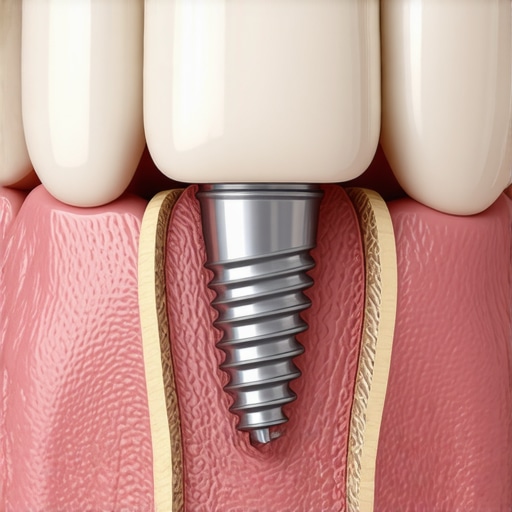
Why does my dental implant feel the cold more than my natural teeth?
It sounds like a contradiction. How can a piece of metal and porcelain feel ‘cold’ when it doesn’t have nerves? This is the hidden nuance of dental work. Research in the Journal of Oral Rehabilitation suggests that while the implant itself doesn’t have a pulp chamber, the surrounding bone and soft tissue contain highly sensitive receptors called mechanoreceptors. Because titanium is an excellent thermal conductor, it transfers temperature changes much faster than the organic layers of a natural tooth. This is often why your dental implant area is sensitive to cold weather. It’s not that the tooth is ‘aching’ in the traditional sense, but rather your body reacting to a rapid thermal shift. If you notice this, don’t panic, but do keep an eye on it—sometimes why your dental implant crown feels slightly wiggly when you bite is a sign that the connection needs a quick adjustment. Many people also struggle with how the new tooth feels against their lips. If you’ve recently upgraded, you might be wondering why your veneers feel bulkier than your natural teeth. This is usually due to a slight change in the emergence profile, which is how the restoration transitions out of the gum line. A master technician knows how to minimize this, which is why following transform your smile with veneers expert tips for perfect results is essential for a natural feel. If you’re ready to stop guessing and start planning, contact us to get a professional evaluation before you invest in your new look.
Protect your smile investment with the right tools
Once you’ve crossed the finish line of a major procedure, it’s easy to think you can go back to your old routine. But I found out the hard way that a porcelain surface requires a different kind of respect than natural enamel. If you are someone who clenches their teeth when stressed, you are basically putting your new veneers through a rock crusher every night. I personally started using a custom-fitted occlusal guard because it’s the only way to prevent micro-fractures. And when it comes to cleaning, you have to know how to clean your night guard without damaging the material or you’ll just end up introducing bacteria back into your mouth every evening. I’ve also completely ditched traditional flossing for certain areas. If you have tight contacts or complex bridge work, the benefit of using a water flosser isn’t just for people with metal brackets; it’s about high-pressure irrigation that clears the ‘shelf’ where a restoration meets the gum line. I use my water flosser on a medium setting every night before bed, specifically aiming it at the margin—that tiny line where the veneer meets the gum—to prevent the buildup that causes recession.
How do I maintain my dental work over time?
Longevity isn’t about luck; it’s about the precision of your home care and the diagnostics your dentist uses. I always ask for a 3D view now because surface-level exams are only half the story. Learning the reason your culpeper dentist uses cbct scans instead of regular x-rays changed my perspective on maintenance. Those old flat 2D films can miss tiny pockets of bone loss around an implant or decay hiding behind a crown. According to the Journal of Prosthetic Dentistry, the failure rate of porcelain restorations drops significantly when occlusion—the way your teeth meet—is managed with digital scanning tools rather than just traditional bite paper. This level of detail is exactly why dental implants 2025 innovations that redefine comfort and durability are focusing so much on the integration of AI-assisted placement to ensure the load is perfectly balanced across your jaw. 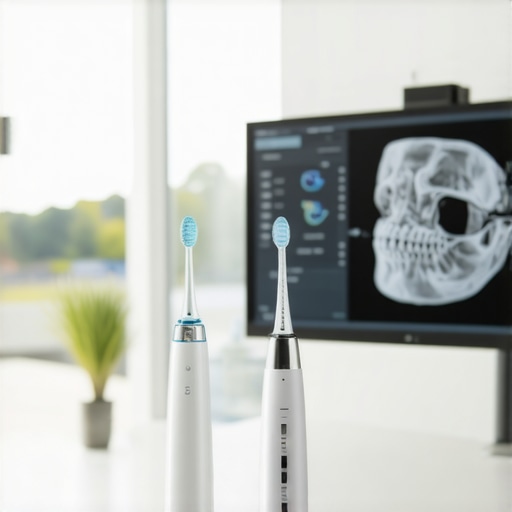
Look ahead to a smarter smile
We are moving into an era where your dental work might actually ‘talk’ to you. I’m following the development of smart sensors embedded in crowns that can detect changes in acidity or bacterial load before a cavity even forms. It sounds like sci-fi, but the future of dental implants cutting edge techniques in cosmetic dentistry is already testing these bio-compatible sensors that relay data straight to your smartphone. For now, your best defense is a proactive offense. Use the best way to brush when you have sensitive gums to ensure you aren’t wearing down the gum line around your new work with aggressive scrubbing. If you haven’t switched to an electric brush with a pressure sensor yet, do it today. It’s the single easiest way to stop accidental recession and protect the structural integrity of your veneers. My big tip for you? Stop using abrasive ‘whitening’ toothpastes on your porcelain. They don’t whiten the ceramic; they just scratch the glaze and make it easier for coffee stains to stick later. Switch to a non-abrasive gel to keep that factory-fresh shine for a decade or more.
Mistakes That Almost Cost Me a Fortune
I used to think that once the dentist finished, my job was done. I was wrong. The hardest lesson I learned is that cosmetic dentistry is a partnership, not a one-way street. Here are the lightbulb moments that changed everything for me:
- Stop obsessing over the color chart. If you go too bright, you lose the natural depth of your teeth. Real enamel has layers, and if you ignore cosmetic dentistry secrets to boost your confidence, you might end up with a smile that looks flat and artificial.
- Gums are the priority. I’ve seen people lose beautiful work because they ignored family dentistry tips for a lifetime of healthy smiles. If your gums aren’t healthy, even the best veneers won’t last.
- Protect your investment while you sleep. If you grind your teeth, you are basically throwing money away. A night guard isn’t optional; it’s insurance for your new look.
What I Keep in My Medicine Cabinet Now
Maintenance is where the real work happens. I trust these specific tools because they target the areas where restorations often fail. First, I never skip 3D imaging; understanding the reason your culpeper dentist uses cbct scans instead of regular x-rays helped me see that prevention happens below the surface. I also rely on a water flosser to keep the margins of my dental implants clean, as standard floss can sometimes miss the deeper pockets where bacteria hide. Finally, I’ve switched to a pH-balanced mouthwash to prevent the acidic erosion that can dull the finish of high-end porcelain over time.
Believe in Your Smile Again
You don’t have to live with a smile that makes you want to hide your face. Whether you are looking at veneers or a more complex reconstruction, the technology is now available to give you a result that is both durable and stunning. Take the time to find a provider who understands how dental implants reshape your oral health in 2025 and focuses on the biology of your mouth just as much as the aesthetics. You deserve a smile that reflects who you truly are. Have you ever felt hesitant to start a cosmetic dental journey because you were afraid of the results looking “too fake”? Let me know in the comments below!