I was sitting at a crowded steakhouse last Friday, mid-laugh, when I felt that unmistakable, sharp nudge against my gums. A tiny piece of ribeye had decided to make a permanent home under my dental bridge. For the next twenty minutes, I wasn’t listening to the story my friend was telling; I was performing a subtle, frantic tongue dance, trying to dislodge the intruder. It is a feeling that makes you want to hide your smile and go straight home to your bathroom mirror. If you have ever felt like your mouth has turned into a high-stakes game of Tetris where the pieces never quite fit, you are not alone.
The Frustrating Reality of the Bridge Gap
The truth is, a dental bridge is a marvel of cosmetic dentistry, but it isn’t perfect. I remember when I first got mine, I thought I was done with dental worries forever. I was wrong. I made the classic mistake of assuming that because it wasn’t a “real” tooth, it didn’t need the same level of micro-management. I ignored that tiny bit of space between the bridge and my gum line until it started to cause a persistent, dull ache. That space is actually a design feature—it needs to be there for cleaning—but when it starts catching everything from bagel seeds to spinach, it is a sign that something needs adjustment. We are going to look at why this happens and, more importantly, how you can reclaim your peace of mind during dinner. Have you ever had to excuse yourself from a date just to go battle a stuck piece of cilantro in the restroom?
Does a bridge always have to be this high-maintenance?
You might be skeptical, thinking you are just stuck with this “food magnet” in your mouth forever. But the reality is that a well-fitted bridge shouldn’t be a constant source of stress. According to the American Dental Association, while bridges are designed to be durable, they require meticulous hygiene because the average dental bridge only lasts about 10 years if the underlying natural teeth aren’t kept pristine. This means keeping that gap clear is non-negotiable for your long-term oral health. It is often a matter of learning the best way to remove a stubborn spinach leaf without poking your gums into a bloody mess. Sometimes, it is about realizing that your bridge might actually be reaching its expiration date. If you aren’t sure, you should check out how to tell if your dental bridge is failing or old.
Why Your Bridge is Suddenly Catching Everything
When I first noticed my bridge was acting up, I blamed my dentist. I thought it was a poor fit from day one. But as it turns out, our mouths are constantly changing. Gums recede, bone density shifts, and over time, that perfectly fitted porcelain can leave a wider gap than intended. It is a common issue in family dentistry that we don’t talk about enough. [IMAGE_PLACEHOLDER] If you are noticing a change, it might be that the “pontic”—the fake tooth—no longer sits flush against the ridge. This creates a pocket. While the dental bridge vs a partial denture debate is common, both require specific hygiene tools to keep that “trap” from becoming a breeding ground for bacteria. I learned the hard way that a standard toothbrush just doesn’t cut it.
Stop Using a Toothbrush for a Specialist’s Job
Standard toothbrushes are great for flat surfaces, but they are physically incapable of reaching the cavernous gap under a pontic. I learned this the hard way when I ended up with a week-long gum infection after trying to ‘scrub’ a piece of popcorn hull out with a medium-bristle brush. It’s like trying to clean behind a radiator with a floor mop; you need specialized tools to get into the nooks and crannies. If you are struggling with a specific blockage, you need to learn the best way to remove a stubborn spinach leaf without causing trauma to the delicate tissue.
Why You Need a Floss Threader Immediately
Think of a floss threader as a needle and thread for your mouth. You loop your floss through the eye of the plastic threader and guide it through the gap between your gum and the bridge. I remember the first time I used one at a wedding rehearsal dinner. I was terrified I’d pull the whole bridge out, but once that floss slid through, it pulled out a day’s worth of ‘hidden’ snacks I didn’t even know were there. It is the most effective way to maintain the area, especially when the dental bridge vs a partial denture debate usually hinges on which one is easier to keep clean.
Water Flossers and the Power of Precision
If manual threading feels like a chore, a water flosser is your best investment. It uses a pressurized stream of water to blast out debris. It is essentially a power wash for your smile. I keep mine on a medium setting—high enough to dislodge the ribeye, but low enough that I’m not bruising my gums. This tool is essential to how to stop your gums from receding without painful surgery, as it keeps the area oxygenated and bacteria-free.
Master the Sweeping Motion to Save Your Gums
When you finally get that floss or interdental brush under the bridge, don’t just pull it back and forth like a saw. Use a ‘C-shape’ sweep. Wrap the floss around the natural tooth at either end of the bridge and slide it gently up and down. This clears the plaque from the anchor teeth, which are the real MVPs holding everything together. If those anchors fail, the bridge fails. I once skipped this step for a month and my dentist showed me a level of plaque buildup that looked like calcified cement. It was a wake-up call that family dentistry isn’t just about the kids; it’s about us maintaining the hardware we’ve paid for.
Deciding if Your Bridge is Simply Too Old
Sometimes, no amount of cleaning will fix the problem because the bridge itself has lived its best life. If the gap has become a canyon, it might be time to look at how to tell if your dental bridge is failing or old. Modern solutions have come a long way, and many people are now opting for dental implants 2025 innovations which eliminate the bridge gap entirely. If you find yourself cleaning under your bridge after every single snack, the seal may have broken, and no tool in the world can fix a structural failure.I was sitting at a crowded steakhouse last Friday, mid-laugh, when I felt that unmistakable, sharp nudge against my gums. A tiny piece of ribeye had decided to make a permanent home under my dental bridge. For the next twenty minutes, I wasn’t listening to the story my friend was telling; I was performing a subtle, frantic tongue dance, trying to dislodge the intruder. It is a feeling that makes you want to hide your smile and go straight home to your bathroom mirror. If you have ever felt like your mouth has turned into a high-stakes game of Tetris where the pieces never quite fit, you are not alone.
The Frustrating Reality of the Bridge Gap
The truth is, a dental bridge is a marvel of cosmetic dentistry, but it isn’t perfect. I remember when I first got mine, I thought I was done with dental worries forever. I was wrong. I made the classic mistake of assuming that because it wasn’t a “real” tooth, it didn’t need the same level of micro-management. I ignored that tiny bit of space between the bridge and my gum line until it started to cause a persistent, dull ache. That space is actually a design feature—it needs to be there for cleaning—but when it starts catching everything from bagel seeds to spinach, it is a sign that something needs adjustment. We are going to look at why this happens and, more importantly, how you can reclaim your peace of mind during dinner. Have you ever had to excuse yourself from a date just to go battle a stuck piece of cilantro in the restroom?
Does a bridge always have to be this high-maintenance?
You might be skeptical, thinking you are just stuck with this “food magnet” in your mouth forever. But the reality is that a well-fitted bridge shouldn’t be a constant source of stress. According to the American Dental Association, while bridges are designed to be durable, they require meticulous hygiene because the average dental bridge only lasts about 10 years if the underlying natural teeth aren’t kept pristine. This means keeping that gap clear is non-negotiable for your long-term oral health. It is often a matter of learning the best way to remove a stubborn spinach leaf without poking your gums into a bloody mess. Sometimes, it is about realizing that your bridge might actually be reaching its expiration date. If you aren’t sure, you should check out how to tell if your dental bridge is failing or old.
Why Your Bridge is Suddenly Catching Everything
When I first noticed my bridge was acting up, I blamed my dentist. I thought it was a poor fit from day one. But as it turns out, our mouths are constantly changing. Gums recede, bone density shifts, and over time, that perfectly fitted porcelain can leave a wider gap than intended. It is a common issue in family dentistry that we don’t talk about enough. If you are noticing a change, it might be that the “pontic”—the fake tooth—no longer sits flush against the ridge. This creates a pocket. While the dental bridge vs a partial denture debate is common, both require specific hygiene tools to keep that “trap” from becoming a breeding ground for bacteria. I learned the hard way that a standard toothbrush just doesn’t cut it.
Stop Using a Toothbrush for a Specialist’s Job
Standard toothbrushes are great for flat surfaces, but they are physically incapable of reaching the cavernous gap under a pontic. I learned this the hard way when I ended up with a week-long gum infection after trying to ‘scrub’ a piece of popcorn hull out with a medium-bristle brush. It’s like trying to clean behind a radiator with a floor mop; you need specialized tools to get into the nooks and crannies. If you are struggling with a specific blockage, you need to learn the best way to remove a stubborn spinach leaf without causing trauma to the delicate tissue.
Why You Need a Floss Threader Immediately
Think of a floss threader as a needle and thread for your mouth. You loop your floss through the eye of the plastic threader and guide it through the gap between your gum and the bridge. I remember the first time I used one at a wedding rehearsal dinner. I was terrified I’d pull the whole bridge out, but once that floss slid through, it pulled out a day’s worth of ‘hidden’ snacks I didn’t even know were there. It is the most effective way to maintain the area, especially when the dental bridge vs a partial denture debate usually hinges on which one is easier to keep clean.
Water Flossers and the Power of Precision
If manual threading feels like a chore, a water flosser is your best investment. It uses a pressurized stream of water to blast out debris. It is essentially a power wash for your smile. I keep mine on a medium setting—high enough to dislodge the ribeye, but low enough that I’m not bruising my gums. This tool is essential to how to stop your gums from receding without painful surgery, as it keeps the area oxygenated and bacteria-free.
Master the Sweeping Motion to Save Your Gums
When you finally get that floss or interdental brush under the bridge, don’t just pull it back and forth like a saw. Use a ‘C-shape’ sweep. Wrap the floss around the natural tooth at either end of the bridge and slide it gently up and down. This clears the plaque from the anchor teeth, which are the real MVPs holding everything together. If those anchors fail, the bridge fails. I once skipped this step for a month and my dentist showed me a level of plaque buildup that looked like calcified cement. It was a wake-up call that family dentistry isn’t just about the kids; it’s about us maintaining the hardware we’ve paid for.
Deciding if Your Bridge is Simply Too Old
Sometimes, no amount of cleaning will fix the problem because the bridge itself has lived its best life. If the gap has become a canyon, it might be time to look at how to tell if your dental bridge is failing or old. Modern solutions have come a long way, and many people are now opting for dental implants 2025 innovations which eliminate the bridge gap entirely. If you find yourself cleaning under your bridge after every single snack, the seal may have broken, and no tool in the world can fix a structural failure.
Stop Chasing the Hollywood White Standard
Many people walk into a clinic demanding the brightest shade on the dental chart, thinking “whiter is better.” However, this is actually the mistake that makes your teeth look too white and fake. Real teeth have natural translucency and subtle gradients near the gumline. If your bridge looks like a solid block of white plastic, it will never blend in. Expert cosmetic work is about matching the existing landscape of your mouth, not creating an artificial lighthouse in your smile.
Why Porcelain Might Actually Be Overrated for Your Specific Bite
While porcelain is often touted as the gold standard, it has a significant “trap”: it is incredibly brittle compared to natural enamel. If you are a night-grinder or have a heavy bite, porcelain can actually cause excessive wear on the opposing natural teeth. Before committing, it is worth exploring the truth about the durability of composite vs porcelain veneers or crowns. In my experience, sometimes a material with slightly more flex is the better long-term choice for structural integrity.
Can Your Jaw Support a Replacement Without Extra Surgery?
This is the advanced question every patient should ask when their bridge starts to fail. Long-term bridge wear often leads to bone resorption because the jawbone isn’t being stimulated by a tooth root. According to the International Journal of Implant Dentistry, maintaining bone volume is the single most critical factor for prosthetic success. This is why how dental implants reshape your oral health in 2025 is so revolutionary; they prevent that bone loss. If you wait too long, you might find yourself needing the future of dental implants cutting edge techniques like bone grafting just to rebuild what was lost.
Don’t Ignore the Foundation for the Facade
The most common advanced mistake is focusing on the porcelain while the gums are in distress. You can have the most expensive restoration in the world, but if your gum health is declining, the hardware will eventually fail. Reclaiming your smile isn’t a one-time transaction; it’s a lifestyle of micro-maintenance. Have you ever fallen into the trap of thinking a bridge was ‘set it and forget it’? Let me know in the comments.
Why Your Choice of Interdental Brush Can Make or Break Your Smile
I spent years thinking that a simple piece of string was enough to keep my bridge healthy. It wasn’t until my hygienist introduced me to TePe interdental brushes that the game changed. These aren’t just tiny toothbrushes; they are precision instruments designed to reach the ‘interproximal’ spaces that floss often skips. I personally use the ‘angled’ version because it lets me reach the back of my bridge without having to contort my jaw into a painful mess, avoiding that dreaded feeling of why your jaw feels tired after a long dental appointment. If you feel a slight ‘catch’ when you slide a brush under your cosmetic dentistry work, that is your early warning system. It means plaque is starting to calcify, and you need to intervene before it turns into a structural issue.
How do I keep my dental work from falling apart in five years?
Maintenance isn’t about working harder; it is about working smarter with the right tech. For those of us with multiple restorations, a water flosser combined with a specialized antimicrobial rinse is the ultimate defense. I recommend using a solution that is alcohol-free to prevent drying out your mucosal tissues. According to the Journal of Oral Implantology, the long-term success of prosthetic hardware is directly correlated to the ‘perimucosal seal’—the way your gums wrap around the implant or bridge. If you lose that seal, you risk the hardware loosening. This is why understanding family dentistry tips for a lifetime of healthy smiles is vital; it teaches you to watch for the subtle reddening of the gum line that signals trouble long before you feel any pain. 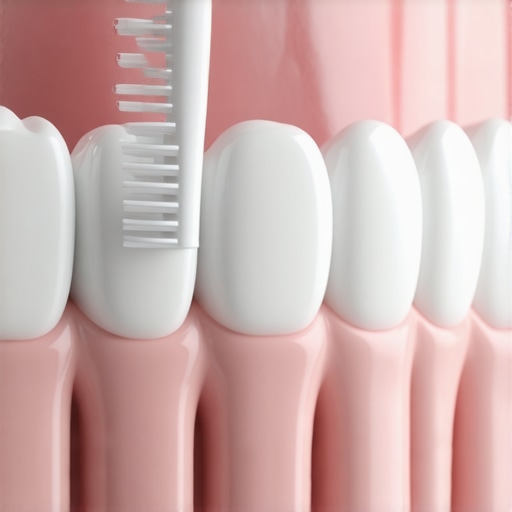
The 2025 Shift Toward Biological Integration
We are entering an era where we don’t just ‘replace’ teeth; we integrate them. I predict that within the next few years, we will see smart-implants equipped with sensors that can detect pH changes in your saliva, alerting your phone to a potential infection before you even see a symptom. We are already seeing the beginning of this with dental implants 2025 innovations. If you are currently debating between keeping a failing bridge or moving to something more permanent, you should look into how dental implants reshape your oral health in 2025. They offer a level of stability that traditional bridges simply cannot match because they prevent the bone from thinning out.
Don’t Let Your Investment Fade into a Yellow Shadow
Even the most beautiful veneers transformation can be ruined if you don’t adjust your lifestyle. I’m a three-coffee-a-day person, and I had to learn how to maintain your white smile after a coffee habit without using abrasive charcoals that scratch the porcelain. The secret is the ‘rinse-immediately’ rule. Every time you have a staining liquid, follow it with a quick water swish. It sounds simple, but it prevents the micro-staining that eventually makes the reason your teeth look grey instead of yellow or white a reality for so many. If you want to keep that high-end look, I challenge you to swap your manual brush for a sonic one this week. The high-frequency vibrations are significantly better at disrupting the biofilm on porcelain surfaces without causing the friction that leads to how to stop your gums from receding without painful surgery. Trust me, your future self—and your bank account—will thank you for the extra two minutes of precision care tonight.
Hard Won Lessons from the Bridge
After years of managing my own oral hardware, I’ve realized that a bridge isn’t just a static piece of porcelain; it’s a living part of your dental ecosystem. The biggest lightbulb moment for me was realizing that the anchor teeth—the ones supporting the entire structure—are actually more vulnerable than they were before. If you don’t treat them with the same care you would a newborn, the whole system eventually fails. Another hard truth is that your gums are the ultimate judge; if they are red or puffy, you are losing the battle regardless of how white your smile looks. Finally, I learned that a ‘perfect’ fit is often temporary because our mouths are dynamic, and staying ahead of those shifts is the only way to avoid why your jaw feels tired after a long dental appointment in the future.
[IMAGE_PLACEHOLDER]
The Vital Tools for Your Daily Arsenal
Maintaining a bridge requires a different level of commitment than natural teeth, and I trust these specific tools to get the job done without damaging the porcelain. First, a dedicated water flosser is a non-negotiable for flushing out debris that manual brushes simply cannot reach. Second, I highly recommend keeping a set of interdental brushes in your bag; they are significantly more effective than toothpicks when you are dining out. Third, if you ever run into a snag, knowing how to remove a stuck piece of floss between tight teeth is a lifesaver that prevents unnecessary gum trauma. Lastly, never underestimate the power of a professional check-up to see how to tell if your dental bridge is failing or old before it becomes an emergency.
Reclaim Your Confidence Starting Today
Taking control of your hygiene routine doesn’t just save your teeth; it saves your peace of mind at every meal. Whether you decide to stick with your current restoration or eventually explore how dental implants reshape your oral health in 2025, the key is to be proactive rather than reactive. Your smile is a long-term investment in your happiness, and with the right precision habits, you can keep your dental bridge fresh and secure for decades. Have you ever felt like your dental bridge was more work than you expected? Let me know your experiences in the comments below!