I remember sitting at a dinner party, mid-laugh, when I suddenly realized I was tilting my head like a confused owl just to hide that dark void where my back molar used to be. It is a specialized kind of social anxiety, isn’t it? You want to be present, but you are hyper-aware of the gap. For months, I agonized over the choice: do I go with a permanent bridge or a removable partial? I even made the massive mistake of thinking I could just leave it alone since it was in the back. I quickly learned that the risk of leaving a missing tooth unreplaced for years is not just about looks; it is about your whole jaw structure. Today, I am going to help you skip the months of indecision I went through. We are going to break down exactly which option fits your lifestyle so you can stop overthinking and start chewing again. Have you found yourself covering your mouth when you laugh lately?
Why You Can Not Just Ignore That Empty Space in Your Mouth
I used to think my teeth were like statues—solid and unmoving. I was wrong. When I lost that tooth, my dentist explained that the remaining teeth are more like a row of books; if you take one out, the rest start to lean. According to the American Dental Association, shifting teeth can lead to a misaligned bite and even painful jaw issues over time. I felt it myself when my upper tooth started ‘drifting’ down into the empty space below. It was a wake-up call. Whether you look into family dentistry options or specialized restorations, doing something is always better than doing nothing.
Is a partial denture just going to feel like a bulky hunk of plastic?
This was my biggest fear. I pictured a clunky device that would pop out while I was eating salad. While partials are removable, modern materials are much thinner than the ones our grandparents wore. However, if you want something that feels like it grew there, a bridge is often the winner. I struggled with how to treat a sore spot caused by your new dentures when I first tried a temporary partial, which is why I eventually leaned toward a fixed bridge.
What I Wish Someone Told Me About Fixed Bridges Versus Removables
My first big hurdle was realizing a bridge requires ‘prepping’ the healthy teeth next to the gap. I felt like I was sacrificing two good teeth to save one empty space. It felt counterintuitive! But a bridge is rock solid. On the flip side, a partial denture is less invasive but requires a lot more daily maintenance. You have to be diligent or you might find yourself wondering how to tell if your dental bridge is failing or old down the road. I learned the hard way that if you do not keep the area under a bridge clean, you are asking for trouble. I actually had to learn the best way to remove a stubborn spinach leaf from under your bridge before I felt truly confident again. Making this choice is about balancing your budget, your patience for cleaning, and how much you value a ‘set it and forget it’ solution.
Do Not Skip the Neighbor Check Before You Commit
Before you decide on a treatment, you have to look at the ‘neighbors.’ In the world of dental restorations, your existing teeth are the foundation. If you choose a fixed bridge, your dentist will have to shave down the enamel of the healthy teeth on either side of the gap to create anchors. Think of it like building a deck; you need sturdy posts to hold up the weight. If those neighboring teeth are already heavily filled or damaged, a bridge is a great two-for-one deal because it protects them with crowns while filling the gap. However, if those teeth are perfectly healthy, you might feel the same sting I did. I remember the exact second my dentist picked up the high-speed handpiece to prep my ‘anchor’ teeth. I almost called the whole thing off because it felt like I was sacrificing two healthy soldiers to save one empty spot. But once I saw the final result, the seamless look gave me the cosmetic dentistry secrets to boost your confidence that I had been missing for years. If you aren’t ready to alter healthy teeth, a removable partial might be your better starting point.
Why Your Lifestyle Determines the Maintenance Level
You need to be honest about your morning routine. A fixed bridge is ‘set it and forget it’ in terms of daily wear, but the cleaning is a specific skill. You can’t just floss straight down; you have to thread the floss under the fake tooth using a bridge threader. If you get lazy, you’ll quickly need to know how to tell if your dental bridge is trapped with food, which can lead to bad breath and gum inflammation. On the other hand, a partial denture is like a pair of clip-on sunglasses. You take it out at night, brush it separately, and let your gums breathe. It is less of a long-term commitment, but it carries the risk of moving slightly while you speak. If you have a high-energy lifestyle or do a lot of public speaking, that slight ‘wiggle’ might drive you crazy. 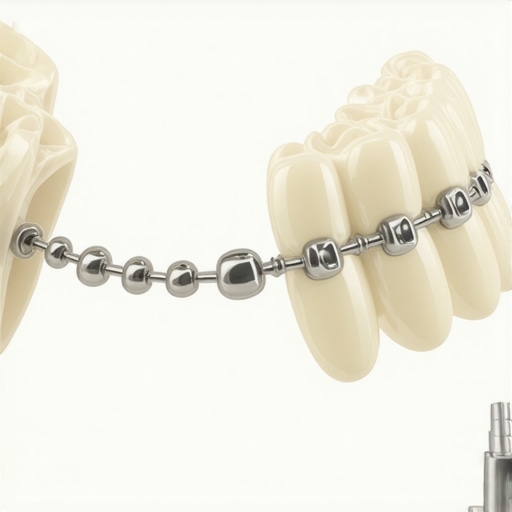
The Real Reason to Consider Modern Implants Instead
While we are comparing bridges and partials, we have to talk about the elephant in the room: the jawbone. Neither a bridge nor a partial replaces the actual root of the tooth. Over time, the bone underneath that gap can start to shrink because it isn’t being stimulated. This is where learning how dental implants reshape your oral health in 2025 becomes vital. Implants act like a titanium root that actually fuses with your bone. If you have the budget and the bone density, an implant avoids the need to shave down neighboring teeth and stops that bone loss in its tracks. I’ve seen friends opt for dental implants 2025 innovations that redefine comfort and durability because they wanted a solution that felt 100% natural.
Evaluate the Long-Term Cost Beyond the Initial Quote
A partial is almost always the cheapest upfront option, which makes it tempting. But you have to factor in the ‘replacement cycle.’ A partial denture might need to be relined or replaced every few years as your mouth shape changes. A bridge lasts longer—often 10 to 15 years—but if one of the anchor teeth gets a cavity, the whole bridge has to come off. This is why family dentistry tips for a lifetime of healthy smiles always emphasize prevention. When I finally chose my bridge, I realized I wasn’t just paying for the porcelain; I was paying for the ability to eat a steak without thinking twice. If you’re still on the fence, look into the the danger of wait-and-see for a loose dental bridge to understand why stability matters so much for your long-term health.
The High Cost of Choosing the Whitest Shade Possible
One of the biggest mistakes I see people make—and I almost made it myself—is the “Hollywood White” trap. We see celebrities with blindingly bright smiles and assume that is the gold standard for success. In reality, choosing a shade that is too bright is actually the mistake that makes your teeth look too white and fake. Natural teeth have a subtle gradient and translucency that allows light to pass through the enamel. If you go for a flat, ultra-white porcelain, you lose that depth, which is often why your porcelain veneers look opaque and not natural. A true expert in cosmetic dentistry secrets to boost your confidence will tell you that the most sophisticated smile is the one no one realizes is dental work. It is about matching the whites of your eyes and your skin tone, not a piece of printer paper. Have you ever fallen into this trap? Let me know in the comments.
Can you actually get an implant if you have already lost bone?
This is where the nuances of the future of dental implants cutting edge techniques in cosmetic dentistry come into play. Many people are told by well-meaning friends that they aren’t candidates for implants because their jawbone has thinned out over years of missing teeth. However, the truth about getting dental implants if you have existing bone loss is that modern grafting techniques can rebuild that foundation with incredible precision. A study published in the Journal of Oral Implantology highlights that bone augmentation has a success rate of over 95%, allowing for stable long-term results even in complex cases. You might just need to understand the reason your dental implant surgery requires a bone graft before you can proceed with a permanent tooth replacement. This step is what separates a quick fix from a lifetime solution.
The Hidden Nuance of Material Selection
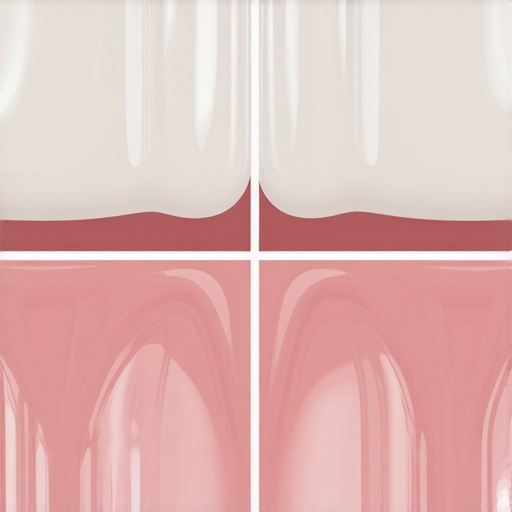
One detail that often gets skipped in the initial consultation is the metal-free revolution. Old-school bridges often use porcelain-fused-to-metal (PFM) for strength. While they are durable, they have a major flaw: over time, as your gums naturally recede, you might see a dark, unsightly grey line at the base of your tooth. This is exactly why your gums look dark around a porcelain-fused-to-metal crown. By opting for all-ceramic or zirconia options in how dental implants reshape your oral health in 2025, you ensure that even if your gums shift a millimeter over the next decade, your smile remains seamless. Do not be afraid to ask your dentist about the specific materials they are using; it is the difference between a five-year fix and a twenty-year investment.
Stop Treating Your Cosmetic Work Like It Is Indestructible
Here is a hard truth: whether you choose a bridge, a partial, or a full veneers transformation unlocking your best smile yet, these materials are not indestructible. People often think that because porcelain does not decay like enamel, they can stop being diligent with their hygiene. That is a dangerous myth. While the porcelain itself won’t get a cavity, the tooth structure underneath it or the gums surrounding it certainly can. If you neglect family dentistry tips for a lifetime of healthy smiles, you risk losing the very foundation your restoration sits on. I have seen people spend thousands on transform your smile with veneers expert tips for perfect results only to ignore basic flossing, leading to gum inflammation that ruins the aesthetic. Whether you are choosing between veneers vs crowns which is right for your smile or finally getting that implant, remember that longevity requires a partnership between your daily habits and your dentist’s skill.
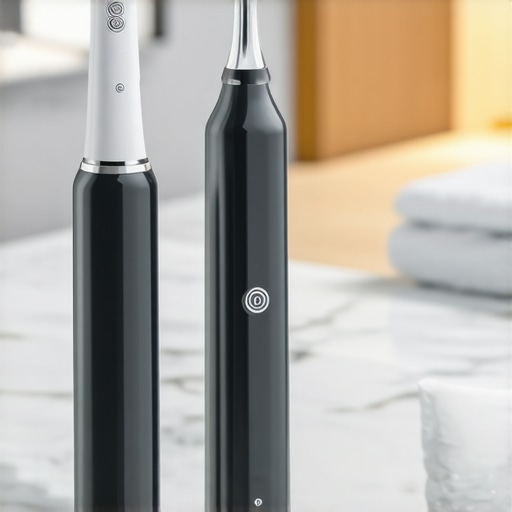
I stopped thinking of my bridge as a ‘finished project’ and started viewing it as a high-performance machine that needs regular tuning. To keep everything working perfectly, I had to ditch the grocery-store mindset and invest in tools that actually reach the danger zones. If you are serious about protection, you need to understand that the junction where your restoration meets your gum is the most vulnerable spot. For me, that meant switching to an oscillating-rotating electric toothbrush. Research published in the International Journal of Dental Hygiene confirms that these brushes are significantly more effective at removing plaque than manual ones, especially around the margins of crowns and veneers. I personally use the Oral-B iO series because the micro-vibrations feel less like a jackhammer and more like a gentle massage for my gums, which is crucial when you are trying to avoid recession. Beyond the brush, the real game-changer was the water flosser. If you have a bridge or implants, string floss can be a nightmare to navigate. I use a Waterpik with the ‘Plaque Seeker’ tip—it has three thin tufts of bristles that reach those tiny crevices around metal-free bridges. It is also the secret to keeping white teeth while drinking morning coffee because it flushes away the tannins before they have a chance to settle into the margins. For those with removable options, remember that the safest way to clean your dentures at home without scratches involves avoiding abrasive cleaners that create microscopic grooves where bacteria can hide.
How Do I Maintain My Dental Restorations Over Time?
Consistency is your best friend here. You need a ‘maintenance trifecta’: a low-abrasivity toothpaste, a dedicated interdental tool, and a regular professional check-up. I always tell people that the truth about the lifespan of a dental implant is that it depends more on your bathroom habits than the surgery itself. If you notice even a hint of sensitivity, don’t wait. Early intervention is the difference between a simple cleaning and a full replacement. You should also be using transform your smile with veneers expert tips for perfect results like wearing a night guard to prevent the porcelain from chipping while you sleep.
Why Smart Technology is the Next Big Step
I predict that within the next five years, we won’t just be getting ‘dumb’ porcelain. We are heading toward dental implants 2025 innovations that redefine comfort and durability where restorations contain biosensors. Imagine a bridge that pings your phone when it detects a change in sulfur levels (a sign of bacteria buildup) before you even smell it on your breath. This is the future of how dental implants reshape your oral health in 2025. Until then, my best advice is to treat your dental work like a luxury car: use the right fuel (non-abrasive products) and never skip a service. If you’re ready to upgrade your routine, I highly suggest swapping your manual brush for an oscillating-rotating model this week—you will feel the difference in the ‘squeak’ of your teeth immediately. If you have questions about which tool is right for your specific bridge or veneer set, feel free to contact us for a personalized recommendation.
The One Dental Regret I See People Make Every Single Day
If I could go back to that dinner party and whisper in my own ear, the first thing I would say is: do not wait until the pain starts to take action. Many people think that if a gap doesn’t hurt, it isn’t causing damage. But by the time your bite shifts, you are looking at a much more expensive fix than a simple restoration. I also learned that the best cosmetic dentistry secrets to boost your confidence are not about perfection; they are about functionality. A bridge that lets you eat an apple is worth ten times more than a veneer that just looks pretty. Finally, remember that your mouth is a living environment. Your gums will change, and your restorations need to evolve with them.
My Personal Maintenance Starter Pack
Keeping a bridge or implant clean should not feel like a part-time job, but you do need the right gear. I swear by the Oral-B iO series for its pressure sensors that protect your gums from recession. For those hard-to-reach areas under a fixed bridge, nothing beats a Waterpik with the Plaque Seeker tip—it is specifically designed to flush out debris around restorations. I also recommend checking the American Dental Association’s consumer portal whenever you are skeptical about a new trend. If you are feeling overwhelmed by the technical jargon, following basic family dentistry tips for a lifetime of healthy smiles is the most reliable foundation you can have.
Finally Getting Your Laugh Back
Choosing between a bridge, a partial, or a permanent implant is a deeply personal decision that affects how you show up in the world. Whether you are looking for the stability of dental implants 2025 innovations that redefine comfort and durability or a more immediate removable fix, the goal is the same: to stop worrying about your mouth and start enjoying your life. You deserve a smile that feels like yours. If you are ready to take that next step and want a professional opinion tailored to your specific jaw structure, do not hesitate to contact us and start the conversation. Have you ever felt like you had to hide your smile during a family photo or a big work meeting? Let me know your experience in the comments below!