I still remember the absolute panic I felt two hours after my wisdom teeth were pulled. I was staring at the bathroom mirror, drooling slightly, and realized I had no idea how to clean my mouth without ruining everything the surgeon just did. I felt like a ticking time bomb. One wrong move, one vigorous spit, and I’d be dealing with the dreaded dry socket. I made a huge mistake early on—I thought “clean” meant “scrubbed,” and I almost paid for it with a week of throbbing pain. Today, I’m going to walk you through exactly how to keep your mouth fresh without disturbing the delicate healing process. We are going to solve the mystery of the first 48 hours so you can heal fast and get back to your life. Have you ever felt that “did I just mess this up” panic after a dental procedure? It’s terrifying, right?
Your Mouth Is Currently a Construction Zone
When you get a wisdom tooth pulled, your body starts a very specific, very fragile architectural project: building a blood clot. This tiny red plug is the only thing standing between you and exposed bone. I used to think my mouth was invincible, but surgery has a way of humbling you. You’re likely wondering how long you should really wait to eat after an extraction, and trust me, that first meal is a minefield if you aren’t careful. My lightbulb moment came when I realized that cleaning wasn’t about friction; it was about gentle irrigation. I learned the hard way that a little extra care now prevents you from needing to know how to manage the intense pain of a dry socket at home tonight. Keeping your smile healthy is a big part of family dentistry tips for a lifetime of healthy smiles, and it starts with these critical recovery hours. It is about more than just avoiding pain; it’s about preserving the foundation of your oral health.
Is a simple salt water rinse actually worth the hype?
Absolutely. It sounds like an old wives’ tale, but it’s the gold standard. According to the American Association of Oral and Maxillofacial Surgeons, a gentle saline rinse helps reduce bacteria without the harsh chemicals found in some mouthwashes that can irritate an open wound. It keeps the pH balance in your mouth stable while you’re in that vulnerable state. But the trick isn’t just the salt; it’s the delivery method. Many people think they need to gargle aggressively, but that is the fastest way to end up back in the surgeon’s chair.
The Secret of the Gentle Tilt and Drainage
In my early days of “fixing” my own dental issues, I would swish and spit like I was in a mouthwash commercial. Don’t do that. After an extraction, spitting creates suction, and suction is the enemy of healing. Instead, you take a sip of lukewarm salt water, tilt your head side to side like you’re listening to a slow song, and then—this is the weird part—just let the water fall out of your mouth into the sink. It’s not glamorous. You will drool. But it saves that clot. If you’re already looking toward the future of your look, mastering this recovery is the first step toward cosmetic dentistry secrets to boost your confidence once you’re fully healed. We’re aiming for a clean slate, not a secondary surgery. You have to be patient with yourself during this phase. The goal is to move the water around the extraction site without any force behind it. Imagine you are washing a fragile antique; you wouldn’t use a pressure washer, would you? Your healing gums deserve that same level of respect.
Mix the Perfect Saltwater Solution Every Time
The first step isn’t just about rinsing; it’s about the chemistry of the water you’re putting in your mouth. I used to think any old water would do, but using a lukewarm saline solution is non-negotiable. You want to mix about half a teaspoon of table salt into eight ounces of warm water. If the water is too hot, you risk dissolving the clot or causing unnecessary swelling; if it’s too cold, your sensitive nerves will let you know with a sharp sting. This isn’t just a home remedy; it’s a way to keep the surgical site clean while you wait to see how dental implants reshape your oral health in 2025 or whatever your next dental milestone might be. Think of this saltwater as a gentle disinfectant that respects the body’s natural healing pace.
Master the Art of the Passive Rinse
Once you have your mix, the physical action of rinsing is where most people fail. You are not trying to blast the bacteria away. You are simply letting the water sit and move by gravity. Take a small sip, hold it on the side of the extraction, and tilt your head. I remember standing over my sink on day two, feeling like a human level, slowly swaying from left to right. After thirty seconds, I didn’t spit. I simply leaned over and let the water fall out. Spitting creates a vacuum in your mouth—the same kind of vacuum that can rip a blood clot right out of its socket. If you’ve ever wondered how to manage the intense pain of a dry socket at home tonight, you know that prevention through this passive “drip” method is infinitely better than the alternative. It’s the difference between a smooth recovery and a week of misery.

Clean the Rest of Your Teeth with Precision
Just because you have a wound in the back of your mouth doesn’t mean the rest of your teeth should suffer. You still need to brush, but you have to change your technique. Use a soft-bristled brush—the kind often recommended in family dentistry tips for a lifetime of healthy smiles—and avoid the extraction site entirely. I found that using a smaller, child-sized brush helped me navigate around the sensitive areas without accidentally bumping the healing tissue. You want to be as surgical with your brushing as the doctor was with the extraction. This is also a good time to reflect on the long-term health of your smile, perhaps considering the truth about the durability of composite vs porcelain veneers if you’re planning a full smile makeover once you’ve healed.
Handle Food Debris Without Using Your Tongue
The biggest temptation you’ll face is “exploring” the gap with your tongue. On my third day of recovery, I felt a tiny piece of soft bread stuck near the socket. My instinct was to flick it out. I did, and immediately felt a sharp, alarming throb. I got lucky that the clot stayed put, but it was a wake-up call. If food gets near the area, leave it. The saltwater rinses will eventually dislodge it. Your tongue is surprisingly strong and can easily disturb the healing process. If you’re worried about how things look while you heal, remember that cosmetic dentistry secrets to boost your confidence usually involve a perfectly healthy foundation first. Don’t rush the process for the sake of a clean-feeling gap; the body knows how to manage small amounts of debris through the irrigation you’re providing twice a day.
People often think that once the wisdom teeth are out and the implants are in, they’ve reached the finish line. But here is the contrarian truth: a dental implant actually requires more vigilance than the tooth you were born with. I’ve seen so many patients assume that because titanium can’t get a cavity, they can slack on hygiene. That is the ultimate trap. While the implant itself won’t decay, the surrounding gum and bone are still living tissue susceptible to peri-implantitis. A study published in the Journal of Periodontology suggests that nearly 20% of patients develop some form of implant-related inflammation over time. If you don’t stay on top of it, you might start wondering why your dental implant feels like it’s vibrating when you talk. This isn’t a mechanical failure; it’s often a sign that the integration is being compromised by micro-movements or bone loss. Maintaining that investment is a core part of family dentistry tips for a lifetime of healthy smiles. Another common ‘oops’ moment happens in the world of veneers. Everyone wants the brightest smile possible, but picking the whitest shade on the chart is often the mistake that makes your teeth look too white and fake. Real teeth have natural translucency and a subtle color gradient. If you go too opaque, you lose the natural aesthetic that cosmetic dentistry secrets to boost your confidence are supposed to provide. You have to learn how to pick the right shade for your new porcelain veneers by matching the whites of your eyes, rather than just choosing the ‘whitest’ option available. This nuance is what separates a professional result from a generic one. 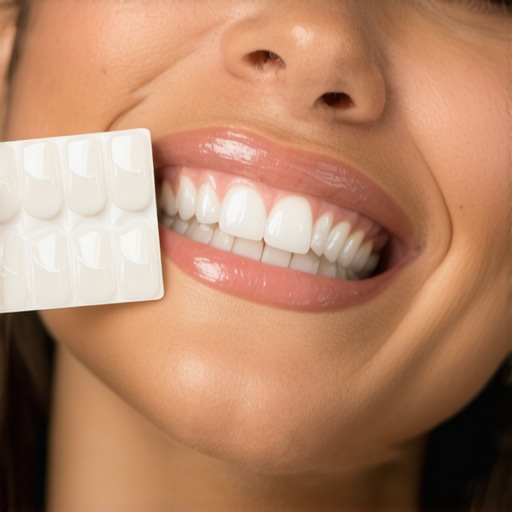
Can an implant actually feel like it is vibrating when you chew?
It sounds like a sci-fi glitch, but it’s a real phenomenon known as ‘occlusal vibration.’ If your implant isn’t seated with perfect precision or if the crown is slightly too high, the impact of your teeth meeting can send a buzzing sensation through your jawbone. This is why why your dental implant feels like it is vibrating when you chew is such a common concern for those in the late stages of recovery. It’s also a major reason why the reason your dental implant surgery requires a bone graft is so often cited—without that dense foundation, the implant can’t handle the high-pressure forces of a human bite. If you’re dealing with the truth about getting dental implants if you have existing bone loss, you know that shortcuts usually lead to these strange, vibrating sensations later on. The hidden nuance of cosmetic work is that it’s 20% art and 80% biology. You can’t just stick a porcelain shell over a problem and expect it to last. If you ignore the foundation, you’ll eventually find yourself asking what to do when a veneer pops off during dinner. Real expertise means preparing for the ‘what ifs’ before they happen. Have you ever fallen into this trap where you thought more ‘expensive’ meant ‘maintenance-free’? Let me know in the comments.I used to think that spending thousands on a new smile meant I was ‘done’ with the dentist for a decade. I was wrong. The biggest shock after getting my own work done was realizing that a high-end smile requires a high-end toolkit. You wouldn’t buy a Ferrari and then wash it with a dirty kitchen sponge, yet people do the equivalent to their teeth every day. If you want to keep those results, you have to upgrade your bathroom counter.
How do I maintain my dental implants and veneers over the next decade?
The secret isn’t just brushing longer; it is brushing smarter with tools designed for restorative materials. For instance, I completely threw away my manual toothbrush and switched to an ultrasonic model with a pressure sensor. Why? Because how to tell if your gum recession is caused by brushing too-hard is a lesson you don’t want to learn when you have a $3,000 crown at stake. I also swear by the Waterpik. A study published in the Journal of Clinical Dentistry found that the Waterpik Water Flosser was significantly more effective than string floss for reducing gingival inflammation around implants. It’s the only way to get under the base of an implant bridge without snagging.
Stop Using Traditional Whitening Toothpaste
Most people reach for the ‘extra whitening’ charcoal tubes, but that is a disaster for porcelain. While we talk about the truth about charcoal toothpaste and your tooth enamel-3, the risk is even higher for veneers. These pastes are often too abrasive and can micro-scratch the surface of your porcelain, making it look dull and actually attracting more stains over time. I switched to a low-abrasivity (low RDA) paste that uses enzymes instead of grit. This preserves the luster of expert tips for perfect results and ensures your smile stays as bright as the day it was bonded. 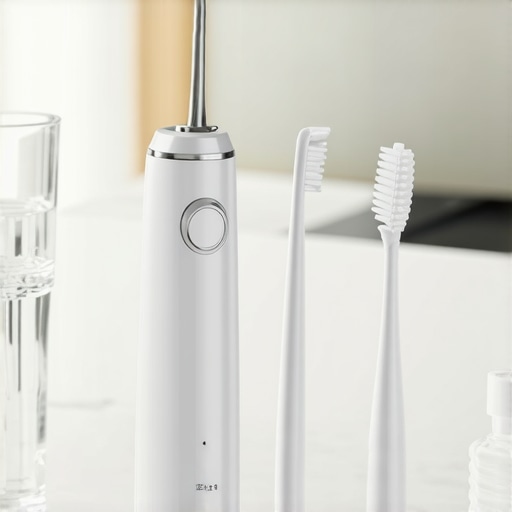
Smart Implants and the 2025 Tech Shift
We are entering an era where your dental work might actually talk back to you. I’m closely watching the development of ‘smart’ abutments—basically dental implants with built-in pH sensors that can alert your dentist to early-stage infection before you even have symptoms. This is part of how dental implants reshape your oral health in 2025. We’re moving away from reactive dentistry and into a phase of ‘predictive maintenance.’ If you are currently in the planning stages, ask your provider about dental implants 2025 innovations. The materials being used today, like zirconia and highly-purified titanium, are more bio-compatible than ever, reducing the need for the reason your dental implant surgery requires a bone graft in some specific cases. My advice? Grab a high-quality water flosser this week and start using it on the lowest setting—it is the single best thing you can do to protect your investment for the long haul.
The Hardest Lesson I Learned While Babying My Gums
If there is one thing I wish I had known during that first week of recovery, it is that silence from your mouth is the ultimate victory. I spent so much time worrying if I was doing enough that I almost did too much. Here are the lightbulb moments that changed my perspective on healing: Don’t mistake ‘clean’ for ‘sterile.’ You aren’t trying to make your mouth a lab environment; you are just trying to keep the peace while your body builds a bridge over the wound. Another big realization was that water temperature is your best friend. Lukewarm isn’t just a suggestion; it’s the Goldilocks zone that keeps your nerves from firing off alarm bells. Lastly, I learned that fear of a dry socket shouldn’t stop you from staying hydrated. Drink plenty of water, just skip the straw, as that suction is what actually causes the trouble. I found that being a passive observer of my healing was much more effective than trying to micro-manage every millimeter of my gums.
What Is on My Bathroom Counter for a Forever Smile
Maintaining a high-end smile requires better tools than a five-dollar drugstore toothbrush. Over the years, I have curated a toolkit that I trust implicitly for both recovery and daily maintenance. First, a high-quality water flosser is a game-changer, especially when you are looking at how dental implants reshape your oral health in 2025. It cleans the areas where manual tools simply can’t reach. Second, I only use extra-soft bristled brushes. This is a staple among family dentistry tips for a lifetime of healthy smiles because it prevents you from scrubbing away your enamel or irritating sensitive gum tissue. Third, if you have invested in porcelain work, you must switch to a non-abrasive paste. Understanding veneers vs crowns: choosing the best option for your smile is important, but knowing how to keep them polished without scratching the surface is what actually saves you money in the long run. Finally, I always keep a bottle of alcohol-free fluoride rinse nearby to strengthen the teeth that aren’t protected by porcelain.
Your Smile Is an Investment Worth Protecting
At the end of the day, your mouth is the gateway to your overall health. Whether you are currently nursing an extraction site or you are planning a full cosmetic transformation, remember that the effort you put in today determines the longevity of your results. Recovery can feel slow and frustrating, but those 48 hours of careful rinsing are the foundation for years of confidence. Don’t be afraid to take it slow and follow the path of least resistance. By applying these family dentistry tips for a lifetime of healthy smiles, you are ensuring that your investment in cosmetic dentistry stays brilliant for decades. Your future self, standing in front of a mirror with a healthy, pain-free smile, will thank you for the patience you showed today. What’s the one part of dental recovery that has you feeling the most nervous right now? Let’s chat in the comments below.