I remember the exact moment the dentist sighed, that soft, heavy sound that every parent dreads. I was sitting in a vinyl chair that smelled faintly of peppermint, watching him point a tiny mirror at my daughter’s six-year molar. There it was: a faint, dark shadow tucked deep inside a groove. My heart sank. I felt like I had failed. We were the family that did the two-minute toothbrushing dances and bought the expensive fluoride rinses. I even followed all the family dentistry tips for a lifetime of healthy smiles I could find. But I made a classic mistake. I assumed that if the surface looked white and I couldn’t see any ‘ridges’ like those on baby teeth coming in with ridges on the bottom, we were safe. I didn’t realize that those deep pits in the back of the mouth are literal canyons where bacteria hide out, completely safe from even the best toothbrush. That day, I learned why dental sealants aren’t just an ‘extra’—they are a necessity.
Stop Letting Cavities Win the Back-Tooth Battle
The anatomy of a molar is actually a bit of a design flaw. If you look closely, those chewing surfaces are full of tiny nooks and crannies. These pits are often narrower than a single bristle on a toothbrush, making them impossible to clean thoroughly at home. Sealants act as a literal raincoat for the tooth, filling in those gaps so food and sugar can’t settle in. It’s a proactive shield. Think of it this way: would you rather spend a few minutes now on a painless coating, or spend hours later researching how dental implants reshape your oral health because a tooth was lost to decay too early? Even if you are diligent about the best snacks for kids who just had a cavity filled, prevention is always cheaper and less stressful than the cure. Today, I want to walk you through exactly how these sealants work and why they are the secret weapon your kid’s smile needs. Have you ever noticed your child struggling to reach those way-back teeth during their nightly routine?
Is this just another unnecessary dental upsell?
I’ll be honest: I used to be the parent who questioned every ‘add-on’ at the clinic. I wondered if sealants were just a way to pad the bill. But the numbers don’t lie. According to the Centers for Disease Control and Prevention (CDC), school-age children without sealants have almost three times more cavities than children with sealants. That is a massive margin of error to play with. When you consider the complexity of pediatric dental growth—like knowing how to tell if your child needs a space maintainer early—it becomes clear that protecting the integrity of the molars is the foundation of everything else. It isn’t just about avoiding a filling today; it’s about ensuring their adult teeth have a healthy environment to exist in for the next eighty years. We are going to dive into the safety, the process, and the long-term benefits that I wish I had known about years ago.
The Step-by-Step Blueprint for a Cavity-Free Future
Applying a dental sealant is a remarkably straightforward process, but understanding each stage helps demystify the visit for both you and your child. Think of it like applying a clear, protective ceramic coating to a new car. You wouldn’t just slap the wax on a muddy hood; the surface needs to be pristine first. This is exactly why your dentist begins with a professional cleaning. They need to remove every trace of plaque and food debris from those deep grooves. If you have ever struggled with how to tell if you have a hidden cavity between teeth, you know how tricky dental anatomy can be. The sealant process aims to eliminate those hiding spots on the chewing surfaces before they become an issue.
Prep Work That Ensures a Lasting Bond
Once the tooth is clean, it must be kept completely dry. This is often the hardest part with a wiggly seven-year-old, but it is the most critical step for success. The dentist will use cotton rolls or a small shield to keep saliva away. Then, a mild ‘etching’ solution is applied to the enamel. This isn’t painful, but it slightly roughens the tooth’s surface at a microscopic level. This texture is what allows the sealant to ‘grip’ the tooth. It reminds me of how a professional might prepare a surface before a veneers transformation unlocking your best smile yet; the foundation determines the longevity. Without this microscopic roughing, the sealant would simply slide off the smooth enamel within weeks.
The Blue Light Magic and Hardening the Shield
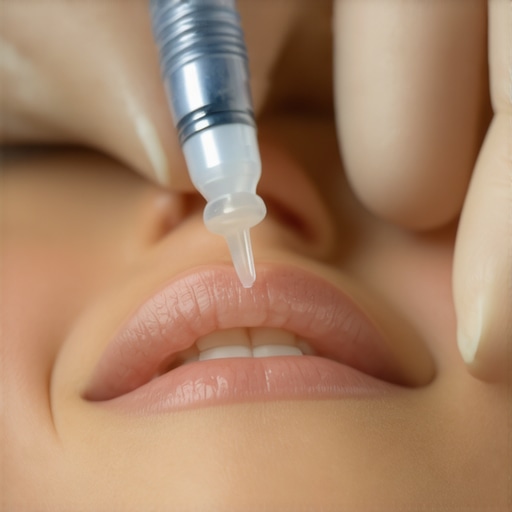
After the etching gel is rinsed away and the tooth is dried again, the liquid sealant is painted onto the grooves. It’s a thin, plastic-like material that flows into every nook and cranny. I remember taking my youngest in for this, and he was convinced the dentist was giving him ‘bionic teeth’ because of the special blue curing light used to harden the material. This light bond is incredibly strong. While it isn’t as thick as what you might see when comparing veneers vs crowns choosing the best option for your smile, it provides a tough, durable barrier. The entire process for one tooth takes less than five minutes, which is a relief if you are still learning how to prepare your child for their very first x-ray or other more involved procedures.
Why Material Choice and Quality Matter
Not all sealants are created equal. Most modern clinics use a resin-based material that is BPA-free and designed to withstand the immense pressure of daily chewing. When discussing the truth about the durability of composite vs porcelain veneers, we often focus on aesthetics, but with sealants, the focus is purely on the seal. If the sealant is too thin, it may wear away; if it’s too thick, it can interfere with the child’s bite. I once had a friend whose daughter complained her ‘teeth felt tall’ after sealants. A quick adjustment by the dentist—literally a few seconds of buffing—fixed the alignment perfectly. This is why a professional application is non-negotiable; you need that precision to ensure the bite remains natural while the protection remains absolute.
Maintaining the Shield for Years to Come
Sealants can last for up to nine years, but they aren’t ‘set it and forget it.’ During every six-month check-up, the dentist will check for chips or wear. Think of it like a routine maintenance check on a dental bridge or a partial denture. If a small piece of the sealant flakes off due to sticky candy or ice-crunching, it can usually be patched without repeating the entire process. This proactive maintenance is a cornerstone of family dentistry tips for a lifetime of healthy smiles. If you notice your child’s teeth look different, or perhaps you’re wondering why your child’s teeth are coming in yellow and spotted, these regular checks are the perfect time to bring those concerns to your provider.
I’ve seen it happen dozens of times: a parent walks in feeling confident because their child has a full set of sealants, only to be blindsided by the news of a cavity. The biggest mistake people make is treating sealants like a ‘bulletproof vest’ for the entire tooth. In reality, sealants only cover the chewing surface. They do absolutely nothing to protect the spaces between the teeth. If you are not flossing, you are still leaving the door wide open for decay. I often tell my patients that relying on sealants without flossing is like locking your front door but leaving all the windows wide arrive. This is how many families end up needing to know how to tell if you have a hidden cavity between teeth despite a seemingly perfect dental record.
What Happens When the Shield Becomes a Hiding Place?
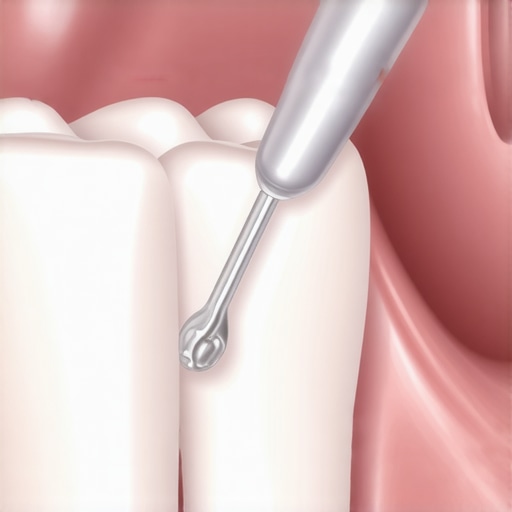
There is a more technical nuance that most people miss—the concept of ‘marginal leakage.’ If a sealant isn’t perfectly bonded or if it starts to wear down at the edges, microscopic gaps can form. Bacteria can crawl under the sealant, and because the plastic coating is still technically there, it can actually hide the decay from a visual inspection. A study published in The Journal of the American Dental Association (JADA) emphasizes that the effectiveness of sealants is tied directly to the ‘continuous monitoring of the seal integrity.’ If that seal is compromised, the very tool meant to protect the tooth becomes a mask for a growing problem. This is why I always check the edges of sealants with the same scrutiny I use when evaluating the truth about the durability of composite vs porcelain veneers; the bond is everything.
Should You Consider Sealants as an Adult?
Another common myth is that you ‘age out’ of needing sealants. While we prioritize them for children as their permanent molars erupt, adults with deep grooves can benefit just as much. However, the risk for adults is different. If an adult already has early-stage decay and a sealant is placed over it without proper preparation, it can accelerate the problem. This is a far more sophisticated decision than simply adding a coating. It requires a dentist who understands the long-term mechanics of how dental implants reshape your oral health in 2025 and how to preserve natural tooth structure at all costs. We want to avoid the ‘over-treatment’ trap, where we apply solutions to problems that aren’t there, similar to the mistake that makes your teeth look too white and fake in cosmetic procedures. Balance and necessity are the keys to family dentistry tips for a lifetime of healthy smiles. Have you ever fallen into the trap of thinking a sealant meant you could skip the floss? Let me know in the comments.
Moving beyond the basics of sealants and fillings requires a shift in mindset—you have to start thinking like a specialist. I used to think a toothbrush was just a toothbrush, but after seeing the long-term data on how plaque accumulates around expensive restorations, I changed my tune. If you’ve invested in a veneers transformation unlocking your best smile yet, or if you’ve navigated the complexities of the reason your dental implant surgery requires a bone graft, you know that the stakes are higher than just a simple cleaning. You aren’t just cleaning teeth anymore; you are maintaining a biological and mechanical ecosystem. I personally rely on a sonic toothbrush with a built-in pressure sensor. I’ve seen too many patients wonder why your gums bleed every time you try a new electric toothbrush, and usually, it’s because they are scrubbing far too hard. These sensors are a game-changer for protecting the delicate margins where your natural tooth meets a veneer or a crown.
How do I maintain my cosmetic dental work over a decade?
Longevity is the ultimate goal in cosmetic and restorative dentistry. It isn’t enough to get the work done; you have to defend it. A notable study from the Gordon J. Christensen Clinicians Report suggests that high-frequency sonic vibrations are significantly more effective at disrupting biofilm in the hard-to-reach areas around implants and bridges than traditional oscillating-rotary brushes. This is why I advocate for specific gear. For those with restorations, I recommend the Philips Sonicare ProtectiveClean series. It’s not just about the brand; it’s about the specific vibration frequency that preserves the bond of your dental work while flushing out those deep crevices. If you are struggling with how to maintain your white smile after a coffee habit, these tools are your first line of defense against extrinsic staining that can dull your results over time.
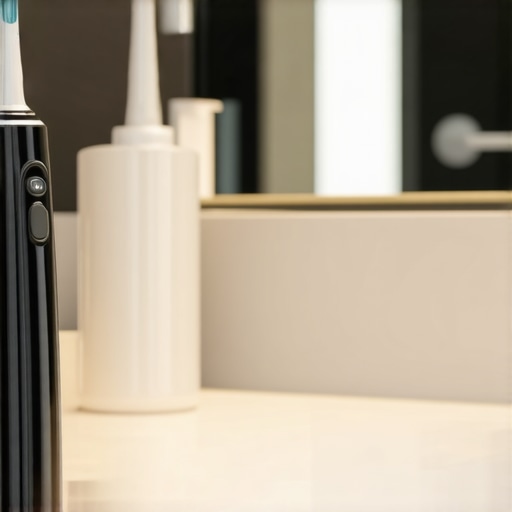
Beyond the brush, the tools you use for interdental cleaning make or break your oral health. For my patients with bridges or implants, a standard string of floss often isn’t enough. You need to know how to tell if your dental bridge is failing or old, and the best way to prevent that failure is a high-quality water flosser. I use the Waterpik Aquarius because it allows for variable pressure. High pressure for the back molars where sealants and implants live, and lower pressure for the front where the gums are thinner. It’s about precision. If you also wear a night guard, you must prioritize hygiene there too, so learn how to clean your night guard without damaging the material to avoid introducing harmful bacteria back into your mouth every night.
The Future of Proactive Enamel Protection
Looking ahead to 2025 and beyond, I predict we will see a massive surge in bio-active dental materials. We are already seeing the early stages of how dental implants reshape your oral health in 2025 through better integration techniques. Soon, sealants and filling materials will likely be ‘smart,’ capable of releasing calcium and phosphate ions to actively repair enamel as it demineralizes. This will transform family dentistry tips for a lifetime of healthy smiles from simple prevention into active regeneration. To stay ahead of the curve, try switching to a pH-balanced mouthwash tonight to see if your morning breath improves—it’s the simplest way to protect your enamel from silent erosion and keep your restorations pristine. How often are you really checking the integrity of your older dental work?
The Hard Truths I Discovered About Protecting Every Smile in My House
Over the years, I’ve realized that the most expensive dental mistakes are the ones we ignore simply because ‘nothing hurts yet.’ My biggest lightbulb moment was recognizing that sealants are essentially a low-cost insurance policy for your child’s permanent molars, protecting them long before a cavity can even start. It’s also important to remember that even with the most consistent family dentistry tips for a lifetime of healthy smiles, our tools must evolve as our mouths do. I once believed manual brushing was the gold standard, but seeing the way plaque hides around the base of a dental bridge that is failing or old taught me that specialized technology is often our best ally in prevention. Ultimately, I learned that dental health isn’t a final destination; it is a series of small, daily defenses that keep us out of the surgery chair and maintain our natural enamel for decades.
The Tools That Actually Earned a Spot on My Bathroom Counter
I do not recommend products lightly, but these three items have fundamentally changed my own routine and what I suggest to my patients. First, a high-quality water flosser is a non-negotiable tool if you have any restorative work or tight crowding; it reaches the bacterial colonies where traditional string simply cannot penetrate. Second, I swear by pH-balanced mouthwashes because they neutralize the ‘acid attacks’ that occur after every meal, which is essential if you are exploring cosmetic dentistry secrets to boost your confidence and want to protect your investment. Lastly, don’t underestimate the power of a simple tongue scraper. It remains the most underrated way to reduce the overall bacterial load in your mouth and keep your breath fresh without relying on harsh chemicals.
#IMAGE_PLACEHOLDER_E#
Your Next Move for a Lifetime of Confidence
Deciding to prioritize preventative care like sealants or upgrading your home hygiene routine is the most valuable gift you can give your future self. Whether you are currently researching how dental implants reshape your oral health in 2025 or you are simply focused on keeping your natural teeth as healthy as possible, the journey starts with one proactive choice today. If you have questions about which preventative measures or advanced treatments are right for your unique situation, I encourage you to reach out to us for a personalized consultation. Have you ever felt like your current brushing routine just wasn’t reaching those ‘way-back’ molars effectively? Let me know in the comments below!