I stood in front of the mirror, grinning a jet-black, slightly terrifying smile. I had just smeared a thick layer of “natural” activated charcoal across my teeth, convinced that this was the secret shortcut to a blindingly white smile. I felt like a DIY genius. But a few weeks into my new routine, the “natural” glow I expected was replaced by a sharp, zingy pain every time I sipped my morning coffee. I didn’t realize it then, but I was literally scrubbing away the most precious thing my teeth have: the enamel. I made the classic mistake of thinking that because it was “natural,” it couldn’t possibly be harmful. Today, I want to save you from that same mistake and show you how to brighten your smile without turning your tooth structure into a memory.
Stop Sandpapering Your Smile for a Trend
My journey into the world of trendy whitening started because I was tired of why your teeth look yellow despite using whitening toothpaste every day with no results. I wanted the fast lane. I wanted those cosmetic dentistry secrets to boost your confidence without actually sitting in a dentist’s chair. So, I grabbed the charcoal. Here is the hard truth I learned the expensive way: charcoal is an abrasive. It doesn’t “draw out” stains like a magnet; it scours them off like steel wool on a non-stick pan. While it might remove surface stains from your weekend red wine habit, it’s also taking a microscopic layer of your enamel with it. Once that enamel is gone, it’s gone forever. There is no “regrowing” it. In fact, the American Dental Association has noted that there is no clinical evidence showing charcoal is safe or effective for teeth whitening. The grit is just too high for daily use.
Will this actually give me a Hollywood smile?
The short answer? Probably not the way you think. In my case, I fell for the mistake that makes your teeth look too white and fake in photos, only to realize my teeth looked grayer in person because the yellow dentin was starting to show through my thinned enamel. It’s a heartbreaking irony. You spend time and money trying to look better, but you end up needing professional help just to fix the damage. Have you ever tried a “natural” dental hack only to have it backfire? I’d love to hear your story in the comments so we can all learn what to avoid. Before you dip your brush back into that black powder, let’s talk about the truth about whitening your teeth with activated charcoal and what the safer alternatives actually look like.
Trade the Abrasive Scrub for Chemically Safe Brightness
Moving from charcoal to a safe whitening method is like switching from cleaning your car with a wire brush to using a gentle, high-quality wax. You want to remove the debris, not the finish. The real secret to brightening teeth without destruction lies in oxygenation, not abrasion. Professional-grade peroxide gels work by sinking into the pores of your teeth to break apart stain molecules. Unlike charcoal, which acts like sandpaper, these gels don’t physically scrape the surface. However, you have to be careful with the concentration. I remember the first time I tried a high-intensity kit without a professional guide; I spent the whole night with ‘zingers’—those sharp, electric shocks of pain in my gums. This happens because the chemical can dehydrate the tooth or irritate the nerve if the tray doesn’t fit perfectly. That is why it is vital to understand the truth about whitening strips and sensitive enamel before you start any treatment. If your teeth are already thinned out from charcoal, those strips will feel like a lightning storm in your mouth.
Why Professional Gels Beat the Black Powder Every Time
Controlled whitening is about precision. When you use a custom tray from a dentist, the gel stays on the tooth and off the gums. This prevents the chemical burns that lead to why your teeth feel sensitive after using whitening strips or over-the-counter products. 
When Stains Go Deeper Than Enamel Veneers Provide a Fresh Start
Sometimes, the yellow isn’t a stain at all; it’s the natural color of the dentin showing through because your enamel is naturally thin or has been worn down. In these cases, no amount of bleaching—natural or chemical—will give you that crisp, white look. This is where we look at transform your smile with veneers expert tips for perfect results. Think of veneers as high-end porcelain siding for a house. Instead of trying to scrub a stained, crumbling wall, you’re placing a brand new, durable, and beautiful surface over it. It covers imperfections and provides a permanent shade that doesn’t fade with your morning brew. Just keep in mind that why porcelain veneers sometimes cause sensitivity to cold drinks is a real factor to discuss during your consultation.
Build a Foundation That Lasts Beyond the Surface
If you’ve lost teeth or have structural damage from years of aggressive ‘hacks,’ whitening is the least of your concerns. You can’t build a beautiful house on a shaky foundation. Modern restorative options like dental implants 2025 innovations that redefine comfort and durability have changed the game. Implants don’t just fill a gap; they mimic the root of a tooth, which keeps your jawbone healthy and your other teeth from shifting. I’ve seen people spend thousands on whitening only to realize their smile still looked ‘off’ because of missing molars that were causing their face to look slightly sunken. Seeing how dental implants reshape your oral health in 2025 shows that a bright smile is a byproduct of a healthy, functional mouth.
Keep the Glow Without Giving Up Your Latte
Once you’ve achieved a safe level of brightness, the goal is maintenance. You don’t need to go back to the charcoal. Simple habits like rinsing with water after coffee can save your enamel. Learning how to maintain your white smile after a coffee habit is about consistency, not intensity. This is the cornerstone of family dentistry tips for a lifetime of healthy smiles—protecting what you have rather than trying to fix what you broke.Most people treat a dental implant like a ‘set it and forget it’ bionic upgrade, but the contrarian truth is that implants can be more vulnerable to gum disease than your natural teeth. Without the periodontal ligament—that natural cushion and immune barrier your original teeth possess—bacteria can migrate down the titanium post much faster. This is why the truth about getting dental implants if you have existing bone loss is a conversation you must have before the first incision. If you assume an implant is maintenance-free, you are falling into the trap of peri-implantitis, which can lead to total hardware failure. The ‘Oops’ factor often happens when patients skip the necessary groundwork, like ignoring the reason your dental implant surgery requires a bone graft to ensure long-term stability.
The Bulky Veneer Trap and How to Avoid It
Another common mistake in the quest for a Hollywood smile is failing to distinguish between a cosmetic mask and a structural fix. I often see patients who are disappointed because their new smile looks ‘off’ or feels heavy. Usually, this happens because they didn’t realize why your veneers feel bulkier than your natural teeth—often a result of insufficient tooth preparation or choosing the wrong material for their specific bite. It is a delicate balance of veneers vs crowns choosing the best option for your smile; sometimes a crown is necessary to provide the support that a thin veneer simply cannot offer. 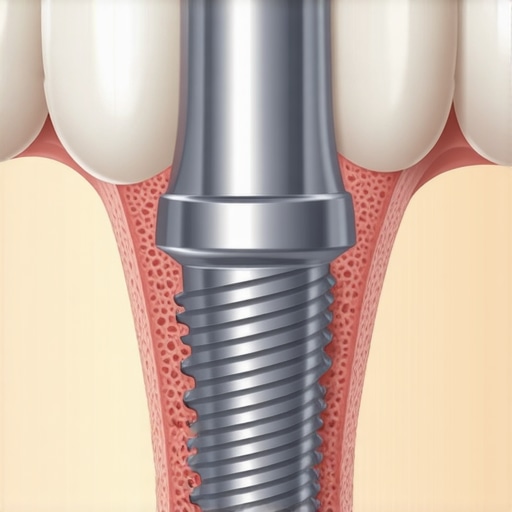
Can an implant actually fail after years of perfect function?
While we often hear about the high success rates of modern dentistry, ‘late implant failure’ is a real phenomenon that catches many by surprise. A study published in the Journal of Periodontal & Implant Science notes that mechanical overloading, often caused by undiagnosed nighttime grinding, can lead to micro-fractures in the bone-to-metal bond. If you start noticing that your dental implant feels like it is vibrating slightly, it is not just a weird quirk; it is a sign that the osseointegration might be compromised. This is why the reason your culpeper dentist uses cbct scans instead of regular x-rays is so vital—it allows us to see the density of that bone in three dimensions before and after the procedure.
Protect Your Investment Beyond the Dentist Chair
Establishing a high-end smile requires more than just one successful surgery; it requires an analytical approach to daily habits. For instance, many don’t realize that their underlying health affects their cosmetic results, such as the impact of pregnancy on your gum health and sensitivity, which can shift the foundation of even the best dental work. Have you ever fallen into the trap of thinking a procedure was a ‘one-time fix’ only to realize the maintenance was the real challenge? Let me know your story in the comments. Whether you are looking at the future of dental implants cutting edge techniques in cosmetic dentistry or just trying to keep your current smile bright, remember that the best results come from addressing the root cause, not just the surface. If you’re ready to move past the myths and get a professional’s perspective on your unique smile, feel free to contact us today to start a real conversation about your oral health.I used to think that once the crown was on the implant or the veneer was bonded, the work was done. I was wrong. Maintenance is where the ‘forever’ part of a ‘forever smile’ actually happens. For my own routine, I’ve ditched manual brushing entirely for a high-end sonic toothbrush with a pressure sensor. I use this specifically because it forces me to be gentle; if you push too hard, the motor slows down, which prevents the gum recession that often exposes the dark edges of dental work. This is crucial because why your gums bleed every time you try a new electric toothbrush is usually a sign of technique, not just the tool itself. Next, let’s talk about the water flosser. If you have a bridge or implants, traditional floss can be a nightmare that leads to frustration. I use a water flosser with a specialized ‘plaque seeker’ tip. I choose this because it flushes out the microscopic bio-film that settles in the ‘peri-implant’ space—the tiny gap between the gum and the titanium—where a string simply cannot reach. This proactive step is how you avoid the danger of wait and see for a loose dental bridge or an implant that starts to lose its grip. 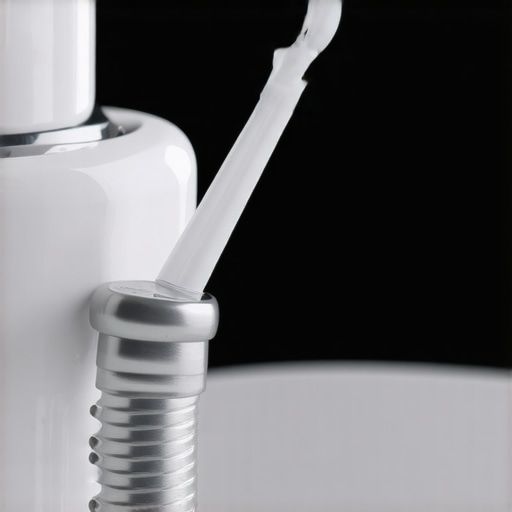
How do I maintain my dental implants over the long haul?
The secret isn’t just cleaning; it’s active monitoring. I’ve started using a high-resolution intraoral camera at home—a tiny device that plugs into my phone—to spot issues before they become emergencies. According to Dr. Gordon Christensen, the founder of the Clinical Research (CR) Foundation, the clinical success of dental restorations is tied directly to the early detection of marginal leakage or minor fractures. By looking at my own teeth on a 4K screen, I can see how to tell if you have a hidden cavity between teeth or if a veneer is starting to show micro-wear. Looking ahead, I predict we are moving toward ‘smart implants’ that have built-in pH sensors to alert your smartphone the second bacteria levels spike. We are already seeing the future of dental implants cutting edge techniques in cosmetic dentistry focus on bio-integration and real-time data. Until then, you need to be the sensor. If you haven’t yet, I highly recommend investing in a professional-grade water flosser; it’s the single most effective way to protect your investment. Integrating these family dentistry tips for a lifetime of healthy smiles into your daily life ensures that how dental implants reshape your oral health in 2025 stays a positive story for you. Try using a water flosser specifically on your gum line for 30 seconds tonight—your future self will thank you for the extra effort.
The Hard Truth My Mirror Taught Me About DIY Hacks
The most important lesson I learned is that ‘natural’ is a marketing term, not a safety standard. Scrubbing with charcoal was like using a brillo pad on a fine crystal glass; once that shine is gone, you can’t just polish it back. I also realized that even though the future of dental implants cutting edge techniques in cosmetic dentistry is incredibly advanced, a titanium post requires more daily hygiene than a natural tooth. This is because an implant lacks the natural immune barrier of a periodontal ligament, making your home care routine even more critical than before you had surgery.
Build Your Professional Smile Defense Kit
If you want to keep your results, you need the right tools in your cabinet. I personally rely on a sonic toothbrush with a pressure sensor to prevent recession and a high-quality water flosser for cleaning under bridges. When you are deciding between veneers vs crowns which is right for your smile, remember that the goal is always long-term structural integrity. These tools, combined with family dentistry tips for a lifetime of healthy smiles, ensure your investment doesn’t wash down the drain. #IMAGE_PLACEHOLDER_E#
Your Smile is Your Forever Signature
Don’t let the fear of past DIY mistakes keep you from seeking a professional’s help. Whether you have worn down your enamel with trends or are dealing with a missing tooth, modern dentistry has a predictable path back to a bright, healthy look. Using cosmetic dentistry secrets to boost your confidence is about leaning on science rather than social media shortcuts. Take care of your teeth today, and they will support your confidence for decades to come. What is one ‘natural’ dental hack you tried that didn’t work out as planned? Let me know in the comments below!