I’ll never forget the morning my daughter’s first adult molar finally peeked through. I expected that ‘Hollywood’ sparkle. Instead, what I saw looked more like an old, weathered piano key—dull yellow and splashed with faint white spots. My heart sank. I spent the next hour frantically googling every terrifying dental condition known to man, convinced I’d somehow ruined her oral health before she even hit double digits. If you’re staring into your child’s mouth and seeing something similar, take a deep breath. You haven’t failed, and your kid isn’t destined for a lifetime of hiding their smile. Today, we’re going to figure out exactly why these colors appear and how we can get that confident grin back on track.
Those new teeth look way different than the baby ones
It’s a bit of a biological prank, really. You get used to those tiny, bright-white milk teeth, and then the ‘big kid’ teeth arrive looking like they’ve been soaking in tea. I actually made a huge mistake early on by assuming my daughter just wasn’t brushing well enough. I bought the grittiest whitening toothpaste I could find and practically hovered over her like a drill sergeant. Spoiler alert: it didn’t change the color at all; it just made her teeth sensitive. The truth is that permanent teeth naturally have more dentin, which is the yellowish layer living right under the enamel. Because permanent teeth are much larger than baby teeth, that yellow hue is far more obvious. But what about those weird, chalky spots? That’s where things get a bit more interesting.
Is this just a sign of poor brushing?
This is the big fear every parent carries into the exam room. We worry the dentist is going to judge our parenting based on a stray yellow spot. But often, those marks have absolutely nothing to do with how many times your kid brushed this week. They are frequently ‘developmental fingerprints’ from when the tooth was still forming under the gums. If you’re stressed about a specific mark, learning how to tell if your toddler has a cavity or a stained groove can save you a lot of sleepless nights. Have you ever felt that surge of panic when you noticed a new mark on their teeth?
Why your kid’s smile has these strange white or yellow spots
Sometimes, the enamel—the hard outer shell—just doesn’t develop quite right. This is often called Enamel Hypoplasia. It’s not your fault; it can be caused by anything from a high fever when they were a toddler to simple genetics. According to the American Academy of Pediatric Dentistry (AAPD), these developmental defects are surprisingly common, yet they still catch most parents off guard because they look so much like decay. We aren’t just looking at aesthetics here; thin enamel can be sensitive to cold treats. That’s why incorporating solid family dentistry tips into your daily routine is so vital for protection. We’re going to look at how to manage this without the tears—especially if you’re trying to help a child who is afraid of the dental chair. If things ever take a turn for the worse, knowing how to handle your child’s first dental emergency safely will make you the hero of the household. Let’s dive into the practical ways we can strengthen that enamel and even explore some cosmetic dentistry secrets to brighten things up when they are older.When I first saw that chalky mark on my son’s molar, I did the most ‘parent’ thing ever: I tried to gently scratch it off with my fingernail, thinking it was just a piece of rogue cheese. It didn’t budge. That was my ‘aha’ moment where I realized we weren’t dealing with a cleaning issue, but a structural one. If you are in the same boat, the first thing you need to do is a tactile check. Gently run a clean finger or a soft toothbrush over the spot. If it feels smooth, it’s likely a developmental mark or a mineral issue. If it feels sticky or indented, you might need to know how to tell if a white spot on your tooth is a cavity because early decay often starts as a bright white, porous-looking patch.
Check if that white spot is actually a cavity
Think of your child’s enamel like a shield. When it’s healthy, it’s like a polished suit of armor. When it loses minerals, it becomes more like a sponge—it looks white and opaque because the light is bouncing off those tiny new holes. To manage this at home, we started focusing on ‘remineralization’ rather than just ‘cleaning.’ This means using a fluoride toothpaste that acts like a patch kit for that armor. I found that if I just told my son to brush, he’d miss the spots entirely. Now, we apply a tiny smear of paste directly onto those white spots and let it sit for a minute before brushing. It’s a small tweak to our family dentistry tips that actually makes the fluoride work harder. 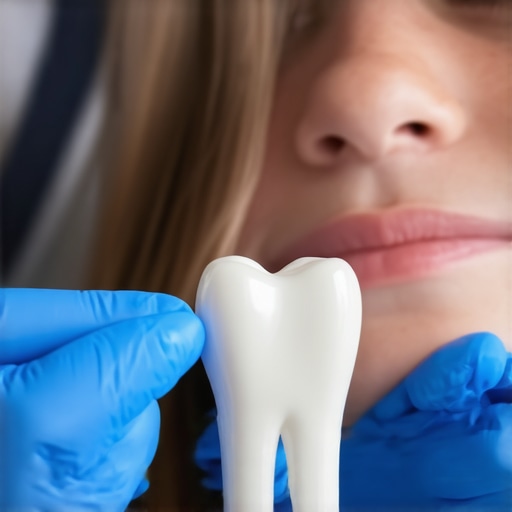
How to beef up thinning enamel at home
Diet plays a much bigger role than most parents realize. It’s not just about avoiding candy; it’s about the ‘acid bath’ that happens every time they eat. When my kids have those developmental spots, their enamel is naturally thinner and more susceptible to wear. We moved away from sticky snacks and started prioritizing the best snacks for kids like cheese and nuts, which help neutralize acid and provide the calcium needed to keep that shield strong. If the yellowing is widespread and you’re worried about the look, remember that permanent teeth naturally look more yellow due to the thicker dentin layer underneath.
Professional fixes that go beyond a simple cleaning
Sometimes, despite our best efforts at home, the spots are too deep or the enamel is too thin to leave alone. In our case, our dentist suggested a technique called resin infiltration. It’s like filling a pothole with clear liquid plastic that hardens under a light. It fills the pores of the white spot, making it blend in with the rest of the tooth and strengthening the surface. For older kids or teens who are self-conscious about deep staining, we can eventually look into how to fix a cracked front tooth with cosmetic bonding or even more permanent solutions like veneers once their jaw is fully developed. The key is to act while the spot is just a ‘color’ issue before it turns into a structural ‘hole’ issue. If you’re seeing these marks, don’t wait for the next six-month checkup; a quick professional assessment can determine if you need a specialized sealant or a simple change in your home routine.As our kids grow, those tiny white spots we noticed during toddlerhood might remain, or they might evolve into larger aesthetic concerns that require more than just a better brushing habit. This is where we transition from simple ‘spot-checking’ into the more nuanced world of advanced cosmetic dentistry secrets. Most parents assume that ‘cosmetic’ implies a purely elective, vanity-driven choice, but in high-level pediatric and family care, these treatments are frequently structural. If a child has severe enamel hypoplasia, we aren’t just fixing the color; we are reinforcing the tooth’s integrity. For example, knowing how to fix a cracked front tooth with cosmetic bonding is often about preventing further decay in a vulnerable area just as much as it is about the smile itself.
Don’t fall for the ‘white is always right’ trap
There is a common misconception that the goal of any dental restoration is to achieve the brightest white possible. In my experience, this is the quickest way to end up with a smile that looks artificial. Natural teeth have a quality called opalescence—they play with the light. If you or your teen choose a shade that is too opaque, the teeth will look like flat plastic rather than living tissue. This is exactly why your porcelain veneers look opaque and not natural if the lab work isn’t handled with an artistic eye. A study published in the Journal of Dentistry highlights that the ‘value’ (brightness) of a tooth is actually less important for a natural look than the ‘chroma’ (intensity of color) and translucency. If you ignore these nuances, you’ll likely fall victim to the mistake that makes your teeth look too white and fake. Have you ever fallen into this trap of chasing a ‘Hollywood’ white only to realize it didn’t look quite right? Let me know in the comments. 
Can dental implants really last a lifetime?
For older teens or young adults dealing with a congenitally missing tooth or a severe injury, the conversation often shifts toward dental implants 2025 innovations that redefine comfort and durability. The hidden nuance here is that an implant’s success is 90% about the foundation. People often ask about the truth about the lifespan of a dental implant, assuming the metal post is the only factor. However, the real ‘oops’ factor is ignoring the bone density. If you’ve been missing a tooth for years, you must understand the truth about getting dental implants if you have existing bone loss. Without enough bone to anchor the post, even the most expensive implant will fail. Whether you are looking at transform-your-smile-with-veneers-expert-tips-for-perfect-results or exploring long-term replacements, the goal is always to mimic nature’s blueprint. By understanding these advanced nuances, you can move past the panic of seeing a yellow spot and start making decisions that protect your family’s smiles for decades.I used to think that once the veneers were bonded or the implant was successfully placed, the ‘hard part’ was over. I couldn’t have been more wrong. The real work is in the quiet, daily maintenance that keeps those investments from failing. If you treat your new smile like your old one, you are likely to run into expensive trouble down the road. For instance, I completely ditched manual brushes after I learned that I was essentially sanding down my gums and the margins of my dental work. Now, I swear by a sonic toothbrush with a built-in pressure sensor. It is not just a gadget; it is a safeguard. When that little light flashes red because I am pressing too hard, it is literally saving me from having to figure out how to tell if your gum recession is caused by brushing too hard.
Why your old manual toothbrush is a risk for your veneers
The problem with manual brushing is the lack of consistency. When you have high-end restorations, the junction where the porcelain meets your natural tooth is the most vulnerable spot. If you are too aggressive, you’ll cause the gums to pull back, exposing a dark line or, worse, a ledge that catches food. I’ve seen parents panic because the reason your porcelain veneer feels rough to your tongue is often just microscopic plaque buildup that a standard brush missed. I recommend using a specialized water flosser on a medium-low setting—specifically a ‘pulse’ mode—which gently flushes the sulcus without dislodging the cement. This is vital for avoiding the nightmare of what to do when a veneer pops off during dinner. 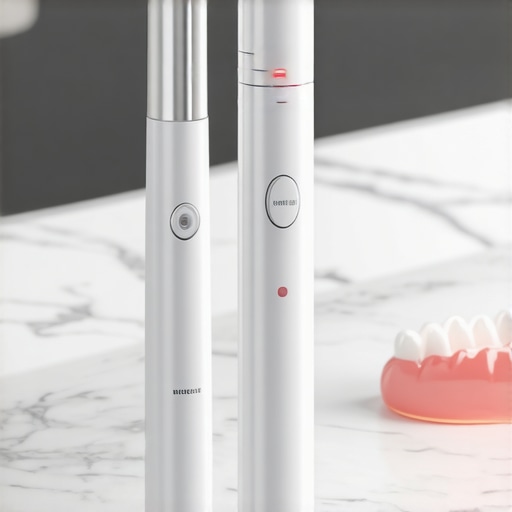
How do I keep my cosmetic dental work pristine for years?
Longevity is a game of friction and pH balance. If you grind your teeth at night, that beautiful porcelain is under immense pressure. I finally invested in a custom-made night guard, and it was a game-changer. However, most people ruin their guards by cleaning them with abrasive toothpaste. You need to know how to clean your night guard without damaging the material to ensure you aren’t introducing bacteria back into your mouth every night. The American Academy of Implant Dentistry (AAID) emphasizes that ‘peri-implantitis’—an inflammatory disease that affects the tissues around an implant—is a leading cause of failure. It is why my toolkit includes an alkaline mouth rinse that neutralizes acids instantly after meals, protecting both the titanium post and the surrounding bone.
Where home care is headed in the next five years
We are moving away from ‘scrubbing’ and toward ‘bio-management.’ I’m keeping a close eye on the future of dental implants cutting edge techniques in cosmetic dentistry, which includes things like bio-active glass in toothpastes that can actually help seal micro-fissures in real-time. For now, the best thing you can do is be consistent with the tech we have. Incorporating these family dentistry tips into your nightly routine isn’t just about hygiene; it’s about protecting your financial and emotional investment in your smile. Tonight, I want you to try the ‘dry brush’ method: brush your teeth for sixty seconds without any water or paste first. You will be shocked at how much better you can feel where the plaque is hiding. Once you can feel the ‘squeak’ of a clean tooth, then add your fluoride paste for the final minute.
Lessons I Had to Learn the Hard Way About New Smiles
After years of navigating the ups and downs of my kids’ dental health, I’ve realized that a white spot is rarely the end of the world. First, I learned that trying to ‘fix’ a problem with aggressive scrubbing only causes more damage; it’s a hard lesson that taught me how to tell if your gum recession is caused by brushing too hard. Second, I realized that developmental spots are often ‘birthmarks’ for teeth, not a reflection of my parenting. Finally, I discovered that modern interventions like cosmetic dentistry secrets are about building structural confidence, not just chasing a perfect photo. It’s better to intervene early with a light touch than to wait until a real problem develops.
My Go-To Toolbox for Family Dental Health
I don’t leave my kids’ smiles to chance anymore. My essential toolkit includes a pressure-sensitive electric toothbrush to prevent enamel wear and a high-quality alkaline mouthwash to neutralize the acid after snack time. I also keep a copy of the American Academy of Pediatric Dentistry’s guidelines bookmarked to keep my panic in check. For those looking for long-term solutions, understanding the truth about the lifespan of a dental implant has helped me plan for my older teenager’s future. These tools, combined with consistent family dentistry tips, turn daily chores into a long-term investment.
Take the First Step Toward Their Future Smile
You don’t have to have all the answers today. The most important thing you can do is observe, act gently, and partner with a professional who understands that these spots are part of a larger story. Whether you are dealing with minor discoloration or considering if a veneers transformation unlocking your best smile yet is the right path for your young adult, the goal is always health and confidence. Your child’s smile is a work in progress, and with the right care, that yellow or white spot will just be a tiny footnote in a lifetime of healthy grins. Have you noticed any strange marks on your child’s teeth lately? Let me know below.