The coffee was still steaming on the counter when I heard that specific, hollow thud followed by a silence so loud it made my hair stand up. Then came the scream. My six-year-old had decided the sofa was a launchpad, and the coffee table was his landing strip. Spoiler alert: the table won. I remember rushing over, seeing a flash of red, and my brain just… stopped. I’ve lived through plenty of scrapes, but dental blood feels different. It feels permanent. I will be honest, my first move was a total fail. I grabbed a dry, scratchy paper towel and tried to wipe the area clean. All I did was irritate the gum and make him scream harder. I felt like a failure right then and there. But that mess taught me a lesson I want to share with you today. We are going to walk through how to handle these mini-catastrophes without losing your mind or your child’s smile.
The Saturday morning scream that changed everything
In the heat of the moment, it is easy to forget every bit of family dentistry advice you have ever skimmed over. When my son chipped his front tooth, I did not know if I should call 911 or just give him a popsicle. It is a gut-wrenching feeling. But here is the thing: dental emergencies in kids are surprisingly common. According to the American Academy of Pediatric Dentistry, dental injuries account for nearly 20% of all physical injuries to children. That is a lot of chipped teeth and worried parents. Today, I am promising you a clear, actionable plan so that when the thud happens, you are not frozen like I was. We will cover the immediate steps for everything from a minor crack to the scary scenario of handling a tooth that was knocked out completely in an accident.
Is a chipped baby tooth actually a big deal?
You might be thinking, “It is just a baby tooth, right? It is going to fall out anyway.” I used to think the same thing until our dentist explained that trauma to a primary tooth can actually damage the permanent tooth developing right underneath it. It is not just about the tooth you see; it is about the future of their entire jaw development. If you have ever wondered why your child’s permanent teeth look yellow when they eventually arrive, early trauma can sometimes play a hidden role. Have you ever had a moment where you were not sure if a dental bump was a real emergency or just a “sleep on it” situation?
Your panic-free roadmap for the next sixty minutes
When the blood starts flowing, your job is to be the calm in the storm. This is especially true if you have a child who is already afraid of the dental chair. If you lose your cool, they definitely will too. My big mistake with the dry paper towel was a lack of preparation. Now, I keep a dental kit in the cupboard—clean gauze, a small container with a lid, and the number of our emergency dentist on speed dial. Whether you are trying to figure out if your toddler has a cavity or just a stain or you are staring at a broken incisor, the goal is the same: preserve the site and reduce the pain. [image] In the next few minutes, we will dive into the specific if-then scenarios that will save you an expensive and stressful trip to the ER when a simple office visit would do.
Stop the bleeding and find the missing piece
Your first priority is visibility. Use a clean, damp washcloth and apply gentle but firm pressure to the site of the blood. Do not scrub the area, as this can dislodge clots and increase the pain. When my daughter took a spill on the sidewalk last summer, I learned that rinsing the mouth with lukewarm water helps clear the debris so you can actually see if the tooth is chipped, pushed back, or gone. If you find a fragment, keep it. Even a small piece of a front tooth can sometimes be reattached using modern techniques. You need to know how to handle a cracked tooth until you reach the dentist to avoid infection and prepare for the repair.
Save the tooth before the clock runs out
If the entire tooth has come out—roots and all—you are in a race against the biological clock. For permanent teeth, you have about a 30-minute window for the best chance of successful re-implantation. Pick up the tooth by the crown (the white part), never the root. If it is dirty, rinse it gently with water, but do not use soap or scrub it. If your child is old enough not to swallow it, you can try to place it back in the socket. If not, drop it into a small container of milk or the child’s own saliva. This keeps the root cells alive. Knowing how to handle a tooth that was knocked out completely in an accident can be the difference between a simple fix and a lifetime of dental implants. 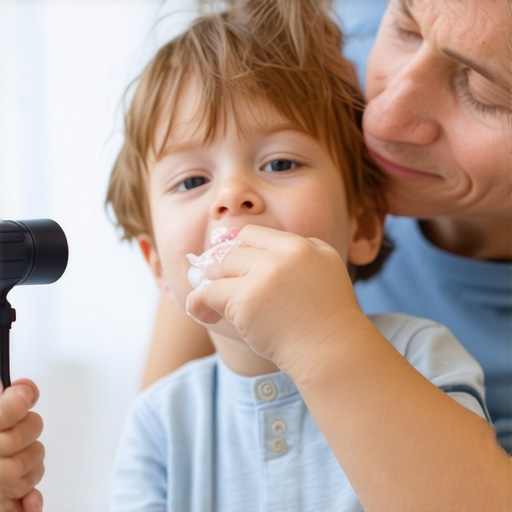
Fix the damage before it gets worse
Not every dental emergency involves a missing tooth. Sometimes it is just a jagged edge that is cutting into their lip or tongue. This is where family dentistry tips for a lifetime of healthy smiles really matter. For a sharp chip, you can cover the edge with a piece of sugarless gum or dental wax to prevent further injury. In my house, we keep a small stick of orthodontic wax in the first-aid kit specifically for these moments. If the crack is deep, your dentist might suggest how to fix a cracked front tooth with cosmetic bonding. It is like using a high-tech tooth-colored putty to rebuild the structure and protect the nerve.
Why a minor crack is more than a cosmetic fix
It is tempting to look at a small chip on a back tooth and think it can wait until the next cleaning. However, you should never ignore the danger of ignoring a small chip on your molar. Even a tiny entry point allows bacteria to migrate toward the nerve, potentially leading to an abscess or a painful infection. If the damage is extensive enough that bonding won’t work, we might even discuss adult solutions for later in life, such as how to transform your smile with veneers when they are older. For now, focus on the immediate structural integrity. Check the gums for swelling or a change in color, as these are signals that the internal pulp might be struggling.
When to call for professional backup
If the tooth is displaced—meaning it is pushed into the gum or hanging at a weird angle—do not try to pull it or move it back yourself. This isn’t like a loose baby tooth that is ready to go; it is a traumatic shift that needs professional realignment. I remember the panic when my nephew’s tooth looked longer after a fall. We did not touch it; we just went straight to the clinic. Your dentist will likely use an X-ray to see if the root is fractured below the gumline. This is the moment where your calm demeanor pays off, helping your child stay still for the necessary images that determine if the tooth can be saved.Most parents and patients assume that the goal of a restoration—whether it is a quick fix for a chip or a long-term plan for a missing tooth—is to achieve a ‘perfect,’ symmetrical Hollywood look. But here is the contrarian truth: perfection is often the enemy of a healthy, natural-looking smile. In my experience, the most advanced family dentistry tips for a lifetime of healthy smiles focus on bio-mimicry, not just aesthetics. When we try to make every tooth perfectly white and identical, we ignore the unique anatomy of your mouth. This leads to what I call the ‘Chiclet Trap,’ where the dental work looks like an obvious, plastic addition rather than part of your body. Have you ever fallen into this trap of chasing pure white instead of natural character? Let me know in the comments.
The dangerous myth of the paper-white smile
When parents ask about expert tips for veneers, they often want the brightest shade available. However, choosing a shade that is too opaque is the mistake that makes your teeth look too white and fake. Real teeth have depth and translucency. A 2022 study published in the Journal of Esthetic and Restorative Dentistry suggests that ‘incisal translucency’—the way light passes through the edges of your teeth—is the primary factor that makes dental work look real. If your dentist doesn’t account for this, your smile will look flat in photos. This is also why your porcelain veneers look opaque and not natural when they aren’t layered correctly. 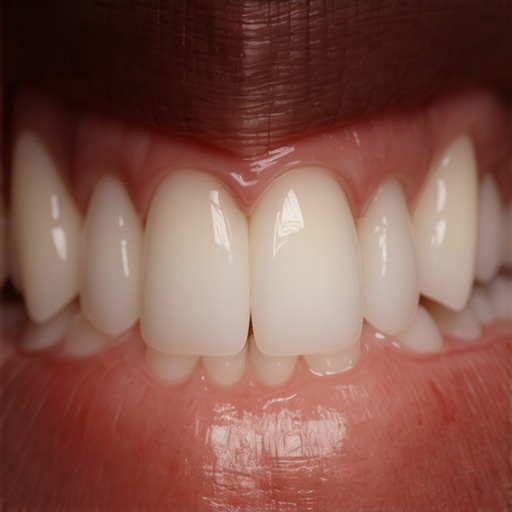
Why does my gum line look dark around my old dental work?
If you have noticed a grey or dark line at the base of a tooth, you are likely seeing the ‘oops’ factor of older techniques. This often happens because of why your gums look dark around a porcelain-fused-to-metal crown. The metal core provides strength but creates a shadow effect at the gumline. Modern cutting-edge techniques in cosmetic dentistry have moved toward all-ceramic and zirconia options that allow light to travel through the tooth just like natural enamel. If you are dealing with a restoration from ten years ago, that dark line isn’t decay; it is a structural limitation of the past.
The hidden nuance of the titanium root
When it comes to replacing a tooth entirely, many patients expect an implant to feel exactly like their original tooth from day one. This is a common misconception. In reality, the reason your dental implant feels different than a natural tooth is because it lacks the periodontal ligament—the ‘shock absorber’ that surrounds natural roots. You might experience a sensation where your dental implant feels like its vibrating when you talk or chew at first. This isn’t a sign of failure; it is your jawbone learning to process sensory input through titanium instead of biological tissue. Transitioning from the emergency phase of a knocked-out tooth to a permanent solution like dental implants in 2025 requires patience and an understanding that durability and comfort are the true priorities over a quick, temporary fix.
I used to think that once the dentist finished the procedure, the work was done. I assumed that a porcelain veneer or a titanium implant was basically invincible compared to my natural enamel. I was wrong. Maintenance isn’t just about ‘cleaning’; it is about protecting the structural integrity of a massive financial and emotional investment. I personally switched to a high-pressure water flosser—specifically one that hits at least 1,200 pulses per minute—because manual flossing often misses the microscopic ‘pockets’ where bacteria hide around a new implant. This is especially vital when you consider family dentistry tips for a lifetime of healthy smiles; your habits are the foundation for everything else.
Stop cleaning like it is 1995
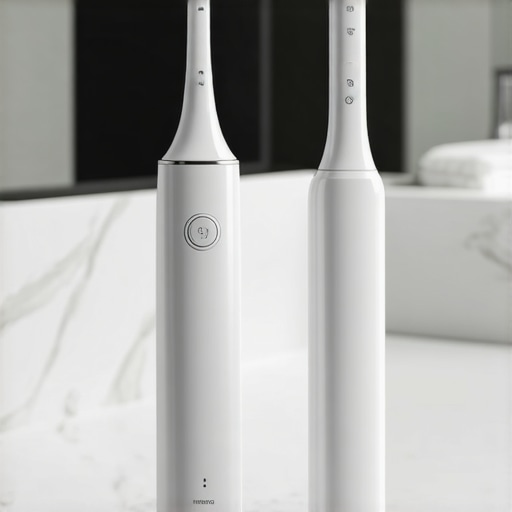
If you are still using a hard-bristled brush, you are essentially sandpapering your investment. I have seen so many people accidentally damage their gums by being too aggressive, which leads to questions about how to tell if your gum recession is caused by brushing too hard. I use a sonic toothbrush with a built-in pressure sensor. Why? Because the vibration does the work for you, and it prevents the mechanical abrasion that can dull the luster of your veneers. According to Dr. Gordon Christensen of the Clinicians Report, a leading authority in restorative dentistry, a restoration’s longevity is overwhelmingly dictated by the patient’s ‘oral environment management’ rather than the initial material choice. This means your tools at home matter more than the brand of porcelain used.
How do I maintain my dental work over time?
The secret isn’t just in the brush; it’s in the protection while you sleep. If you have spent money on a veneers transformation, you must wear a night guard. I wear mine every single night because the force of jaw-clenching can reach up to 250 pounds of pressure—enough to crack even the strongest ceramic. If you already have one, you need to know how to clean your night guard without damaging the material to prevent bacterial buildup. Likewise, if you use a retainer, knowing how to stop your teeth from shifting after your retainer breaks is the difference between keeping your alignment and needing braces all over again. Most people wait until they see a chip to take action, but proactive management like learning how to stop clenching your jaw during the workday is what actually saves your teeth.
Why the next decade of dentistry looks different
Looking toward the future, I predict we will see a massive shift toward ‘smart’ dental restorations. We are already seeing the beginnings of cutting-edge techniques in cosmetic dentistry that involve robotic-assisted placement and AI-generated shade matching that accounts for how light changes throughout the day. By 2025, innovations that redefine comfort and durability will likely include embedded sensors in implants that can alert your phone if there is an increase in bacterial acidity or bone loss before you even feel pain. We are moving away from reactive fixes toward predictive health. If you haven’t yet, I strongly encourage you to invest in a quality water flosser this week—it is the single most effective tool for keeping the area under your bridges clean and knowing how to tell if your dental bridge is trapped with food.
The hard truth about why perfect teeth can look wrong
The most important lesson I learned through all these dental scares is that our goal should never be a static, plastic kind of perfection. Real teeth have character, and when we rush into repairs without thinking about the long-term biological impact, we often trade health for a quick aesthetic fix. I found that the most successful restorations happen when you prioritize the foundation of the mouth rather than just the visible surface. If you are currently searching for cosmetic dentistry secrets to boost your confidence, remember that a natural look always wins over an unnaturally bright one. I also realized that the choice between veneers vs crowns should be based on preserving as much of your natural tooth structure as possible, which ensures the repair lasts decades instead of years.
My go-to kit for long-lasting dental health
I have spent a lot of time and money on my family’s teeth, so I do not take chances with generic tools anymore. Here are the three things that have made the biggest difference in our household. First, a high-quality water flosser is non-negotiable for anyone with implants or bridges. Second, I highly recommend the book The Smile Secret by Dr. Bill Dorfman; it completely changed how I view the artistry of dental repairs. Finally, we always keep a supply of orthodontic-grade wax and a dedicated emergency container for any unexpected ‘thuds.’ These simple additions to our medicine cabinet have saved us multiple trips to the late-night clinic and provided immense peace of mind.
Your journey toward a confident smile starts now
Dental health is not a one-and-done event; it is a lifelong commitment to the people you love and the confidence you carry into the world. Whether you are currently managing a toddler’s first chipped tooth or exploring how dental implants reshape your oral health in 2025, you now have the roadmap to handle these situations with grace and logic. You do not have to be a dental expert to be a great advocate for your family; you just need to stay calm, stay prepared, and keep the long-term vision in mind. Have you ever had a dental emergency that turned out to be a blessing in disguise because it led to a better long-term solution? Let me know in the comments below.