I remember the exact moment I realized I wasn’t as tough as I thought. It was a Saturday night at a local Thai spot, and I’d confidently ordered the “Level 5” curry while my friends watched with raised eyebrows. I’m a guy who prides himself on a high pain tolerance, but two bites in, my eyes weren’t just watering—they were leaking. My tongue felt like it was being branded by a red-hot iron. I panicked and reached for my water glass, took a massive, desperate gulp, and… it got worse. The fire didn’t go out; it actually seemed to spread to the back of my throat. That visceral, panic-inducing heat is something most of us have felt, but few of us actually understand what’s happening in those tiny taste buds. It’s not just a flavor; it’s a full-on neurological prank. Today, I’m going to walk you through why your tongue feels like it’s in a furnace and, more importantly, how to put the fire out properly so you can keep smiling.
The science behind that five-alarm fire in your mouth
When you bite into a habanero or a jalapeño, you aren’t actually feeling a physical temperature change. Your brain just thinks you are because of a tiny, stubborn molecule called capsaicin. This molecule binds to your TRPV1 receptors, which are specifically designed to detect heat and warn you of danger. I made the classic mistake of thinking ice-cold water would be the solution. In reality, research from the American Chemical Society confirms that capsaicin is non-polar, meaning it acts like oil. Since water is polar, it doesn’t dissolve the capsaicin at all. It’s the equivalent of trying to wash grease off a pan without soap—you just end up moving the mess around to new, unburned parts of your mouth. If the burn is particularly localized, you might start over-analyzing every bump in your mouth. I’ve been there, staring into a bathroom mirror with a flashlight. If you see something odd, it’s worth checking how to tell if that white spot on your tongue is just a burn versus just a reaction to the spice. Usually, the tongue recovers quickly, but the sensation of burning can linger for what feels like an eternity.
Is my tongue actually permanently damaged?
This is the skepticism I see most often. People worry they’ve nuked their taste buds into oblivion. The good news? Capsaicin doesn’t cause a chemical burn like an acid or bleach would. It’s a sensory illusion. However, if you actually scorched your mouth on the physical temperature of the food, like a steaming slice of pepperoni, you’ll need to know how to treat a burn on your gums from hot pizza to keep the area clean and comfortable. Have you ever felt that lingering tingle for hours after the meal is over, almost like your mouth is vibrating? Getting your oral health back on track after a spicy mishap is vital. Following family dentistry tips for a lifetime of healthy smiles means knowing when a sensation is a sign of trouble or just a temporary result of a great meal. We’re about to look at the rescue foods that actually work to neutralize that capsaicin bond.
Reach for the Dairy Instead of the Faucet
The absolute fastest way to break the bond between capsaicin and your pain receptors is to introduce a fat-soluble protein called casein. Think of capsaicin as a piece of stubborn gum stuck in your hair; water just slides off it, but peanut butter—or in this case, milk—breaks the stickiness. I once made the mistake of trying to ‘power through’ a bowl of spicy ramen with nothing but ice water. By the time I finished the pitcher, my stomach was bloated, but my tongue felt like it was being attacked by a swarm of bees. It wasn’t until I grabbed a spoonful of Greek yogurt that the pain actually began to recede. Casein acts like a detergent, surrounding the capsaicin molecules and washing them away. If you have had restorative work done, you might worry about sensitivity, but unless you are dealing with why your teeth hurt when you eat something very sweet, the dairy won’t cause any extra discomfort to your enamel.
Scrub the Heat Away with Starches
If dairy isn’t an option, you need a mechanical solution. Bread, rice, and crackers act like a physical sponge for your tongue. When capsaicin is sitting on your taste buds, it’s literally clinging to the surface. By chewing on a piece of crusty bread, you are physically scraping the molecules off the receptor sites. During a wedding in South Carolina, I bit into a ‘suicide’ wing that lived up to its name. There was no milk in sight, only a basket of dinner rolls. I practically shoved a whole roll into my mouth, and the relief was immediate. The starch creates a barrier and gives the capsaicin something else to bond to besides your nerves. This is also a good time to be mindful of your dental work. If you find yourself chewing aggressively on one side to avoid the burn, you might notice why your dental implant crown feels slightly wiggly when you bite, which is a sign you need to slow down and chew evenly.
Manage Post-Burn Sensitivity
Once the fire is out, your mouth is going to be hyper-sensitive for a few hours. This is because those TRPV1 receptors have been dialed up to an eleven. You should avoid highly acidic drinks like orange juice or soda, which can further irritate the ‘awakened’ nerves. It is a lot like having a mild sunburn; you wouldn’t want to scrub it with lemon juice. For those with cosmetic enhancements, this lingering sensation can sometimes make you hyper-aware of your teeth. You might even start wondering the reason your porcelain veneer feels rough to your tongue as you obsessively check the area. Rest assured, the spice didn’t change the texture of your dental work; it just made your tongue more sensitive to every ridge and groove. Keeping your mouth hydrated with room-temperature water—now that the capsaicin is gone—is the best way to help the tissues recover. If you are planning for future dental work, understanding how dental implants reshape your oral health in 2025 can help you realize that a strong foundation is key to enjoying all types of food, even the spicy ones, without fear of lasting damage.Once the heat from the capsaicin dies down, you might find yourself hyper-aware of the textures in your mouth. This heightened sensitivity often leads patients to over-scrutinize their dental work. The most common mistake I see isn’t about the spice—it’s the belief that cosmetic dentistry is purely about vanity. We’ve been conditioned to think of it like paint on a wall, but in reality, it’s closer to structural engineering. Most people assume that getting a ‘perfect’ smile means picking the whitest shade available, but that’s the fastest way to end up with a smile that looks artificial. In my experience, the most successful transformations are those that respect the natural translucency of your original teeth. If you go too heavy-handed, you’ll end up wondering why your porcelain veneers look opaque and not natural. It’s a delicate balance between light reflection and gum health that most DIY-minded patients overlook.
Stop falling for the ‘white as paper’ veneer myth
The secret to a natural smile isn’t a single flat color; it’s depth. When choosing between veneers vs crowns choosing the best option for your smile, you have to consider how light interacts with the material. An ‘oops’ factor I see constantly is the failure to account for functional bite alignment. If your bite isn’t balanced, even the most expensive porcelain will eventually chip or cause speech impediments. This is exactly why your veneers feel thick and bulky when you try to say the letter s; if the lab overcompensates for structural weakness by adding volume, it changes your mouth’s internal geometry. 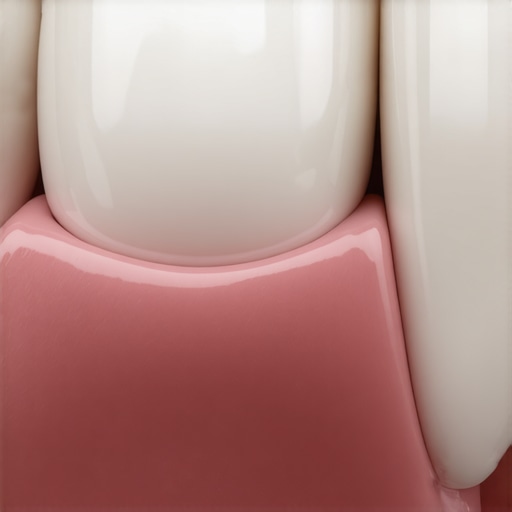
Is it too late for implants if you have bone loss?
This is the sophisticated hurdle many patients face after years of missing teeth. There is a persistent myth that bone atrophy means you’ve ‘missed the boat’ for permanent solutions. However, the truth about getting dental implants if you have existing bone loss is far more optimistic thanks to modern grafting and 3D imaging. According to research published in the Journal of Oral Implantology, preparatory bone grafting allows for success rates exceeding 95% even in severe cases. People often get spooked when they feel something different, like the reason your dental implant feels different than a natural tooth. Since implants lack the periodontal ligament, they don’t have the same ‘give’ as natural teeth, which can feel like a slight vibration when you chew. Understanding the truth about the lifespan of a dental implant involves realizing that your jaw is a living environment. If you notice why your dental implant crown feels loose after years of use, it’s often just a minor mechanical adjustment rather than a failure of the implant. Following family dentistry tips for a lifetime of healthy smiles means accepting that even the best artificial materials require professional oversight. Have you ever fallen into this trap where you chose aesthetics over function? Let me know in the comments.Maintaining a high-end smile isn’t just about brushing twice a day; it is about managing the microscopic environment of your mouth. I personally swear by the Waterpik Aquarius Professional for anyone with restorative work. Why? Because manual flossing around a bridge or an implant can be a nightmare of shredded string and bleeding gums. If you have ever wondered how to tell if your dental bridge is trapped with food you can’t see, you know that a high-pressure water stream is often the only thing that truly clears out those hidden pockets. It is also the most effective way to ensure the truth about the lifespan of a dental implant is not cut short by preventable inflammation. Looking ahead, the industry is moving toward absolute digital precision. In fact, the future of dental implants cutting edge techniques in cosmetic dentistry is already here with guided surgery. By 2025, the ‘wait and see’ approach for complex cases will be gone. What your Culpeper dentist sees on a CBCT scan that a standard x-ray misses allows us to place titanium posts with sub-millimeter accuracy, which drastically reduces that heavy feeling people often report during recovery. If you are curious about how dental implants reshape your oral health in 2025, the focus is shifting from just filling a gap to preserving the entire facial structure using AI-assisted bone density mapping.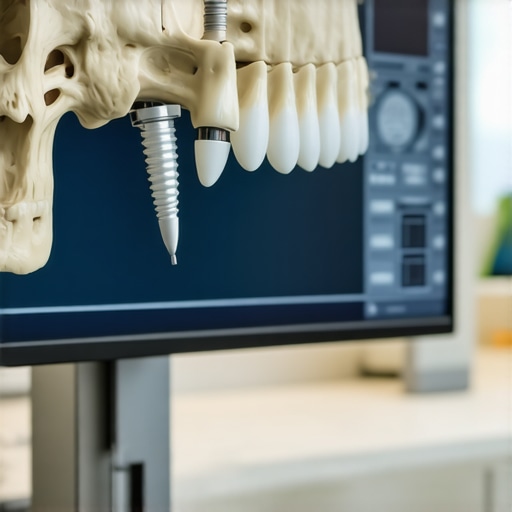
How do I maintain my dental restoration over time?
The biggest threat to your investment isn’t a spicy curry—it is your own jaw. I cannot stress the importance of a custom-fitted occlusal guard. Even if you do not think you grind, the risk of skipping your night guard for just one week can lead to micro-fractures in porcelain that you will not see until it is too late. When you have restorations, you also need to be hyper-aware of Relative Dentin Abrasivity (RDA) scores in your toothpaste. Technical reports from the American Dental Association (ADA) suggest staying under a score of 70 for cosmetic work to avoid scratching the delicate surface glaze. This is a common culprit for the reason your porcelain veneer feels rough to your tongue over time. Beyond hardware, watch your pH levels. If you are a coffee or tea lover, do not sip all day. Constant acidity softens the bond between the tooth and the restoration. Instead, use the secret to keeping your smile white without giving up your morning tea: rinse with water immediately after. If you have recently upgraded your look, check out cosmetic dentistry secrets to boost your confidence to learn how to keep that glow. My advanced tip for today: Go to your bathroom right now and check the RDA score of your toothpaste brand online. If it is over 100 and you have veneers, switch to a non-abrasive gel tonight to protect your enamel.
Hard Truths from the Dental Chair
After years of working with patients, I’ve realized that the most expensive procedures are often the ones that could have been avoided with a bit of proactive care. It’s a bitter pill to swallow, but waiting until something hurts—or until you’ve scorched your palate on a Level 5 curry—is playing a risky game with your oral health. One major lightbulb moment for many is realizing the danger of ignoring a small chip on your molar; what looks like a tiny cosmetic issue can actually be an open door for bacteria to compromise your entire tooth structure. I also tell my patients that oral health is a marathon, not a sprint. Consistency beats intensity every single time.
My Non-Negotiables for a Flawless Smile
If you want to keep your dental work looking like it did on day one, you need the right tools in your arsenal. I personally recommend three things to every patient who is serious about their transformation: 1) A high-quality water flosser. It’s much easier to learn the secret to flossing around permanent orthodontic retainers or bridges when you have a pressurized stream doing the heavy lifting. 2) A custom-fitted night guard to prevent micro-fractures in porcelain. 3) A non-abrasive whitening gel that respects the glaze of your dental work. These tools work together to ensure your veneers transformation unlocking your best smile yet stays vibrant for decades rather than just a few years.
#IMAGE_PLACEHOLDER_E#
Take the First Step Toward Your Best Smile
Whether you’re recovering from a spicy meal or looking to overhaul your confidence, the key is to stop waiting for the ‘perfect’ time. Dental technology is moving at a breakneck pace, and dental implants 2025 innovations that redefine comfort and durability are making it easier than ever to get the function and look you deserve. Don’t let the fear of a sensitive tongue or a complex procedure hold you back from the health you deserve. Your smile is the first thing the world sees; make sure it tells the story you want it to tell. Have you ever had a dental ‘oops’ moment that changed how you view oral hygiene? Let me know in the comments below!