I remember standing in the middle of the grocery store aisle, staring blankly at a box of crackers while my six-year-old poked at his numb, drooping lip and whimpered. The smell of the dentist’s office—that sterilized mix of peppermint and latex—was still clinging to his hoodie. We’d just finished his first-ever filling, and I thought I was prepared. I wasn’t. The “I’m hungry” whine started before we even cleared the parking lot. In my early days of navigating family dentistry, I made a classic rookie mistake: I gave him a crunchy granola bar because it was the only thing in my purse. He couldn’t feel where his teeth ended and his cheek began. He bit down hard on his own skin, and the sharp oats scraped his tender gums. It was a disaster that ended in a swollen lip and more tears than the actual procedure. That moment was my “lightbulb” realization. Recovery isn’t just about skipping candy; it’s a tactical operation to keep them full without causing accidental self-injury. Today, I’m going to share the exact snacks that saved my sanity, ensuring your little one stays happy while that anesthesia wears off. [image_placeholder_1]
Don’t Let the Numbness Lead to a Fat Lip
The biggest hurdle right after a filling isn’t actually the new restoration; it’s the local anesthesia. According to the American Academy of Pediatric Dentistry, children are at a significantly higher risk of soft tissue trauma—basically biting their own lip or tongue—while they are numb. I’ve seen parents think they are being “the fun parent” by offering a celebratory treat, but if the child can’t feel the sensation of chewing, they can do some real damage. This is why we focus on “no-chew” or “slurpable” options for the first few hours. If you’ve already been through the stress of learning how to tell if your toddler has a cavity, you’ve done the hard part. Now, we just need a strategy to get them through the “waking up” phase. We want snacks that are cool, smooth, and require zero grinding.
Is soft food actually going to satisfy them?
You might be skeptical that a bowl of applesauce or a yogurt tube is going to stop a post-appointment meltdown. I get it. My kids usually eat like they’ve been training for a marathon. But the trick lies in the temperature and the texture. Cool foods are absolute magic because they soothe any residual inflammation from the injection site. If they are complaining that their teeth hurt when they eat something sweet, you definitely want to pivot to savory, soft options like lukewarm mashed potatoes. Have you ever had a kid try to eat a sandwich when they couldn’t feel their bottom jaw? It’s a mess, isn’t it? Drop a comment if you’ve faced the “half-numb hunger” before! Before we dive into the specific pantry list, remember that helping a child who is afraid of the dental chair often starts with the promise of a special, gentle treat waiting for them at home. It changes the narrative from a scary clinical visit to a cozy afternoon of movies and milkshakes.The first rule of the post-filling club is that we don’t talk about crunchy snacks. Think of your child’s mouth like a freshly paved road; you don’t want any heavy traffic driving over it until the ‘road closed’ signs—the numbness—are gone. In my house, we call this the ‘Slurp Phase.’ I once tried to be the hero and made lukewarm macaroni and cheese for my son, Leo, just forty minutes after his appointment. Because his tongue was still a heavy, uncooperative weight in his mouth, he couldn’t coordinate the swallow. He ended up gagging and crying, not because of pain, but because he felt like he’d lost control of his own body. It was a mess that taught me a valuable lesson: if they have to use a fork, it’s too soon. Whether you are managing a child’s filling or looking into more complex cosmetic dentistry secrets to boost your confidence for yourself, the immediate recovery window requires a liquid-first approach.
Stick to the Slurp Rule for the First Hour
During the first sixty to ninety minutes, your only goal is hydration and basic calorie intake without any jaw friction. This is the time for high-quality smoothies, but with one major caveat: no straws. The suction from a straw can sometimes disturb the area where the local anesthetic was injected or put unnecessary pressure on a fresh restoration. Just like you have to be careful with a veneers transformation unlocking your best smile yet, you want to treat the child’s new filling like a fragile piece of art. Offer them a small spoon or let them sip directly from a cup. Greek yogurt, room-temperature bone broth, or a simple fruit puree are your best friends here. These aren’t just snacks; they are tools to keep their blood sugar stable so the ‘post-dentist grumpiness’ doesn’t turn into a full-blown meltdown. 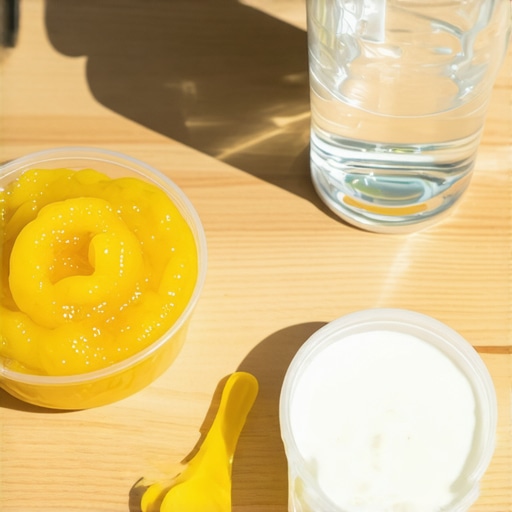
Wait for the Tingle to Turn into a Tickle
How do you know when it’s safe to move past liquids? I use the ‘Smile Test.’ Ask your child to make a big, goofy grin. If one side of their face still looks like it’s melting or they can’t feel you tapping their chin, they stay on the slurp menu. Once the ‘tingle’—that fuzzy, pins-and-needles feeling—takes over, you can graduate to semi-solids. This phase is remarkably similar to what to eat when your braces are first put on and your mouth is sore. You want foods that melt away with minimal effort. Think over-steamed carrots, silken tofu, or very soft scrambled eggs. These provide enough substance to make them feel full without the risk of them biting their cheek. If you’ve spent time researching family dentistry tips for a lifetime of healthy smiles, you know that preventing secondary injuries (like a chewed-up lip) is half the battle.
The Temperature Trap You Need to Avoid
One of the biggest mistakes parents make is offering something piping hot too early. When a child is numb, they lose their ‘thermal sensors.’ They could take a giant gulp of steaming hot cocoa and not realize it’s scalding their throat until the damage is done. Always test the temperature on the inside of your wrist first. Even if they are complaining that their teeth hurt when they eat something very sweet, stick to savory, lukewarm options like mashed avocado. Think of it like the precision needed for how dental implants reshape your oral health in 2025; recovery is a science, and temperature control is a key variable. If you’re ever in doubt about whether a spot in their mouth looks normal during this phase, it’s always worth checking how to tell if your toddler has a cavity or a stained groove to understand what healthy tooth anatomy should look like versus a healing site.Beyond the immediate snack list, there’s a much deeper layer to long-term success in family dentistry that most people miss. We often treat dental work—whether it’s a simple filling for a child or a complex veneers transformation unlocking your best smile yet—as a one-time mechanical fix. In reality, your mouth is a dynamic biological system that is constantly shifting. The biggest mistake I see is the ‘painless fallacy.’ Parents often assume that if a child isn’t complaining of pain, the restoration is perfect. However, a silent issue like a slightly high bite can lead to long-term jaw fatigue or even a fractured tooth down the road. This is why understanding cosmetic dentistry secrets to boost your confidence involves looking at function just as much as aesthetics. Have you ever fallen into this trap of thinking your dental work was indestructible? Let me know in the comments.
Why does my new tooth feel like it’s vibrating?
One of the most sophisticated questions I get from patients involves the sensation of their restorations. If you’ve ever wondered why your dental implant feels like it is vibrating when you chew, you’re touching on a nuance of proprioception. Natural teeth have a periodontal ligament that acts as a shock absorber. Implants are fused directly to the bone via osseointegration. This means the feedback your brain receives is ‘raw.’ A study published in the Journal of Prosthetic Dentistry highlights that ‘osseoperception’—the ability to sense tactile stimuli through an implant—is a real phenomenon, yet it feels fundamentally different than a natural tooth. Recognizing this isn’t a failure of the procedure but a biological adaptation is key to feeling comfortable with how dental implants reshape your oral health in 2025.
The Trap of the Perfectly White Smile
Another area where the ‘beginner’ mindset fails is in the pursuit of the whitest possible shade for restorations. Everyone thinks they want ‘Bleach White,’ but in my experience, that’s exactly why your porcelain veneers look opaque and not natural. Real enamel has depth, character, and translucency. If you go too white and too opaque, the teeth lose their three-dimensional quality and look like a flat row of plastic. We want to avoid the ‘Oops Factor’ where your teeth look different in photos with a flash because the light isn’t passing through them naturally. When you are looking for family dentistry tips for a lifetime of healthy smiles, remember that the most successful dental work is the kind that nobody knows you have. 
Don’t Ignore the Small Stuff
Finally, never fall for the ‘wait and see’ trap with minor chips or shifts. The danger of ignoring a small chip on your molar isn’t the chip itself; it’s the compromised structural integrity of the entire tooth. A small fracture allows bacteria to bypass the protective enamel, and before you know it, you’re dealing with a much larger issue than a quick bonding session could have fixed. Whether it’s a child’s filling or the truth about the lifespan of a dental implant, proactive maintenance is the only way to avoid the ‘hidden’ costs of neglected oral health. Monitoring these nuances ensures that the investment you make today lasts for decades.If you want to move from ‘surviving’ your dental appointments to ‘mastering’ your oral health, you need to upgrade your toolkit. I used to think a basic toothbrush and a prayer were enough, but after seeing how quickly a small chip on a molar can turn into a root canal, I became obsessed with precision. One tool I refuse to live without is a high-quality water flosser with a specialized ‘orthodontic tip.’ Most people use the standard jet tip, which is fine for general cleaning, but the orthodontic tip has a tiny brush head that manually scrubs away biofilm while the water flushes it out. This is the secret to how to stop your gums from bleeding during a professional cleaning. When the hygienist goes in with the scaler and finds nothing to scrape, you know your home routine is working. 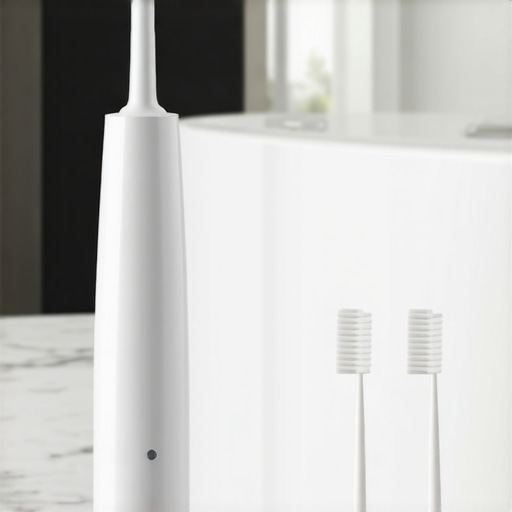
How can I make my dental restorations last a lifetime?
The longevity of your work—whether it’s a filling for your child or a personal veneers transformation unlocking your best smile yet—depends entirely on how you manage mechanical stress. According to Dr. Gordon Christensen, a pioneer in clinical dental research, the most common cause of restoration failure isn’t decay; it’s structural overload. This is why I am so adamant about wearing a custom-fitted occlusal guard. The risk of skipping your night guard for just one week might seem minimal, but the cumulative micro-fractures from grinding can eventually pop a veneer right off. If you’ve invested in cosmetic dentistry secrets to boost your confidence, protecting that investment with a physical barrier at night is non-negotiable.
The Tiny Brush You Are Probably Overlooking
While we’re on the subject of tools, let’s talk about interdental brushes. These aren’t just for people with braces. If you have any type of bridge or implant, the secret to flossing comfortably with a permanent retainer or a bridge is using a ‘proxy brush.’ A meta-analysis in the Journal of Clinical Periodontology highlights that interdental brushes are significantly more effective at plaque removal than traditional floss in patients with larger gaps or dental restorations. I personally use brushes with a plastic-coated wire, which ensures you won’t scratch the titanium of an implant or the porcelain of a crown. This prevents the microscopic grooves where bacteria love to hide. By making this one small switch, you can significantly extend the truth about the lifespan of a dental implant.
3D Printing is the Next Big Thing for Your Smile
Looking ahead, the world of family dentistry tips for a lifetime of healthy smiles is moving toward total digitization. We are entering an era where ‘same-day’ isn’t just a marketing slogan; it’s the standard. As we look at the future of dental implants cutting edge techniques in cosmetic dentistry, we see a shift toward AI-driven diagnostic tools. Dental implants 2025 innovations that redefine comfort and durability will involve 3D-printed biological scaffolds that actually encourage faster bone growth. This foresight allows for adjustments in how dental implants reshape your oral health in 2025 before issues even arise. If you haven’t already, I encourage you to try using a proxy brush for just one week—you’ll be shocked at what your regular floss was leaving behind.
The Brutal Truth About “Painless” Dental Procedures
After years of managing my family’s dental health, I’ve realized that the absence of pain isn’t always the sign of a job well done. Sometimes, it’s just the calm before a very expensive storm. One major lightbulb moment for me was realizing that the truth about the lifespan of a dental implant or a simple filling often comes down to how we treat the tooth when it feels perfectly fine. I used to think that if my son wasn’t complaining, I didn’t need to check his bite or his gum line. I was wrong. Proactive monitoring is the only way to avoid those ’emergency’ weekend calls to the clinic.
Another myth I had to bust was the idea that dental work is “set it and forget it.” Even the most beautiful veneers transformation unlocking your best smile yet requires a commitment to new habits. You aren’t just buying a new look; you are adopting a new biological responsibility. If you don’t adjust your lifestyle—like ignoring those late-night clenching sessions—those restorations won’t stand the test of time.
My Non-Negotiable Kit for a Bulletproof Smile
If you want to keep your family out of the dental chair for anything other than routine cleanings, you need more than just a manual toothbrush. I swear by my water flosser—specifically using an orthodontic tip to get deep into the sulcus where standard brushes fail. This is exactly how to stop your gums from bleeding during a professional cleaning; you are essentially training your gums to be resilient at home through consistent, high-pressure rinsing.
I also keep a stash of interdental proxy brushes in every car and handbag. They are far more effective than traditional floss at clearing out the debris that hides under bridges or between tight restorations. And finally, never underestimate the power of a custom night guard. I’ve seen too many people learn the risk of skipping your night guard for just one week the hard way, waking up with a micro-chip on a new crown that could have easily been prevented. #IMAGE_PLACE_HOLDER_E#
Stepping Into a Future of Fearless Smiles
The world of family dentistry tips for a lifetime of healthy smiles is changing faster than ever, and that’s something to celebrate. We are moving away from the era of “drilling and filling” and into an age of regenerative care and digital precision. Whether you are helping your toddler through their first recovery or researching cosmetic dentistry secrets to boost your confidence, the goal is always the same: a functional, beautiful smile that feels like a natural part of who you are. Your oral health is an investment that pays dividends every time you laugh without covering your mouth. Have you ever had a dental “lightbulb moment” where a small change in your routine made a massive difference in your health? Let me know in the comments below!