I was three hours into a deep-focus project on a Tuesday afternoon when I realized I couldn’t actually open my mouth wide enough to take a bite of my apple. My molars were locked in a literal death grip. I hadn’t even noticed I was doing it. That was the moment I realized my office job wasn’t just stressing my brain; it was physically grinding my teeth into submission. If you have ever wondered why your jaw feels tired after eating chewy foods, the answer might be sitting right at your desk, hidden in your subconscious habits. Today, I am going to share the exact routine I used to break that cycle and protect my enamel from the 9-to-5 grind.
Your Desk Job is Secretly Trashing Your Teeth
I made a massive mistake early in my career. I thought that jaw tension was just a byproduct of being a ‘hard worker.’ I ignored the dull headaches and the way my neck felt like a rusted hinge. It wasn’t until I looked in the mirror and realized why your teeth look shorter after years of nighttime grinding—except I was doing it in broad daylight. This constant pressure doesn’t just hurt; it changes your face shape and wears down your dental work. Have you ever caught yourself with your teeth firmly pressed together while typing an email?
Can my teeth ever recover from years of clenching?
The fear of permanent damage is what finally pushed me to see a professional. I used to think I could just ‘will’ myself to stop, or that the risk of skipping your night guard for just one week was an exaggeration. It isn’t. The force we exert is staggering. According to the American Dental Association, bruxism (the medical term for clenching) can involve up to 250 pounds of force on your molars. That is more than enough to crack a tooth or ruin expensive cosmetic dentistry secrets to boost your confidence you’ve invested in. The good news is that by identifying the triggers, we can reverse the muscle memory.
The No-Cost Trick to Relax Your Jaw in Seconds
The first thing I had to learn was where my tongue should actually live. Most of us press our tongues against the roof of our mouths or against our front teeth when we are stressed. This creates a chain reaction of tension. Instead, try the ‘N’ position. Say the letter ‘N’ and feel where your tongue lands—just behind your upper front teeth but not touching them. Keep your teeth apart and your lips together. It sounds simple, but maintaining this for eight hours is a marathon. If you are struggling with the physical pain of this habit, learning how to tell if your jaw clicking is a sign of TMJ is your first step toward real relief. We’re going to dive into the specific ‘post-it note’ technique and the posture shifts that actually keep your jaw loose throughout the afternoon.
Turn Your Desk into a Biofeedback Station
The most effective way I found to stop the subconscious clenching was to make the subconscious, well, conscious. You cannot fix a habit you don’t realize you are doing. I started by placing three neon pink Post-it notes around my workspace: one on my monitor, one on my mousepad, and one on my water bottle. Every time my eyes hit that pink square, I performed a ‘body scan.’ I’d check if my shoulders were up at my ears and if my molars were touching. If they were, I’d take a deep breath and let my jaw hang loose. This constant reminder is vital because the real cost of skipping your six-month checkup often involves discovering the damage you did while staring at a spreadsheet. At first, I was resetting my jaw fifty times a day. It felt exhausting and slightly ridiculous, but after two weeks, the muscle memory began to shift.
The Neon Sticker Strategy That Saved My Enamel
I remember one particularly stressful Thursday during a quarterly review. I caught myself biting down so hard my temples were throbbing. I looked at the sticker on my monitor and realized I had been holding that tension for nearly forty minutes. That was the ‘aha’ moment. By forcing that micro-break, I prevented the kind of structural failure that leads people to seek how to fix a cracked front tooth with cosmetic bonding. If you don’t use visual triggers, your brain will simply default to its stress-response, which is usually ‘crush the teeth together.’
Align Your Screen to Align Your Smile
Posture is the silent partner in jaw pain. When you lean forward to read small text, you create ‘forward head posture.’ This position stretches the muscles connected to your hyoid bone and puts immense strain on your TMJ. I realized that my monitor was too low, forcing me into a slight slouch that made my jaw want to lock. Once I raised my screen so my eyes were level with the top third of the display, the urge to clench diminished significantly. If you find that why your jaw clicks only when you chew on the right side is becoming a frequent question in your head, check your ergonomics. Often, we lean toward our dominant hand, throwing the whole system out of whack.
Why Your Phone is a Dental Hazard
We often talk about ‘text neck,’ but we rarely talk about ‘text jaw.’ When you look down at your phone, you increase the effective weight of your head, which your jaw muscles try to compensate for. I made a rule: no scrolling unless the phone is at eye level. This small change reduced my afternoon headaches by half. This is especially important for those who have invested in veneers transformation unlocking your best smile yet, as the lateral forces from a misaligned bite can put unnecessary stress on the porcelain. If you are already dealing with gaps or alignment issues, how to fix a small gap between your teeth without braces might be your priority, but protecting that progress starts with how you sit at your desk.
Hydration as a Relaxation Tool
I discovered that drinking water serves a double purpose. Not only does it keep your tissues hydrated, but the act of swallowing naturally forces your jaw to relax and your tongue to move to that ‘N’ position we discussed. I started taking a sip of water every time I finished an email. This rhythmic habit break ensures you aren’t stuck in a ‘death grip’ for hours. Ignoring these habits is a gamble; the risk of leaving a missing tooth unreplaced for years often starts with a stress-fracture that went unnoticed because we were too busy to drink water or adjust our chairs.Most people treat cosmetic dentistry like a high-end coat of paint—something that sits on the surface and looks pretty. That is the first mistake. In my journey to stop the clench, I learned that a veneers transformation unlocking your best smile yet is as much about structural engineering as it is about art. If you treat your new smile like it is invincible, you are in for a very expensive wake-up call. I have seen people invest thousands only to realize that their existing bite patterns—the ones they developed at their desks—are now working against their new porcelain.
The Hidden Trap of the Perfect Smile
The most common ‘oops’ factor I see isn’t the procedure itself, but the lack of pre-restorative planning for the bite. We often focus on the shade of white, but we ignore the thickness. This is exactly why your veneers feel thick and bulky when you try to say the letter s. If the lab doesn’t perfectly calibrate the ‘incisal edge’ to your natural speech and jaw movement, you aren’t just going to sound different; you are going to put lateral pressure on those bonds every time you speak. Contrary to popular belief, veneers shouldn’t just be ‘added’ to your teeth; the prep work must ensure how to tell if your veneers were bonded correctly to the enamel so they function as a single unit with your tooth.
Why do some dental implants fail even when the bone is healthy?
This is a question that stumps many patients who think an implant is a ‘set it and forget it’ solution. It isn’t. Expertise in 2025 means looking beyond the surgery. A study published in the Journal of Oral Rehabilitation points out that ‘occlusal overload’—the same grinding habit I struggled with at my office—is a leading cause of mechanical failure in implant components. Even if the titanium fuses perfectly, the crown on top can fracture or the screw can loosen if your jaw is still in ‘death grip’ mode. This is why understanding the truth about the lifespan of a dental implant requires a holistic look at your stress levels and nighttime habits. 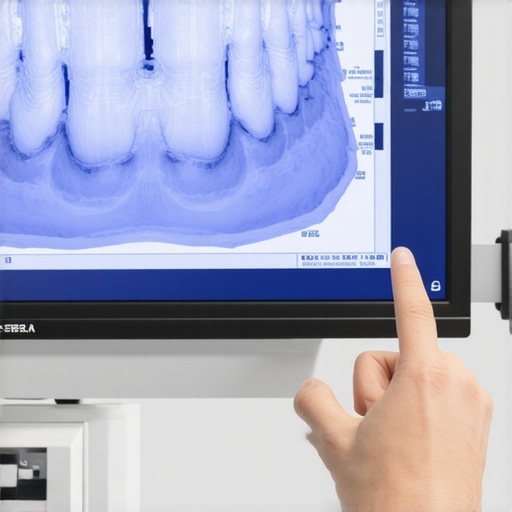
3D Scans Reveal What Your Eyes Can’t See
I used to think a standard X-ray was enough to plan a smile makeover. I was wrong. The nuance lies in the three-dimensional architecture of your jaw. It is vital to understand what your Culpeper dentist sees on a CBCT scan that a standard x-ray misses. These 3D images allow a professional to see the exact thickness of your cortical bone and the path of your nerves. Without this, placing dental implants 2025 innovations that redefine comfort and durability is essentially guesswork. You wouldn’t build a skyscraper without a soil sample; don’t let anyone drill into your jaw without a 3D map.
Stop Sandblasting Your Investment with Stress
Here is the contrarian truth: Your dentist can give you a perfect smile, but they cannot give you a relaxed nervous system. If you are still doing the 9-to-5 grind without the ‘N-position’ tongue habit we discussed, you are essentially sandblasting your investment. There are very specific 6 habits that cause your porcelain veneers to pop off unexpectedly, and almost all of them are rooted in subconscious stress. Have you ever fallen into this trap of thinking a new smile would automatically fix your underlying dental habits? Let me know in the comments! If you are ready to stop the cycle of damage, it might be time to contact us and look at your bite from an expert, structural perspective rather than just a cosmetic one.You have spent the money, survived the chair, and finally have a smile that doesn’t make you want to hide in group photos. Now comes the part where most people fail: the maintenance. I used to think that once a tooth was porcelain or titanium, it was essentially a ‘super-tooth’ that didn’t need the same respect as natural enamel. I was wrong. If you want these results to last twenty years instead of five, you need a specific arsenal of tools. I shifted my focus toward family dentistry tips for a lifetime of healthy smiles that treat restorations with the same delicacy as a vintage car.
Stop Tearing Up Your Gums with Cheap Floss
I learned the hard way that standard waxed floss can be too abrasive for the delicate margins where a veneer meets the gumline. I switched to a high-end water flosser with a specific ‘orthodontic’ tip. This isn’t just about convenience; it is about fluid dynamics. A study in the Journal of Prosthetic Dentistry highlights that micro-fractures in the luting agent (the dental glue) often begin because of mechanical irritation from improper cleaning techniques. When you use a water flosser, you are flushing out bacteria without ‘sawing’ at the bond. This is particularly vital for learning how to clean under a dental bridge without shredding your floss.
How do I maintain my cosmetic dental work for the long haul?
Consistency is your only real insurance policy. I personally use an electric toothbrush with a built-in pressure sensor. If I press too hard, the light turns red, reminding me that I am scrubbing, not polishing. For those with a permanent wire, finding the secret to flossing comfortably with a permanent retainer changed my entire morning routine. I stopped seeing blood in the sink because I wasn’t fighting the hardware anymore. 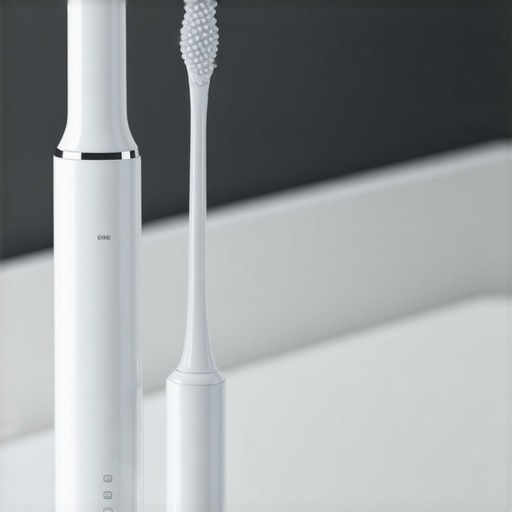
The One Tool I Will Never Travel Without
If you have an implant or veneers, your night guard is your best friend. I call it my ‘insurance policy in a plastic box.’ As we discussed earlier, the risk of skipping your night guard for just one week is that your muscles revert to their old clenching habits, and you can actually cause a ceramic fracture overnight. I don’t use the ‘boil and bite’ ones from the drugstore; I use a custom-fabricated hard-soft laminate guard. It is soft on the inside for comfort but hard on the outside to take the brunt of the force. If you are serious about transform-your-smile-with-veneers-expert-tips-for-perfect-results, you cannot skip the protective phase.
Smart Tech is Coming for Your Nightly Grind
Looking ahead, I predict that by 2030, we won’t just be wearing ‘dumb’ plastic guards. We are already seeing the emergence of biometric mouthguards that sync to your phone, tracking the frequency and intensity of your bruxism. This data will allow dentists to adjust your bite in real-time or suggest lifestyle changes before a crack even forms. This is the natural evolution of dental implants 2025 innovations that redefine comfort and durability. We are moving from ‘fixing’ to ‘predicting.’ I highly recommend you start by upgrading your flossing game today—try a water flosser for one week and see how much less ‘tight’ your gums feel around your dental work.
What No One Tells You About Living with a Restored Smile
I spent years thinking that getting a major procedure was the finish line. In reality, it is the beginning of a new relationship with your oral health. The biggest lesson I learned is that choosing between veneers vs crowns choosing the best option for your smile isn’t just an aesthetic choice; it is about choosing the right architecture for your specific bite. If you are a ‘clinner’ like I was, that architecture needs to be reinforced with better daily habits. I also realized that while we often focus on the front teeth, the back of the mouth is where the war against stress is won or lost. Embracing the future of dental implants cutting edge techniques in cosmetic dentistry means looking at your entire mouth as an interconnected machine. If one part is under tension, the whole system is at risk. Finally, I discovered that ‘perfect’ isn’t a destination—it’s a maintenance schedule. You have to be as disciplined with your relaxation techniques as you were with your savings account to afford the work in the first place.
My Personal Checklist for Protecting Your Dental Investment
To keep my smile in top shape, I rely on a few non-negotiables that go beyond just brushing. First, I never skip using my water flosser; it is the only way to ensure the margins of my dental work stay pristine without the irritation of traditional string. Second, I highly recommend a book called ‘The Dental Diet’ by Dr. Steven Lin, which changed how I view the relationship between my jaw structure and my overall health. Third, I invested in a high-quality monitor arm. It sounds like office gear, but it is actually dental gear because it keeps my head aligned and my jaw relaxed. These cosmetic dentistry secrets to boost your confidence only work if you support them with a lifestyle that doesn’t physically wear them down. I trust these tools because they address the root cause of the tension rather than just masking the symptoms.
Take the First Step Toward a Tension-Free Workday
Protecting your teeth from the grind of a 9-to-5 life is a marathon, not a sprint. By implementing small triggers like the Post-it note strategy and the ‘N-position’ tongue habit, you are doing more than just saving money on future repairs; you are improving your daily quality of life. Your dental health is the foundation of your confidence, and it deserves more than just a quick brush before bed. Start today by adjusting your screen height and taking that first deep breath of the afternoon. If you are ready to build a long-term plan for your oral health, incorporating family dentistry tips for a lifetime of healthy smiles into your routine is the best way to ensure your smile stays as bright as your future. Have you ever caught yourself grinding your teeth during a stressful meeting? Let me know your favorite relaxation trick in the comments below!