The moment I walked out of the clinic with my new set of teeth, I felt unstoppable. I had spent months researching how dental implants reshape your oral health and considering every cosmetic option under the sun. But the reality of dentures is a bit different from the brochure. By the second morning, I wasn’t feeling like a superstar; I felt like I was chewing on a jagged pebble. A sore spot had developed right along my lower ridge, and every time I swallowed, it felt like a sharp needle poke. I actually considered tossing the whole expensive set into the trash can. If you are sitting there right now with a throbbing gum line and wondering if you made a massive mistake, I’ve been in your shoes. We are going to get those hot spots calmed down today so you can actually enjoy your dinner.
Why Your Gums Feel Like They Are On Fire
The truth is, your mouth wasn’t designed to have a hard acrylic plate pressing against it sixteen hours a day. When I first started, I didn’t realize that even the tiniest misalignment could create a pressure sore. It’s a lot like breaking in a new pair of leather boots—except the boots are in your mouth and you have to use them to talk and eat. I made the mistake of thinking I could just power through the pain, which only led to a localized inflammation. I should have been looking into family dentistry tips for a lifetime of healthy smiles instead of playing hero. According to the Journal of Prosthetic Dentistry, new denture wearers often experience significant changes in the oral mucosa as it adapts to the mechanical load of a prosthesis. This adaptation takes time, and forcing it usually results in more harm than good. I once tried to self-adjust a high spot with an emery board—please, never do that. I nearly ruined a beautiful piece of work and ended up needing a professional reline anyway.
Is the Adjustment Period Just a Myth?
You might be wondering if your dentures will ever feel as natural as all-on-4 implants feel in your mouth. I used to think the adjustment period was just something dentists said to get you out of the office. It’s not. But there is a huge difference between slight discomfort and I cannot close my jaw. If you find your dentures won’t stay in place anymore or if the rubbing is causing bleeding, that’s a sign the fit is fundamentally off, not just that you are adjusting. Have you ever felt like your new teeth were more of a burden than a blessing during those first few weeks? It’s a common frustration, but I promise there is a light at the end of the tunnel. Before we get into the salt-water rinses and the topical gels, we need to understand exactly what that sore spot is trying to tell you about your jaw’s alignment.
Spot the High Point with This Simple Mirror Trick
To fix a sore spot, you first have to find it. I spent hours poking at my gums with a clean finger, but the second I put the denture back in, I couldn’t tell exactly where the rubbing started. Here is what you do: take a tiny dab of edible lipstick or a dark food paste and put it right on the red, irritated area of your gum. Carefully seat your denture and then remove it. The color will transfer to the exact spot on the acrylic that is causing the trouble. This is the ‘smoke’ to the ‘fire.’ When I finally did this, I realized my denture wasn’t too long; it just had a tiny burr on the inside edge that I couldn’t see with the naked eye. Knowing exactly where the pressure is coming from allows you to describe it perfectly to your dentist so they don’t have to guess during an adjustment. #IMAGE_PLACE_HOLDER_B#
Tame the Fire with a Sixty-Second Saltwater Swish
Once you have identified the culprit, you need to treat the tissue. Think of your gums like a bruised muscle; they need rest and a specific environment to recover. I used to think fancy mouthwashes were the answer, but the alcohol in them just made the stinging worse. Instead, mix half a teaspoon of salt in a cup of warm water. This isn’t just an old wives’ tale; it creates an osmotic environment that draws out fluid from the inflamed tissue. It is the same reason athletes soak in Epsom salts. I remember one Tuesday morning where I could barely speak because of a raw spot on my lower arch. After three warm rinses throughout the day, the swelling went down enough that I could actually wear my teeth to a dinner meeting without wincing. It is also vital to watch for other symptoms, like why your gums feel itchy and what it says about your health, which can sometimes signal an underlying irritation.
Retrain Your Brain to Chew Differently
Most of us spend our lives chewing on one side or the other, but dentures demand a total rewrite of your muscle memory. If you chew only on the right side, the left side of the denture will kick up, creating a seesaw effect that grinds the acrylic into your gums. I learned this the hard way trying to eat a thick slice of sourdough bread. The uneven pressure caused a massive blister within twenty minutes. You have to place small amounts of food on both sides of your mouth simultaneously to keep the plate balanced. This might feel mechanical and weird at first—almost like you are learning to play an instrument with your jaw—but it is the only way to prevent constant friction. If you find the fit is still moving despite balanced chewing, you might want to look into the hidden reason your dentures won’t stay in place anymore to see if your jawbone has begun the natural process of resorption.
Give Your Mouth an Eight-Hour Break
The absolute best thing I did for my healing process was finally listening to my dentist about taking the dentures out at night. I used to be embarrassed to let my partner see me without them, but your gums are skin, and skin needs to breathe. Imagine wearing a heavy backpack for twenty-four hours straight—your shoulders would eventually raw and bleed. Your gums are no different. Resting the tissue allows blood flow to return to the areas that were compressed all day. If you skip this, you are looking at the real cost of skipping your six-month checkup because chronic irritation can lead to further complications. Just like you might wonder about the reason your dental implant feels different than a natural tooth, you have to accept that dentures require a unique maintenance routine that prioritizes tissue rest over aesthetics for those few hours of sleep.Even if you decide to graduate from dentures to something more stable, the learning curve doesn’t just disappear. There is a persistent myth in the world of high-end restorations that once you pay for the best, the biology takes care of itself. I’ve seen so many people invest in a full set of porcelain only to find themselves back in the chair because they fell for the ‘set it and forget it’ trap. Whether you are looking at cutting-edge techniques in cosmetic dentistry or a simple crown, the longevity of your smile depends on a delicate balance between the material and your natural anatomy. If your dentist doesn’t talk to you about your ‘biotype’—the thickness and quality of your gum tissue—you are missing the most critical piece of the puzzle.
The Myth of the Maintenance-Free Smile
Everyone tells you that porcelain doesn’t decay, which is true. But here is the contrarian reality: the tooth *under* the porcelain is more vulnerable than ever. A common mistake I see is people assuming they can skip the flossing because ‘the teeth are fake now.’ In reality, the margin where the restoration meets your gum is a magnet for bacteria. If you don’t maintain that seal, you’ll end up wondering why your dental implant feels loose or why your expensive veneers are suddenly sensitive. According to a study published in *Clinical Oral Implants Research*, the long-term success of dental restorations is significantly higher when the patient maintains a strict ‘peri-implant’ hygiene routine that rivals their original natural care. #IMAGE_PLACE_HOLDER_C#
Can Your New Veneers Actually Cause Your Bite to Collapse?
Most people think veneers are just thin shells for aesthetic purposes, but if the laboratory doesn’t account for your functional ‘envelope of motion,’ those shells will fail. This is the ‘oops’ factor: getting veneers that look beautiful in a mirror but are too thick on the back. I’ve talked to patients who found that veneers feel thick and bulky when saying the letter S, which is a classic sign that the restoration is fighting your natural jaw movement. If the porcelain is too thick, your jaw muscles will subconsciously try to ‘grind’ the obstacle away, leading to cracked porcelain or, worse, chronic TMJ pain. It is vital to ensure you know how to tell if your veneers were bonded correctly and if they respect your natural bite alignment.
Don’t Let Your Implant Fail Due to Bone Laziness
When it comes to innovations that redefine comfort and durability, we often focus on the metal screw. However, the ‘hidden nuance’ of dental implants is the bone’s reaction to stress. Bone is a ‘use it or lose it’ tissue. If the implant isn’t loaded correctly—meaning if your bite isn’t perfectly calibrated—the bone won’t receive the right signals to stay dense. This is why some people experience bone loss years after a ‘successful’ surgery. It’s also why veneers can look too opaque and artificial if the underlying structure isn’t considered; the tooth isn’t just a surface, it’s a living system. Before you commit to a major change, you must understand the truth about the lifespan of a dental implant. It isn’t just about the hardware; it’s about how that hardware talks to your skeleton. Have you ever fallen into the trap of thinking a dental procedure was a one-time fix only to realize it required more homework than you expected? Let me know in the comments.It took me a while to realize that a standard toothbrush is like trying to detail a sports car with a kitchen sponge. When you have high-end work, you need specialized tools to prevent failure. My absolute ‘holy grail’ is a high-pressure water flosser with a specific ‘Plaque Seeker’ tip. If you have ever struggled with how to clean under a dental bridge without shredding your floss, you know the frustration of traditional threads. The water flosser does not just move debris; it oxygenates the pockets around the implant where anaerobic bacteria love to hide. I also switched to a high-frequency sonic brush that has a built-in pressure sensor. I used to be a ‘scrubber,’ which is the fastest way to trigger gum recession caused by brushing too hard. Now, if I press even a millimeter too deep against my veneers, the brush handle vibrates red. It is that level of immediate feedback that keeps the porcelain-to-gum margin from deteriorating over the years. 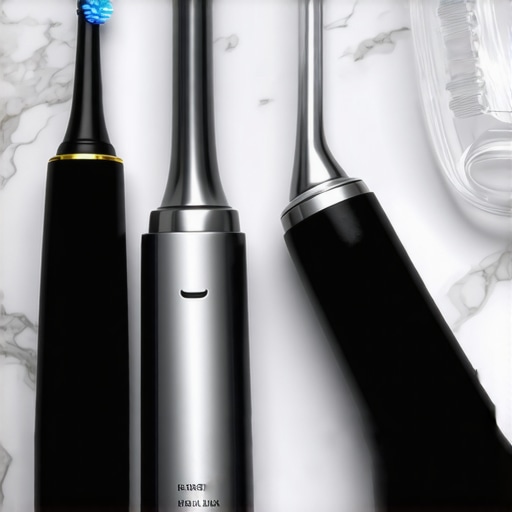
Your Night Guard is Not Optional
If you spent money on a veneers transformation, you are likely a ‘clencher’ like me. The sheer force of human jaw muscles—up to 250 pounds per square inch—can shear off porcelain or loosen a screw in a single night. I never realized the risk of skipping your night guard for just one week until I saw a tiny craze line in my lateral incisor. I recommend a dual-laminate guard: hard on the outside to take the wear, but soft on the inside for comfort. This is not just about protecting the teeth; it is about preserving the alignment we worked so hard to achieve.
How do I maintain my cosmetic work over time?
The secret is proactive imaging and consistent chemical balance. Every year, I ask for a digital scan rather than just a 2D X-ray. I want to see what a dentist sees on a CBCT scan, specifically looking for early signs of bone loss or micro-leaks. Dr. Gordon Christensen, a leading voice in clinical dentistry and founder of Clinical Research Associates, suggests that the ‘biological width’ around an implant is more delicate than a natural tooth, meaning we have a smaller margin for error. To counteract this, I use a pH-neutralizing mouth rinse every night. Most commercial rinses are actually acidic, which can etch the bonding agent over time. Switching to a rinse with a pH of 8.0 or higher helps keep the oral microbiome stable and prevents the ‘acid bath’ effect.
Where the Future of Your Smile is Heading
We are moving into an era of 3D-printed bio-scaffolds and smart technology. In the next decade, innovations that redefine comfort will likely include smart-implants that can detect bacterial load and alert your phone before a sore spot even develops. We are already seeing cutting-edge techniques in cosmetic dentistry using AI to predict how your bone will age around the restoration. My advice? Do not wait for the tech to catch up. Start using a pH-balancing protocol tonight to double the life of your current work. It is the most effective way to ensure those expensive veneers do not become a recurring expense.
Small Shifts That Save Your Smile and Your Wallet
After years of navigating the world of restorative dentistry, I have realized that the real work begins the moment you leave the office. One of the biggest lightbulb moments for me was realizing that even the most expensive porcelain isn’t invincible. The ‘set it and forget it’ mindset is a myth; your mouth is a living, breathing ecosystem that reacts to every new addition. I also learned that if your porcelain veneers might feel bulky at first, it is often a sign of muscle adaptation rather than a permanent flaw, but knowing when to speak up for an adjustment is key to preventing long-term jaw pain and wear on your new investment.
Gear That Actually Protects Your Investment
You wouldn’t buy a luxury car and then take it through a cheap brush wash, and your teeth deserve the same level of care. To keep my mouth in peak condition, I rely on a few specific tools that have changed the game for me. First, a high-quality water flosser is essential; if you’ve ever struggled with the trick to flossing around permanent orthodontic retainers or complex bridges, this tool is a lifesaver. Second, I always refer back to professional advice on how to pick a toothbrush that won’t destroy your enamel to ensure I am not accidentally scrubbing away my gum line. Finally, when deciding on future work, I suggest studying the differences in veneers vs crowns to ensure you are making the most conservative choice for your natural tooth structure.
#IMAGE_PLACEHOLDER_E#
Your Journey to a Pain-Free Smile Starts Now
Investing in your teeth is one of the most transformative things you can do for your self-esteem. While the learning curve of dentures or implants can be steep, the freedom to eat, speak, and laugh without hesitation is the ultimate reward. By embracing these cosmetic dentistry secrets to boost your confidence, you are setting yourself up for decades of health. Don’t let the technical details overwhelm you—take it one saltwater rinse and one flossing session at a time. Have you ever felt like your dental work was more ‘work’ than you expected? Let me know your experience in the comments below!