I’ll never forget the sinking feeling I had three weeks into my first set of clear aligners. I was at a coffee shop, feeling pretty good about my secret “invisible” braces, until I caught a glimpse of myself in the bathroom mirror. My aligners weren’t clear anymore. They were a dull, murky shade of “old Tupperware.” I realized then that just rinsing them under the tap wasn’t going to cut it. It felt like I was wearing a dirty film over my smile, and honestly, I was terrified I’d permanently stained them with my morning latte. To be honest, I was worried I’d have to look into more permanent cosmetic dentistry secrets just to fix the mess I was making.
Get Rid of That Cloudy Film for Good
If you’re anything like I was, you probably chose clear aligners because you wanted to straighten your teeth without the world knowing. But here’s the reality: if you don’t clean them properly, they become more noticeable than traditional metal brackets. I’ve seen so many people—myself included—make the mistake of using colored mouthwash or harsh soaps that actually scratch the surface. Those tiny scratches are like magnets for bacteria and stains. When I first started, I thought I could just use my regular toothpaste. Big mistake. Toothpaste is often abrasive, and it can leave your trays looking foggy. It’s one of those common aligner cleaning mistakes that no one tells you about until you’ve already ruined a tray. Today, I’m going to walk you through the routine that actually works to keep your aligners looking like they just came out of the package.
Are these cleaning crystals really worth the extra money?
You’ve probably seen the expensive branded cleaning crystals and wondered if you’re being up-sold. I get it. I was skeptical too. However, keeping these things clean isn’t just about aesthetics; it’s about hygiene. According to a study published in the Journal of Orofacial Orthopedics, biofilm can accumulate on thermoplastic aligners within hours, which can lead to bad breath and even tooth decay if not managed. While you don’t always need the “official” brand, you do need a method that breaks down that biofilm without warping the plastic. I once tried to “sanitize” my trays in boiling water because I thought it would kill the germs faster. I ended up with a melted, warped piece of plastic that didn’t fit my teeth at all. If you’ve ever noticed that your orthodontic retainer smells bad even though you rinse it every day, you’re likely dealing with the same bacterial buildup I was. We’re going to solve this today so you can smile with confidence again. Have you ever accidentally stained your trays with food or drink?
Stop scrubbing with your regular toothbrush
I know it’s tempting to use your standard toothbrush and the same toothpaste you use for your morning routine, but you need to stop immediately. Most toothpastes contain abrasive particles like silica, which are great for removing plaque from enamel but disastrous for medical-grade plastic. These abrasives create microscopic scratches that act like tiny caves for bacteria. Once the bacteria settle in those scratches, they start to smell. If you’ve noticed the reason your orthodontic retainer smells bad despite daily rinsing, it’s often because those scratches are trapping odors you can’t simply rinse away. Instead, use a dedicated soft-bristled brush—one specifically set aside only for your trays. This prevents the transfer of leftover toothpaste residue that could cloud the material. Think of it like maintaining high-end veneers; you wouldn’t use a scouring pad on a delicate finish. You want to preserve that smooth surface to keep the aligners truly invisible. In the world of cosmetic dentistry, the goal is always to keep the work looking as natural as possible, and for aligners, that means keeping the plastic glass-smooth.
The soak method that actually works
Instead of physical scrubbing, rely on a gentle chemical soak. I used to think soaking was a waste of time until I realized it’s the only way to reach the deep grooves where your molars sit. You don’t need the most expensive brand, but you do need something pH-balanced. A mixture of lukewarm water and a mild, clear liquid soap (like a scent-free dish soap) works wonders. Never use hot water, as thermoplastic materials have a ‘memory’ and will warp, ruining the precise fit. I learned this the hard way during my second month when I used hot water thinking I was ‘sterilizing’ them. I had to pay for a replacement tray because mine wouldn’t even slide over my canines anymore. It’s a vital part of family dentistry tips for a lifetime of healthy smiles to treat every dental appliance with the same care you would your actual teeth. 
Don’t let turmeric or coffee ruin your week
We’ve all been there—you’re out with friends, someone offers you a sip of a latte or a bite of a curry dish, and you forget you have your trays in. I once spent an entire afternoon with neon-yellow aligners after a single bowl of turmeric-heavy soup. If this happens, do not panic and reach for bleach. Bleach will degrade the plastic and make it brittle, much like how improper care can damage dental implants or cosmetic dentistry work. Instead, you need to learn how to safely clean a stained clear aligner at home using a diluted white vinegar solution. The mild acidity helps break down organic pigments without eating through the tray itself. This is similar to the precision required when you learn how to safely clean a dental implant without scratching the post; it’s about being effective without being destructive.
The five-minute routine for busy mornings
If you are in a rush, the best defense is a thorough rinse and a quick soak while you eat breakfast. Saliva contains enzymes that, when left to dry on the plastic, create that cloudy ‘old Tupperware’ look. By keeping the trays submerged in plain, room-temperature water while they aren’t in your mouth, you prevent that film from hardening. This habit is just as important as knowing the best way to brush your teeth if you have a sensitive gag reflex because it reduces the overall ‘work’ you have to do later. If you keep the trays moist, the debris slides right off. I started keeping a small plastic container with water on my bathroom counter just for this. It saved me hours of scrubbing over the course of my treatment and kept my breath much fresher throughout the day.Once you graduate from the daily grind of aligners, it’s easy to think you’ve reached the finish line. Whether you are transitioning to veneers to unlock your best smile or exploring how dental implants reshape oral health in 2025, there is a nuance that most patients—and even some practitioners—gloss over. Everyone says these solutions are ‘permanent,’ but that is only half the truth. In my experience, the biggest trap is the ‘set it and forget it’ mentality. If you treat high-end porcelain like it’s indestructible, you’re headed for a very expensive wake-up call.
Permanent dental work is not a free pass for laziness
The most common contrarian view I hold is that your home care actually becomes more critical after cosmetic work, not less. While porcelain doesn’t decay, the tooth structure underneath and the bone supporting it certainly can. I’ve seen cases where patients neglect their hygiene only to find why your gums look like they are receding even when gum disease isn’t the primary culprit. It’s often a reaction to improper cleaning around the margins of the restoration. According to a study in the International Journal of Oral & Maxillofacial Implants, the long-term success of dental appliances is tied directly to the management of the ‘biological width’—the tiny space between your restoration and your gum tissue. If you aren’t careful, you risk peri-implantitis or margin failure.
Will my gums eventually reject these new additions?
This is the question I get from the most detail-oriented readers. The answer isn’t about ‘rejection’ in the traditional sense, but about integration. You have to monitor how to tell if your dental implant is healing at the right speed to ensure the bone is actually fusing correctly. A common mistake is ignoring that slight ‘heavy’ feeling or a metallic taste, which can be early indicators that something is off. Have you ever fallen into the trap of thinking a new smile meant fewer dental visits? Let me know in the comments. 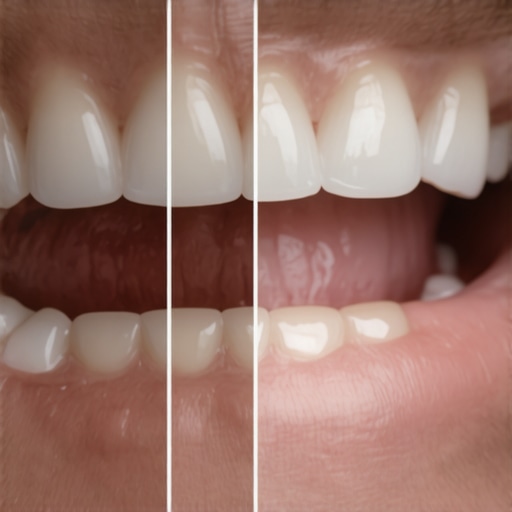
Avoid the piano key effect at all costs
One of the biggest ‘oops’ factors in cosmetic dentistry is the pursuit of absolute perfection through bleached-white shades. This often leads to the mistake that makes porcelain veneers look like piano keys. Real teeth have natural translucency and gradient; they aren’t solid blocks of monochromatic white. When you choose a shade that is too opaque, you lose the natural play of light. This is why the reason your veneers look different in sunlight versus indoors is a topic of such high importance in advanced aesthetic planning. You want a smile that blends with your facial features, not one that shouts from across the room. Within the realm of family dentistry tips for a lifetime of healthy smiles, the goal is always longevity and natural appearance. If you are investing in your confidence, don’t let a lack of nuance turn your dream smile into a source of regret.I’ve learned that the ‘after’ photo isn’t the finish line; it’s just the start of a maintenance phase that requires a whole new set of skills. To keep my investment from literally cracking under pressure, I had to completely upgrade my home-care toolkit. I swapped my manual string floss for a high-quality water flosser, but I had to learn the hard way why your gums bleed only when you use a water flosser—it’s usually because the pressure is set way too high for sensitive gum tissue. For my dental implants, I switched to specialized interdental brushes with plastic-coated wires. You really need to know how to safely clean a dental implant without scratching the post because even a tiny nick in the titanium can become a breeding ground for bacteria that lead to bone loss. I personally use the TePe brand because their filament quality is unmatched for getting under bridge work without causing micro-abrasions.
The gear that keeps my smile intact
Beyond just brushing, the real secret to longevity is an ultrasonic cleaner. According to technical research by the Gordon J. Christensen Clinicians Report, the use of specialized ultrasonic cleaners for removable appliances like night guards reduces biofilm by up to 99% more effectively than manual brushing alone. I used to spend twenty minutes scrubbing my trays, only to find they still smelled. Now, I drop them in the ultrasonic bath while I’m in the shower, and they come out laboratory-clean. If you are struggling with odors, learning how to remove the smell from your plastic night guard at home is about more than just freshness; it’s about preventing the transfer of bacteria back onto your teeth. I also recommend keeping a stash of specialized stain-removers if you are a fan of Cabernet or Syrah. Knowing the secret to getting red wine stains off your veneers is vital because porcelain can occasionally pick up surface stains that a regular toothpaste won’t budge. 
How do I keep my new smile from failing over time?
The biggest threat to your new teeth isn’t usually sugar—it’s mechanical stress. If you’ve spent thousands on your smile, you must view a custom-fitted night guard as your insurance policy. I’ve seen people shatter beautiful porcelain because they thought they didn’t ‘clench that hard.’ This is why family dentistry tips for a lifetime of healthy smiles always emphasize protecting your bite alignment. If you notice why your dental implant feels heavy in your jaw bone, it might actually be a sign that you are putting too much occlusal pressure on the post at night. I predict that in the next decade, we will see ‘smart’ night guards with embedded sensors that track your grinding patterns in real-time. We are already seeing how dental implants reshape oral health in 2025 with digital planning, and at-home monitoring is the logical next step. To ensure you don’t undo your progress, you must also be diligent about how to stop your teeth from shifting after your braces come off, which usually means wearing your retainer every single night without exception. If you want to keep your veneers transformation looking pristine, go buy a dedicated ultrasonic cleaner today. It is the single most effective way to keep your dental gear clear and scent-free without the risk of manual scratching.
High-End Smiles Require More Than Just Good Luck
One of the most profound lightbulb moments I had during my journey wasn’t about the cost—it was about the commitment. You might think that finishing your aligner treatment or getting how dental implants reshape oral health in 2025 means the hard work is over, but it’s actually the beginning of a lifelong stewardship. I used to believe that once the porcelain was in, I could go back to my old habits. In reality, you have to be more vigilant than ever to avoid the mistake that makes porcelain veneers look like piano keys—which is often a lack of subtle, natural maintenance at the gum line. #IMAGE_PLACEHOLDER_E# I also learned that your bite changes over time; what fits perfectly today might need a tweak in five years, and that is completely normal.
Specific Gadgets That Keep My Smile Pristine
If you want to keep your teeth looking as fresh as the day you left the office, you need to be picky about your gear. I’ve tried every gadget on the market, but these three are non-negotiable for me. First, a dedicated ultrasonic cleaner for any removable trays; it reaches the bacterial colonies that a brush simply can’t touch. Second, if you use a water flosser, start on the lowest setting to understand why your gums bleed only when you use a water flosser—it’s usually a matter of pressure rather than a sign of failure. Finally, always have a plan for life’s little accidents. Knowing the secret to getting red wine stains off your veneers can save you a frantic call to the emergency dentist on a Saturday night.
Your Smile Is an Evolution, Not a Destination
At the end of the day, the goal of all these cosmetic dentistry secrets isn’t just to look good in photos; it’s to feel a sense of ease every time you laugh or speak. Your dental health is a reflection of how you care for yourself, and taking these extra steps—like cleaning under your retainer or soaking your trays properly—is a small price to pay for that confidence. Don’t be afraid to ask your provider for a customized maintenance plan that evolves as you do. Have you ever been surprised by how much maintenance a ‘permanent’ dental fix actually requires? Let me know below.