I remember sitting on my bathroom floor at 2 AM, frantically nudging my left incisor with my index finger. It moved. Just a tiny, sickening wiggle, but it was enough to make my heart drop into my stomach. I was convinced that in my quest for a perfect smile, I had somehow managed to dissolve my own jawbone. I even considered calling an emergency line, certain that my teeth were about to abandon ship. It was a classic first-timer panic, but looking back, I realize I was just experiencing the biology of change. I’d spent so much time looking into cosmetic dentistry secrets to boost your confidence that I hadn’t actually prepared for the physics of moving bone.
That Terrifying Moment My Tooth Actually Moved
When you decide to invest in your smile, you expect some pressure. You might even be prepared for how to manage the dull ache after your braces are adjusted. But nobody really warns you about the wobble. That loose sensation is easily the most unnerving part of the journey. Early on, I made the mistake of leaving my aligners out for half a day because I was scared the looseness meant I was overdoing it. All I did was stall my progress and make the next tray hurt twice as much. Today, we are going to demystify this strange sensation and explain why that slight wiggle is actually a sign that your transformation is working exactly as it should.
Is it actually normal for my teeth to feel like they might fall out?
It is the question everyone asks but feels a bit silly saying out loud. Yes, it is completely normal. Think of your teeth like a fence post in the ground. To move the post to a new spot, you first have to wiggle it to loosen the dirt. According to the American Association of Orthodontists, teeth move through a process called remodeling. The bone around the tooth root actually breaks down and reforms to allow for the new position. This creates a temporary space in the socket, which is why things feel a bit squishy. If you have ever worried about why your clear aligners are making you lisp even after a week, you already know that the mouth is incredibly sensitive to minor changes. This looseness is just another one of those temporary quirks. Have you felt that sudden, sharp panic when a tooth feels slightly mobile? You are not alone, and I promise your teeth are staying right where they belong. We are going to dive into exactly what is happening beneath your gums so you can stop worrying and start enjoying the process.
Your Jawbone is More Like Play-Doh Than Granite
Most people assume their jawbone is a solid, immovable block of calcium. In reality, it is a living, breathing tissue that is constantly being broken down and rebuilt. When you start any orthodontic movement, your body sends in specialized cells called osteoclasts to dissolve the bone in the direction the tooth needs to go. Once the tooth moves, other cells called osteoblasts build new bone in the gap left behind. This is the exact same biological principle behind why the reason your dental implant surgery requires a bone graft if you have been missing a tooth for too long—without a tooth to hold, the bone simply melts away. During active treatment, you are essentially living in a state of controlled ‘bone melting,’ which is why that wiggle feels so pronounced. It is not a sign of failure; it is the physical manifestation of your anatomy making room for a better version of itself.
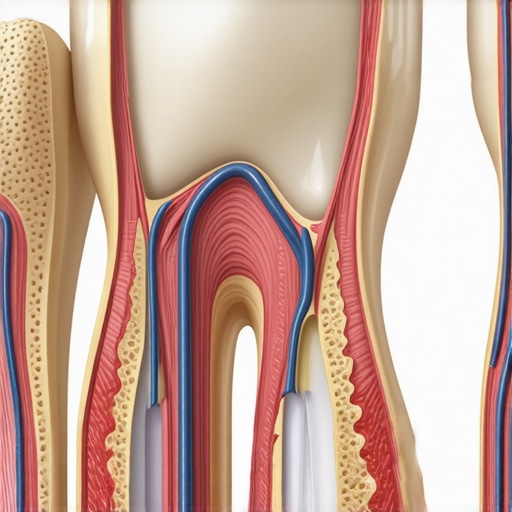
Stop Poking the Wiggle with Your Tongue
I know it is tempting. It is the same impulse that makes you poke a canker sore or touch a bruise. I spent an entire week during my third tray constantly pushing my front tooth with my tongue just to ‘check’ if it was still loose. All I did was irritate the periodontal ligament and make the area throb. You have to treat your mouth like a construction site. You wouldn’t walk onto a site and start kicking the wet concrete, so don’t mess with the teeth while the bone is in its ‘liquid’ phase. If you find yourself obsessing over the movement, remind yourself that the ligaments are simply stretched. If you are also dealing with other restorations, like why your mouth feels metallic after getting a new crown, the sensation of looseness can feel even more alien, but the rule remains: let it be.
Why Your Front Teeth Feel Weak When Biting into Apples
I learned this lesson the hard way at a backyard BBQ. I thought I was far enough along in my treatment to handle a crisp Granny Smith apple. I took one big bite and felt a sickening ‘crunch’ that wasn’t the fruit—it was the sensation of my incisor shifting under the pressure. I spent the next twenty minutes in the bathroom convinced I was going to need dental implants 2025 innovations that redefine comfort and durability just to fix the mess I’d made. I didn’t actually break anything, but I had severely strained the ligaments that were already loosened by my trays. This is why why your front teeth feel weak when biting into apples is such a common complaint. Until that bone fully calcifies in its new position, you should avoid using your front teeth as tools. Slice your fruit, cut your pizza, and give those ligaments a break.
Know the Difference Between Movement and Instability
While a slight wiggle is a gold star for your progress, there is a line between ‘orthodontic looseness’ and ‘structural failure.’ If you have veneers vs. crowns choosing the best option for your smile, you should know that the restoration itself should never feel loose independently of the tooth. A loose crown or a popping veneer is an emergency; a slightly mobile tooth root is a process. If you notice your teeth are shifting in a way that doesn’t align with your trays, you need to learn how to stop your teeth from shifting after your retainer breaks or your aligner stops fitting properly. True progress is steady and guided; if the movement feels chaotic or is accompanied by sharp, localized pain rather than a dull ache, that is when you pick up the phone.
While we’re on the subject of things feeling ‘off’ in your mouth, I need to address a common myth that drives me crazy in the world of high-end restorations. Many patients assume that because they’ve invested in veneers vs. crowns choosing the best option for your smile, their teeth are now invincible. They think of cosmetic dentistry as a protective shell, but here is the contrarian truth: your natural tooth structure is actually *more* vulnerable to neglect once it is covered. If you don’t maintain the gum line, the tooth underneath can still decay, and suddenly that expensive work is sitting on a foundation of sand.
Don’t Let Your Smile Glow in the Dark
The biggest ‘oops’ factor I see isn’t technical—it’s aesthetic. People often push for the brightest white possible, but the result is frequently the mistake that makes your teeth look too white and fake. Real teeth have translucency. When you pick a shade that is opaque and bleach-white, you lose the natural depth that makes a smile look healthy. Instead, you should focus on how to pick the right shade for your new porcelain veneers by matching the whites of your eyes. It sounds like a strange rule of thumb, but it’s the secret to a look that is impressive without being obvious. 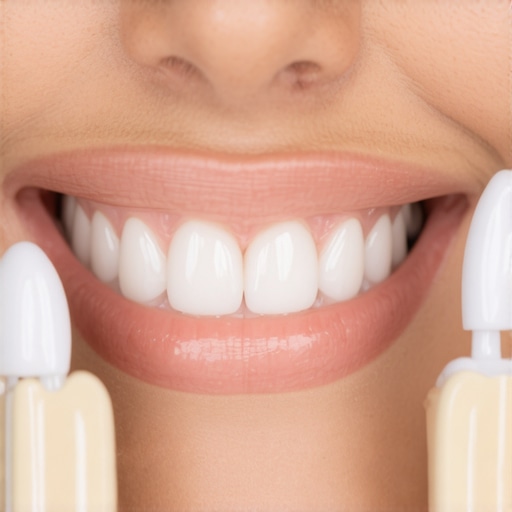
Why does my dental implant feel like it is vibrating or tingling?
This is a sophisticated concern that many first-time implant patients encounter. Unlike a natural tooth, which is suspended by a flexible ligament (the one that causes the ‘wiggle’ we talked about earlier), an implant is fused directly to the bone. This means vibrations from chewing or even talking can feel different. However, if why your dental implant area feels tingly or numb is your primary concern, it could indicate that the implant is slightly too close to a nerve. According to research published in the Journal of Oral Implantology, precise placement is the difference between a lifetime of comfort and chronic sensory issues. This is also why things like the impact of smoking on your dental implant success rate are so critical; the bone needs a pristine environment to fuse correctly without irritating the surrounding nerves.
The Trap of the ‘Permanent’ Fix
We need to stop calling these procedures ‘permanent’ and start calling them ‘long-term investments.’ Even the most advanced dental implants 2025 innovations that redefine comfort and durability still require the same level of care as biological teeth. If you think you can skip flossing because ‘titanium can’t get a cavity,’ you are setting yourself up for peri-implantitis—the leading cause of implant failure. You’ve worked hard to get a smile you’re proud of, so don’t let a bit of laziness ruin the physics and biology that went into creating it. Have you ever fallen into this trap of thinking your cosmetic work was indestructible? Let me know in the comments.
Water Flossers Are Not Optional for Implants
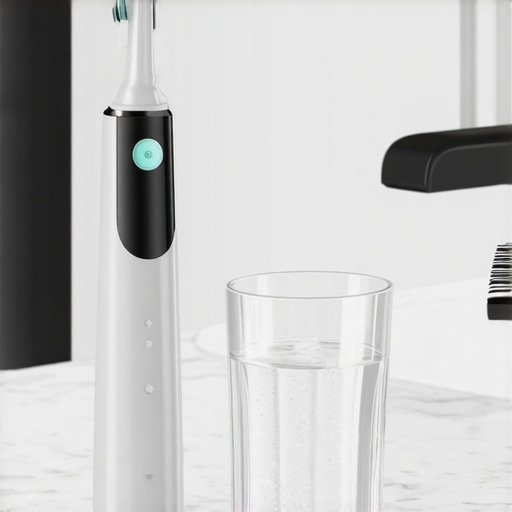
I used to be a string-floss purist until I realized that my hands simply weren’t built to navigate the geometry of a dental bridge. If you’ve ever wondered why your dental bridge feels like it is trapping food, it’s because the gap between the pontic and the gum is a magnet for bacteria. I personally switched to a high-pressure water flosser because it flushes out the ‘biofilm’ that manual flossing just smears around. Just as there is a massive benefit of using a water flosser with your braces, it is the only way to ensure the area around an implant stays free of inflammation. According to a study in the Journal of Clinical Periodontology, water flossing can reduce gingival bleeding by up to 93% compared to traditional string flossing—numbers you can’t ignore if you want your investment to last.
How do I keep my cosmetic work looking new for twenty years?
The secret isn’t just in the brushing; it’s in the protection. Most people don’t realize they grind their teeth under stress, which is the fastest way to chip a porcelain veneer. I never go to sleep without my custom night guard. However, a dirty guard is just a petri dish for bacteria, so you need to know how to clean your night guard without damaging the material. If you are diligent, veneers transformation unlocking your best smile yet can literally last decades. If you’re also managing a family, you’ll find that these family dentistry tips for a lifetime of healthy smiles apply across the board—consistency beats intensity every single time.
Don’t Ignore the Physics of Crowding
If your teeth are naturally tight, you probably know the secret to flossing when your teeth are tightly crowded involves a specific ‘seesaw’ motion rather than a straight pull. If you snap the floss, you risk trauma to the papilla, which leads to recession. I’ve seen patients spend thousands on transform your smile with veneers expert tips for perfect results, only to have their gum line recede because they were too aggressive with their cleaning tools. You have to be a surgeon, not a construction worker, when it comes to your gums.
The Future of Your Smile is Digital
Looking ahead, I predict that within the next five years, we won’t even be guessing about our oral health. We are moving toward the future of dental implants cutting edge techniques in cosmetic dentistry that include smart sensors embedded in crowns to alert your phone if there’s a change in acidity or temperature—early warning signs of infection. For now, the best thing you can do is focus on how dental implants reshape your oral health in 2025 by utilizing 3D-guided surgery and high-tech maintenance. My one pro-tip for you today: Swap your manual brush for a sonic one with a pressure sensor immediately. It’s the single best way to stop the ‘over-brushing’ that ruins cosmetic work. Give it a try for one week—your gums will thank you.
What My Dentist Didn’t Tell Me About the Emotional Rollercoaster
Looking back at my journey, there are a few lightbulb moments that changed everything for me. First, the psychological impact of a loose tooth is far greater than the physical one. You might panic, and that is okay, but remember that your body is a masterpiece of engineering designed to heal. Second, I realized that cosmetic dentistry secrets to boost your confidence aren’t just about the procedures; they’re about the mindset of maintenance. If you’re nervous about the truth about getting dental implants if you have existing bone loss, know that modern technology is on your side.
- Patience is a medical requirement: Bone doesn’t reform overnight. If you rush the process, you risk the foundation.
- Maintenance is the real work: Getting the work done is 10% of the battle; keeping it perfect is the other 90%.
- Listen to your gut: If a sensation moves from a ‘wiggle’ to a ‘sharp pain,’ trust yourself and call the office.
The Dental Success Kit I Wish I Had on Day One
I’ve spent a small fortune testing tools so you don’t have to. If you are serious about protecting your smile, I recommend three non-negotiables. First, a high-quality water flosser is your best friend for cleaning under a bridge or around hardware. Second, invest in a sonic toothbrush with a pressure sensor—it prevents you from scrubbing away your enamel or irritating sensitive gums. Finally, keep a direct line to your provider; if you’re ever in doubt, the team at contact us is there to ensure your path remains on track. These aren’t just gadgets; they are the insurance policy for your new look.
Don’t Let a Little Wiggle Stop Your Progress
Transforming your smile is one of the most rewarding investments you will ever make for your self-esteem. Whether you are weighing the pros and cons of veneers vs. crowns which is right for your smile or navigating the early days of orthodontic movement, remember that discomfort is often just the precursor to a breakthrough. That temporary looseness is the bridge between where you are and where you want to be. Keep your eyes on the prize, stick to your hygiene routine, and embrace the biology of change. Your future smile will be worth every nervous 2 AM bathroom check. Have you ever felt that sudden, sharp panic when a tooth feels slightly mobile? Let me know your experience in the comments below!