I remember the first time I actually noticed it—not just the bad breath, but that thick, cotton-candy-gone-wrong feeling in my mouth. I woke up, tried to swallow, and realized my tongue was practically fused to the roof of my mouth. It is a gross, visceral sensation that makes you reach for the water bottle like your life depends on it. For years, I just thought I was a mouth-breather or maybe I had too much salt at dinner. I made the mistake of just ignoring it, assuming it was a ‘normal’ part of getting older. But eventually, I realized this was not just a quirky morning habit. It was a sign that my oral health was out of balance, and it is a problem that affects millions of us every single morning. Today, we are going to solve that sticky mystery so you can wake up feeling refreshed instead of parched.
The Morning Gunk is Telling You Something
It is not just about needing a breath mint. That sticky feeling is usually a lack of saliva, which is your mouth’s primary defense system. Saliva washes away food particles and neutralizes acids. When it is gone, bacteria have a field day. I ignored this for way too long until my dentist pointed out how it was contributing to some early signs of receding gums. If you have been noticing your teeth feel fuzzy even after you brush the night before, your dry mouth is likely the culprit. Beyond the ick factor, this lack of moisture can lead to serious issues if left unchecked. [image]
Is a dry mouth actually dangerous for my smile?
You might be skeptical. After all, it is just dryness, right? Wrong. According to the American Dental Association, chronic dry mouth, known as xerostomia, can significantly increase your risk of tooth decay and gum infections because there is no saliva to buffer the plaque. I used to think I could just drink more water and be fine, but sometimes the cause is more mechanical, like jaw pain that is worse in the morning because of grinding or structural issues.
Why the Desert Moves In Overnight
Many things cause this, from the medications we take to the way we sleep. For me, it was a combination of seasonal allergies and a bad habit of sleeping with my mouth open. If you are dealing with this alongside other issues, like itchy gums, your body is waving a red flag that something is off. It is also worth looking into your overall family dentistry habits to see if there is a shared lifestyle factor involved, like your home’s humidity levels. Have you ever woken up and felt like you could not even speak until you had a glass of water? It is more common than you think. We are going to look at the fixes next, from simple hydration hacks to checking if you need a night guard to prevent mouth breathing and teeth wear.
Stop the Midnight Water Chug and Hydrate Smarter
I used to think that chugging a massive glass of water right before hitting the pillow would solve my morning desert-mouth. It didn’t. I just ended up waking up at 3:00 AM to use the bathroom, only to find my mouth felt even crispier. Hydration is not just a bucket you dump on your system; it is like an irrigation system for a garden. You need consistent moisture. I started sipping water throughout the day and switched to an alcohol-free rinse designed for dry mouth. Traditional mouthwashes with alcohol are like a blow-dryer for your gums. If you are noticing that your teeth feel fuzzy even after you brush, your saliva is failing to wash away the film. Swapping to a xylitol-based spray before bed acts like a protective shield, keeping the tissues moist while you sleep.
Seal Your Lips for Better Breath
Mouth breathing is the fastest way to evaporate every drop of saliva you have. I realized I was doing this because my nose was always slightly stuffed from allergies. I began using nasal strips, and the difference was night and day. If you find your teeth look shorter after years of nighttime grinding, you are likely dealing with a combination of structural stress and dryness. Grinding often goes hand-in-hand with mouth breathing because your body is struggling to find a comfortable airway. Addressing the physical alignment of your jaw is a core part of family dentistry tips for a lifetime of healthy smiles. 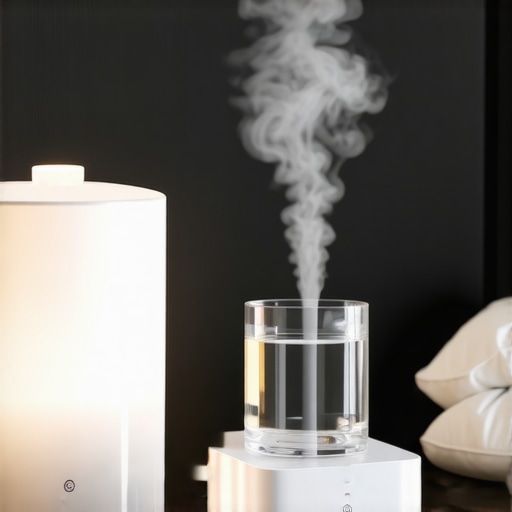
Control Your Sleeping Environment
Your bedroom air quality is a massive factor that most people ignore. One winter, the heater in my apartment was so aggressive it turned the air into a literal kiln. I woke up with my tongue feeling like a piece of sandpaper. I bought a small humidifier and kept it right on my nightstand. This simple change stopped the moisture from being sucked out of my mouth the moment I fell asleep. If you are investing in your look through cosmetic dentistry secrets to boost your confidence, you owe it to yourself to protect that investment by maintaining a healthy oral microbiome. Dryness causes acidity, and acidity destroys enamel.
Check the Fit of Your Nightly Gear
If you use a retainer or a guard, its fit could be the culprit. I remember a week where my old night guard was feeling a bit loose, so I stopped wearing it. Big mistake. Within three nights, the dry mouth was back because my jaw was sliding into a position that forced my mouth open. There is a serious risk of skipping your night guard for just one week, ranging from tooth wear to increased xerostomia. Ensure your gear is clean and fits snugly to keep your mouth in a natural, closed-rest position.This isn’t just about comfort; it’s about protecting the significant investment you’ve made in your appearance. Many of my patients think that once they get dental implants or a set of veneers, they are essentially ‘bulletproof.’ This is arguably the most dangerous myth in cosmetic dentistry. Everyone says these materials are permanent, but in my experience, the restoration is only as permanent as the bone and gums supporting it. If you allow your mouth to stay chronically dry or skip your family dentistry tips for a lifetime of healthy smiles, you are setting yourself up for an expensive ‘Oops’ moment.
Don’t Fall for the Indestructible Restoration Myth
The common belief is that since porcelain and titanium can’t get cavities, you’re in the clear. But here is the nuance: while the implant itself won’t decay, the surrounding tissue is even more susceptible to infection than it was with a natural tooth. A report in the *International Journal of Implant Dentistry* highlights that peri-implantitis—a specific inflammatory disease—is the leading cause of late-stage implant failure. If you feel your dental implant area throbs when you lay down to sleep, you might be dealing with more than just healing pains; it could be the start of a biological rejection.
How do I know if my dental implant is actually failing or just healing?
Distinguishing between normal post-operative discomfort and a true emergency is vital for long-term success. It is normal to feel some pressure during the first few weeks, but you should know how to tell if your dental implant is rejecting or just healing before you panic. A ‘vibrating’ sensation or a loose feeling in the hardware is a major red flag that requires immediate professional attention. If you are ever in doubt, understanding how to save a dental implant that feels slightly mobile can be the difference between a quick adjustment and the total loss of the restoration.
The Aesthetic Trap of the Ultra-White Smile
Another common mistake I see in my practice is prioritizing shade over structure. When choosing between veneers vs crowns, patients often push for the whitest possible porcelain. This often backfires when the result looks like a row of opaque bathroom tiles rather than a human smile. The secret to unlocking your best smile yet is translucency—the way light passes through the tooth. If your teeth look too thick, you’ll likely find that your upper lip keeps getting caught on your brand new veneers because they lack the natural taper of real enamel. Even worse, if the bonding wasn’t perfect, you might notice your veneers feel tight against your natural teeth, which indicates mechanical stress that could lead to premature failure. Have you ever fallen into the trap of choosing ‘bright’ over ‘natural’? Let me know in the comments.  You cannot treat a $20,000 smile the same way you treated your natural teeth back in college. If you are still using a medium-bristled brush and a ‘whitening’ toothpaste full of silica, you are essentially taking sandpaper to your investment. I always tell my patients that maintaining high-end work requires a shift in mindset from ‘cleaning’ to ‘preserving.’ For those who have undergone a veneers transformation, your goal is to protect the bond and the polish. If you notice a dullness, you might need to learn how to polish a scratched veneer at home without ruining the porcelain, but prevention is always the superior strategy.
How do I keep my cosmetic work looking fresh for decades?
The secret is not just about brushing; it is about the chemistry of what you put in your mouth. According to a study published in the Journal of Oral Implantology, patients using an oral irrigator with a specialized tip (like the ‘Plaque Seeker’) showed a 145% greater reduction in gum bleeding compared to those using traditional string floss. I personally use a Waterpik on the ‘low’ setting because high pressure can actually force bacteria deeper into the sulcus of a dental implant. This is a critical part of family dentistry tips for a lifetime of healthy smiles. If you have complex hardware, you must master how to clean under a dental bridge without shredding your floss, as that friction can lead to micro-tears in the gingiva where bacteria thrive.
Treat Your Porcelain Like Fine Jewelry
I recommend switching to a toothpaste with a low RDA (Relative Dentin Abrasion) value—specifically something under 70. Most ‘charcoal’ or ‘whitening’ pastes have RDA values over 100, which will eventually strip the glaze off your porcelain, leaving it porous and prone to staining. This is one of the 3 secrets to making your porcelain veneers last twenty years. If you are already seeing a mismatch, it is helpful to understand why your porcelain veneers don’t match your natural teeth before you try to bleach your way out of the problem, which won’t work on ceramic. 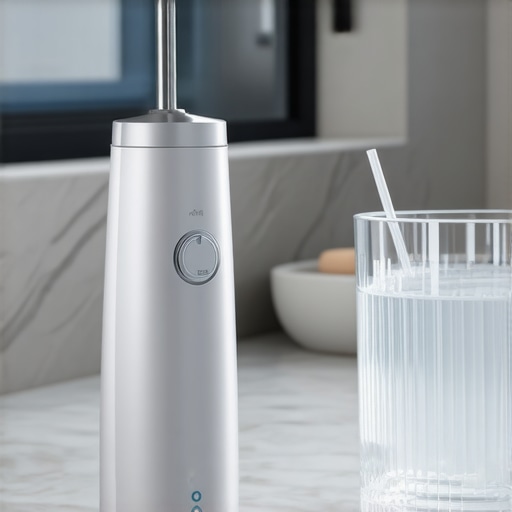
The Next Frontier of Dental Restoration
Looking ahead to the next few years, the trend is moving toward ‘bio-interactive’ materials. We are seeing dental implants in 2025 that are coated with proteins to encourage faster bone integration, reducing the ‘throbbing’ sensations often felt during healing. We are also seeing the rise of 3D-printed temporaries that fit so precisely you will never have to worry about your upper lip getting caught on your brand new veneers. The technology is shifting from just ‘replacing’ teeth to ‘integrating’ with the body’s natural systems. If you want to stay ahead of the curve, I challenge you to swap your manual toothbrush for a high-quality electric one with a pressure sensor this week; it is the single most effective way to stop receding gums in their tracks and protect your investment for the long haul.
The Expensive Truth About Porcelain That Your Bill Does Not Mention
I wish someone had told me years ago that “permanent” refers to the high-tech materials, not necessarily the bond to your living, breathing body. Over time, I have realized that even the most expensive cosmetic dentistry secrets to boost your confidence cannot out-perform a chronic lack of saliva. Here are the three hardest lessons I have learned about maintaining a high-value smile when your mouth feels like a desert. First, a dry mouth is an acidic mouth; without saliva to neutralize your pH, your gums are constantly under biological siege. Second, don’t ignore that “fuzzy” feeling. If you find your teeth feel fuzzy even after you brush, it is a chemical distress signal, not just a cleaning issue. Finally, the best dentist in the world can’t fix what a bad nighttime environment breaks. You have to be the guardian of your own oral microbiome when the lights go out.
The Tools I Actually Keep in My Medicine Cabinet
Managing the intersection of family dentistry tips for a lifetime of healthy smiles and professional restoration requires a specific toolkit. I trust these items because they focus on chemistry, not just scrubbing. I always recommend a Hygrometer; this tiny $10 device changed my life by showing me that my bedroom air was at 20% humidity—the dental equivalent of sleeping in a sauna. I also swear by Xylitol-based melts that stick to your gums at night; they stimulate natural saliva flow without the sugar that feeds bacteria. For those who have undergone a veneers transformation, switching to a Low-Abrasion (Low RDA) Toothpaste is non-negotiable. Using standard whitening paste on porcelain is like using a scouring pad on a silk dress; you need something gentle to keep that polish looking fresh for decades.
[image]
Take Back Your Morning Glow
Your smile is more than just a set of tools for eating; it is your primary way of connecting with the world and expressing joy. Whether you are navigating the nuances of veneers vs crowns or simply trying to wake up without a parched throat, remember that consistency beats intensity every single time. By addressing the moisture levels in your mouth today, you are protecting the structural integrity of your teeth and the longevity of your cosmetic dentistry investments. You deserve to wake up feeling refreshed, with a smile that is as healthy as it is beautiful. Have you noticed your mouth feeling drier since starting a new medication or changing your sleep environment? Let me know your experience in the comments below.