Have you ever woken up with a stiff, aching jaw that feels worse than the one you had before bed? I remember one morning in particular—I rolled out of bed, my jaw sore and swollen, and it took me a good few minutes to loosen up enough to even yawn comfortably. It was a lightbulb moment for me: something was wrong, and it wasn’t just sleep position or fatigue. That morning discomfort became a puzzle I needed to solve.
Unraveling the Mystery of Morning Jaw Pain
In my own experience and through countless conversations with friends and dental professionals, I’ve learned that waking up with more jaw pain than before sleeping isn’t uncommon. It might seem trivial, but it often hints at underlying issues such as bruxism (teeth grinding), temporomandibular joint disorder (TMJ), or even bite misalignments. Understanding why this happens is the first step toward relief and preventing further damage.
The good news? There are simple, effective strategies to address this problem. Today, I’ll share what I’ve discovered that really works—based on personal trial, error, and expert advice. Whether it’s adjusting your sleep habits, exploring dental treatments like veneers or implants, or just changing how you approach nightly habits, I promise that relief could be closer than you think.
Skeptical? Here’s What I Messed Up Early On
Initially, I ignored my morning aches, dismissing them as part of aging or bad sleep. I thought I could just tough it out. But ignoring dental health issues can backfire—leading to more pain and costly treatments. I learned the hard way that proper diagnosis and early intervention make all the difference. If you’re wondering whether your situation is serious, it’s worth consulting a professional who can help pinpoint the cause and tailor the right solution for you. For deeper insights into how dental treatments like implants and veneers can help, check out this resource on smile transformation.
So, are you facing similar morning jaw pain? If yes, stay tuned. We’re about to get practical—covering the what, why, and how to bring relief into your daily routine.
Tighten Your Bite with Professional Assessments
The first actionable step is to schedule a comprehensive dental exam to identify underlying issues like TMJ or bite misalignments. I visited my dentist for a detailed assessment, which involved a visual check and possibly imaging to see joint and dental structures clearly. Remember, early professional diagnosis is crucial for targeted treatment. To explore how dental assessments can reveal your specific needs, check out this guide on cosmetic dentistry secrets.
Adjust Sleep Habits for Better Rest
Implementing simple changes like sleeping on your side or back can significantly reduce jaw strain. Using a supportive pillow helps keep your neck and jaw aligned, preventing unnecessary pressure that aggravates TMJ. I once experimented with a specialized ergonomic pillow—initially, it felt awkward, but the discomfort in my jaw decreased over a week. Think of your pillow as a saddle for your head—support and alignment are key. For detailed sleep strategies, visit family dentistry tips for healthy smiles.
Wear a Night Guard to Prevent Grinding
Custom-made night guards act like a shield, preventing teeth from grinding and clenching during sleep—common culprits of morning jaw pain. I visited my dentist for a mold, which was then used to craft a tailored guard. Initially, I found it uncomfortable, but within days, I noticed a reduction in morning stiffness. Think of a night guard as a bumper car bumper—absorbing impact and protecting your natural teeth. For more insights, explore tips on smile transformation with veneers.
Practice Relaxation Techniques Before Sleep
Stretching your jaw muscles and practicing deep breathing can relax tense areas. I started doing gentle jaw stretches and mindful breathing 15 minutes before bed—this simple routine, like a calm wind calming a stormy sea, eased muscle tension. Also, avoid caffeine or high-stress activities close to bedtime. Think of it as winding down a machine—less tension means smoother operation. For tips on relaxing your facial muscles, see gums soreness reasons and remedies.
Optimize Dental Restoration Choices
If your assessment shows damaged or misaligned teeth contributing to your pain, consider restorative options like veneers or implants. Think of veneers as a tailored suit—covering imperfections while maintaining natural function. Dental implants are like sturdy posts anchoring a bridge—they replace missing teeth and restore bite stability. I personally opted for a combination of veneers and implants, which transformed my smile and relieved my jaw discomfort. To explore which options suit your needs, check out veneers vs. crowns comparison and latest innovations in dental implants.
Maintain Consistent Oral Hygiene
Good oral hygiene keeps your gums and teeth healthy, reducing inflammation that might contribute to joint pain. Flossing carefully and using suitable toothbrushes are essential. I learned that flossing with a strip that fits snugly between teeth prevents gum strain. Think of your dental tools as reliable allies—they keep your smile strong and healthy. For personalized tips, visit gums soreness and flossing techniques.
Collaborate with Your Dental Team for Long-Term Relief
Finally, working closely with your dentist and possibly an orthodontist ensures your treatment plan addresses all contributing factors. Regular check-ups allow adjustments, like fine-tuning a musical instrument, ensuring optimal comfort. I found that periodic adjustments to my night guard and ongoing assessments kept my jaw pain in check. Remember, persistent pain warrants professional attention rather than self-diagnosis. For more on comprehensive dental treatments, see dentist insights on dental implant sensations.Many patients assume they fully understand the nuances of cosmetic dentistry, family dentistry, and dental implants, but there’s often more than meets the eye. A common misconception is that all dental veneers are the same, yet the choice between porcelain and composite veneers can significantly impact durability and appearance—learn more about selecting the right option at this detailed comparison. Another widespread myth is that dental implants are just about replacing teeth, but in reality, they have profound effects on your overall oral health, bone preservation, and even facial structure, as explained in this comprehensive guide on 2025 innovations. A common mistake is underestimating the importance of placing crowns or implants at the correct depth; too shallow or too deep can lead to discomfort, improper bite, or implant failure—a detail emphasized by expert studies like the one from the Journal of Dental Research. For example, in cosmetic procedures, patients often overlook the impact of gingival display or gum line symmetry, which can undermine an otherwise flawless smile, a subtlety discussed in this expert resource.
Keep Your Smile in Top Shape with the Right Maintenance Tools
Maintaining the longevity and appearance of your cosmetic and restorative dental work requires more than just good habits; it demands the right tools and routine protocols. I personally rely on a combination of specialized equipment and software to ensure my dental restorations, like veneers and implants, stay pristine over time. One of the game-changers for me has been using an ultrasonic sonic toothbrush combined with a specialized implant and veneer-friendly flossing system. Unlike standard brushes, ultrasonic devices vibrate at high frequencies, effectively removing plaque without damaging delicate restorations. For instance, I use the Sonicare DiamondClean, which has proven gentle yet highly effective in maintaining my veneers’ gloss and preventing bacterial buildup around my implants.
Beyond brushing, I incorporate an LED-illuminated, rechargeable oral irrigator, which I find essential for cleaning around dental implants and under fixed bridges. Water flossers like the Waterpik Aquarius allow me to reach those hard-to-access areas, reducing the risk of inflammation or peri-implantitis—an issue I learned can compromise implant stability if left unchecked.
Software tools also play a pivotal role in my maintenance routine. Digital monitoring apps, such as Dental Monitoring, give me reminders for routine check-ups and allow my dentist to track the health of my restorations remotely. This proactive approach helps catch potential issues early, saving time and cost in the long run. Looking ahead, I predict that AI-driven imaging analysis will become standard—giving patients more precise insight into their oral health status without frequent visits.
How do I maintain my dental work over time?
Regular professional check-ups remain vital—at least twice a year—to have your dentist evaluate your restorations and perform professional cleanings. I schedule these appointments proactively, often combining them with cosmetic consultations to explore upgrades or touch-ups. Additionally, I use custom-fitted night guards to protect against inadvertent grinding, which can be detrimental to veneers and implants. Remember, consistent cleaning with tools specifically designed for your restoration type is key; for example, abrasive toothpastes can dull veneer surfaces and should be avoided.
In terms of long-term results, integrating new technologies like laser plaque removal and 3D imaging during check-ups ensures pristine conditions around your restorations. I also recommend consulting with your dental professional about advanced cleaning methods periodically. For older restorations, professional polishing with diamond burs and ultrasonic scalers can restore their original shine and smoothness.
If you’re serious about future-proofing your smile, consider trying an advanced routine that includes high-frequency sonic toothbrushes combined with interdental brushes and water flossers. These tools, when used correctly, can boost your maintenance game and protect your investment in dental aesthetics. For more insights into cutting-edge technology, have a look at the latest innovations in dental implants.
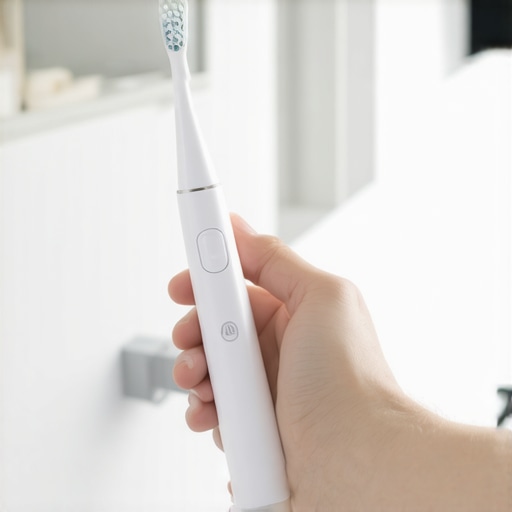
To truly stay ahead, I also make a habit of reviewing my dental health data through apps that log and analyze my oral hygiene practices. This data-driven approach allows me to identify habits that need adjustment before problems arise. Whether you’re maintaining veneers, implants, or other cosmetic work, leveraging technology is a smart move. I encourage you to try integrating a high-quality ultrasonic toothbrush into your routine and see the difference it makes in preserving your smile’s brilliance. Remember, consistency is key—investing in the right tools and habits today ensures your smile remains stunning for years to come.
What I Didn’t Expect About Transforming My Smile
- One of the biggest eye-openers was realizing that choosing the right veneers isn’t just about appearance — it impacts long-term oral health and confidence. I learned that selecting porcelain over composite veneers made a noticeable difference in durability and natural look, which I discovered through in-depth research and trusted guides like this comparison on veneers and crowns.
- Early on, I underestimated the importance of a comprehensive dental exam to identify hidden issues like bite misalignments or TMJ. An honest assessment from my dentist revealed underlying problems that could have worsened over time if left unnoticed. Regular check-ups and diagnostics are vital, as detailed in this article on dental implant innovations.
- Trusting the process means patience—dental restorations require time to settle and for you to adapt. I remember feeling uneasy about my initial impressions, but consistent care and following professional advice led to a seamless transition. This experience reinforced that customization, whether in family dentistry or cosmetic procedures, is key to success.
- I’ve realized that maintenance is an ongoing effort. Using specialized tools like ultrasonic toothbrushes and interdental cleaners, along with software reminders, helped me preserve my smile’s beauty and function. The combination of technology and routine can truly extend the life of your dental work, illustrated in latest implant tech insights.
My Picks for Building a Radiant Smile Toolbox
- Electing to go with a top-tier ultrasonic toothbrush like the Sonicare DiamondClean was transformative. Its gentle yet effective cleaning has kept my veneers and implants shiny and plaque-free. I trust it because of the consistent results and positive reviews in dental health communities.
- Water flossers such as the Waterpik Aquarius became my secret weapon for reaching those tricky spots around implants and crowns. The relief from gum irritation and risk of peri-implantitis makes it a non-negotiable part of my routine.
- I rely on digital health tracking apps, like Dental Monitoring, which remind me of scheduled check-ups and help my dentist monitor my progress remotely. This proactive approach has saved me time, money, and stress — a game-changer for long-term dental health.
- Lastly, I’ve incorporated professional-grade cleaning treatments like laser plaque removal during my regular visits, ensuring my restorations stay pristine. I encourage you to reach out to your dental team and explore how advanced procedures can preserve your investment in a beautiful smile.
You’re Capable of a Smile That Lasts a Lifetime
Remember, perfecting your smile is not a destination but a journey—one fueled by informed decisions, consistent habits, and trusting expert guidance. Your commitment today shapes how confidently you’ll face tomorrow. Whether you’re considering family dentistry, veneers, or dental implants, embracing this proactive mindset will help you enjoy lasting results. Your smile’s future starts now, so take that first step—you deserve it!
What’s the most important lesson you’ve learned on your dental health journey? Share your story below—I’d love to hear about your experiences and breakthroughs!
,