I remember the first time I noticed that sharp, stinging scent. I had just finished a particularly intense workout, feeling proud of my sweat, until I caught a whiff of something that smelled suspiciously like floor cleaner. I checked my gym bag, then my shoes, before realizing the scent was coming directly from my own mouth. It wasn’t just ‘bad breath’ in the way we usually think of it; it was the unmistakable, chemical punch of ammonia. I spent the next hour frantically googling, convinced my kidneys were giving up on me right then and there. It turns out, that ammonia smell is a very specific signal your body is sending, and while it’s often a simple fix, it’s not something you should ignore. I made the mistake of thinking I could just mask it with more mints and a more aggressive flossing routine, but you can’t scrub away a metabolic issue. Today, I want to walk you through exactly why this happens and how you can reclaim your fresh breath without the panic I went through.
If you’ve noticed that your breath still smells bad after brushing and flossing, especially with that chemical edge, you aren’t alone.
That Sharp Chemical Scent is Your Body Trying to Talk
I used to think that all bad breath came from a lack of brushing. I even started looking into cosmetic dentistry secrets to boost your confidence because I was sure my teeth were the problem. But ammonia breath is different. It usually means your body is processing protein in a way that creates an excess of nitrogen. When your body can’t get rid of that nitrogen through your urine, it starts coming out in your sweat and your breath. According to the National Kidney Foundation, a metallic or ammonia-like breath (often called ‘ammonia breath’) can be a symptom of chronic kidney disease, as the kidneys aren’t effectively clearing urea from the bloodstream. However, for most of us, it’s actually a sign of a high-protein, low-carb diet or even simple dehydration.
Wait, is this actually a sign of something serious?
It is totally normal to feel a bit of skepticism or even fear when your body starts smelling like a cleaning product. You might wonder if you need to rush to the ER or if you just need a sandwich. Early on, I ignored the signs and just assumed I was ‘crushing it’ on my low-carb diet. I didn’t realize that I was actually putting my system under unnecessary stress. If you also find that your mouth feels sticky and dry when you wake up, it’s a major clue that your hydration levels are bottoming out, making the ammonia scent even more concentrated. We need to look at the surprising connection between your gut health and your oral health to really get to the bottom of the odor. Have you ever experienced a moment where a quick workout or a change in diet made your breath smell like a chemistry lab? It’s a jarring experience, but understanding the ‘why’ is the first step toward fixing it. We’re going to dive into how your lifestyle choices might be the culprit and when it’s actually time to call a professional.
Fix the Fuel Mix Before Your Breath Gives You Away
The first thing you have to do is evaluate your plate. If you are pushing a zero-carb lifestyle, your body is likely burning protein for fuel instead of glucose. Think of your metabolism like a furnace; when it burns wood (carbs), it produces a predictable smoke, but when you start throwing old tires (excess protein) in there, the exhaust gets toxic. During my peak ‘keto-craze’ phase, I was eating steak for breakfast and chicken for dinner. I was losing weight, but my breath smelled like a janitor’s closet. I went to a dinner party and realized I couldn’t lean in to talk to anyone without seeing them wince. I finally added a small portion of complex carbs back into my diet, and within 48 hours, the chemical scent vanished. If you’ve wondered why your breath still smells bad after brushing and flossing, it is likely because no amount of minty paste can neutralize a metabolic byproduct being exhaled from your lungs.
Hydration is More Than Just a Wet Mouth
When you are dehydrated, your kidneys struggle to filter out urea, forcing your body to dump that waste through your sweat and breath. I used to think a couple of cups of coffee counted as hydration, but I was wrong. You need to flush your system like a running stream rather than letting it sit like a stagnant pond. When your hydration levels bottom out, your mouth feels sticky and dry when you wake up, which concentrates those ammonia salts. Aim for at least half your body weight in ounces of water daily to give your kidneys the support they need to keep the ‘chemical’ waste in your urine where it belongs. 
Check Your Dental Hardware for Hidden Traps
Sometimes the smell isn’t purely metabolic; it’s mechanical. If you have older dental work, it might be harboring bacteria that produce specific sulfur and nitrogen compounds. I once had a patient who was convinced they had a kidney issue, but it turned out they had a tiny gap in an old bridge that was trapping microscopic food particles. We discussed veneers vs. crowns: choosing the best option for your smile to ensure a tighter fit that wouldn’t catch debris. If you have modern restorations, understanding how dental implants reshape your oral health in 2025 can help you see how new materials are designed to be more hygienic and less likely to hold onto odors than the tech from twenty years ago.
Listen to Your Gut When the Mint Fails
If your diet is balanced and your teeth are clean, the issue might be deeper. There is a surprising connection between your gut health and your bleeding gums and breath quality. An overgrowth of certain bacteria in the small intestine can produce gases that are absorbed into the bloodstream and exhaled. To fix this, focus on fiber-rich foods that sweep the digestive tract. When I started prioritizing my microbiome, not only did my energy levels stabilize, but that weird metallic-chemical taste finally stayed away for good. If you are constantly reaching for gum, you are just masking a signal that your internal ecosystem is out of sync.
If you’ve already ruled out the metabolic issues and that stinging ammonia scent I mentioned earlier, you might be looking at cosmetic solutions to fix years of wear or staining. But this is where I see people make their biggest mistakes. Everyone says that the whitest teeth look the healthiest, but in my experience, the ‘bleach white’ look is exactly what makes dental work stand out for the wrong reasons. Chasing a ‘Chiclet’ smile is a trap that many fall into when they first look into cosmetic dentistry secrets to boost your confidence. Real teeth have translucency and subtle texture; if your new smile looks like flat, opaque plastic, it’s a dead giveaway that the artistry was skipped.
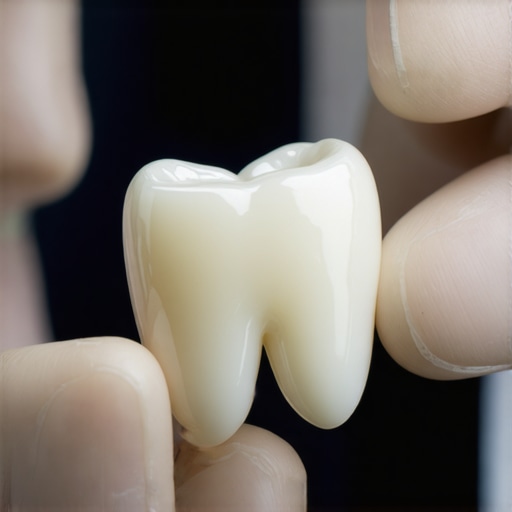
One of the most common myths is that ‘no-prep’ veneers are a universal win because they save your enamel. In reality, adding material on top of an unprepared tooth often leads to a bulky, unnatural profile. This is often why your veneers feel thick and bulky when you try to say the letter s. You aren’t just looking for a white cover-up; you are looking for a functional restoration that integrates with your bite. If the alignment isn’t perfect, you risk the ‘Oops’ factor of premature failure or even jaw pain. It is vital to understand expert tips for perfect results before you commit to a specific procedure.
How much enamel do you really have left for bonding?
This is the question that separates a long-lasting smile from a disaster waiting to happen. A study published in the Journal of Prosthetic Dentistry highlights that the bond strength of porcelain to enamel is significantly higher—often by nearly 50%—than the bond to the underlying dentin. If your teeth have been aggressively filed down, or if they are already worn from years of grinding, you might not have enough enamel left for a secure fit. This is a critical nuance: if you’re low on enamel, choosing the best option for your smile might actually mean opting for a crown instead of a veneer to ensure the restoration doesn’t pop off during a meal. Knowing how to tell if your veneers were bonded correctly to the enamel can save you thousands in replacement costs later. Have you ever fallen into this trap of prioritizing color over the structural health of your teeth? Let me know in the comments. We also need to look at 3 secrets to making your porcelain veneers last twenty years, which involves more than just brushing; it requires a deep understanding of your own bite mechanics and the materials used.
Once you’ve invested in your smile, the honeymoon phase usually lasts about six months. After that, reality sets in. If you aren’t careful, the very things that fixed your confidence can become a source of stress. Personally, I never go a night without my 2mm dual-laminate night guard. I’ve seen too many patients come in with pop-offs because they thought they could skip it for a vacation. You really shouldn’t underestimate the risk of skipping your night guard for just one week; the micro-movements of your jaw can stress the bond until it fails. In my own routine, I’ve swapped traditional floss for the Waterpik Ion. I prefer this model because it’s cordless but maintains professional-grade pressure, which is essential for getting under the margins of crowns without causing recession. This is one of the 3 secrets to making your porcelain veneers last twenty years that most people overlook.
How do I maintain my dental work over time?
It’s about mechanical precision at home. Beyond the water flosser, I recommend using a soft-bristled oscillating brush—specifically the Oral-B iO series—because the pressure sensors prevent you from scrubbing away your gum line. If you start to see recession, you’re looking at a much more complicated fix. According to research in the International Journal of Oral & Maxillofacial Implants, the long-term success of restorations is 40% clinical placement and 60% patient maintenance, specifically concerning the health of the peri-implant mucosa. This is why family dentistry tips for a lifetime of healthy smiles always emphasize the soft touch approach.
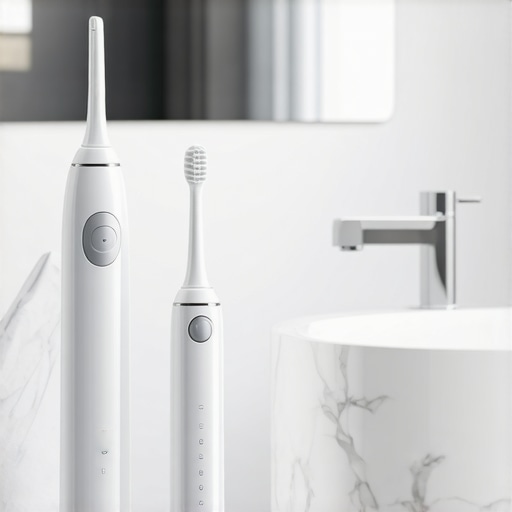
Looking ahead, I predict that within the next five years, we’ll move away from standard titanium and toward 3D-printed ceramic scaffolds that actually encourage bone regrowth. We’re already seeing how how dental implants reshape your oral health in 2025 through better material integration. If you want to stay ahead of the curve, my advanced tip is this: start using a pH-neutralizing mouth rinse after every meal, not just twice a day. It stops the acid cycle before it can etch your porcelain. If you’re ready to level up your maintenance or need a professional check-in, contact us today to schedule an evaluation.
My Hardest Lessons from the Dental Chair
Looking back, the biggest mistake I made was viewing my health in silos. My breath, my gut, and my teeth were all screaming the same message, but I was listening to them separately. First, I learned that ammonia breath isn’t just a hygiene failure; it’s a sign to balance my fuel. Second, I discovered that the most successful veneers transformation: unlocking your best smile yet doesn’t come from a bottle of bleach, but from professional artistry that mimics nature. Finally, I realized that modern dental implants 2025: innovations that redefine comfort and durability are a second chance at oral health, not a license to stop flossing.
The Gear That Saved My Own Smile
I don’t just recommend these tools to patients; I rely on them daily to protect my own dental work. My favorite is the Waterpik Ion because it reaches the deep margins where bacteria love to hide. I also swear by the Oral-B iO series for its ability to prevent aggressive scrubbing that leads to recession. If you’re worried about aesthetics, understanding why your veneers look too opaque and how to make them look natural can help you choose better materials next time. For long-term success, I follow these 3 secrets to making your porcelain veneers last twenty years, which prioritize mechanical care and regular professional cleanings.
#IMAGE_PLACEHOLDER_E#
Your New Chapter Starts With One Choice
You don’t have to live with the anxiety of a chemical scent or a smile that doesn’t feel like you. Whether you are adjusting your diet to fix metabolic odors or seeking a full renovation through family dentistry tips for a lifetime of healthy smiles, the goal is always the same: a healthy, confident you. Take these lessons and start your journey toward a fresher, brighter future today. Have you ever struggled with a persistent breath issue or felt like your dental work just didn’t fit right? Let me know in the comments below!