I remember sitting on my bathroom floor, gripping the edge of the sink while my teeth pulsed with a sharp, electric pain that felt like it was shooting straight into my brain. I had just tried one of those ‘extra strength’ whitening kits, thinking I could finally blast away the dullness that had bothered me for years. Instead, I felt like I’d stripped the literal life out of my smile. If you’ve ever looked in the mirror and felt frustrated because your teeth look yellow despite brushing three times a day, you aren’t alone—and you aren’t necessarily ‘dirty.’ Often, it’s just that your enamel is thin, letting the yellowish dentin underneath peek through. Today, I’m going to share how I finally managed to brighten my smile without ending up in a puddle of tears.
The Frustrating Cycle of Thin Enamel and Staining
Dealing with thin enamel feels like walking on eggshells. You want that Hollywood glow, but you know that whitening your teeth with sensitive enamel is a delicate dance. I made the massive mistake of thinking I could ‘scrub’ the stains away with abrasive charcoal powder. Big mistake. It acted like sandpaper, wearing down my protective layer even further. It is the same reason why teeth often look translucent at the edges when they lose their mineral density. We need a strategy that builds up while it brightens. Have you ever tried a whitening product only to regret it five minutes later due to the unbearable ‘zings’?
Will my teeth just crumble if I try to brighten them?
This is the fear I hear most often from neighbors and friends. We worry that by trying to improve our appearance, we’re actually causing permanent structural damage to our health. It’s a valid concern. According to the American Dental Association, over-whitening or using improper techniques can lead to increased porousness and even more staining in the long run. However, whitening doesn’t have to be a destructive process. By focusing on cosmetic dentistry secrets that prioritize remineralization, we can achieve results without the fear. We have to stop treating our teeth like a kitchen counter that needs bleaching and start treating them like the living tissue they are. I’ve learned that understanding the truth about drinking lemon water and your tooth enamel is just the first step in protecting what you have left. Before we dive into the specific products that actually work for us thin-enamel folks, let’s talk about why your current routine might be accidentally dissolving your smile.
Rebuild Your Shield Before You Try to Change the Color
Think of your enamel like the primer on a car. If the primer is chipped and thin, applying a high-gloss paint is only going to highlight the damage and cause the underlying metal to rust. When you have thin enamel, you have to prioritize remineralization. I spent years ignoring this, thinking my teeth were just ‘naturally yellow,’ but the truth was they were just hungry for minerals. Before you even think about a whitening strip, you need to flood your mouth with nano-hydroxyapatite or high-concentration fluoride. These minerals act like a microscopic patchwork, filling in the porous ‘valleys’ in your enamel. I remember three nights before my sister’s wedding; I was desperate for a brighter look but my teeth felt like they were vibrating from sensitivity to cold air. I spent forty-eight hours straight using a high-potency fluoride tray before I even touched a whitening agent. That buffer was the only reason I didn’t spend the reception hiding in the bathroom with a glass of lukewarm water. Incorporating family dentistry tips for a lifetime of healthy smiles into your daily routine—like using a non-abrasive toothpaste—is the foundational step that most people skip. 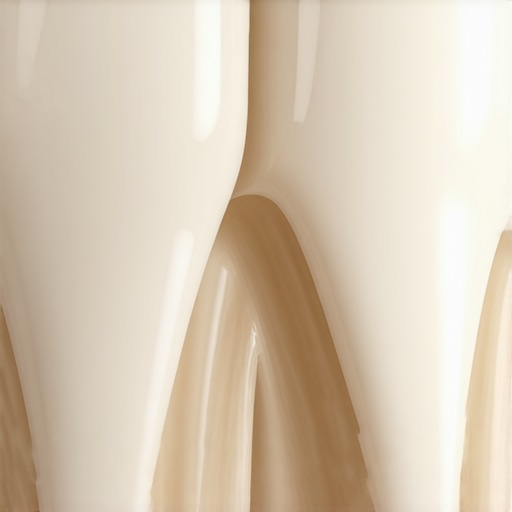
Pick Your Whitening Agent Like a Chemist
Not all whitening products are created equal, especially for those of us with ‘zings.’ Most over-the-counter kits use high concentrations of hydrogen peroxide, which is fast-acting but incredibly aggressive. If you are whitening your teeth with sensitive enamel, you should look for carbamide peroxide in lower percentages, around 10%. Carbamide peroxide breaks down more slowly than hydrogen peroxide, meaning it’s less likely to shock the nerve. It’s the difference between a controlled burn and a wildfire. During my own trial and error, I found that shorter, frequent sessions were far more effective than trying to leave a tray in for an hour. If you start feeling that electric pulse, stop immediately. You can’t ‘power through’ enamel sensitivity; you are literally feeling your nerves reacting to the dehydration of the tooth.
Apply Desensitizing Gels Like a Shield
Most people whiten and then wonder why they need to handle sensitivity after professional whitening or home treatments. The trick is to apply a potassium nitrate gel both before and after the whitening process. This compound works by calming the nerve endings inside the dentin. I’ve found that applying a desensitizing gel thirty minutes prior to whitening creates a chemical ‘mute button’ for the pain. It’s an essential part of the process when your teeth are naturally more porous.
When Whitening Simply Is Not the Best Path
Sometimes, no matter how careful you are, the enamel is just too thin to safely lighten. If your teeth are starting to look grey or translucent, it might be time to look at a veneers transformation instead of another round of bleach. Veneers act as a permanent, protective shell that doesn’t rely on your natural tooth density for its color. It’s the ultimate way to achieve that Hollywood look without the constant cycle of sensitivity and mineral loss.
I see it all the time in DIY dental communities: the idea that if a little peroxide is good, a lot must be better. We have this obsession with the ‘natural’ label, but that is often where the biggest mistakes happen. People assume that using a household hack like lemon juice or charcoal is ‘gentler’ than professional products, but they are actually nuking their pH balance. For example, the truth about using strawberry paste to whiten your teeth is that the malic acid can actually soften your enamel, making it easier to erode, not just clean. It is a classic ‘oops’ factor: you think you are being holistic, but you are actually stripping your protective shield. Have you ever fallen into this trap? Let me know in the comments.
Stop falling for the natural whitening trap
In my experience, the ‘contrarian’ truth is that a scientifically formulated 10% carbamide peroxide gel used under supervision is infinitely safer than a ‘natural’ abrasive scrub. A study published in the Journal of Evidence-Based Dental Practice confirms that low-concentration carbamide peroxide is the gold standard for reducing post-operative sensitivity while maintaining efficacy. When you use raw acids or gritty powders, you aren’t just removing stains; you are changing the texture of your teeth. Once that texture becomes rough, it actually traps more stains from your morning coffee, leading to a vicious cycle where you have to whiten more often just to stay even.
Why do my bottom teeth refuse to brighten like the top ones?
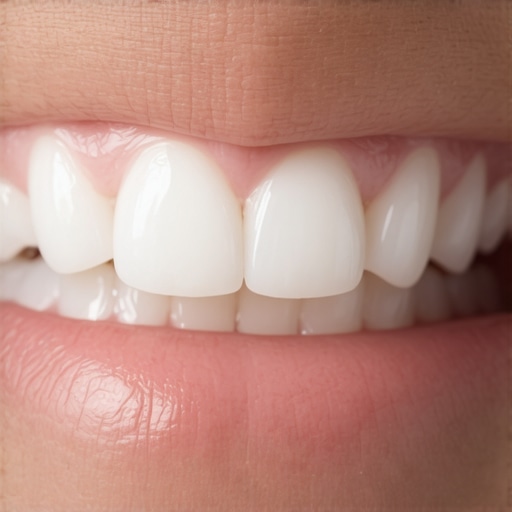
This is a sophisticated nuance many people miss. If you have noticed that why your professional whitening didn’t work on your bottom teeth, it usually isn’t because the product failed. The lower teeth often have less surface area and are subject to more saliva flow, which can dilute the whitening agent. Additionally, lower teeth frequently have thinner enamel naturally, meaning the darker dentin is just more visible. Trying to force them to match the top by increasing the chemical strength is a recipe for a ‘zing’ disaster. Instead of more bleach, this is where cosmetic dentistry secrets like conservative bonding or shifting the focus to gum health can make a bigger visual impact.
Look past the surface to see your gum health
We often focus so much on the color of the ’tile’ that we ignore the ‘grout.’ If you have old dental work, you might notice why your gums look black or purple near an old crown. This usually isn’t a staining issue but a structural one—either the metal margin of an old porcelain-fused-to-metal crown is showing, or the gum tissue is thinning. Whitening strips won’t fix this. In fact, if you have recession, whitening can be excruciating because the agent hits the exposed cementum of the root, which has no enamel protection. I’ve talked to people who were convinced they had a hygiene problem when they saw why your gums look receding even though you dont have gum disease, only to find out they were just over-brushing with whitening toothpaste. Sometimes, the best way to ‘brighten’ a smile isn’t bleach at all, but understanding how dental implants reshape your oral health in 2025 by providing a stable, aesthetic foundation that never stains or decays. Before you reach for that next tube of extra-strength white, ask yourself if you are trying to paint over a crumbling wall or if it is time to rebuild the structure itself.
I’ve realized over the years that keeping a bright smile isn’t just about the initial ‘wow’ factor—it is about the boring, daily insurance policy you choose to follow. If you’ve invested in a veneers transformation or had surgery, the tools you use at home are more important than the procedure itself. I stopped using standard drugstore floss years ago because it felt like I was trying to clean a luxury car with a wire brush. Instead, I switched to a high-pressure water flosser. But here is the secret: I only use it on the ‘pulse’ setting to avoid traumatizing the delicate tissue. If you aren’t careful, you might wonder why your gums bleed only when you use a water flosser, which usually indicates the pressure is too high or the angle is wrong. For those with restorative work, learning how to safely clean a dental implant without scratching the post is the difference between a lifetime of success and a costly failure.
The Tools That Actually Earn Their Spot in My Cabinet
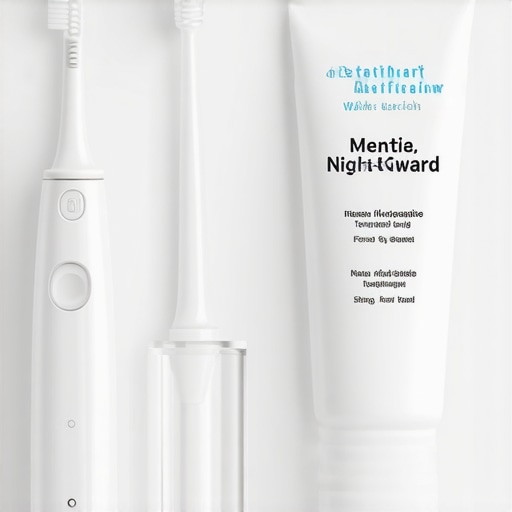
I am incredibly picky about what touches my enamel. I currently swear by a sonic toothbrush that features a pressure sensor. This is vital because ‘scrubbing’ is the enemy of longevity. If you have a bridge or more complex work, the trick to flossing around a bulky dental bridge or implant involves using a stiff-ended threader that can navigate the tight spaces without fraying. I also recently integrated a nano-hydroxyapatite serum. Unlike fluoride which creates a protective layer on top, this stuff actually integrates into the tooth structure. A study published in the Journal of Clinical Periodontology highlighted that maintenance of the peri-implant mucosa is significantly improved when patients use non-abrasive, specialized hygiene tools rather than standard metal-tipped picks. This is why I always tell people to ditch the toothpicks and invest in soft-touch interproximal brushes.
How do I maintain my bright smile over time?
Consistency is more important than intensity. To keep your results, you need to manage your ‘acid budget.’ I don’t give up my morning latte, but I always follow it with a quick water rinse to neutralize the pH. If you use a nightguard, make sure you are looking at how to remove the smell from your plastic night guard at home using non-corrosive cleaners, because a dirty guard can harbor bacteria that eat away at your gum line while you sleep. Maintenance is about preventing the ‘zings’ before they start by keeping your mineral levels high and your mechanical wear low.
What the Future of Smile Care Looks Like
Looking ahead, I predict we are moving away from ‘bleaching’ and toward ‘bio-regeneration.’ We are already seeing dental implants 2025 innovations that use 3D-printed bioactive surfaces to encourage bone growth faster than ever before. In the next few years, I expect to see smart toothbrushes that can analyze your saliva in real-time to tell you if you’re becoming too acidic. This high-tech approach to family dentistry tips for a lifetime of healthy smiles will make the ‘guessing game’ of oral health obsolete. For now, my best advice is to stop treating your teeth like tools and start treating them like jewels. If you’re ready to stop the cycle of sensitivity and start building a foundation that lasts, I highly recommend trying the potassium nitrate ‘pre-shielding’ method I mentioned earlier—it truly changed the game for me. Feel free to contact us if you want to chat about which specific tools might work for your unique dental map.
Hard-Won Truths from My Journey to a Pain-Free Glow
Looking back at that painful night on the bathroom floor, I realize I was trying to shortcut a process that requires patience. Here is what I’ve learned: white isn’t just a shade; it’s a reflection. If your enamel is rough or dehydrated, it will never have that healthy luster. I also learned that the ‘zing’ isn’t something to power through; it’s your body’s alarm system. Ignoring it only leads to long-term sensitivity. Most importantly, I realized that whitening your teeth with sensitive enamel is a marathon, not a sprint. If you take the time to remineralize first, the results actually last longer because the tooth surface is smoother and less prone to picking up new stains.
The Essentials I Trust for a Resilient Smile
I don’t gamble with my dental health anymore. My ‘holy grail’ list includes a nano-hydroxyapatite serum to keep my enamel dense and a sonic toothbrush with a pressure sensor to stop the ‘scrubbing’ habit. I also keep a 10% carbamide peroxide gel for very occasional touch-ups—it’s much gentler than the high-intensity strips found in drugstores. For those who feel their enamel is just too thin for any chemical lighteners, I always suggest exploring veneers vs crowns: choosing the best option for your smile to see if a physical restoration is a better fit. If you decide on a permanent change, make sure to follow expert tips for perfect results to keep that investment looking flawless for years.
Take the First Step Toward Your Confident Glow
You don’t have to choose between a bright smile and a comfortable one. By focusing on rebuilding your enamel first and choosing gentler, science-backed methods, you can finally stop hiding your teeth in photos. Your smile is a living part of you, not just an accessory, and it deserves to be treated with care. If you’re feeling overwhelmed by the options or want a professional opinion on whitening your teeth with sensitive enamel, please don’t hesitate to contact us. We are here to help you navigate your journey toward a healthy, radiant smile that you are proud to show off. Have you ever experienced that sharp ‘electric’ pain while whitening, and did it stop you from trying again? Let me know your story in the comments below!