I’ll never forget the sinking feeling in my gut when I looked over at the passenger seat and saw my six-year-old calmly chewing on his own face. It sounds like a horror movie, right? But if you’ve ever had a kid leave a dentist’s office with a numb mouth, you know exactly what I’m talking about. My son didn’t even realize he was doing it—he just liked the ‘squishy’ feeling of his frozen lip. By the time we got home, he looked like he’d gone three rounds in a boxing ring. I made the classic mistake of thinking a quick ‘don’t bite your lip’ warning was enough. Spoiler alert: it wasn’t. It’s one of those family dentistry tips I wish someone had hammered into my head before our first filling.
The Numb Lip Nightmare Is More Common Than You Think
When we head in for cosmetic dentistry or a simple cavity fix, we’re usually focused on the procedure itself. We worry about the drill or the bill, but rarely the car ride home. The reality is that local anesthesia can last anywhere from two to five hours, and for a curious toddler, that’s an eternity of “poking the bear.” They aren’t trying to be difficult. Their brain is just trying to make sense of a part of their body that feels like it’s missing. I’ve learned the hard way that you have to be their external nervous system for a little while. If you aren’t prepared, you might end up needing to know how to treat a cut on your tongue or cheek before the sun goes down.
Can you actually stop a determined toddler from biting?
You might be thinking that your child is too stubborn or too young to listen. I get it. I’ve been there, holding a piece of gauze like a shield while my daughter tried to “test” her frozen cheek. According to the American Academy of Pediatric Dentistry, soft tissue injuries are surprisingly frequent because kids simply lack the impulse control to ignore that weird, tingly sensation. It’s not about discipline; it’s about distraction and physical barriers. Have you ever had to play ‘lip police’ after a dental visit? It’s exhausting, but today we are going to look at the tricks that actually work—from the right snacks to the ‘magic’ cotton rolls. Knowing how to handle your child’s first dental emergency safely starts with preventing the ones you can see coming a mile away.
Create a Physical Barrier With Gauze
The most effective way to prevent a child from chewing on their cheek or lip is to physically block access. Think of this like putting a protective cover over a freshly restored tooth; you wouldn’t leave a veneers transformation unprotected if the patient was prone to grinding. In the same way, placing a folded piece of gauze or a cotton roll between the teeth and the numb area acts as a literal shield. I remember one specific car ride home with my son, Leo, where I turned his gauze into a ‘secret spy microphone.’ He had to keep it clamped between his teeth to ‘transmit signals,’ which effectively kept his teeth far away from his tingly lower lip. It was a messy, droolly thirty minutes, but it saved us from a week of swelling.
Stick to Liquid or Pureed Foods
Your child is going to be hungry after a long appointment, but the menu needs to be strictly controlled. Until the anesthesia wears off, chewing is the enemy. This is one of those essential family dentistry tips that sounds simple but is hard to enforce when they are begging for chicken nuggets. Opt for smoothies, yogurt, or lukewarm soup. If you are stuck on ideas, looking up the best snacks for kids who just had a cavity filled can give you a solid roadmap. Avoiding anything that requires a ‘grinding’ motion—much like how you’d treat a healing site for dental implants—is the safest bet to ensure they don’t accidentally clamp down on their own flesh. 
Use the Mirror to Explain the Sensation
Kids often bite because they think their lip is ‘gone’ or ‘huge.’ It’s a sensory mismatch. I found that if I sat my daughter in front of a mirror and let her touch her lip with her finger while looking at it, her brain started to connect the dots. I’d tell her, ‘See? It looks normal, it just feels like it’s sleeping.’ This visual confirmation reduces the urge to ‘test’ the lip with their teeth. If they do manage to get a quick nip in, you need to know how to treat a cut on your tongue or cheek immediately to prevent infection.
Maintain Constant Supervision
This isn’t the time to catch up on a podcast or run into the grocery store while they sit in the back seat. You need to be able to see their face. I’ve seen parents think their child is sleeping, only to realize they were actually sucking on their inner cheek the whole time. It requires about two hours of ‘hawk-eye’ parenting. It’s similar to how we monitor a patient after cosmetic dentistry; the first few hours of recovery dictate the success of the outcome. If you stay vigilant, you won’t have to worry about how to handle your child’s first dental emergency safely because you’ve successfully bypassed the danger zone.While we are talking about preventing accidents like the ‘numb lip nightmare,’ let’s pivot to the bigger picture of restorative and aesthetic work. A common misconception I see is the ‘set and forget’ mentality. Many patients believe that once they invest in a veneers transformation, their work is done forever. But here is the contrarian truth: the longevity of your smile has less to do with the porcelain and more to do with the biological foundation. If you ignore your gum health, even the most expensive cosmetic dentistry secrets won’t save you from a failing restoration.
Does your bone density actually support a lifelong implant?
One of the most critical nuances often glossed over in marketing is the structural integrity of the jaw. If you’ve been missing a tooth for years, you might face the truth about getting dental implants if you have existing bone loss. It’s not just about screwing in a new tooth; it’s about whether your body will accept the hardware. According to a study published in the Journal of Clinical Medicine, long-term success for dental implants in 2025 is heavily reliant on the quality of osseointegration, which can be compromised by systemic health factors or age. Sometimes, this means the reason your dental implant surgery requires a bone graft is simply non-negotiable for a permanent result. 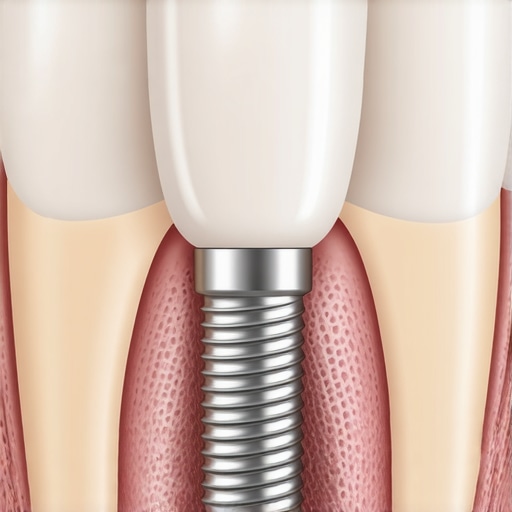
Don’t fall for the Hollywood white trap
A massive ‘oops’ factor I see frequently is when patients push for a shade of white that simply does not exist in nature. This is the mistake that makes your teeth look too white and fake. Natural teeth have a degree of translucency at the edges where the light passes through. When you demand a solid, opaque block of bright white, you end up wondering why your porcelain veneers look opaque and not natural. Real expertise lies in choosing a shade that complements your skin tone and the whites of your eyes, rather than just picking the brightest tab on the dentist’s chart. When deciding between veneers vs crowns, always prioritize the health of the remaining tooth structure over the immediate ‘wow’ factor of the color. Have you ever fallen into the ‘too white’ trap or felt rushed through a consultation? Let me know in the comments.Once you’ve navigated the initial shock of the ‘numb lip’ and the high-stakes decisions of a veneers transformation, the real work begins: the maintenance phase. I’ve seen patients spend thousands on a perfect smile only to treat it like a ‘set it and forget it’ appliance. That is a recipe for disaster. To keep things working, I personally swear by the Waterpik Aquarius Professional. I don’t just use it because it’s popular; I use it because its 10 pressure settings allow for a surgical level of precision around the base of my dental work. For those with dental implants in 2025, a water flosser isn’t a luxury—it’s a necessity to prevent peri-implantitis, an inflammatory condition that can lead to bone loss. 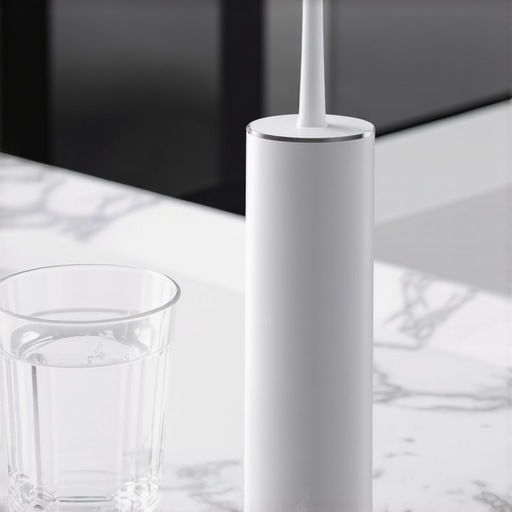
How do you keep your new smile from failing?
It starts with the right technique for your specific hardware. If you have a permanent bridge or a permanent retainer, you know the struggle of threading traditional floss. I recommend the ‘Platypus’ flosser for people with braces or the ‘Super Floss’ by Oral-B for bridges. These aren’t just generic tools; they are designed to reach the crevices where bacteria hide. In fact, a study in the Journal of Clinical Periodontology found that interproximal brushes are often more effective than string floss for patients with larger gaps or dental restorations. If you want expert tips for perfect results, you must master the ‘C-shape’ flossing motion, even when using specialized tools. Don’t forget that your nighttime routine is equally vital; learning how to clean your night guard without damaging the material is the difference between a fresh mouth and a bacterial breeding ground. Looking ahead, I predict that by 2030, we will have ‘Smart Sensors’ embedded directly into high-end restorations that can alert your smartphone the second your gum tissue shows signs of inflammation. This level of future dental implant technology will change how we view preventive care entirely. Until then, my best advice is to be proactive. Tonight, try this: set a timer for a full three minutes and focus exclusively on the gum line where your restoration meets your natural tissue. That’s where the magic (or the trouble) happens.
The Lessons I Learned the Hard Way in the Dentist’s Chair
Over years of navigating both pediatric appointments and my own journey with cosmetic dentistry, I’ve realized that the most important part of any procedure happens after you leave the office. First, silence isn’t always golden; if your child is too quiet after a filling, check their cheeks immediately. Second, high-end work like a veneers transformation requires a lifestyle shift, not just a one-time payment. Third, your gum health is the ‘landlord’ of your teeth; if the gums aren’t happy, the teeth won’t stay. Finally, don’t ignore the real reason your child is afraid of the dental chair—fear often stems from the unknown, so over-explaining is better than under-explaining.
My Go-To Tools for a Maintenance-Free Mouth
I don’t believe in generic advice. To maintain the success of dental implants in 2025 or even a simple bridge, you need the right gear. I personally rely on Super Floss by Oral-B because the stiffened end makes it easy to slide under restorations without fraying. For those dealing with tight spaces, the secret to flossing comfortably with a permanent retainer often lies in using a dedicated threader. Lastly, I suggest keeping a ‘dental emergency kit’ in your car with gauze, saltwater packets, and a small mirror—it’s saved my son’s lip more than once.
#IMAGE_PLACE_HOLDER_E#
Ready to Build Your Forever Smile?
Whether you are managing your toddler’s first cavity or looking into the future of dental implants, remember that you are the primary advocate for your oral health. Taking these small, proactive steps today ensures that your investment in family dentistry lasts for decades rather than just months. Your smile is a reflection of your consistency, and it’s never too late to start a better routine. Have you ever had a dental procedure catch you off guard during the recovery phase? Let me know below.