I remember standing in front of my bathroom mirror three years ago, staring at the edges of my front teeth. They looked different—almost like frosted glass. I was in the middle of my wellness phase, drinking a giant mug of warm lemon water every single morning to alkalize my body. I felt great, but my smile was literally disappearing. If you have noticed why your child’s permanent teeth look translucent at the edges, you might be making the same mistake I was, even as an adult. I thought I was being healthy, but I was actually bathing my enamel in acid. Today, I want to share the hard lessons I learned so you do not end up needing a major overhaul from family dentistry experts just to fix a morning habit. We are going to look at how to balance your health goals with dental reality without sacrificing your ritual entirely.
Stop Brushing Right After Your Morning Lemon Water
For months, I made the absolute worst mistake possible: I brushed my teeth immediately after finishing my lemon water. I thought I was cleaning the acid off. In reality, I was using my toothbrush to scrub the softened enamel right off my teeth. It is a classic error that leads to the kind of sensitivity that makes you wince at a cold breeze. According to the American Dental Association, acidic foods and drinks can soften the tooth structure, and brushing within 60 minutes of consumption can cause significant wear. I was basically sanding down my own smile every morning. Have you ever felt that sharp, sudden zing of pain after your morning drink?
Is lemon water actually worth the hype if it damages my smile?
Many people worry that they have to choose between their gut health and their teeth. It is a valid fear. You see the influencers with perfect white smiles, but you do not see the struggle to whiten sensitive enamel that often follows these acidic habits. The truth is, you can have both, but you need a strategy that does not involve constant acid exposure. If you are not careful, you might find yourself looking into veneers to restore your smile before you hit forty. Let us dive into why the pH of your mouth is the real boss of your dental health and how you can protect it.
Use a Straw to Bypass Your Enamel Entirely
Drinking lemon water is essentially like pouring rain on a limestone statue; over time, the sharp details simply wash away. To keep your teeth from dissolving, you need to change how the liquid enters your mouth. By using a straw and positioning it toward the back of your tongue, you allow the acidic water to bypass the front surfaces of your teeth. I remember the first time I tried this with a reusable metal straw while driving to work. I hit a massive pothole, splashed lemon water all over my shirt, and felt like a complete failure. However, when I went in for my six-month checkup, my dentist noted that the thinning on my incisors had finally stabilized. It was a messy start, but the physical barrier worked. This simple shift is a foundational part of family dentistry best practices for anyone with a high-acid diet.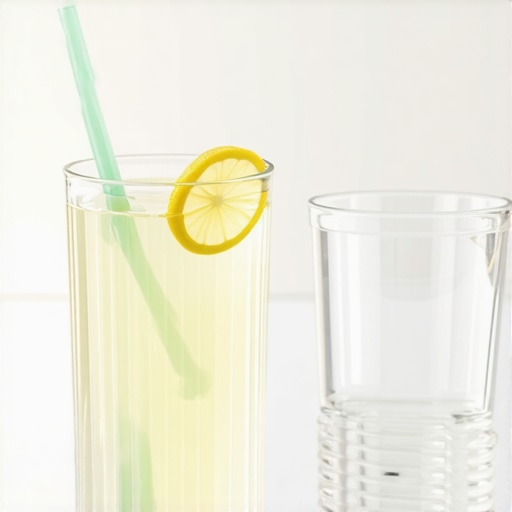
Rinse with Plain Water Right Away
The moment you finish that lemon water, your mouth’s pH drops into the danger zone. Instead of letting that acid linger, you need to neutralize it immediately. Swish with plain, filtered water or even a pinch of baking soda dissolved in water to act as a fire extinguisher for the acid. If you let the acid sit, you may eventually notice the reason your teeth look shorter as you get older is that the softened edges are being worn down by your own saliva and tongue movement. Rinsing is the fastest way to bring your mouth back to a neutral state before any permanent damage occurs.
Wait for Your Saliva to Do the Heavy Lifting
Saliva is your body’s natural defense mechanism, filled with minerals like calcium and phosphate that help rebuild what the acid softened. You must give your saliva at least 30 to 60 minutes to work its magic before you introduce a toothbrush. If you jump the gun, you are effectively scrubbing away the very minerals your body is trying to put back. I’ve seen people transition from this stage to needing a transform your smile with veneers consultation simply because they were too aggressive with their hygiene. Patience is literally the best tool in your cabinet.
Pick a Toothpaste That Actually Rebuilds
Not all toothpastes are created equal when your enamel is under siege. While many people gravitate toward holistic options, you have to be careful; why your teeth feel sensitive when you switch to a natural toothpaste is often because those formulas lack the remineralizing agents necessary to harden acid-softened enamel. Look for ingredients like stannous fluoride or hydroxyapatite. These are the building blocks that fill in the microscopic craters left by your morning drink. If you are already dealing with a translucent look, you might also need to learn how to whiten your teeth if you have very sensitive enamel, as standard whitening strips can be agonizing on compromised teeth. Understanding the difference between veneers vs crowns is also helpful if the damage has progressed to a point where the tooth structure is structurally weak. Using the right paste is one of the many cosmetic dentistry secrets to boost your confidence by keeping your natural teeth strong and bright.Many people believe that once they invest in porcelain, their dental worries are over. It is a common myth in the world of cosmetic dentistry that synthetic materials are invincible. In my experience, the opposite is true: once you have restorations, your hygiene habits need to be even more precise. If you are still bathing your mouth in acid and then rushing to brush, you are not just hurting your enamel; you are risking the integrity of the bond holding your smile together. A study in the Journal of Prosthetic Dentistry notes that acidic environments can actually lead to the degradation of the luting cements used for veneers, potentially causing ‘leakage’ where bacteria can sneak in behind the porcelain. This is the ‘trap’ no one warns you about until it is too late. Have you ever fallen into this trap where you thought a dental fix meant you could relax on your home care? Let me know in the comments. 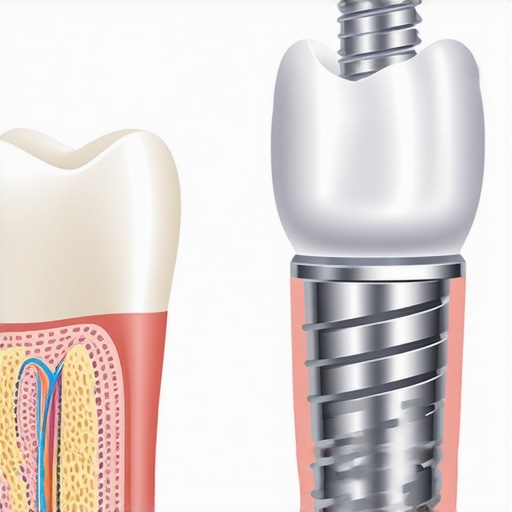
Avoid the Piano Key Disaster with Better Planning
When it comes to a veneers transformation, the biggest mistake I see is the ‘one-size-fits-all’ approach. If you do not account for your face shape and natural tooth length, you end up with the mistake that makes porcelain veneers look like piano keys—unnaturally white, flat, and square. Real artistry in family dentistry involves mimicking the subtle translucency and variations of natural teeth. If you are debating veneers vs crowns, remember that crowns offer more protection but require more tooth removal, which is a high price to pay if your acid habit is what caused the damage in the first place.
Why does my dental implant crown feel tighter than my natural teeth?
Advanced patients often notice a strange sensation after their procedure. Natural teeth are suspended by a periodontal ligament—a tiny shock absorber that lets the tooth move slightly. Implants, however, are fused directly to the bone. This is why the reason your dental implant crown feels tighter than the others is actually a sign of successful integration, but it also means you lack the ‘sensory feedback’ that tells you if you are biting too hard. Innovations like dental implants 2025 are focusing on making these replacements feel more organic, but you still need to be mindful of your bite force.
The Bone Loss Nuance You Need to Know
When you lose a tooth, your jawbone starts to shrink because it no longer has a root to support. While how dental implants reshape your oral health is mostly positive, many people fail to realize that the gum health around an implant is even more fragile than around a natural tooth. Without the same blood supply a natural tooth enjoys, infection can spread faster. This is why regular checkups are non-negotiable. If you are considering this path, make sure you understand how to tell if your dental implant is healing at the right speed to avoid early failure. Your morning lemon water might seem like a small thing, but your dental health is a complex ecosystem where every choice—even the healthy ones—has a ripple effect.
The Specific Tools That Saved My Smile from a Second Round of Surgery
When I first invested in my smile, I thought the hard part was over. I quickly realized that the tools I used for my natural teeth were too aggressive for my new porcelain. Now, I swear by a high-end sonic toothbrush with a pressure sensor. This is not just a luxury; it is a necessity to prevent the kind of recession that makes people ask why your gums are receding even though you use a soft toothbrush. If you press too hard, you are not just cleaning; you are sanding down the delicate gum line where your veneer meets your tooth. I also integrated a water flosser into my nightly routine, but I learned the hard way that the highest setting is a mistake. I actually had to look up why your gums bleed only when you use a water flosser because I was literally power-washing my gingival tissue off the bone. Now, I keep it on a mid-range setting, focusing on the spaces between my restorations to ensure no biofilm settles into the margins. 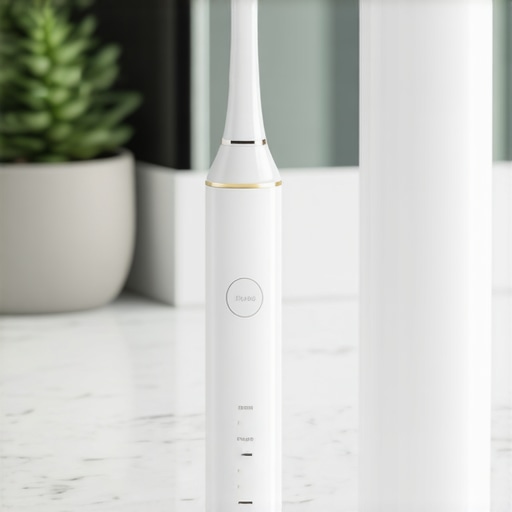
How do I maintain my dental work over time?
The secret to longevity is consistency and specialized care. For those of us with implants, you cannot just scrub away like you used to. A technical report by the International Journal of Oral & Maxillofacial Implants emphasizes that ‘peri-implant health is highly dependent on the removal of biofilm without damaging the titanium surface.’ This means you need to know how to safely clean a dental implant without scratching the post. I personally use plastic-coated interdental brushes instead of metal ones to avoid any microscopic abrasions that could harbor bacteria. This level of detail is what separates a five-year restoration from a thirty-year one. It is all about protecting the foundation, which is why family dentistry experts always nag us about the basics. If you are still in the recovery phase, keep a close eye on how to tell if your dental implant is healing at the right speed before you start scaling up your hygiene intensity.
Smart Brushes and AI Monitoring Are the Future
I predict that within the next five years, we will stop guessing if our hygiene is working. We are already seeing the rise of smart toothbrushes that sync with apps to show you exactly where you missed a spot. In the realm of the future of dental implants, we might even see embedded sensors that alert your dentist to early signs of inflammation before you even feel it. This shift from reactive to proactive care is one of the biggest cosmetic dentistry secrets to boost your confidence because it removes the ‘what-if’ anxiety. If you want to stay ahead of the curve, I highly recommend switching to a brush that tracks your coverage. Give it a try for just one week; you will be shocked at the areas you have been neglecting for years.
Lessons That Changed My Perspective on Daily Care
Looking back on my journey from thinning enamel to a restored smile, I have realized that dental health is not about being perfect; it is about being informed. First, I learned that transparency at the tips of your teeth is a distress signal, not just an aesthetic quirk. If you ignore it, you may eventually need to decide between veneers vs crowns to regain that lost structure. Second, I discovered that even the best restorations require a lifetime of maintenance. Whether you are looking into the future of dental implants or just keeping your natural teeth, the rules of acid exposure remain the same. Finally, I realized that your dentist is your greatest ally in identifying why your gums look receding even if you have good hygiene before the damage becomes irreversible. These ‘lightbulb moments’ shifted my focus from quick fixes to long-term preservation.
The Gear That Keeps My Smile Intact
To maintain the results of a veneers transformation or to protect your natural enamel, you need more than just a standard toothbrush. I trust a high-quality glass straw for my morning lemon water to keep the acid away from my teeth entirely. I also swear by remineralizing toothpastes that contain hydroxyapatite, which mimics the natural minerals in our teeth. For those who have invested in their smile, understanding how dental implants reshape your oral health includes using the right interdental brushes that won’t scratch the metal or porcelain surfaces. These specific tools have been the bridge between a fragile smile and one that feels truly durable.
Your Path to a Lifetime of Healthy Smiles
It is never too late to change your habits and start prioritizing the health of your enamel. While the journey might involve some trial and error, the confidence that comes with a strong, healthy smile is worth every adjustment. Remember that family dentistry is not just about checkups; it is about building a foundation for your future self. By implementing these small shifts today, you are ensuring that your smile remains bright, functional, and beautiful for decades to come. Don’t let a morning ritual stand in the way of your oral health. Have you ever noticed your teeth feeling extra sensitive after a healthy drink? Let me know your experience in the comments below!