It happened right in the middle of a dinner party—a sudden, sickening click when I bit into a sourdough roll. I knew that feeling immediately. My dental bridge, the one I’d relied on for years, was suddenly playing a game of seesaw in my mouth. Panic is usually the first guest at that party, isn’t it? You start wondering if you’re going to accidentally swallow it in your sleep or if you’ll be stuck with a gap during your big presentation on Monday. I have been there, and I know exactly how much it rattles your confidence. Today, I am going to walk you through the immediate steps to take so you can breathe easy until you get into the dentist’s chair. We are going to solve the mystery of why it’s wiggling and, more importantly, how to keep it stable without doing something you will regret later. [IMAGE_PLACEHOLDER]
Stop Touching It and Read This First
My biggest mistake early on was ‘testing’ the looseness with my tongue every five minutes. It’s a natural instinct, like poking a bruise, but for a dental bridge, it’s a recipe for disaster. Constant movement can irritate the abutment teeth or, worse, cause the bridge to snap. If you’ve noticed the hidden reason your dental bridge feels loose during meals is usually a breakdown in the dental cement, you need to treat it like a fragile antique. According to the American College of Prosthodontists, even a slightly loose restoration can trap bacteria underneath, leading to rapid decay of the underlying structure. That is why we act fast, but we act carefully. Have you ever felt that sudden drop in your stomach when a crown or bridge starts to shift?
Is my bridge actually going to fall out today?
The short answer is: maybe, but we can prevent it. If the bridge is just ‘floating’ but still attached, your job is to avoid chewing on that side entirely. If it does come out, you need to know how to properly store a dental bridge if it falls out at home to ensure your dentist can actually recement it. I once made the rookie error of trying to use a tiny dot of hardware-store superglue to fix a loose crown. Let me tell you, that was a nightmare. The chemicals are toxic, and the bond is so permanent that my dentist almost had to cut the whole thing off. Stick to the family dentistry tips that professionals actually recommend, like using temporary dental adhesive from a drugstore. It’s about buying time, not performing DIY surgery. We are going to set the stage for a stress-free dental visit by keeping everything clean and stationary right now.
Turn Your Local Drugstore Into a Mini Dental Lab
To get through the next 48 hours, you need a temporary fix that won’t compromise your dentist’s ability to actually help you. I remember standing in the dental aisle of a 24-hour pharmacy at midnight, staring at the tiny tubes of ‘temporary cement’ and feeling like I was trying to defuse a bomb. The trick is simple: you want a zinc-oxide-based temporary adhesive. Before you apply it, gently clean the inside of the bridge and the top of your natural teeth with a soft toothbrush. If the bridge is totally out, dry the area thoroughly—saliva is the enemy of a good bond. Apply a tiny amount of the cement to the bridge, press it firmly into place, and bite down gently to ensure it’s seated correctly. This is essentially the same logic you’d use to learn how to stop your temporary crown from falling off before your next visit. It’s a bandage, not a cure, so treat it with the same respect you’d give a house made of cards. 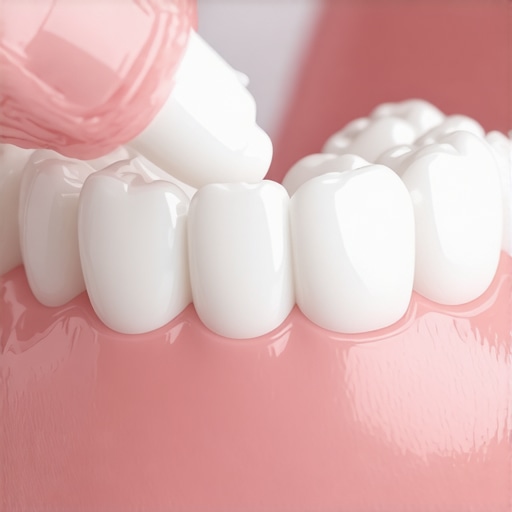
Keep the Bacteria at Bay Without Over-Scrubbing
Once you’ve stabilized the bridge, the temptation to ignore it until your appointment is high, but that’s how infections start. A loose bridge is like a loose floorboard; moisture and debris love to crawl underneath it. You need to keep the area pristine, but avoid the heavy-duty scrubbing that could dislodge your temporary fix. Use an alcohol-free mouthwash or a warm salt-water rinse twice a day. Whatever you do, resist the urge to dig out trapped food with anything sharp. I’ve seen people reach for toothpicks or even sewing needles, but the danger of using a safety pin to remove food from your gums cannot be overstated—you’ll end up with a bacterial infection on top of a loose bridge. Instead, use a soft-bristle brush or a specialized interdental cleaner. If you feel any pressure, stop immediately.
When Your Bridge Needs a More Permanent Replacement
Sometimes, a loose bridge is a sign that the underlying teeth have changed or the structure itself has reached its expiration date. If you find that the ‘wiggle’ isn’t just the bridge but the anchor itself, you might be dealing with a different set of issues. For those who have progressed to advanced restorations, understanding why your dental implant crown feels like it is wiggling can help you distinguish between a simple cement failure and a structural problem with the post. If your bridge is beyond repair, don’t spiral into a worry about dentures just yet. The field of dental implants in 2025 features innovations that redefine comfort and durability. I once had a bridge that felt like a bulky, foreign object every time I talked; switching to a modern implant felt like finally getting a shoe that actually fit. The goal is to get you back to a place where you don’t have to think about your teeth every time you take a bite of a sourdough roll.It is a common belief that once you invest in cosmetic dentistry, the hard part is over. I see this all the time—people think high-end porcelain is indestructible. But here is the contrarian truth: your restoration is only as strong as the biological foundation it sits on. Everyone says ‘brush and floss,’ but in my experience, the real trap is ignoring the ‘biological width’—the specific distance between your restoration and your jawbone. If a dentist ignores this, you’ll find that why your gums look receding even if you have good hygiene becomes your daily reality. Citing a study from the American Academy of Cosmetic Dentistry (AACD), the failure rate of veneers often stems not from the material itself, but from improper edge placement that irritates the soft tissue. Let’s talk about the ‘piano key’ look. You’ve seen it—blindingly white, perfectly straight, and totally unnatural. The secret to avoiding the mistake that makes porcelain veneers look like piano keys is insisting on translucency at the edges. Natural teeth aren’t solid blocks of white; they are layered. If your dentist isn’t talking to you about ‘incisal translucency,’ you might be headed for a result that looks like a row of Chiclets. 
Why does my dental implant feel different when the weather changes?
This is one of those ‘sophisticated’ questions that catches people off guard. It sounds like an old wives’ tale, but there is some science here. While the titanium post doesn’t have nerves, the surrounding bone and tissue do. Some patients report that why your dental implant feels different when it rains is due to pressure changes affecting the dense bone-to-metal interface. It’s a nuance that many general practitioners gloss over, but it’s a real sensation. The ‘Oops’ factor often happens right after the honeymoon phase of your new smile. You stop being careful. You think, ‘It’s porcelain, it won’t stain.’ Then you realize the secret to getting red wine stains off your veneers is actually about prevention, because while the porcelain won’t stain, the cement at the edges certainly will. If you’ve invested in dental implants in 2025, you need to treat them with more respect than your original teeth. Have you ever fallen into this trap of thinking your dental work was invincible? Let me know in the comments. When you’re looking at veneers vs crowns, remember that it’s not just about the look; it’s about how much tooth structure you’re willing to sacrifice. A common mistake is choosing a crown for a cosmetic fix when a veneer would have preserved more of your natural enamel. Always push for the most conservative option first. If you’re ready to get serious about a permanent fix, you can always contact us to discuss your specific case.I used to think my nightguard was just an expensive piece of plastic, but after seeing a microscopic crack in a two-thousand-dollar crown, I changed my tune. If you find that why your crown feels tight after you haven’t worn your nightguard is a frequent morning sensation, you are literally crushing your investment. I personally use a hard-acrylic custom guard because the soft ‘boil and bite’ ones can actually encourage your jaw to chew more during sleep, leading to muscle fatigue.
Can I keep my dental implants for thirty years?
The answer isn’t just brushing more; it is brushing smarter. I am a huge advocate for specialized interdental brushes—the ones with plastic-coated wires. If you use a metal-core brush, you risk scratching the titanium abutment, which creates a microscopic ‘hotel’ for bacteria. This is why learning how to safely clean a dental implant without scratching the post is non-negotiable for long-term health. Also, be careful with water flossers. While they are great for removing debris, I have noticed why your gums bleed only when you use a water flosser is often due to people using the ‘jet’ setting directly on the delicate gum seal. You want a gentle sweep, not a power wash that could potentially detach the soft tissue from the implant. 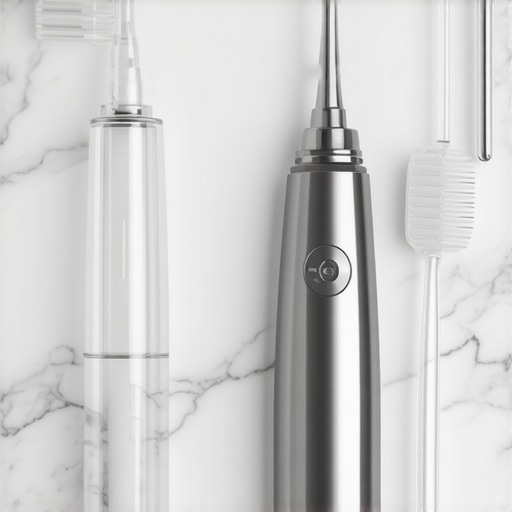 When we talk about the longevity of these structures, we are not just guessing. Dental engineers use the ISO 14801 standard to simulate years of chewing forces on implant bodies before they ever reach a patient. This technical rigor is the reason how dental implants reshape your oral health in 2025 is so vastly different from the technology we had even a decade ago. I predict that within five years, we will see ‘smart’ retainers that track tooth movement and bruxism via embedded micro-sensors. We are already seeing this shift as the future of dental implants cutting-edge techniques in cosmetic dentistry begins to focus on biological integration rather than just mechanical stability. If you want to maximize the lifespan of your new look, take my advice and switch your mouthwash to a pH-neutral, non-staining formula like CloSYS today. Most drugstore brands are far too acidic for the delicate glaze on your veneers transformation and can lead to premature dulling.
Lessons from the Chair That Your Insurance Won’t Tell You
After years of managing dental work, I’ve realized that the ‘set it and forget it’ mentality is a trap. One major lightbulb moment was discovering that why your gums look receding even if you have good hygiene often links back to how a bridge is fitted against the soft tissue. If the fit is off, bacteria move in long before you feel a wiggle. Another hard lesson? Don’t wait for pain. A loose bridge that doesn’t hurt is actually more dangerous because it acts like a pump, forcing food particles deep into the tooth structure every time you bite down. Lastly, remember that your smile is a dynamic system; as you age, the bone changes, and even the best veneers transformation or bridge will eventually need a check-up to ensure the bite is still balanced.
#IMAGE_PLACEHOLDER_FINAL#
My Pro-Grade Kit for Keeping a Smile Steady
To manage the ‘in-between’ times before you can contact us for a professional fix, I rely on a few specific tools. First, always keep a high-quality temporary dental cement on hand—look for zinc-oxide formulas which are gentle on the tooth. For cleaning, I swear by interdental brushes with plastic-coated wires to avoid the trauma of how to safely clean a dental implant without scratching the post or your bridge abutments. I also recommend a pH-neutral mouthwash like CloSYS to prevent the acidic breakdown of dental glazes. Finally, if you’re a night-time clencher, a custom-fitted hard acrylic guard is the only way to prevent why your crown feels tight after you haven’t worn your nightguard and potentially snapping your bridge.
Step Out of the Panic Toward a Permanent Fix
Dealing with a loose dental bridge is stressful, but it’s also an opportunity to upgrade to something more reliable. Whether you are weighing veneers vs crowns or looking into how how dental implants reshape your oral health in 2025, the technology has never been better. You don’t have to live in fear of the next ‘click’ or ‘wiggle.’ Take that first step, get the professional assessment, and get back to enjoying your favorite meals with total confidence. Have you ever had a dental emergency happen at the worst possible time—like during a holiday or a big meeting? Let me know your survival stories below.