I remember sitting at my kitchen table, nursing a lukewarm coffee and a heating pad, when I felt it. A tiny, terrifying ‘click’ in my front tooth. I pushed it with my tongue, and it moved. Just a fraction, but it moved. My heart sank. Was I losing my teeth? I spent the next hour in a Google spiral, convinced I had some rare bone-wasting disease. I even considered if I needed to look into how dental implants reshape your oral health before I’d even hit thirty. I made the classic mistake of rushing into an emergency appointment, only for my dentist to gently ask, ‘Is it that time of the month?’ It felt like a bizarre question, but it changed everything I knew about my dental health. Today, we are going to solve the mystery of that ‘period wiggle’ and give you a game plan so you do not panic like I did.
Your Hormones Are Messing With Your Jaw
It sounds like science fiction, but the connection between your cycle and your smile is incredibly strong. When your progesterone levels spike during the luteal phase, your body’s inflammatory response goes into overdrive. This can cause the periodontal ligaments—those tiny fibers that act as shock absorbers for your teeth—to loosen up just a bit. It’s a temporary physiological shift, not a permanent structural failure. It’s surprisingly similar to how to tell if your bleeding gums are a sign of pregnancy gingivitis, where the same hormones cause gum sensitivity and swelling. According to the American Academy of Periodontology, these hormonal surges can make your gums more susceptible to irritation from plaque, leading to ‘menstrual gingivitis.’ Have you ever noticed your teeth feeling slightly ‘off’ or sensitive right before your cycle hits? [IMAGE_PLACEHOLDER]
Is This Actually Permanent Damage?
I know the fear. You think you’re going to wake up and find a tooth on your pillow. But unless you have underlying gum disease, this looseness is usually transient. It’s easy to confuse this hormonal shift with other issues, like why your tooth feels loose after a hard hit during sports or even the sensation of orthodontic treatment moving too fast. The key difference is that period-related looseness should vanish once your flow begins and your hormone levels drop. If you’re worried, it is always better to consult a professional through family dentistry to ensure your foundations are solid. We are going to dive into the specific steps you can take to minimize this discomfort and keep your smile stable through every phase of the month.
Double Down on Your Cleaning Routine
It sounds counterintuitive to brush more when your gums feel tender, but this is the most critical step. When your progesterone levels climb, your gums essentially become hyper-sensitive to the bacteria in your mouth. Think of it like this: normally, your gums can handle a little bit of plaque without a fuss. During your period, that same amount of plaque causes a massive overreaction, leading to the swelling that makes your teeth feel mobile. I remember one specific Tuesday where I was so convinced my front tooth was falling out that I avoided brushing that area entirely. By the next morning, my gums were a deep, angry red. I had accidentally created a cycle of inflammation because I was too scared to clean. If you notice why your teeth feel fuzzy only hours after cleaning them, that is your cue to be extra diligent. Use a soft-bristled brush and gentle, circular motions. You aren’t trying to scrub the floor; you are massaging the tissue.
Soothe the Inflammation Early
If the ‘wiggle’ is accompanied by throbbing, a simple warm saltwater rinse can do wonders. It’s an old-school remedy for a reason—it draws out excess fluid from the gum tissues, reducing the pressure on those periodontal ligaments. This is a temporary fix, much like how to soothe your gums after a deep cleaning session. If you find that your mouth feels parched or uncomfortable during this time, you might also be wondering why your mouth feels sticky even after drinking plenty of water; hormonal shifts can actually decrease saliva flow, making it even harder for your mouth to naturally wash away acids. 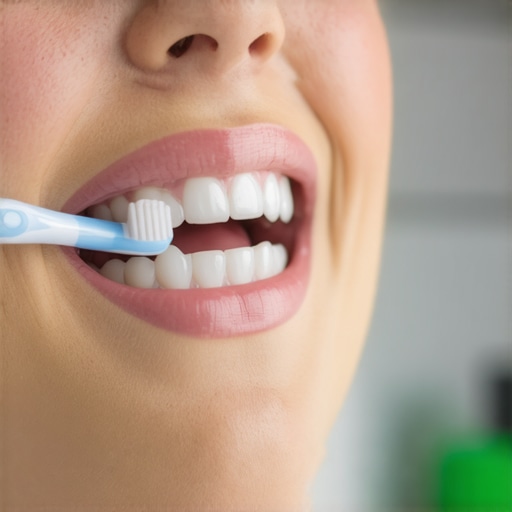
Stop the Tongue-Testing Habit
The hardest part of dealing with a loose-feeling tooth is the urge to check it. We do it unconsciously—a little push with the tongue, a light wiggle with a finger to see if it’s still ‘there.’ Stop. Every time you push that tooth, you are putting mechanical stress on a ligament that is already in a weakened state. You wouldn’t walk on a sprained ankle just to see if it still hurts, right? Your tooth is the same. Treat it like a healing injury. I once spent an entire four-hour flight obsessively checking a loose canine with my tongue. By the time we landed, the tooth actually *was* sore because I had irritated the nerve.
Distinguish Hormone Shifts from Real Hardware Issues
It is vital to know when this sensation is a cycle-related quirk and when it is a structural problem. If you have had restorative work done, you might worry that your investment is failing. However, the feeling of a natural tooth shifting due to hormones is quite different from why your dental implant crown feels like it is wiggling. Natural teeth have a ligament that can swell; dental implants do not. If an implant feels loose, that’s a mechanical issue with the screw or the bone, not a hormonal one. Similarly, if you are in the middle of alignment, you should be checking how to tell if your orthodontic treatment is working, as some movement is expected there. For those of us with natural teeth, the goal is to maintain the foundation through family dentistry checkups so that when these hormonal waves hit, our bone density is strong enough to keep everything in place.
I’ve seen so many people walk into a clinic demanding the brightest shade of white, thinking that’s the peak of cosmetic dentistry. But here is the hard truth: real expertise isn’t about how white you can go; it’s about how much light your teeth can catch. The biggest trap I see people fall into is the mistake that makes porcelain veneers look like piano keys—ignoring translucency. If your teeth don’t have that slight natural transparency at the edges, they look like plastic chiclets. A study in the Journal of Prosthodontic Research highlights that the most successful aesthetic outcomes are those that mimic the optical properties of natural dentin and enamel, not just those that are the ‘whitest.’ Have you ever seen a smile that looked just a little too ‘perfect’ to be real? Let me know in the comments.
Beyond the Porcelain Surface
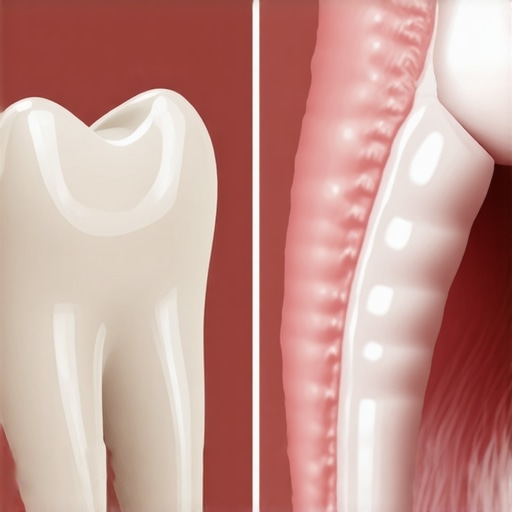
Most patients think once the veneers are on, the job is done. This is where the ‘oops’ factor kicks in. If your dentist doesn’t account for your specific bite or the way your lips move, you might find yourself wondering why your new veneers feel bulky against your lips. It is a delicate balance of biology and art. True mastery in family dentistry involves preparing the tooth in a way that preserves the structural integrity while allowing for a seamless transition at the gum line. If that transition isn’t perfect, you’re just creating a shelf for bacteria, which leads right back to the inflammation we discussed earlier. Have you ever fallen into the trap of choosing a shade without seeing it in natural sunlight? It’s a mistake you’ll only make once.
Why Does Your New Smile Feel Heavy?
When we talk about dental implants, everyone focuses on the crown. But the real nuance is actually below the surface in the bone-to-metal interface. You might be wondering, how to tell if your dental implant is healing at the right speed? It’s all about the bone density and the ‘primary stability’ achieved during surgery. If you’ve been told you aren’t a candidate, don’t give up yet. Advanced techniques like how a simple sinus lift makes dental implants possible can change the game for those with thinner bone structures.
The Bone-Deep Truth About Implants
Another common myth is that implants are indestructible. While the titanium post won’t decay, the bone around it is still living tissue. Rushing the process is the ultimate ‘oops.’ I’ve seen patients push for ‘teeth-in-a-day’ when their bone structure really needed a more patient, three-stage approach. Understanding how to tell if your dental bone graft is healing as expected is vital for long-term success. We often think of dental health as just what we see in the mirror, but the foundation is what determines if your smile lasts five years or fifty. Let’s dig deeper into how how dental implants reshape your oral health in 2025 by looking at the biomechanical load they place on your jaw. It isn’t just about filling a gap; it’s about stimulating the bone to prevent the facial sagging that comes with tooth loss. Have you ever prioritized speed over stability in your dental treatments?
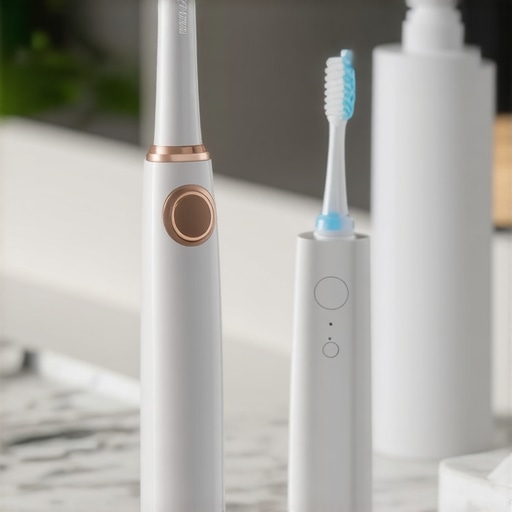
Once you have invested in a high-end restoration, the maintenance phase begins, and it is far more than just brushing twice a day. I treat my dental work like I treat a vintage car; you do not take it through a cheap car wash. I personally swear by a specialized kit that includes an ultra-soft sonic brush set to the lowest frequency. Why? Because high-intensity vibrations can sometimes stress the bond on a veneers transformation if you are not careful. For those with titanium hardware, you need to learn how to safely clean a dental implant without scratching the post. According to a clinical study published in the Journal of Oral Implantology, using traditional metal scalers on titanium abutments can create microscopic scratches that become breeding grounds for harmful bacteria, eventually leading to peri-implantitis. I only use plastic-coated interdental brushes for this reason to avoid any metal-on-metal contact. Keeping your smile working is about managing the biological load on your restorations every single morning. I also recommend using a dental mirror with a built-in LED light; it sounds extra, but it is the only way to see the blind spots behind your bridge or implant. When I started doing this, I realized I was missing a tiny pocket of plaque that was causing chronic inflammation. This level of detail is what separates a ten-year restoration from a thirty-year one.
Why your water flosser might be lying to you
I see people blast their gums on the highest setting, thinking more power equals more clean. If you have ever wondered why your gums bleed only when you use a water flosser, it is usually because the pressure is too high, causing micro-trauma to the delicate sulcus around your restorations. You want a steady, low-pressure stream that flushes out debris without detaching the gum tissue. This is especially important for maintaining the seal on your dental implants. Think of the water as a gentle irrigation tool, not a pressure washer for your jawbone.
How do I maintain my cosmetic work over the next decade?
The secret is a two-pronged approach: chemical control and physical protection. I never use whitening toothpastes on porcelain; the abrasives are too harsh and can strip the polish over time. Instead, I look for pH-neutral gels that keep the oral environment alkaline. Physical protection means wearing your night guard every single night. Even if you think you do not grind, micro-bruxism happens during stressful sleep cycles. If you have struggled with hygiene, check out how to remove the smell from your plastic night guard at home so it stays fresh enough to actually want to wear. Regular visits are also non-negotiable, even if the reason your teeth feel sensitive after a professional cleaning makes you want to skip. These checkups allow your dentist to catch tiny integrity issues before they become catastrophic failures.
Where the world of implants is headed by 2030
The future of cosmetic dentistry is shifting toward bio-regeneration. We are moving away from just replacing teeth and moving toward growing them back using advanced signaling. Researchers are currently working on bioactive coatings for implants that actually signal your body to grow more bone density around the site. We are also seeing the future of dental implants involving 3D-printed scaffolds that mimic the exact mineral structure of your natural jawbone. This will fundamentally change how dental implants reshape your oral health in 2025 and beyond by making the integration process nearly indistinguishable from natural growth. Tonight, I want you to try this one thing: swap your standard floss for a thick expanding floss around your molar restorations for just one night. You will be shocked at what your standard routine is leaving behind. Consistency is the only way to ensure your smile remains a permanent asset.
The Hard Truths I Discovered While Saving My Own Smile
After years of navigating the ups and downs of hormonal dental health, I’ve realized that our bodies are constantly communicating with us. First, don’t let the ‘period wiggle’ send you into a panic; it is almost always temporary and manageable with the right inflammation control. Second, never underestimate the power of your daily habits. Even if you have the best cosmetic dentistry in the world, it won’t last without specialized at-home care. I also learned that if you feel a shift later in life, it’s worth checking how to stop your teeth from shifting after your wisdom teeth arrive, as those late-blooming molars can disrupt your alignment. Lastly, remember that translucency is the mark of quality—don’t chase a flat white that looks artificial; aim for a natural, healthy glow instead.
My Go-To Kit for Long-Term Dental Stability
I trust these tools because they focus on the biology of the mouth, not just the aesthetics. I recommend an expanding dental floss; it is a game-changer for cleaning around restorations where traditional floss might slip through too easily. For those who deal with that gritty feeling after meals, learning how to stop your teeth from feeling fuzzy after eating spinach can help you understand how certain foods interact with your enamel. I also swear by a pH-neutral mouth rinse to protect the bond on your veneers transformation. Finally, keeping a small dental LED mirror allows you to spot issues before they become expensive problems. [IMAGE_PLACEHOLDER_E]
Take the First Step Toward Your Permanent Confidence
Your smile is a lifelong investment in yourself, and it deserves to be treated with both patience and clinical expertise. Whether you are managing the nuances of your monthly cycle or planning a full mouth restoration, the key is to stay informed and proactive. Don’t let dental anxiety or fear of the ‘wiggle’ stop you from achieving the health you deserve. By partnering with a trusted professional in family dentistry, you can ensure that your foundation is rock solid for decades to come. Your future self will thank you for the extra care you put in today. Have you ever noticed your teeth feeling just a little loose right before your period starts? Let me know in the comments below!