I woke up at 3:00 AM again, reaching for the water bottle on my nightstand like it was a holy relic. I’d already polished off two liters before bed, yet my tongue felt like it was velcroed to the roof of my mouth. It’s that thick, tacky, I-just-ate-a-spoonful-of-peanut-butter feeling that simply won’t go away. If you’re nodding along, you know exactly what I mean. You drink and drink, but the moisture just doesn’t stick. I spent months thinking I was just chronically dehydrated, but I finally learned that drowning your insides in water isn’t always the cure for a mouth that feels like a desert.
Stop Chugging Water and Start Looking at Your Saliva Quality
We often treat our mouths like a simple plumbing system—if it’s dry, add water. But your mouth is a complex ecosystem. I made a huge mistake early on by doubling down on a generic, high-alcohol mouthwash to refresh things. It felt like I was pouring gasoline on a campfire. My gums were raw, and the stickiness actually got worse because I was stripping away the very oils and enzymes that keep things slippery. This is a common hurdle we talk about when discussing family dentistry tips for a lifetime of healthy smiles; sometimes, the clean products we use are the real villains.
Is a sticky mouth actually worth worrying about?
You might think it’s just a minor annoyance, but that tacky feeling is often a red flag for your oral health. When your saliva isn’t flowing right, you’re at a much higher risk for cavities and gum issues. It’s a similar frustration to wondering why your breath smells bad even after using expensive mouthwash. You’re doing the work, but you aren’t getting the results. According to the American Academy of Oral Medicine, there are over 1,100 prescription and over-the-counter drugs that list dry mouth as a side effect. It’s not just in your head, and it’s likely not just a lack of water. Have you ever felt like you’re drinking a lake’s worth of water but your mouth still feels like a wool sweater? Today, we are going to dive into why this happens and how to actually fix the underlying biology of your velcro mouth. We’ll look at everything from your nighttime habits to why you might feel that same grit as why your teeth feel fuzzy only hours after cleaning them. Let’s get your comfort back.
Fix Your Chemistry Before You Fix Your Cup
Most people think the solution to a sticky mouth is a bigger water bottle, but you can’t just drown the problem. If your saliva has the consistency of syrup, it’s usually an issue of electrolyte balance and surface tension. I remember a week where I drank nearly two gallons of distilled water a day, yet my mouth felt drier than ever. My dentist finally explained that I was actually flushing out the essential minerals my saliva needed to stay slippery. To fix this, you need to introduce trace minerals or a pinch of sea salt into your water. This helps your cells actually absorb the hydration rather than letting it pass straight through you.
Ditch the Alcohol and Save Your Saliva
If you are using a standard blue mouthwash from a big-box store, you are likely nuking your oral microbiome. Alcohol is a desiccant; it literally sucks the moisture out of your mucosal linings. I learned this the hard way when I tried a ‘deep clean’ regimen for two weeks and noticed my gums were actually starting to flake. This is exactly why your gums are peeling after you switched toothpastes if you aren’t careful with harsh ingredients. Switch to an alcohol-free, pH-balanced rinse that mimics the natural acidity of your mouth. 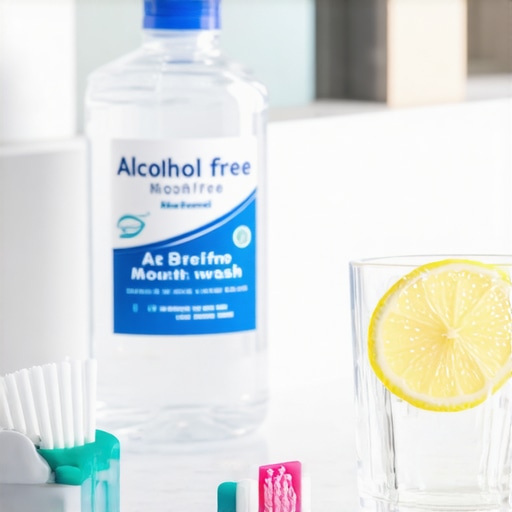
Swap Out the Chemicals That Are Drying You Out
Many ‘natural’ products contain essential oils like cinnamon or peppermint that can be incredibly irritating to a sensitive mouth. I once made the mistake of switching to a high-potency charcoal paste, only to find that it was far too abrasive. It’s a common frustration when people realize why your teeth feel sensitive when you switch to a natural toothpaste—the ingredients aren’t always working in your favor. If you have a sticky mouth, you should look for products containing xylitol, which actually stimulates saliva flow, or betaine, which helps keep the mouth moist.
Mechanical Fixes to Get the Flow Moving
Sometimes your salivary glands just need a physical nudge. I started carrying around sugar-free xylitol mints, and the difference was night and day. It’s like priming an old pump; once you get the flow started, your body takes over. This level of care is essential if you’ve invested in your smile. Think of it as maintenance; you wouldn’t invest in a veneers transformation unlocking your best smile yet and then ignore the health of the tissue surrounding them. Your saliva is the first line of defense for any cosmetic work.
The Best Way to Brush When Your Mouth Is Dry
When your mouth is tacky, your enamel is more vulnerable because it lacks the protective coating of healthy saliva. You have to be incredibly gentle. Use a soft-bristled brush and a non-foaming toothpaste (look for ‘SLS-free’ on the label). Following the best way to brush when you have sensitive gums will prevent you from creating micro-tears in your mouth that make the stickiness feel even more painful. I used to scrub like I was cleaning a grout line, but that only led to more irritation and less moisture.
Stimulate Your Glands with Nighttime Habits
If you wake up with that ‘velcro’ feeling, you are likely mouth-breathing at night. This evaporates every drop of moisture you have. I started using a humidifier right next to my bed, and it changed my life. It’s a small adjustment that provides a massive boost to your comfort. Restoring your oral environment isn’t just about feeling better; it’s one of the cosmetic dentistry secrets to boost your confidence because a healthy, moist mouth leads to fresher breath and a brighter smile.
When we talk about dry mouth, we aren’t just talking about a nuisance; we’re talking about the biological foundation of your most expensive dental investments. One of the biggest myths I encounter in the world of high-end restorations is the idea that once you have a prosthetic, the maintenance stops. People often believe that because a veneer or a crown can’t develop a traditional cavity, they are off the hook for aggressive hygiene. In reality, the biological environment surrounding these pieces—your gums and the underlying bone—is more volatile than ever when your saliva is compromised.
The Myth of the Indestructible Smile
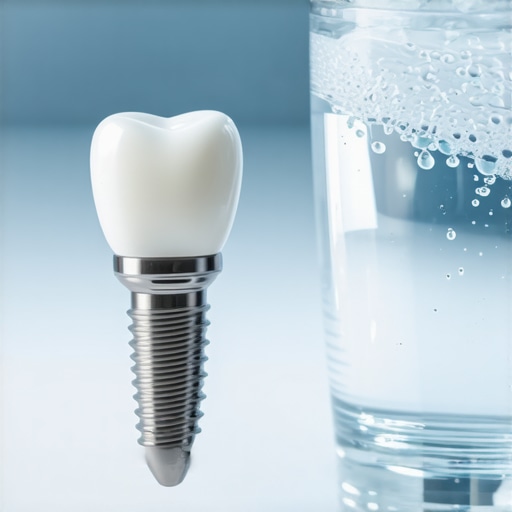
Everyone says dental implants are the ultimate ‘set it and forget it’ fix, but in my experience, the surgery is only half the battle. The other half is how you manage the biofilm in a mouth that lacks the natural washing action of healthy saliva. A common mistake is assuming that a ‘sticky’ feeling around a prosthetic is just a lack of water. It’s actually often the early stages of peri-implantitis. According to a study published in the Journal of Periodontology, nearly 43% of patients with implants develop some form of peri-implant mucositis, often exacerbated by the very dryness and lack of enzyme protection we’ve been discussing. This is why understanding how dental implants reshape your oral health in 2025 is so critical; the tech is better, but the biology remains the same.
Why does my dental implant feel different when it rains or during cold snaps?
It sounds like an old wives’ tale, but many patients report a strange pressure or ‘tightness’ during weather changes. This is often because the titanium post and the surrounding bone have different thermal expansion rates, and a dry, sticky mouth can make the surrounding soft tissue more sensitive to these minute shifts. If you’ve ever wondered why your dental implant feels different when it rains, it’s usually a sign that the local environment is slightly inflamed or dehydrated. Adding a humidifier to your room is a mechanical fix, but you also need to ensure you aren’t making the ‘oops’ mistake of using abrasive cleaners. I’ve seen people use baking soda or charcoal on their high-end work, which is a disaster. You must understand the danger of using baking soda to whiten your teeth at home, as it creates micro-scratches on porcelain and titanium that trap bacteria and worsen that ‘velcro’ feeling.
Avoid the Trap of Over-Cleaning Your Restorations
The biggest trap for people with a sticky mouth is ‘over-scrubbing.’ When your saliva is thick, it doesn’t lubricate your brush, meaning you are essentially sanding down your gums. This can lead to recession that exposes the dark margins of your work. If you notice why your dental implant is showing a tiny dark line, it’s often because the tissue has shrunk away due to aggressive cleaning in a dry environment. Instead of scrubbing, focus on gentle, chemical-free stimulation. This is one of the most overlooked cosmetic dentistry secrets to boost your confidence: a moist, healthy gum line is what makes a smile look natural. If you have veneers, be especially careful with your choice of paste to avoid why your porcelain veneers feel gritty to your tongue. Using a non-abrasive, high-xylitol gel will keep the ‘stick’ away without ruining the polish of your investment. Have you ever fallen into this trap of thinking your dental work was invincible? Let me know in the comments.
People often ask me, ‘Is all this high-tech gear really worth it?’ My answer is always a resounding yes. If you’ve spent the money on high-end dentistry, using a dollar-store toothbrush is like putting cheap gas in a Ferrari. Personally, I never go a day without my water flosser. It’s the only way to effectively clear the debris that gathers at the base of an implant post or under a bridge. If you’re struggling with access, learning how to safely clean a dental implant without scratching the post is the first step toward longevity. I’ve found that the specific pulsation of a water flosser at a medium setting does more for my gum health than ten minutes of traditional flossing ever could.
How can I keep my expensive smile looking brand new for decades?
Maintenance isn’t just about cleaning; it’s about monitoring. I schedule a ‘pro-check’ every six months specifically for my restorations. As Dr. Nikos Mattheos, a renowned expert in implant dentistry and ITI Fellow, often points out, the health of the bone around an implant is a dynamic process that requires expert oversight to prevent late-stage complications. We are moving toward a world where dental implants 2025 innovations that redefine comfort and durability will actually include embedded sensors to detect inflammation before you feel it. Until then, you are the frontline sensor. If you have veneers, you need to be obsessed with your bite alignment. This is one of those expert tips for perfect results: wear your nightguard religiously. I learned the hard way that one night of stress-grinding can undo months of aesthetic perfection.
The Bathroom Tech You’ll Be Using in 2030
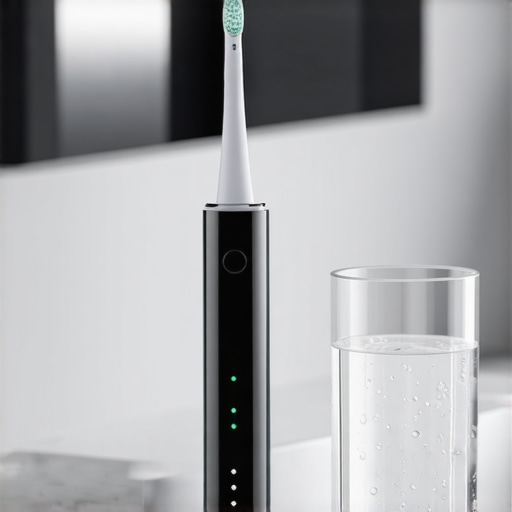
Looking ahead, I predict we will see a massive shift toward personalized, bio-active maintenance. We’re already seeing the future of dental implants cutting edge techniques in cosmetic dentistry focusing on surfaces that actually repel bacteria. I suspect our future toothbrushes will analyze our saliva in real-time, telling us if our pH is too acidic before we even finish brushing. This will be a lifesaver for anyone managing the ‘sticky mouth’ issues we discussed earlier. To keep your whole household on track, following family dentistry tips for a lifetime of healthy smiles ensures that the kids develop these high-tech habits early. My pro-tip for today: Start using a xylitol-based oral gel immediately after your final brush of the night. It creates a protective barrier that keeps your saliva flowing while you sleep, preventing that ‘velcro’ feeling from ever starting. Give it a try tonight and see if you don’t wake up feeling 100% more refreshed.
What I Finally Realized After Years of Velcro Mouth
I used to think my mouth felt like a wool sweater because I was lazy with my water bottle. It took years of trial and error to realize that a sticky mouth is often a chemistry problem, not just a volume problem. First, I learned that ‘squeaky clean’ is actually the enemy. If your mouth feels tight after brushing, you’ve likely stripped away the protective mucins that allow your tongue to glide. Second, I discovered that my expensive dental work was acting like a canary in a coal mine. When my mouth got dry, my veneers vs crowns choosing the best option for your smile didn’t matter because the surrounding tissue was always inflamed. Finally, I realized that mouth breathing during sleep is a silent thief of oral health; no amount of daytime water can compensate for eight hours of air-drying your gums.
The Gear That Actually Saved My Sanity
If you are tired of waking up in the middle of the night reaching for a glass, you need a targeted toolkit. I personally swear by these three essentials. First, a high-quality cool-mist humidifier placed directly on your nightstand provides the ambient moisture your salivary glands need to recover. Second, I moved away from standard pastes and toward pH-balanced, xylitol-rich gels that stimulate flow naturally. I also found that understanding cosmetic dentistry secrets to boost your confidence starts with maintenance gear like a specialized water flosser. It’s the only tool that safely reaches the debris causing that sticky film around implants and bridges without causing irritation. If you aren’t sure where your specific dryness is coming from, you should reach out for a professional consultation to rule out underlying issues.
Take the First Step Toward a Comfortable Morning
Restoring the natural balance of your mouth isn’t an overnight fix, but it is a vital one for the longevity of your smile. Whether you are managing natural teeth or complex restorations, your comfort is a direct reflection of your oral environment’s health. By ditching harsh chemicals and focusing on biological support, you can finally put an end to the ‘velcro’ feeling. Start tonight by swapping one harsh product for a soothing alternative and see how much better your smile feels by morning. Have you ever felt like your mouth was dry despite drinking a gallon of water? Let me know in the comments below.