I remember sitting on my couch, about six hours after my first real scaling and root planing, and I was about to lose my mind. My mouth felt cleaner than it had in a decade, sure, but the itching was relentless. It felt like a colony of ants was throwing a festival right under my gumline. I was so desperate that I actually reached for a toothpick to scratch the itch—a massive mistake that I am telling you right now to avoid at all costs. If you have ever felt like your gums were buzzing after a trip to the dentist, you are not alone, and you are not going crazy.
What Is Really Happening Beneath the Surface
When you get a deep cleaning, your hygienist is essentially doing a deep-dive renovation of your mouth. They are removing hardened tartar that has been irritating your tissues for years. Once that armor of bacteria is gone, your gums finally have room to breathe and, more importantly, to heal. That tingling, itchy sensation is often just your body’s way of saying, Hey, we are fixing things down here! It is quite similar to how a scab on your knee itches right before it is fully healed. However, knowing that does not make the sensation any less annoying. You might also notice how to manage tooth sensitivity after your first professional cleaning as your nerves settle back into their proper places. Trust me, I have been there, and I know how tempting it is to poke at it, but we need to stay the course.
Is this healing itch actually a sign of an infection?
This is the question that kept me up at night during my first experience. I was convinced my gums were rejecting the cleaning or that something had gone horribly wrong! But here is the reality: true infections usually come with throbbing pain, pus, or a fever, not just a pesky itch. Most of the time, it is just the inflammation subsiding and the tissue tightening back up. I made the mistake of using a sharp object to soothe the spot, which is basically the danger of using a safety pin to remove food from your gums on steroids. Do not do it. Instead, you need to learn how to soothe your gums after a deep cleaning session the right way—without causing trauma to the delicate tissue. Have you ever felt that phantom itch after a dental visit? Drop us a line through our contact page; I would love to know I was not the only one tempted to use a fork! According to the American Academy of Periodontology, as the gum tissue begins to reattach to the clean tooth root, the microscopic movement can stimulate nerve endings, resulting in that classic itchy sensation. This is a sign of progress, not a setback. Now that we know why it is happening, let us look at the actual steps to make it stop.
Mix a saltwater rinse to kill the itch
The first thing you should do when you get home is reach for the salt shaker. I know it sounds like an old-school remedy, but there is real science here. Saltwater changes the pH balance of your mouth, making it an unwelcoming environment for the bacteria that cause inflammation. It also helps draw out excess fluid from swollen tissues. Take half a teaspoon of salt, dissolve it in eight ounces of warm water, and swish gently for thirty seconds. I did this every two hours on the first day, and the relief was almost instantaneous. It is one of the most effective ways to how to soothe your gums after a deep cleaning session without using irritating chemicals. Just do not swallow the mixture, as the high salt content can be tough on your stomach.
Numb the sensation with a cold compress
If the itching feels more like a dull throb or a heat sensation, it is time to use cold therapy. Much like why your dental implant site feels warm during healing, your gums are reacting to the minor ‘trauma’ of the deep cleaning. Applying an ice pack to the outside of your cheek for fifteen minutes on and fifteen minutes off constricts the blood vessels and numbs the nerve endings. I once tried to hold an ice cube directly against my gums, which was a terrible mistake—the direct contact was too intense and caused a stinging pain that lasted for an hour. Stick to the outside of your face or drink small sips of ice-cold water to keep the internal temperature down and provide internal relief.
Switch to a softer brush for sensitive spots
You might think you need to scrub extra hard to keep those newly cleaned roots pristine, but that is the fastest way to cause permanent gum recession. Your gums are essentially ‘open’ and vulnerable right now. You need to use the softest toothbrush you can find—look for ones specifically labeled ‘extra-soft’ or ‘surgical.’ Learning the best way to brush when you have sensitive gums involves using a gentle circular motion at a 45-degree angle rather than a horizontal sawing motion. I remember one morning I was in a rush and used my old medium-bristled brush out of habit; I ended up with bleeding gums that set my healing back by several days. Consistency in family dentistry tips for a lifetime of healthy smiles starts with protecting the professional work your hygienist just performed.
Keep things hydrated to speed up recovery
A dry mouth is an itchy mouth. Saliva is your body’s natural defense mechanism, packed with enzymes that help repair tissue and neutralize acids. If you are dehydrated, your gum tissue will feel tighter and more irritated. Drink plenty of plain water and avoid sugary snacks that can feed any remaining bacteria near the gumline. If you notice how to manage tooth sensitivity after your first professional cleaning, staying hydrated helps stabilize the mineral balance in your saliva, which can help re-mineralize exposed roots faster. Skip the coffee and soda for at least 48 hours; the high acidity in those drinks will only aggravate the ‘raw’ feeling in your mouth and prolong the itchy phase.Beyond the initial healing phase of a deep cleaning, there is a nuance in long-term maintenance that most people ignore. Everyone says that once you have veneers or implants, you are ‘done’ with dental worries. However, in my experience, the real work of preservation is just beginning. If you do not understand the signs your receding gums are caused by your toothbrush, you could undermine thousands of dollars of work in a matter of months. Aggressive brushing does not just hurt natural teeth; it can expose the margins of your restorations, leading to unsightly gaps or inflammation.
The hidden danger of chasing perfect white
Most people think that a perfect smile is simply about the shade of the porcelain, but that is a dangerous oversimplification that leads to major regrets. The ‘Hollywood white’ trend is often the enemy of a truly beautiful, high-end result. While it is tempting to go for the brightest shade on the chart, doing so without considering translucency is the mistake that makes porcelain veneers look like piano keys. Natural teeth are not solid blocks of color; they reflect and absorb light. If you ignore this depth, you end up with the reason your porcelain veneers look opaque and fake. This is why establishing expertise in cosmetic dentistry secrets to boost your confidence means looking at how porcelain interacts with your specific facial features. 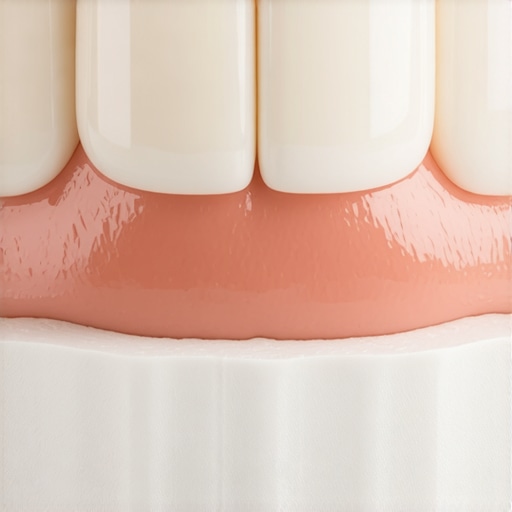
How biological width determines your long-term success
There is a sophisticated ‘Oops’ factor that many patients—and even some general dentists—overlook: the biological width. This is the precise amount of space your body needs between the edge of a restoration and the underlying bone. According to a landmark study in the Journal of Prosthetic Dentistry, if a crown or veneer encroaches on this space, the body will naturally try to ‘re-establish’ it by pushing the gums away, leading to chronic redness and bone loss. If you are struggling to decide between veneers vs crowns choosing the best option for your smile, this biological measurement is often the deciding factor that prevents a ‘heavy’ or ‘tight’ feeling. If you notice why your new veneers feel bulky against your lips, it might not be the thickness of the material, but a violation of this delicate biological boundary. Have you ever fallen into this trap of prioritizing speed over these anatomical nuances? Let me know in the comments.
Why does the lighting change your smile color?
This is a phenomenon known as metamerism, and it is more common than you think. It is the reason your veneers look different in sunlight versus indoors. High-end cosmetic work should be evaluated under multiple light sources before it is permanently bonded. If your dental team only checks your shade under harsh fluorescent office lights, you might find that your new teeth look grayish or unnaturally yellow the moment you step into the sun. Always ask to see the trial restorations near a natural window to ensure the translucency matches your natural teeth across all environments.
Stop scrubbing your investment away
I learned the hard way that the moment you leave the clinic is when the real clock starts ticking. If you have invested in high-end veneers or implants, you cannot treat your mouth like a construction site. I used to think that the harder I brushed, the cleaner my teeth would be, but that is a dangerous myth. According to the Clinical Research Associates (CRA), a non-profit dental testing organization founded by Dr. Gordon Christensen, using high-abrasion whitening toothpastes can actually strip the factory polish off a porcelain restoration in as little as six months. This is exactly why your porcelain veneers feel gritty to your tongue—the surface has been microscopically compromised by your own cleaning routine. You need to look for the RDA (Relative Dentin Abrasivity) score on your toothpaste; anything over 70 is effectively sandpapering your smile.
The specific gear I keep in my bathroom cabinet
I have spent a small fortune on my teeth, so I am not about to let them fail because I used a cheap manual toothbrush. My daily toolkit is very specific. I swear by the Sonicare DiamondClean because of its ‘gum care’ setting, which vibrates at a frequency that breaks up plaque without requiring any manual scrubbing pressure. If you are dealing with implants, you have to be even more careful. You need to learn how to safely clean a dental implant without scratching the post because even tiny scratches can harbor bacteria that lead to bone loss. I also replaced my traditional string floss with a high-end water flosser. I have found the benefit of using a water flosser with your braces or implants is that it flushes out the ‘pockets’ where a brush simply cannot reach. 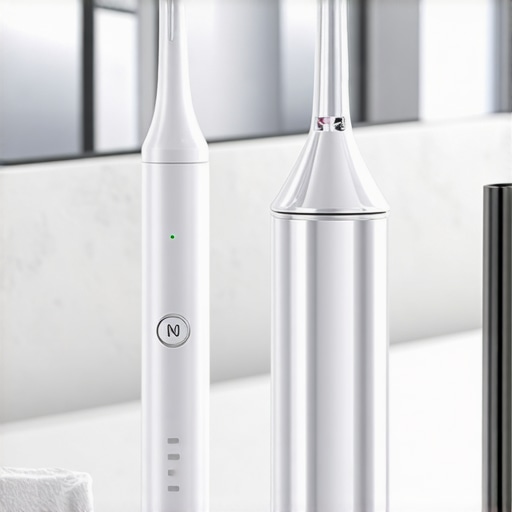
How do I make my dental work last a lifetime?
The key to longevity is not just what you do at the sink, but how you monitor the subtle changes in your mouth. If you ever feel a slight wiggle, do not panic, but do not wait. Knowing how to tell if your dental crown is loose or just sensitive is the difference between a simple re-cementing and a full replacement. I make it a point to check my gum color every single week. Healthy gums are a coral pink; if I see a deep red or a sudden recession, I know my ‘biological width’ is being challenged. Following consistent family dentistry tips for a lifetime of healthy smiles means being proactive rather than reactive. If you see a shadow near the gumline, it might be why your dental implant is showing a tiny dark line, which is often a sign that the tissue is thinning and needs professional attention.
What the next decade holds for your smile
Looking ahead, the world of cosmetic dentistry is moving faster than most patients realize. I predict we are heading toward a future where ‘smart’ dental implants will contain sensors that alert your smartphone at the first sign of inflammation or bone loss. We are already seeing the future of dental implants cutting edge techniques in cosmetic dentistry shift toward 3D-printed bio-ceramics that mimic the natural wear of human enamel. This means that as you age, your restorations will not look like bright white ‘piano keys’ while your natural teeth naturally change, preventing the problem where the reason your teeth look shorter as you get older becomes obvious. The technology is getting smarter, but it still requires a dedicated human at the helm of the toothbrush. My challenge to you: Swap your abrasive charcoal toothpaste for a low-RDA gel tonight and commit to the water flosser—your future self will thank you for the saved thousands in repair costs.
The Truth About Why Some Smiles Fade While Others Last
Looking back on my journey, the biggest lightbulb moment wasn’t about the surgery or the cost; it was realizing that permanent dental work is only as permanent as the tissue supporting it. If you don’t learn how to tell if your gums are healthy based on their color, you might miss the subtle inflammation that signals a failing restoration. I used to think the porcelain was the hero, but the gums are the true foundation. Another hard lesson? Expensive work doesn’t mean you can slack off. In fact, it means you have to be more precise. I’ve seen people spend thousands only to have their porcelain veneers feel gritty to your tongue because they used a generic whitening paste that acted like sandpaper. Your body requires a specific biological space to thrive, and ignoring that boundary is the fastest way to invite chronic irritation.
My Personal Arsenal for Protecting a Perfect Smile
If you want to keep that fresh-from-the-dentist feeling, you need the right gear. I don’t just recommend these because they are popular; I recommend them because they saved my own smile. First, a high-quality sonic toothbrush with a pressure sensor is non-negotiable to prevent gum recession. Second, if you have any metal or ceramic in your mouth, you must master how to safely clean a dental implant without scratching the post to avoid harboring dangerous plaque. Finally, keep a water flosser on your counter. It reaches the deep pockets that traditional floss simply skips, especially around the margins of new crowns or veneers. #IMAGE_PLACEHOLDER_E# I also keep a stash of pH-balanced mouthwash to neutralize acids immediately after meals.
Your Investment Deserves This Level of Care
Taking care of your teeth isn’t just about avoiding a drill; it’s about the confidence that comes with a healthy, vibrant smile. Whether you are looking into cosmetic dentistry secrets to boost your confidence or just staying on top of your routine cleanings, remember that you are the primary guardian of your health. With the rapid pace of the future of dental implants cutting edge techniques in cosmetic dentistry, we have more tools than ever to keep our smiles for a lifetime. Stay proactive, stay gentle, and keep following those family dentistry tips for a lifetime of healthy smiles. Your future self will thank you for every extra minute you spend at the sink tonight. Have you ever noticed a sudden change in how your dental work feels after switching toothpastes? Let me know your experience in the comments below!