I was leaning into my bathroom mirror, practically touching the glass, when I saw it. A patch of my gums looked like a dusty, pale rose instead of that healthy coral pink the dentist always talks about. I had spent years obsessing over getting the perfect veneers transformation, but I had completely neglected the very tissue that held them in place. It was a wake-up call. I realized most of us have no clue what our gums are trying to say until they start screaming. Today, I am going to show you exactly how to read the colors of your mouth so you never have to guess if a change is a minor fluke or a major red flag.
Stop Obsessing Over Your Teeth and Look at Your Gums Instead
We tend to focus on the pearls and forget the oyster. I learned this the hard way when I ignored why your gums look dark red around a specific dental crown, thinking it was just a bit of irritation from a piece of popcorn. It was not. It was the start of an infection I could have caught weeks earlier if I had just known my normal. Your gum color is like a dashboard light for your entire body. Healthy gums should generally be a consistent, firm coral pink, but normal can vary based on your natural skin tone. The real trouble starts when the shades begin to shift without warning. Have you ever noticed a sudden change in your gum line and wondered if it was just the bathroom lighting?
Wait, Is a Little Bit of Red Really a Dealbreaker?
I used to think a little swelling was no big deal. I thought if it did not hurt, I was fine. But here is a surprising fact: the Centers for Disease Control and Prevention (CDC) reports that approximately 47.2% of adults aged 30 and older have some form of periodontal disease, many without even knowing it. Early on, I made the mistake of thinking the reason your gums look white or pale after you brush was just a sign of a job well done. In reality, I was often brushing way too hard, which is a classic error when trying to maintain family dentistry tips for a lifetime of healthy smiles. If you have ever felt like your gums were just a backdrop to your teeth, it is time to shift your focus before the damage becomes permanent.To get a real look at what is happening under the hood, find a window with natural daylight—bathroom bulbs often have a yellow or blue tint that masks the truth. Use a clean, dry piece of gauze to gently blot your gums dry. This removes the glare from saliva and lets you see the actual texture. If your gums look shiny and stretched, like a balloon about to pop, that is inflammation. I once did this and realized my gums were not just pink, they were angry red around one side. I had to look into why your gums look dark red around a specific dental crown and discovered that my crown was slightly catching food. It was not a major surgery fix, but it required a different flossing angle to save the tissue. 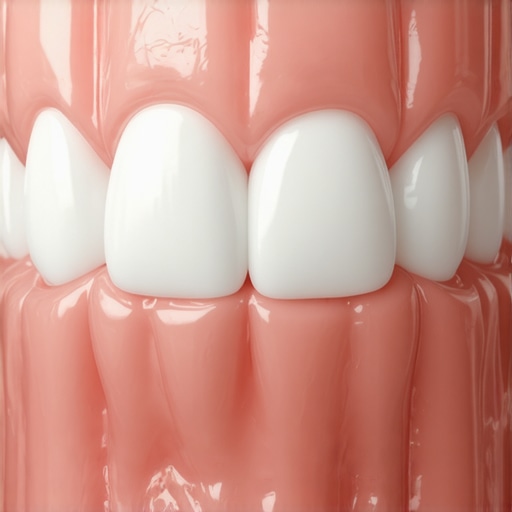
Check Your Gums in Three Simple Steps
Next, try the press test. Use a clean fingertip to apply light pressure to the gum tissue. Healthy tissue blanches white for a split second and then bounces back to coral pink immediately. If it stays white too long or bleeds the moment you touch it, the blood flow is compromised. I remember a frantic Friday night where I saw a bump and spent hours searching how to tell if that white spot on your gum is an abscess. It turned out to be a minor canker sore from stress, but knowing the difference between a surface sore and a deep infection is the difference between a good night sleep and an expensive emergency room visit.
Decode the Colors Without the Guesswork
If you notice your gum line is creeping up, do not panic and start scrubbing harder. That is the worst thing you can do. Most people think the signs your receding gums are caused by your toothbrush are obvious, like bleeding, but it is often subtle—a tiny yellow-ish notch at the very top of the tooth. I found one of these after switching to a firm bristle brush I thought would clean better. It did not. It just acted like sandpaper on my tissue. You have to learn how to stop your gums from receding without painful surgery by mastering the circular sweep. Think of it like detailing a car; you are not trying to scrape the paint off, you are just lifting the dust.
Manage Your High-Maintenance Dental Upgrades
For those of us with work done, the rules change slightly. If you have invested in cosmetic dentistry secrets to boost your confidence, you have to be a detective. Check the seal where the veneer or crown meets the gum. Any dark line or puffy tissue there means the home-care routine needs an upgrade. Sometimes, after a professional visit, you might need to know how to soothe your gums after a deep cleaning session to keep the inflammation down while the tissue re-attaches to the tooth. Use the best way to brush when you have sensitive gums: soft bristles, a 45-degree angle toward the gum line, and zero ego. Precision always beats pressure when it comes to oral longevity.Let’s dig deeper into the biggest misconception in modern dentistry: the idea that once you’ve upgraded your smile, the hard work is over. I often talk to people who think that because porcelain doesn’t decay, they can slack off on their hygiene routine. This is a dangerous trap. While it’s true that the truth about the durability of composite vs porcelain veneers favors porcelain, that durability is entirely dependent on the health of the bone and gum tissue surrounding the restoration. If you ignore the foundation, the most expensive veneers in the world will eventually fail. In my experience, patients who treat their cosmetic work as ‘invincible’ are the ones who end up back in the chair with preventable issues.
Why ‘Indestructible’ Teeth Are Actually More Fragile Than You Think
Most people believe that dental work should be a permanent shield, but I’ve found that the interface between a veneer and your natural tooth is actually a high-maintenance zone. If the margin isn’t perfectly maintained, you risk the reason your porcelain veneers look opaque and fake, which often stems from gum recession exposing the transition point. Furthermore, a common ‘oops’ factor involves using abrasive ‘natural’ toothpastes. While people think they are being healthy, those grits can micro-scratch the glaze on your porcelain, leading to permanent staining that no professional cleaning can fix. It’s also where many fall into the mistake that makes porcelain veneers look like piano keys, where the teeth look too uniform and disregard the natural scalloping of your gum line.
How Do You Stop Your Gums from Quitting on Your New Implants?
This is the advanced question every implant patient needs to ask. According to a study published in the Journal of Oral Implantology, peri-implantitis—the implant version of gum disease—can progress much faster than traditional periodontitis because there are no periodontal ligaments to act as a barrier. You have to be incredibly specific with your care. You must learn how to safely clean a dental implant without scratching the post. If you use metal tools or abrasive pastes, you create microscopic grooves that serve as a breeding ground for bacteria. 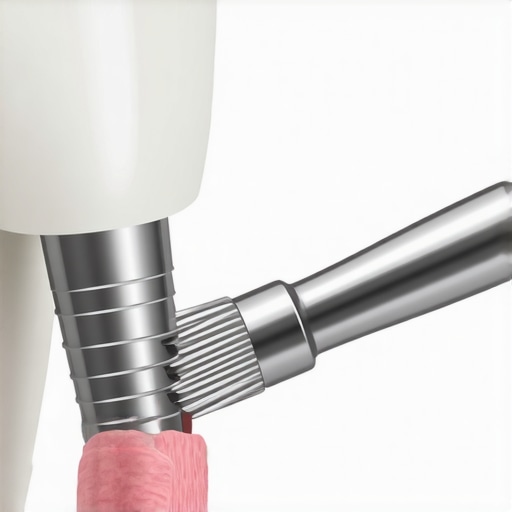 Even if you are excited about dental implants 2025 innovations that redefine comfort and durability, those innovations can’t outrun poor lifestyle choices. For instance, many people overlook the impact of smoking on your dental implant success rate, which significantly restricts blood flow to the very tissue needed to keep the implant stable.
Spot the Subtle Red Flags Before Your Investment Fails
When we look at family dentistry tips for a lifetime of healthy smiles, we often miss the nuance of ‘creeping’ recession. Most adults assume that recession is just a part of aging—the ‘long in the tooth’ myth. However, it’s usually a result of mechanical trauma or chronic low-grade inflammation. If you’ve invested in cosmetic dentistry secrets to boost your confidence, you have to realize that your gums are the frame for the artwork. A cracked frame ruins the whole piece. Don’t fall for the trap of thinking you only need to see your dentist when something feels ‘loose’ or ‘sharp.’ By the time you notice a change in the mirror, the bone loss may already be irreversible. Another nuance I’ve noticed is that people assume their gums are healthy as long as they aren’t bleeding. But with advanced cosmetic work, the lack of bleeding can actually be a ‘masking’ effect of over-brushing or medications. You might be losing bone without seeing a single drop of red. It’s about proactive maintenance, not reactive repairs. Have you ever fallen into this trap? Let me know in the comments.I have realized that the ‘set it and forget it’ mentality is the fastest way to turn a five-figure investment into a medical bill. I personally ditched my manual brush years ago for a sonic model with a built-in pressure sensor. Why? Because the haptic feedback prevents me from committing the cardinal sin of over-brushing. If you have been wondering about the best way to brush when you have sensitive gums, it is not about the motion; it is about the sensor. If that little red light on the handle flashes, you are literally sanding down your gums. I also swear by a high-end water flosser set to a medium-low pressure—setting four or five is my sweet spot. Using the benefit of using a water flosser with your braces or implants ensures you are flushing out the microscopic debris that regular floss misses around those tricky margins. 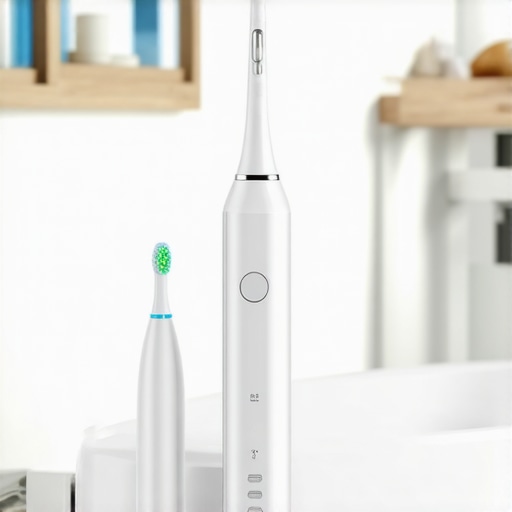
How do I maintain my dental implants and veneers over the long haul?
Longevity comes down to the tools you use to bridge the gap between your natural anatomy and your restorations. I recommend a rubber-tipped stimulator—a tool most people ignore—to gently massage the gum line after brushing. This increases blood flow, which is vital for keeping tissue firm and attached. You also need to know how to safely clean a dental implant without scratching the post, as even a tiny micro-scratch can become a highway for bacteria. I also suggest learning how to clean under a permanent retainer without breaking it, because plaque buildup behind the lower front teeth is often the ‘patient zero’ for systemic gum recession that eventually affects your whole mouth.
The Biological No-Fly Zone You Need to Respect
Dr. Myron Nevins, a leading figure in periodontology, has famously highlighted the importance of the ‘biological width’—the specific space your body needs between the bone and any dental work. If you neglect this area by allowing plaque to harden into tartar, the body treats the restoration like a foreign invader and starts to pull the bone away. Looking forward, I predict that how dental implants reshape your oral health in 2025 will involve ‘smart’ abutments that can sync with your phone to alert you to early signs of inflammation before your gums even look red. It is the ultimate evolution of family dentistry tips for a lifetime of healthy smiles. For now, my best advanced tip: switch your nighttime rinse to a non-alcohol-based xylitol mouthwash. It creates a slippery surface that makes it harder for plaque to ‘stick’ to your porcelain or titanium while you sleep. Give it a try tonight and see if that ‘fuzzy’ feeling is gone by morning.
Why My Five-Figure Smile Almost Failed
The most expensive lesson I learned is that dental work is not a ‘set it and forget it’ product; it is a long-term partnership between your biology and the porcelain. I realized that if I did not respect the living tissue, my body would eventually reject the work, no matter how much I spent. I also had to accept that the reason your veneers feel thicker than your natural teeth is often because the gum has not fully adapted to the new contour, requiring extra patience and precision during those first few months. Another lightbulb moment was realizing that gums do not just protect the teeth; they support the entire facial structure. If you lose the foundation of the gums, you lose the bone, and the whole aesthetic collapses.
What I Keep in My Medicine Cabinet
I have curated a specific toolkit that goes beyond a standard toothbrush because I trust these tools to bridge the gap between human error and clinical perfection. First, a high-quality water flosser is non-negotiable. I found the benefit of using a water flosser with your braces or implants is that it reaches the microscopic nooks that standard string simply cannot touch without causing trauma. I also rely on specialized interdental brushes to ensure I am learning how to safely clean a dental implant without scratching the post, as even a tiny nick can lead to bacterial colonies. Finally, I always have a rubber-tipped stimulator handy to master how to clean under a permanent retainer without breaking it, preventing that ‘patient zero’ plaque buildup in the lower front zone.
Your New Habit Begins with This Morning’s Mirror Check
I want you to feel empowered every time you look in the mirror. Your oral health is a dynamic, living system that responds to your care every single day. By staying ahead of the curve and following family dentistry tips for a lifetime of healthy smiles, you are not just protecting an investment—you are protecting your long-term confidence. We are moving into an era where how dental implants reshape your oral health in 2025 will be more about biological harmony than just mechanical fixes. Take that first step today: blot your gums dry, take a real look, and listen to what they are telling you. Your future self will thank you for the five minutes of attention you give your gums right now. Have you ever noticed your gums changing color after a specific dental procedure? Let me know in the comments.