I will never forget the Tuesday morning I nearly dropped my toothbrush in the sink. I had just finished a solid two-minute scrub, spit out the foam, and looked up to see a row of chalky, pale gums where my healthy pink smile used to be. It looked like the blood had just vanished. My first thought? ‘Well, that is it. My teeth are falling out.’ It is a visceral, unsettling sight that can make anyone spiral into a frantic Google search. If you are staring at a ghostly reflection right now, take a breath. I have been there, and I have learned exactly what that pale warning sign actually means.
What Your Mouth is Trying to Tell You Right Now
If you have noticed that ghostly pallor after your morning routine, you are not alone, and you are likely not in immediate danger. Usually, it is a temporary reaction, but it is your body’s way of waving a little white flag. We are going to get to the bottom of why this happens—from simple blanching to the more annoying issues like gums peeling after a toothpaste switch. I have spent years obsessing over family dentistry tips and even explored cosmetic dentistry secrets to fix my own self-inflicted mistakes, so I have seen it all. The pale color is often just a localized lack of blood flow, but knowing the ‘why’ is the only way to keep your smile healthy for the long haul.
Is this just another thing I am overthinking?
It is easy to dismiss it as ‘just brushing too hard,’ but there is a difference between temporary pressure and a real problem. Early in my journey, I made the classic mistake of thinking a ‘firm’ toothbrush was the only way to get clean. I practically power-washed my mouth every morning. I learned the hard way that the best way to brush when you have sensitive gums is actually with a gentle, circular touch. When you press too hard, you are literally squeezing the blood out of the capillaries in your gums—a process called blanching. According to clinical data from the American Dental Association, excessive force does not just turn gums white; it can lead to permanent recession, making that white color a vital warning shot. Have you ever looked in the mirror and felt that sudden jolt of dental dread after a routine cleaning? Let me know if you have seen this happen to you!
The Real Culprits Behind the Pale Look
Sometimes it is the pressure, but other times it is the chemistry. If you are using an aggressive whitening paste, you might be dealing with a mild chemical reaction to the peroxide. If you are worried about long-term damage, you might even be looking into how to stop your gums from receding without surgery. It is a fine line between a clean mouth and an irritated one. Often, we try so hard to avoid things like gums bleeding even when brushing twice a day that we swing too far in the other direction and cause tissue stress. Setting the stage for a healthy mouth requires balance, and understanding these triggers is your first step.
Lighten the Pressure to Bring Back the Color
Think of your gums like a memory foam mattress. When you press down, the material indents and turns a lighter shade as the air (or in your mouth’s case, the blood) is pushed out. If you are a ‘power-brusher’ like I used to be, you are likely causing constant micro-trauma. I once spent a week scrubbing with a medium-bristled brush because I thought ‘harder equals cleaner,’ only to wake up with gums that looked like they belonged to a ghost. The fix is simple: hold your toothbrush with only two fingers. This physical constraint makes it impossible to apply enough force to blanch the tissue. Mastering the best way to brush when you have sensitive gums involves using a soft-bristled brush and moving in small, circular motions rather than sawing back and forth. If the color doesn’t return within a few minutes of finishing your routine, the culprit is likely deeper than just physical pressure.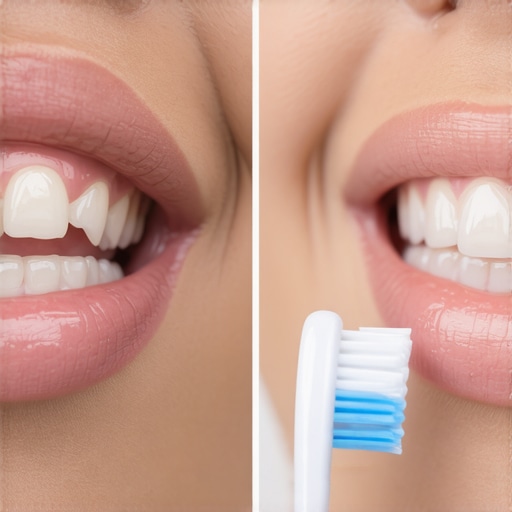
Ditch the Harsh Chemicals Immediately
If the paleness is accompanied by a weird texture, look at your medicine cabinet. Many whitening toothpastes use high concentrations of hydrogen peroxide or abrasive silicas that can essentially ‘bleach’ the surface layer of your gums. I remember switching to a trendy charcoal-based paste a few years ago; within three days, my gums weren’t just pale—they were sloughing off in tiny white ribbons. If you are wondering why your gums are peeling after you switched toothpastes, it is a clear sign of a chemical burn. Switch to a plain, fluoride-based paste without ‘extra whitening’ claims for 48 hours. If the pink flush returns, you’ve found your enemy. For those who still want a bright smile without the tissue damage, exploring cosmetic dentistry secrets like professional in-office treatments can provide results without the DIY gum irritation.
Spot the Difference: Irritation vs. Infection
A general paleness is one thing, but a localized white patch is a different beast entirely. You need to be able to tell if you are looking at a simple sore or something that requires a professional hand. I once found a tiny, pale bump near my upper molar and spent four hours convinced I needed a miracle. It turned out to be a minor irritation from a sharp tortilla chip, but learning how to tell if that white spot on your gum is an abscess saved me from future panic. An abscess will often feel like a pressurized ‘pimple’ and might throb, whereas general paleness from anemia or poor circulation will be more widespread across the entire gum line.
Protect the Foundation of Your Smile
When paleness is a symptom of receding tissue, you are no longer just looking at a color issue; you are looking at a structural one. If you can see the yellowish root of your tooth appearing, that ‘pale’ look is actually the lack of healthy gum covering the bone. You should investigate how to stop your gums from receding without painful surgery by using specialized gels and improving your family dentistry tips for daily care. In cases where the tissue or teeth are already compromised, modern solutions like a veneers transformation unlocking your best smile yet can mask certain aesthetic issues, while learning how dental implants reshape your oral health in 2025 can help you understand how to replace the missing structure that keeps your gums looking full and vibrant.Most people think that once they get a dental implant or a set of veneers, their days of worrying about oral hygiene are over. This is a dangerous myth. In my experience, these high-end restorations actually require more vigilance than your original teeth. While the titanium post of a dental implant won’t decay, the surrounding tissue is still susceptible to peri-implantitis, which is essentially gum disease that targets the implant site. If you ignore the foundation, you are building a mansion on a swamp. It is one of the most vital family dentistry tips I can offer: the hardware is only as good as the software, which in this case, is your gums. Then there is the aesthetic trap. I see many people walk out with smiles that look too perfect. If your veneers lack translucency, they end up looking like white Chiclets. This is often the reason your porcelain veneers look opaque and fake. A master ceramist knows that natural teeth aren’t just one shade of white; they have depth, gradients, and subtle imperfections. If you aren’t careful, you might fall for the mistake that makes porcelain veneers look like piano keys, where every tooth is the exact same length and shade, making the work look obvious rather than natural.
How Does Barometric Pressure Affect Your New Dental Work?
You might think it sounds crazy, but some patients genuinely feel a physical shift when a storm rolls in. If you have ever wondered why your dental implant feels different when it rains, you aren’t imagining things. While the titanium itself doesn’t expand, tiny air pockets in the surrounding bone or slight inflammation in the sinuses can create a pressure differential that you feel as a dull ache. This level of nuance is rarely discussed in basic consultations, but it is a real phenomenon. A study published in the Journal of Periodontology suggests that your ‘biotype’—the thickness of your gum tissue—is the single most significant predictor of how your body integrates these restorations. Thinner tissue often leads to more sensitivity to environmental changes. 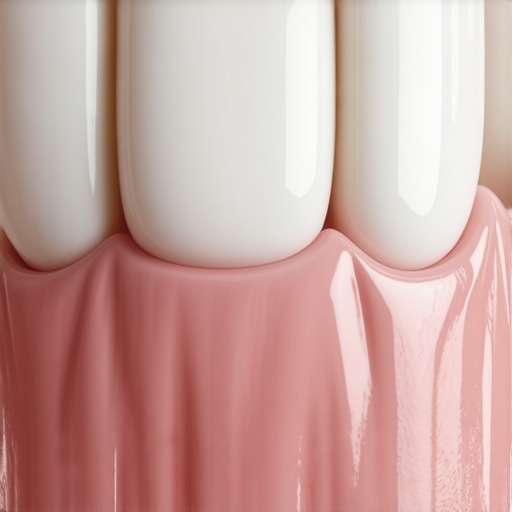 Beyond the physics, there is the chemistry of your materials. When comparing the truth about the durability of composite vs porcelain veneers, porcelain is usually the winner for aesthetics, but it is also brittle. If you have a habit of clenching your teeth when stressed, you could shatter a high-end restoration in seconds. This is why dental implants 2025 innovations are focusing so heavily on shock-absorption technologies that mimic the natural periodontal ligament. Finally, lifestyle choices will always override the best surgery; for instance, the impact of smoking on your dental implant success rate is staggering, often cutting the lifespan of the implant in half by restricting the very blood flow that keeps your gums looking healthy and pink. Have you ever fallen into this trap of thinking new teeth were invincible? Let me know in the comments!
The high-tech toolkit I actually use
If you have invested in a full set of veneers or a dental implant, you cannot go back to the grocery store mindset of oral hygiene. I personally swear by a specialized kit that goes beyond a standard brush. For starters, I use a water flosser every single night. While many people use them for braces, the benefit of using a water flosser extends to cleaning the tight spaces around implant abutments and the margins of veneers where plaque loves to hide. I keep the pressure on a medium setting—high enough to dislodge debris but low enough to avoid damaging the delicate biological width of the gum seal. #IMAGE_PLACE_HOLDER_D#
How do I keep my smile looking brand new for decades?
The secret isn’t just cleaning; it is cleaning with the right materials. I avoid any toothpaste with abrasive silica or charcoal because they can create micro-scratches on porcelain. Once those scratches exist, stains from coffee or wine attach much easier. Instead, I use a non-abrasive gel. When it comes to hardware, you must know how to safely clean a dental implant without scratching the post, which usually means avoiding metal picks or harsh plastic scrapers. Dr. Michael Pikos, a renowned authority in implant reconstruction and founder of the Pikos Institute, often points out that the long-term success of an implant depends entirely on the health of the soft tissue cuff surrounding it. If that tissue becomes inflamed due to poor cleaning, the bone will eventually follow. I predict that the future of dental implants cutting-edge techniques in cosmetic dentistry will soon include smart abutments that can alert your phone if bacteria levels under the gumline reach a dangerous threshold. Until then, we are the first line of defense.
Stop the midnight grind from ruining your investment
The biggest threat to your veneers transformation unlocking your best smile yet isn’t what you eat; it is what you do while you sleep. Bruxing—or grinding—can apply up to 250 pounds of force per square inch on your teeth. Natural teeth can flex slightly; porcelain cannot. If you don’t wear a custom-fitted night guard, you are essentially gambling with your bank account every night. I learned this the hard way after seeing a tiny hairline fracture in a molar crown. Now, the night guard is as much a part of my routine as charging my phone. For those looking for transform your smile with veneers expert tips for perfect results, I recommend a dual-laminate guard—hard on the outside to take the wear, but soft on the inside for comfort. My advanced tip for you today: buy a dedicated sonic cleaner for your night guard or aligners. It uses high-frequency sound waves to blast away biofilm that a brush simply can’t reach. It keeps everything smelling fresh and looking clear. If you’ve been skipping the night guard, put it in tonight—your future self will thank you for the thousands of dollars saved in repair costs.
The Three Mistakes That Almost Cost Me My Gums
Looking back on my own dental journey, I realize that most of us are never taught the nuance of tissue care. First, I learned that ‘white’ is a warning, not a cleaning badge of honor. If you see your gums turn pale, it is usually a sign of localized ischemia—you are starving the tissue of oxygenated blood. Second, I realized that how to safely clean a dental implant without scratching the post is about finesse, not friction. If you scratch the hardware, you invite bacteria to live in those micro-grooves forever. Finally, I discovered that ‘biological width’ is sacred. Your body needs a specific amount of space between the bone and the gum line; if you irritate that area with harsh chemicals, you will see the signs your receding gums are caused by your toothbrush or aggressive paste rather quickly.
My Personal Toolkit for a Lifetime of Pink Gums
I don’t leave my oral health to chance anymore. I rely on a few specific tools that transformed my routine from a chore into a preservation strategy. I strictly use a sonic toothbrush with a pressure sensor—it vibrates differently if I press too hard, eliminating the guesswork. I also swear by the benefit of using a water flosser; even if you don’t have braces, it massages the gums and boosts circulation, which helps prevent that pale look. For resources, I highly recommend the American Academy of Periodontology’s patient guides and keeping up with cosmetic dentistry secrets that focus on tissue health rather than just the color of the teeth. These sources moved me away from the ‘scrub-til-it-hurts’ mindset.
Your Smile Deserves the Best Possible Future
A beautiful smile is a marathon, not a sprint. Whether you are dealing with a temporary scare of pale gums after brushing or you are managing a major veneers transformation unlocking your best smile yet, the goal is always the same: longevity. By applying these family dentistry tips, you aren’t just cleaning your teeth; you are protecting your confidence and your health for the long haul. Don’t let a momentary pale reflection scare you—let it motivate you to treat your gums with the respect they deserve. Have you ever noticed your gums turning white after a long brushing session, or was it a specific toothpaste that triggered it? Let me know your experience in the comments below!