I was sitting at a quiet dinner party, biting into a piece of crusty bread, when it happened—a loud, metallic pop that seemed to echo through my entire skull. My neighbor actually stopped mid-sentence to look at me. It’s a vulnerable feeling, isn’t it? That sudden realization that your body is making noises it shouldn’t. For years, I noticed that my jaw only acted up when I was chewing on my right side. I did what most people do: I ignored it. I simply started shifting every bite of food to my left side, thinking I was giving the bad side a rest.
The Lopsided Habit That’s Ruining Your Jaw Balance
[image_placeholder] That’s the specific mistake I made early on. By favoring one side, I wasn’t fixing the problem; I was actually training my jaw muscles to pull unevenly, which made the clicking ten times worse. If you’ve found yourself wondering why your jaw pops when you eat chewy foods, you’re likely caught in the same cycle of compensation. Today, we’re going to peel back the curtain on why that lopsided clicking happens and how you can start balancing your bite before it turns into a permanent ache. It isn’t just about the noise; it’s about the long-term health of your joint. Whether you’ve noticed the reason your jaw feels tight after a long day or it’s just that annoying morning click, we’ll get to the bottom of it together.
Is this clicking going to lead to a locked jaw?
It’s the fear that keeps us up at night—the idea that one day we’ll take a big bite and our mouth just won’t close. While it feels like a mechanical failure, it’s often a sign of muscle fatigue or a slightly displaced disc. According to the National Institute of Dental and Craniofacial Research, TMJ disorders affect over 10 million Americans, and they are frequently linked to how we distribute pressure while we eat. There is often a strong connection between frequent headaches and grinding your teeth, which only adds fuel to the fire. Have you ever found yourself consciously avoiding certain foods just because you don’t want to hear that pop? I’d love to hear your story, as you are definitely not alone in this.
Retrain Your Mouth to Move in Harmony
Think of your jaw like a high-end kitchen cabinet hinge. If the door is crooked, forcing it shut over and over will eventually bend the metal or strip the screws. To fix the pop, we have to realign the door—not just push harder. The first thing I did was implement a 48-hour soft food reset. I stopped testing my jaw’s limits with crusty sourdough or tough jerky. If you’ve ever wondered why your jaw pops when you eat chewy foods, you’re likely overworking a joint that’s already inflamed and needs a period of relative rest to heal.
Switch to the 50-50 Chewing Rule
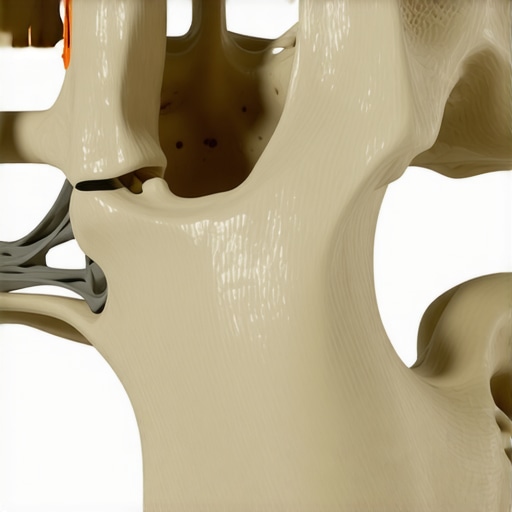
I spent two weeks strictly monitoring my chew count. Every time I took a bite, I would force myself to chew five times on the left, then five on the right. It felt mechanical and awkward at first, but it prevented my right side from doing all the heavy lifting. I remember one specific lunch—a simple turkey sandwich—where I was so focused on this 50-50 split that I realized just how much my jaw instinctively drifted to the right side. By consciously pulling it back to center, the clicking stopped by the time I finished the sandwich. This simple redistribution of pressure is one of the best family dentistry tips for a lifetime of healthy smiles because it prevents the premature wear of your molars and the joint disc.
Address the Nightly Grinding Cycle
The popping doesn’t just happen because of how you eat; it’s often a result of what you do while you sleep. Stress manifests in the jaw muscles. If you wake up with a dull ache or stiff face, there is a high connection between frequent headaches and grinding your teeth. You can’t always will yourself to stop grinding in your sleep, but you can use a barrier. I found that a custom-fitted night guard acted like a shock absorber, giving my TMJ the night off it desperately needed to recover from the day’s constant stress and micro-movements.
Fix Your Bite with Targeted Dental Work
Sometimes, no amount of soft food will fix the click because the gears of your mouth—your teeth—simply don’t fit together anymore. This is where modern restorative techniques come in. If you have missing teeth causing a shift in your bite, learning how dental implants reshape your oral health in 2025 can be a game-changer. Implants provide a stable foundation that keeps your other teeth from drifting into the gaps. Similarly, if your teeth are worn down from years of grinding, you might need to rebuild the height of your bite. When looking at veneers vs crowns choosing the best option for your smile is essential for restoring that mechanical balance. I have seen cases where a few strategic crowns completely eliminated a chronic jaw click because they restored the proper vertical dimension of the patient’s face.
Watch Out for Hidden Jaw Tension Triggers
We often hold our breath or clench our teeth when we are focused on a task. I used to spend hours on the phone, unconsciously cradling the receiver between my shoulder and ear while typing. I didn’t realize that the reason your jaw feels tight after a long phone call is that this specific posture forces the joint into an unnatural, strained angle. Now, I use a headset and keep my mantra: lips together, teeth apart. Keeping a tiny space between your upper and lower teeth throughout the day removes the constant low-grade pressure that leads to that annoying evening pop.
Let’s dig deeper into a common misconception: that cosmetic dentistry is just about vanity. Most people think getting veneers is like putting a fresh coat of paint on a house—it looks nice, but the structure remains the same. In reality, the most skilled practitioners in cosmetic dentistry use these tools to rebuild the vertical dimension of your face. If your teeth have been worn down by years of grinding, your jaw has to travel further to close. This creates a mechanical strain that causes the joint to click. By using porcelain, we are actually restoring the height of your bite. However, I often see patients rush into this without considering the aesthetics of the material itself. The biggest error is choosing a shade that is too opaque. This is the mistake that makes porcelain veneers look like piano keys—they lack the translucency of natural enamel. You need to know how to pick the right shade for your new porcelain veneers to ensure they blend with your natural look, otherwise, you’ll find the reason your porcelain veneers look opaque and fake is a lack of depth in the ceramic work.
Can a single dental implant really fix my chronic jaw clicking?
It sounds too good to be true, but it’s rooted in biomechanics. When you lose a tooth, the surrounding teeth start to drift, and the bone begins to resorb. This shift throws your entire chewing machine out of alignment. A study published in the Journal of Oral Rehabilitation highlights that even minor tooth displacement can significantly alter electromyographic activity in the jaw muscles. This is where how dental implants reshape your oral health in 2025 becomes critical; they provide a permanent stop for the jaw, preventing the over-closure that leads to joint inflammation. If you are looking at dental implants 2025 innovations that redefine comfort and durability, you’ll see they are now designed to mimic the exact pressure-sensing capabilities of natural roots. 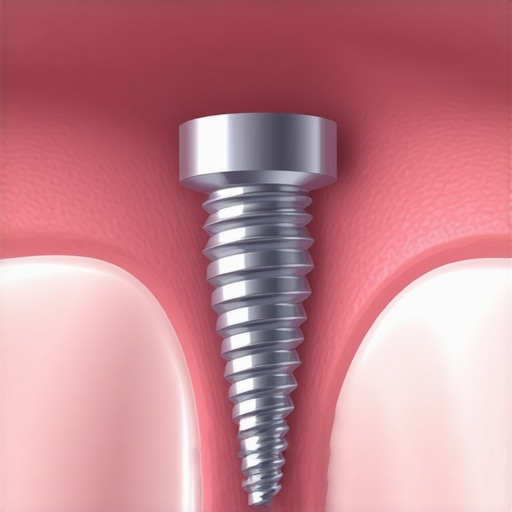
Choose Structural Integrity Over the Quick Fix
One warning I have to give: don’t assume all materials are created equal. When weighing the truth about the durability of composite vs porcelain veneers, many choose composite because it’s cheaper and faster. But composite is porous. It stains over time and can chip under the heavy pressure of a TMJ sufferer’s bite. Porcelain, while more of an investment, offers the structural integrity needed to actually support a misaligned jaw. Have you ever fallen into the trap of choosing the quick fix over the long-term solution? Let me know in the comments.
Keep Your New Smile Pristine with These Toolkits
Once you’ve invested in porcelain or titanium, the ‘set it and forget it’ mentality is your biggest enemy. I learned the hard way that maintaining a balanced jaw isn’t just about the mechanics of the joint; it’s about the hygiene of the supports. For my dental implants, I stopped relying solely on traditional floss. I switched to a high-pressure water flosser. If you aren’t sure how to safely clean a dental implant without scratching the post, you risk creating microscopic grooves where bacteria thrive, leading to peri-implantitis—the leading cause of implant failure.
How do I maintain my bite balance for the next decade?
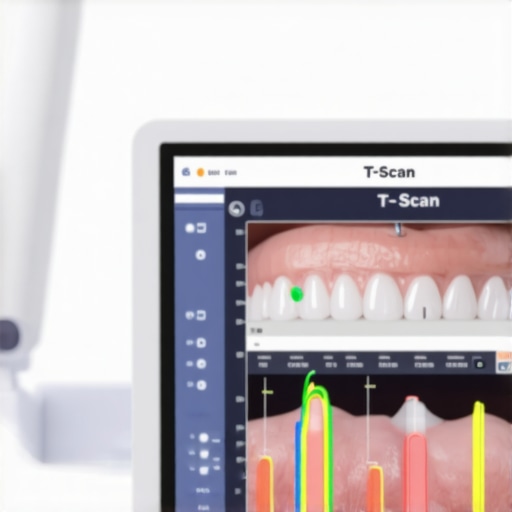
The secret lies in objective data. In my practice of self-care, I started asking for T-Scan analysis during my checkups. Unlike the old-school blue ‘bite paper’ that only shows where teeth touch, T-Scan is a digital occlusal analysis system that records the timing and force of your bite. According to the American Academy of Cosmetic Dentistry (AACD), using low-abrasivity toothpastes—specifically those with a Relative Dentin Abrasivity (RDA) score under 70—is non-negotiable for anyone with veneers. If you use a whitening paste full of silica, you’re essentially sandpapering the glaze off your investment. This is often why your porcelain veneers feel gritty to your tongue after a few months of poor product choices.
Why a Standard Toothbrush Won’t Cut it for Restorative Work
I personally recommend moving to an ultrasonic brush with a pressure sensor. When we have a jaw that clicks or pops, we tend to over-brush certain areas while avoiding the ‘sore’ spots. A pressure sensor ensures you aren’t receding your gums, which is vital because why your dental implant is showing a tiny dark line at the base is almost always due to gum recession exposing the metal abutment. Following consistent family dentistry tips for a lifetime of healthy smiles means treating your restorations with more care than your natural teeth, not less.
Look into the Future of Bite Mapping
I predict that within the next five years, we will see the rise of ‘Digital Twins’ in cosmetic dentistry. We will have wearable sensors that track our jaw movements in real-time, alerting our phones the second we start grinding or favoring one side. We are already seeing this with the future of dental implants cutting edge techniques in cosmetic dentistry, where 3D-printed guides and AI-driven placement are becoming the standard. This level of precision is exactly what’s needed to stop the ‘pop’ before it starts. If you want to take action today, I challenge you to look up the RDA value of your current toothpaste. If it’s over 100 and you have veneers, swap it out for a gentle gel immediately to protect that translucency.
What Five Years of Jaw Health Taught Me About My Bite
After years of navigating the world of dental health, I’ve realized that a clicking jaw is rarely a solo act. It is usually a symptom of a much larger structural story. My biggest lightbulb moment was discovering that the “good side” I was using to chew was actually my worst enemy, as it created a muscular imbalance that took months of physical therapy to correct. Another hard truth: your jaw joint has a memory. If you’ve spent years grinding, you can’t expect a single night guard to fix the damage overnight—it takes a holistic approach to alignment and muscle relaxation.
Lastly, I learned that cosmetic dentistry secrets to boost your confidence aren’t just about vanity; they are about functional restoration. When your teeth are the right shape and height, your jaw simply knows how to rest. If you are currently feeling that “pop” every time you eat, remember that your body is communicating a mechanical need, not just an annoyance. [image_placeholder_final]
My Personal Daily Toolkit for TMJ Relief
If you want to maintain your progress, you need the right tools. I swear by a few non-negotiables that keep my jaw from acting up. First, a high-quality water flosser is essential for keeping those restorations clean; if you need guidance, check out how to safely clean a dental implant without scratching the post to avoid damaging the base. Second, I only use toothpastes with an RDA score under 70 to protect the luster of my ceramic work. This prevents the issue of why your porcelain veneers feel gritty to your tongue after a few months of use. Finally, I use a dedicated heat wrap for my jaw muscles on stressful days to prevent clenching before it starts.
Reclaim the Joy of Eating Without the Fear
It is easy to feel discouraged when your body feels like a broken machine, but the technology available to us today—from how dental implants reshape your oral health in 2025 to 3D-mapped bite analysis—means you don’t have to live in discomfort. Your journey to a balanced bite is a marathon, not a sprint, but the reward is a lifetime of smiles that feel as good as they look. By following these family dentistry tips for a lifetime of healthy smiles, you are setting the foundation for years of pain-free dinners and confident conversations. If you’re ready to stop the clicking for good, feel free to contact us to explore your options.
Have you noticed your jaw clicking more during times of high stress or after eating specific foods? Let me know in the comments below!