I stood there, face flushing a deep shade of crimson, as my son Leo treated the dental hygienist like a sworn enemy. He wasn’t just crying; he had transformed his mouth into an impenetrable fortress. Every time the poor woman reached for a mirror, he’d clamp down so hard I thought he’d break a tooth. I felt like a total failure, especially since I’m the one always preaching about family dentistry tips for a lifetime of healthy smiles. I had made a massive mistake early on: I tried to make the dentist sound like a trip to the amusement park, and when he saw the clinical bib and the bright lights, the sense of betrayal was immediate. Today, we are going to fix that. I’m going to share the exact routine that turned our dental disasters into (mostly) peaceful visits. Have you ever felt that sinking feeling in the waiting room when the screaming starts and everyone looks your way? [image_placeholder_1]
Stop Fighting the Jaws of Steel
The reality is that dental anxiety in kids isn’t just about being stubborn; it’s a full-on sensory overload. The bright lights, the chemical smells, and those strange metallic tools are terrifying for a little person. If you’ve struggled with the best way to prevent cavities in toddlers who hate brushing, you already know the battle starts long before you reach the parking lot. A surprising fact from the American Academy of Pediatric Dentistry (AAPD) reveals that nearly 20% of children under age five have experienced tooth decay, yet fear often keeps them away from the chair. This matters because these early experiences set the stage for how they’ll view oral health for the next eighty years. Whether you are dealing with a routine checkup or how to manage a toddlers first dental emergency safely, the approach has to be the same: patience over power.
Will my kid ever actually sit still for a cleaning?
It’s the question every parent whispers to themselves while sweating through their shirt in the lobby. The answer is yes, but it won’t happen by force or logic. I used to think I could just explain the benefits of fluoride to a three-year-old. Spoiler alert: it doesn’t work. We have to change the environment and the expectations before we can ever expect them to open wide for the mirror.
Practice the Appointment at the Kitchen Table
To turn the dentist into a neutral experience, you have to demystify the equipment. I started by using a small flashlight and the back of a spoon at home. We called it ‘Tooth Inspection Time.’ I would have Leo lay his head in my lap, just like he would in the clinical chair, and I’d gently count his teeth. This simple routine desensitizes the ‘intrusion’ of someone looking into their mouth. If you skip this, you might fall into the mistake most parents make with their childs first tooth, which is assuming the child will just ‘know’ how to act. #IMAGE_PLACE_HOLDER_B#
Stop Using the Word Pain Around Your Child
The vocabulary we use as parents often sets the trap for anxiety. Never use words like ‘shot,’ ‘drill,’ ‘hurt,’ or even ‘it will be over fast.’ To a child, those are red flags that something dangerous is happening. Instead, use ‘sleepy juice,’ ‘whistle tool,’ or ‘tooth camera.’ When Leo finally had a filling, we talked about the ‘sugar bugs’ being washed away. Even if the visit involves something more complex, like learning how to keep your child from biting their lip after freezing, the focus should stay on the ‘cool’ sensations rather than the clinical ones.
Schedule the Visit When Your Child is at Their Best
Timing is more important than the choice of dentist. Never schedule an appointment during nap time or right before lunch when ‘hangry’ tantrums are a certainty. I once made the mistake of a 4:00 PM appointment after a long day of preschool; it was a disaster before we even checked in. Aim for early morning when their patience ‘tank’ is full. This is especially true if you are trying to determine how to tell if your child needs a space maintainer early, as these consultations require a child to be focused and still for longer periods.
Watch Out for Deep Grooves and Double Rows
While you are practicing at home, keep an eye on the actual geography of their mouth. If you notice things looking crowded, you might wonder why your child has a double row of teeth in the front, often called shark teeth. This is common, but seeing it yourself first allows you to prepare the child by saying, ‘The dentist is going to look at your special extra teeth today!’ Similarly, being able to identify how to tell if your child has a cavity or just deep grooves helps you stay calm. If you aren’t worried, they won’t be. When I noticed a dark spot on Leo’s molar, I didn’t panic; I told him we were going to get his tooth ‘sparkled.’ Because I was calm, he walked into that room like a boss, ready for his ‘sparkle’ treatment without a single tear.
While mastering the kitchen-table checkup with Leo was a huge win, it actually opened a much larger door for our family. I realized that my own fear of the dentist wasn’t just about pain—it was about a lack of understanding regarding the procedures I was considering as an adult. Everyone says you should just ‘get your teeth fixed’ if you aren’t happy with your smile, but in my experience, rushing into cosmetic work without knowing the nuances is the fastest way to end up with a result you hate. Most people assume that cosmetic dentistry secrets to boost your confidence are all about getting the brightest, whitest teeth possible. That is a massive misconception. True expertise in this field is about harmony and biology, not just bleach and porcelain.
Stop Chasing the Pure White Myth
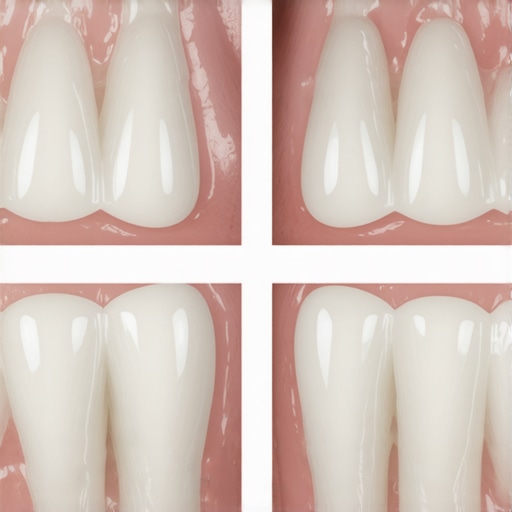
The biggest trap I see parents and even some professionals fall into is the ‘refrigerator white’ trap. Your natural teeth have a complex translucency—they catch the light, they have slight gradients, and they are never a single flat color. I’ve seen too many people fall for the mistake that makes porcelain veneers look like piano keys because they insisted on the whitest shade possible. When a tooth is too opaque, it loses the ‘life’ that makes a smile attractive. According to a study published in the Journal of Prosthetic Dentistry, the human eye perceives beauty in dental work not through brightness, but through how well the light scatters across the surface of the material. If the light doesn’t penetrate the surface, the tooth looks fake. This is why learning how to pick the right shade for your new porcelain veneers is an art form that requires looking at your skin tone and even the whites of your eyes for a proper match.
Why do my new teeth change color in different lighting?
This is a sophisticated nuance called metamerism. You might look in your bathroom mirror and think your smile looks incredible, but the moment you walk into the fluorescent lights of a grocery store or the bright midday sun, the color seems to shift. This happens because different light sources have different spectrums. This is the reason your veneers look different in sunlight versus indoors. An expert dentist will actually check your shade under multiple light sources before the final placement. If you are debating veneers vs crowns which is right for your smile, you have to consider how the material thickness will interact with these light shifts. Have you ever fallen into this trap of picking a shade that was just too white? Let me know in the comments. We are all here to learn from those ‘oops’ moments so we can finally get the results we actually want.
Once you’ve finally achieved that perfect look, the real work begins—and it’s not just about brushing twice a day. I learned this the hard way when I noticed my restorations were losing their luster after only a few months. I realized I was treating my high-end dental work like a pair of old sneakers rather than a precision-engineered luxury car. If you’ve ever wondered why your porcelain veneers feel gritty to your tongue, you might be using the wrong tools for the job. I immediately ditched my hard-bristled brush for a high-end sonic model with a built-in pressure sensor. It sounds like total overkill until you realize that scrubbing too hard can actually micro-scratch the glaze on your porcelain, leading to dullness that no amount of cleaning can fix.
Stop Using Charcoal Paste on Expensive Work
Many of us are tempted by the latest trends to keep things bright, but the truth about charcoal toothpaste and your tooth enamel is that it’s far too abrasive for cosmetic work. It acts like fine-grit sandpaper on your veneers and crowns. I switched to a non-abrasive, low-RDA (Relative Dentin Abrasivity) gel recommended for prosthetic maintenance. This is critical because maintaining the integrity of the “seal” where your natural tooth meets the restoration is the only way to prevent decay from creeping underneath and ruining years of investment.
Why a Water Flosser is Your New Best Friend
When it comes to dental implants, standard floss often isn’t enough to reach the complex nooks and crannies of the metal abutment. I started using a water flosser specifically because it is the most effective way of how to safely clean a dental implant without scratching the post. According to Dr. Robert Miller of the International Congress of Oral Implantologists, the use of specialized air-polishing techniques with glycine powder is becoming the clinical gold standard for professional maintenance, but at home, the water flosser is your primary line of defense against peri-implantitis. 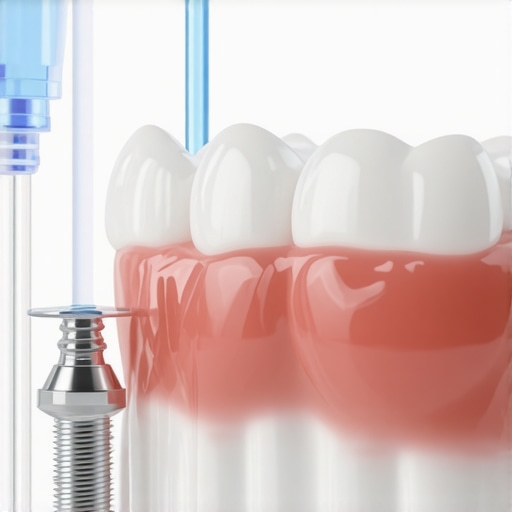
How do I maintain my dental work over time?
The secret to longevity is consistency and avoiding the “stain traps” that sneak up on you. If you are a tea or coffee lover, you have to learn how to maintain your white smile after a coffee habit without resorting to harsh bleaching chemicals every single month. I now use a straw for my cold brews and make it a point to rinse with plain water immediately after finishing a hot cup. This simple habit prevents the dark pigments from settling into the micro-pores of your natural teeth that sit adjacent to your veneers. I truly believe the future of cosmetic dentistry is moving toward “smart” restorations. I predict that within the next decade, we will have bioactive dental implants that can actually release minerals to strengthen the surrounding bone in response to stress. We might even see veneers embedded with sensors that track your oral microbiome in real-time. For now, though, the best tool you have is your daily routine. Take my advice: swap your abrasive charcoal toothpaste for a professional-grade non-abrasive gel today and see if that “gritty” feeling on your restorations disappears within a week.
Three Hard Truths About Living with a High-End Smile
Reflecting on this journey from Leo’s dental tantrums to my own cosmetic upgrades, I’ve realized that the biggest barrier to a great smile isn’t money or time—it’s fear and misinformation. First, I learned that you are your own best advocate; if a shade feels off or a procedure sounds too aggressive, speak up. Second, maintenance is non-negotiable. You can’t buy a new smile and then ignore it. Finally, the best dental work is the kind no one notices. When I finally focused on expert tips for perfect results, I stopped looking for ‘perfection’ and started looking for ‘harmony.’
The Minimalist Kit for Lasting Oral Health
If you want to keep your results for decades rather than years, you need the right tools. I’ve narrowed my daily routine down to three essentials that changed everything for me. I swear by a high-quality water flosser to protect the gum line, a non-abrasive gel to keep my veneers transformation looking fresh, and a soft-bristled electric brush with a pressure sensor. I also make it a habit to stay informed about cutting-edge techniques in cosmetic dentistry so I know what’s coming next for my oral health.
Owning Your Smile Future
Whether you are currently wrestling a toddler into a dental chair or sitting in one yourself, remember that every small habit adds up. Investing in your oral health is one of the few things that pays dividends for a lifetime. By applying these family dentistry tips for a lifetime of healthy smiles, you aren’t just fixing teeth; you’re building confidence that lasts. Don’t be afraid to take that first step toward the smile you’ve always wanted. Have you ever felt like you were just ‘settling’ for the smile you have because the process felt too overwhelming? Let me know in the comments below!