I’ll never forget the moment I bit into a piece of soft sourdough bread and felt a tiny, metallic “tick” against the roof of my mouth. My heart skipped a beat. I’d just invested months of time and quite a few paychecks into my dental implant journey, and suddenly, it felt like my mouth was falling apart. I reached in with my tongue, and sure enough, that little silver cylinder—the healing abutment—was wiggling like a loose baby tooth. My mind immediately went to the worst-case scenario: I’d ruined the whole thing. But as I’ve learned through trial, error, and many frantic calls to my dentist, this is often just a minor detour on the road to a perfect smile.
Don’t Freak Out if Your Healing Abutment is Wiggling
I know the feeling of absolute dread. You start wondering if the whole implant is failing or if your body is rejecting the metal. Trust me, I’ve been there. I actually made the mistake of trying to “screw it back in” with my fingernail in front of the bathroom mirror—an absolute no-no that I still cringe about today. In reality, a loose healing cap is a common speed bump in the world of modern dental implant innovations. It doesn’t mean your implant is doomed, but it does mean you need to take a specific set of steps to keep your gums healthy and your progress on track. Today, I’m going to walk you through exactly why this happens, how to tell if it’s an emergency, and what you can do at home until you get to the clinic.
Is a loose cap actually a sign of implant failure?
This is the big skepticism everyone has. We assume if anything moves, the whole project is a bust. But here is the secret: the healing cap is just a temporary placeholder used to shape your gum tissue while the bone fuses to the post underneath. It’s a separate piece from the actual implant buried in your jaw. According to the American Academy of Implant Dentistry, the success rate for dental implants is roughly 98%, and most “hiccups” during the healing phase are purely mechanical issues with the temporary hardware, not a failure of the bone itself.
Why these little silver caps decide to go rogue
It usually comes down to simple physics. You’re chewing, your tongue is constantly exploring the new hardware, or maybe you were a bit too enthusiastic with your toothbrush. Sometimes, the initial torque used to tighten the cap just wasn’t quite enough to withstand the constant motion of a human mouth. I remember being so worried about sensitivity to cold weather that I didn’t realize the cap was slowly unscrewing itself through sheer friction. If you’ve felt that weird tingly sensation or noticed a change in how your bite feels, you aren’t alone. Have you ever felt that terrifying “wiggle” and thought you were losing the whole thing? It is a visceral fear, but usually, it’s just a matter of a five-minute office visit to get it tightened back down. If you’re also dealing with other odd sensations, like tingling or numbness, it’s all part of the complex puzzle of oral surgery that your dentist needs to hear about.
Assess the situation without making it worse
The moment you feel that wiggle, the instinct to poke and prod is almost impossible to ignore. However, you need to act more like a caretaker and less like a mechanic. When my own healing cap started to drift, I made the amateur mistake of using a metal toothpick to see how ‘deep’ the problem went. I ended up with a sharp pain and a tiny bit of bleeding that took hours to stop. Instead of metal tools, use a clean cotton swab. Gently press against the side of the silver cap. If it rotates freely, it is definitely unscrewed. If it just feels slightly spongy, you might just be experiencing localized swelling. Distinguishing between the two is vital because a truly loose cap can trap bacteria underneath, leading to a situation where your dental implant site feels warm during healing, which is a classic sign of inflammation.
The Q-tip test for stability
Take a Q-tip and lightly try to ‘roll’ the abutment. Do not apply downward pressure; you don’t want to force the threads against the internal timing of the implant post. If the cap moves, call your dentist immediately. Tell them specifically that the ‘healing abutment’ is mobile. This is usually seen as a quick five-minute fix rather than a full emergency, but they will want to see you within 24 to 48 hours to prevent gum tissue from growing over the top of the implant.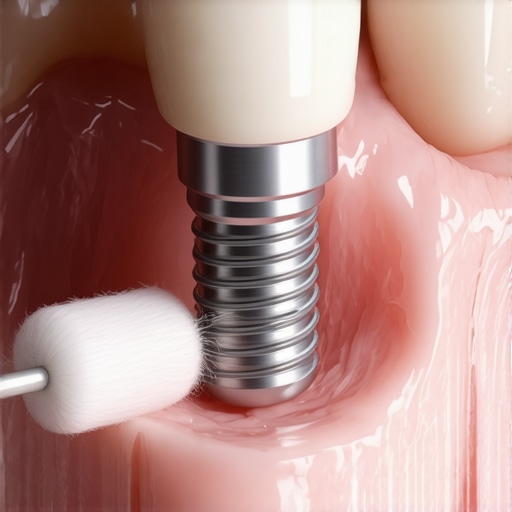
Keep the site clean while you wait for your appointment
A loose cap creates a tiny gap where food particles and saliva can stagnate. This is the danger zone. While you wait for your office visit, you must prioritize hygiene without being aggressive. I found that a gentle saltwater rinse after every single snack was my best defense. Think of it like maintaining a fresh wound; you want to flush the area without scrubbing. If you are worried about the debris, you can learn how to clean your mouth after a wisdom tooth extraction for similar gentle techniques that protect sensitive surgical sites.
Avoid the temptation of DIY repairs
It is incredibly tempting to think you can just screw it back in with a clean finger. Don’t. Your fingers carry bacteria, and you cannot achieve the specific ‘torque’ required to lock the abutment into place. If you cross-thread the cap, you could potentially damage the internal hex of the actual implant, which is a much more expensive problem to fix. This is similar to how to handle a cracked tooth until you reach the dentist—the goal is stabilization, not a permanent fix.
Modify your diet for the next 48 hours
Until that cap is tightened, your chewing habits need to shift. Treat that side of your mouth as a ‘no-fly zone.’ Stick to soft foods like yogurt, mashed potatoes, or protein shakes. I once tried to ‘test’ my loose cap with a piece of crusty bread, thinking I could just chew on the other side. A stray crumb wedged itself right under the wiggling metal, causing a sharp, shooting sensation. If you’ve already noticed that your dental implant area feels tingly or numb, adding the pressure of hard food will only complicate the healing process. If your case was complex and you know the reason your dental implant surgery requires a bone graft, you are dealing with sensitive, regenerating tissue that shouldn’t be stressed by a vibrating, loose piece of hardware.
Why cranking it down won’t solve the problem
Most people assume that if a piece of hardware in their mouth is wiggling, the solution is simply to tighten it as hard as possible. However, in the world of high-end restorative work, ‘tighter’ isn’t always ‘better.’ There is a common myth that once an abutment is seated, it should be immovable. In reality, dental implants rely on a very specific mechanical concept called ‘preload.’ This is the tension created when a screw is tightened just enough to keep the parts together without overstretching the metal. A study published in the Journal of Oral Implantology suggests that excessive force during the healing phase can actually lead to micro-fractures in the implant’s internal hex or even localized bone resorption due to pressure necrosis. If you try to fix this yourself, you risk exceeding that delicate torque limit. This is why modern dental implant innovations focus so much on precision-fit components rather than sheer force.
The invisible danger of finger tightening
The biggest ‘oops’ factor I see with patients—and something I learned the hard way—is the temptation to use a clean finger to nudge the cap back into place. You might think your hands are clean, but the oral environment is incredibly sensitive to the introduction of external biofilm. When you touch that silver cap, you are potentially pushing bacteria into the internal screw channel of the implant post. Once the dentist eventually tightens the cap over that bacteria, it can become a breeding ground for infection. This is a similar pitfall to the mistake that makes your teeth look too white and fake; it’s an attempt at a quick fix that ignores the underlying biology. If you’ve already touched it, don’t panic, but do tell your dentist so they can properly irrigate the site with chlorhexidine before resealing it. 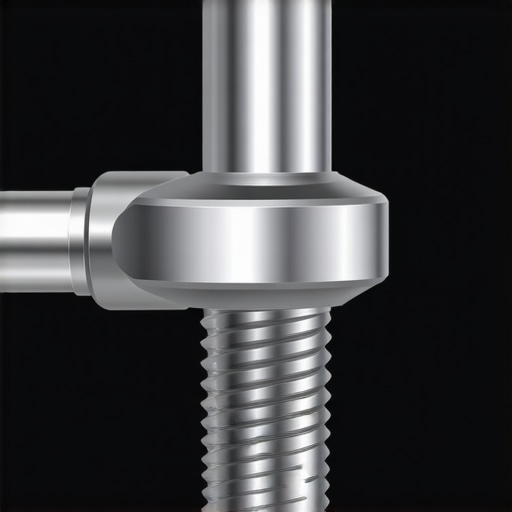
Does a vibrating sensation mean the screw is failing?
Sometimes, a loose cap doesn’t just wiggle; it creates a strange resonance in your jaw. You might find yourself wondering why your dental implant feels like it is vibrating slightly when you speak or hum. This usually isn’t a sign of bone loss or rejection. Instead, it’s often a result of the ‘tuning fork effect’—the loose metal cap is vibrating against the implant body because the screw has lost its preload. While it feels terrifyingly internal, it is almost always a mechanical issue with the temporary hardware. However, if you are a smoker, you should be slightly more vigilant, as the impact of smoking on your dental implant success rate can mean that even minor mechanical loose parts can lead to slower soft-tissue healing around the site. Let’s look at the bigger picture: your body is doing the heavy lifting of osseointegration, and the healing cap is just a temporary guide. Have you ever fallen into the trap of trying to be your own dentist when something felt ‘off’? Let me know in the comments below.Once the dentist finally cinched that loose healing cap back into place, I realized that my anxiety stemmed from a lack of control. To regain that control, I became obsessed with the long-term maintenance of my new hardware. If you want to avoid future wiggles—or worse, the dreaded peri-implantitis—you need a toolkit that goes beyond a standard plastic toothbrush. I personally swear by a high-quality water flosser. While many people discuss the benefit of using a water flosser with your braces, it is equally transformative for implant patients. The pulsed water reaches the microscopic ‘cuff’ where the gum meets the abutment, flushing out biofilm that a traditional string simply cannot touch. I use mine on the ‘sensitive’ setting twice a day, and the difference in my gum color was immediate.
Use the gear that actually protects your investment
It isn’t just about the flosser; the brush matters too. I learned that aggressive scrubbing is the enemy of a healing site. I switched to a brush with extra-fine, tapered filaments to ensure I wasn’t causing micro-tears in the delicate tissue. Finding the best way to brush when you have sensitive gums is crucial because if you’re in pain, you’ll subconsciously skip the area, leading to plaque buildup. I also started using interdental brushes coated in plastic rather than bare wire. According to a meta-analysis in the Journal of Clinical Periodontology, interproximal brushes are often more effective than floss at reducing inflammation around dental implants because they can better adapt to the concave surfaces of the implant neck. 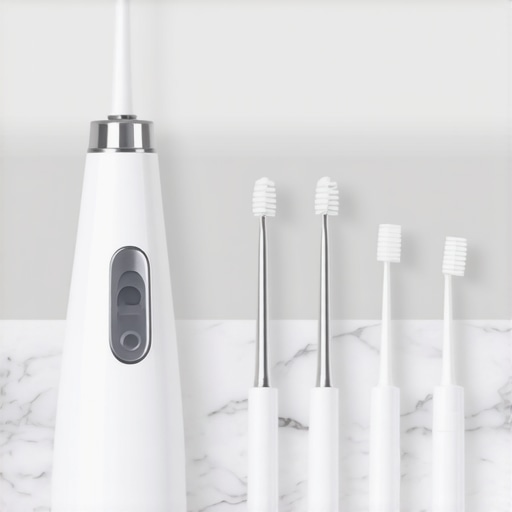
Keep the bacteria away without damaging the metal
One thing I didn’t expect was how much my routine would change my perspective on overall cosmetic dentistry secrets to boost your confidence. When your mouth feels truly clean, you smile differently. I also added a non-alcoholic chlorhexidine rinse to my weekly routine—not daily, as it can stain, but just enough to keep the bacterial load low. This level of maintenance ensures that how dental implants reshape your oral health in 2025 is a positive story rather than a cautionary tale.
How do I maintain my dental implant over the next decade?
The secret is consistency and professional oversight. You cannot treat an implant like a ‘set it and forget it’ solution. You need regular ‘implant maintenance’ visits where the hygienist uses specialized titanium or plastic instruments that won’t scratch the abutment surface. Scratches are essentially skyscrapers for bacteria to hide in. Looking ahead, I suspect we will see a major shift in how we track these sites. We are moving toward the future of dental implants and cutting-edge techniques where ‘smart’ abutments might actually alert your phone if they detect biochemical markers of inflammation. For now, my best advice is to ditch the ‘fingernail test’ and buy a dedicated interdental kit. Try this tonight: swap your standard floss for a tapered interdental brush around your implant site and notice how much more debris is removed—it’s a game-changer.
Three Realities I Discovered While My Implant Healed
Going through the implant process taught me that my anxiety was often louder than the actual clinical risk. First, I realized that the healing part of the journey is just as much about patience as it is about biology. That silver cap wiggling isn’t a failure; it’s a mechanical nudge to stay proactive. Second, I learned that your dental team is your best resource—never feel like you are bothering them with a question about a loose part. Finally, the way how dental implants reshape your oral health in 2025 isn’t just about the tooth itself, but about the total commitment to a cleaner, healthier mouth. Small setbacks, like a loose abutment, actually forced me to pay more attention to my gums than I ever had with my natural teeth.
The Gear That Saved My Sanity and My Smile
If you want to ensure your investment stays secure, you need the right tools in your cabinet. I don’t go a single day without my water flosser; even though many people focus on the benefit of using a water flosser with your braces, it is arguably even more vital for cleaning around the base of a healing abutment. #IMAGE_PLACEHOLDER_E# I also highly recommend picking up a pack of plastic-coated interdental brushes. These allow you to scrub the neck of the implant without the risk of scratching the metal. Lastly, keep a bottle of alkaline mouth rinse on hand to balance the pH of your mouth, which helps prevent the bacterial growth that leads to inflammation. These aren’t just gadgets; they are the cosmetic dentistry secrets to boost your confidence by ensuring your breath is fresh and your gums are pink and healthy.
Your New Smile is Worth the Occasional Wiggle
At the end of the day, a loose healing abutment is just a tiny chapter in a very long success story. Don’t let a minor mechanical issue steal the joy of your transformation. As we look toward the future of dental implants and cutting-edge techniques, the process will only get smoother and more intuitive. For now, trust the process, keep the area clean, and lean on your dentist’s expertise. You are only a few weeks away from a permanent, beautiful result that will change how you eat, speak, and smile for years to come. Your future self will thank you for taking these extra steps today. Have you ever had a moment where you panicked about a dental procedure only to find out it was a quick and easy fix? Let me know your story in the comments below!